You want your cat to have a safe, cozy place outside, right? Building an outdoor house for your cat is easier than you think.
It gives your furry friend a shelter from bad weather and a spot to relax. In this guide, you’ll discover simple steps and smart tips to create the perfect outdoor home for your cat. Keep reading—you’ll learn how to make a space your cat will love and stay safe in all year round.
Credit: khpet.com
Choosing The Right Location
Choosing the right location for your cat’s outdoor house is very important. It affects your cat’s safety and comfort. The place you pick should offer peace and shelter. It must be easy for your cat to reach. These points help your cat enjoy the outdoor house fully.
Safe And Quiet Spots
Pick a spot away from busy roads and loud noises. Cats need calm places to feel secure. Avoid areas with heavy foot traffic or barking dogs. Look for a corner in your garden or backyard. A quiet spot helps your cat relax and rest well.
Protection From Weather
Choose a place that shields your cat from wind, rain, and sun. Near a wall or under a tree works well. Make sure the spot stays dry during rain. Avoid places that get too hot in summer. Proper shelter keeps your cat warm and safe all year.
Accessibility For Your Cat
The outdoor house must be easy for your cat to enter and leave. Avoid places that are hard to reach or blocked by plants. Make sure the path is clear and safe. Your cat will feel more comfortable if it can go in and out freely.
Materials You’ll Need
Building an outdoor house for your cat means gathering the right materials first. The quality of these materials affects how safe, warm, and comfortable your cat’s new shelter will be. Think about what lasts outdoors and protects from weather, but also what fits your budget and skill level.
Affordable And Durable Options
Look for materials that won’t break the bank but can handle outdoor conditions. Plywood is a popular choice because it’s sturdy and easy to work with. Pressure-treated wood resists rot and insects, making it a smart pick for the frame.
You might also consider recycled materials like old pallets or crates. They give your project a unique touch and keep costs down. Remember, plastic storage bins can serve as a quick, weather-resistant base if you’re in a hurry.
Insulation Materials
Keeping your cat warm is crucial, especially in colder months. Styrofoam sheets are lightweight and provide excellent insulation without taking up much space. You can also use foam board insulation, which fits snugly inside the walls and floor.
Don’t forget natural options like straw or shredded paper for bedding inside the house. These materials absorb moisture and keep the interior cozy. Have you thought about layering different insulators to boost warmth?
Tools For Construction
Having the right tools makes building easier and safer. A cordless drill or screwdriver is essential for assembling parts quickly. You’ll also need a saw to cut wood or insulation materials to the right size.
Other handy tools include a measuring tape, hammer, and sandpaper to smooth rough edges. Gloves and safety glasses protect your hands and eyes during construction. What tools do you already have, and which ones might you borrow or rent?
Simple Shelter Designs
Creating a cozy outdoor house for your cat doesn’t have to be complicated. Simple shelter designs can offer warmth, protection, and comfort with minimal materials and effort. These ideas are easy to build and customize, making them perfect for anyone looking to keep their feline friend safe outside.
Basic Wooden Box
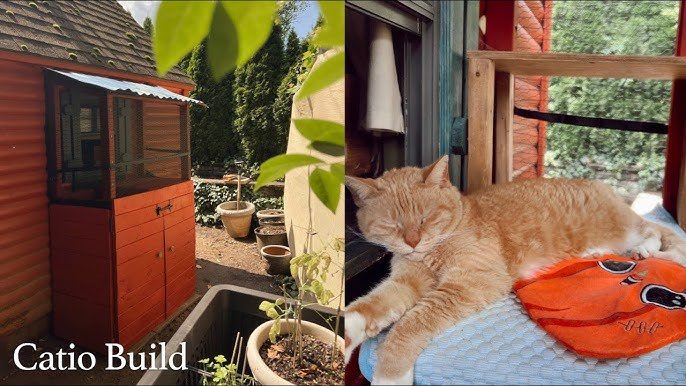
A wooden box is a classic choice for an outdoor cat shelter. You can use plywood or reclaimed wood to build a sturdy frame. Make sure to leave a small entrance just big enough for your cat to get in and out easily.
Adding insulation like straw or foam inside the box helps keep the temperature stable. You might want to elevate the box slightly off the ground to avoid moisture and cold. Have you considered how a simple roof overhang can prevent rain from soaking the entrance?
Upcycled Plastic Container
Plastic containers, like large storage tubs, make excellent shelters with a bit of modification. Cut an entrance on one side and line the inside with blankets or straw for comfort and warmth. These containers are weather-resistant, which keeps your cat dry during rain.
They’re lightweight and easy to move, which is great if you want to change the shelter’s location. Have you checked your recycling area for containers that could be repurposed? It’s a practical way to save money and reduce waste.
Repurposed Storage Bin
Old storage bins, especially those with lids, can be transformed into cozy cat houses. Cut an entrance on the side and create ventilation holes to keep air flowing. Place soft bedding inside to make it inviting for your cat.
You can secure the lid slightly open to prevent condensation build-up. This design is quick to assemble and easy to clean, which is important for maintaining hygiene. What kind of storage bin do you have that could become a perfect shelter?

Credit: www.reddit.com
Step-by-step Building Guide
Building a cozy outdoor house for your cat can be a rewarding project. It not only provides shelter but also keeps your furry friend safe and comfortable. Let’s break down the process into clear, manageable steps that anyone can follow.
Measuring And Cutting
Start by deciding the size of the house based on your cat’s size and activity level. Make sure there’s enough room for your cat to turn around and stretch comfortably. Measure the wood panels carefully, marking where you will cut to avoid mistakes.
Use a saw suitable for the material you’ve chosen, whether it’s plywood or solid wood. Cutting straight lines is crucial for easy assembly later. Have a friend help hold the panels steady while you cut to ensure accuracy and safety.
Assembly Tips
Begin assembling by connecting the base and walls. Use screws instead of nails for a stronger hold that lasts through weather changes. Pre-drill holes to prevent the wood from splitting.
Check that all corners are square using a carpenter’s square or a simple ruler. This ensures the structure stands evenly and the roof fits properly. Don’t rush—tighten screws gradually and evenly to avoid warping the wood.
Adding Insulation And Bedding
Think about your cat’s comfort in colder weather. Adding insulation inside the walls helps keep the temperature stable. You can use foam board or recycled materials like old blankets tucked safely inside.
Place soft bedding such as fleece or a thick cushion on the floor. Make sure the bedding is washable and easy to remove. Would your cat prefer a little hideaway or an open cozy space? Tailor the interior to what you know about your cat’s habits.
Weatherproofing Tips
Creating a comfortable outdoor house for your cat means thinking beyond just a cozy space. Weatherproofing is essential to keep your feline friend safe and dry through changing seasons. Simple adjustments can make a big difference in how well the shelter holds up against rain, wind, and cold.
Waterproof Covers
Waterproofing the roof and walls protects the shelter from rain and snow. Using materials like heavy-duty tarps or waterproof fabric can prevent moisture from seeping inside. You might also consider adding a sloped roof to help water run off quickly, avoiding puddles that could soak the shelter.
Think about how often it rains in your area. Would a plastic or vinyl cover stand up better than fabric? Testing different covers can reveal what works best for your cat's outdoor home.
Elevating The Shelter
Raising the shelter off the ground prevents dampness and cold from seeping in. Placing it on bricks, wooden pallets, or sturdy blocks creates a barrier against moisture and pests. Elevation also improves airflow underneath, keeping the floor dry and your cat more comfortable.
Try to keep the shelter at least a few inches above the ground. Have you noticed your cat prefers a certain height when resting outside? Adjusting the elevation to their liking can make a surprising difference.
Wind Barriers
Strong winds can make an outdoor shelter chilly and unpleasant. Adding wind barriers around the shelter, such as bushes, fences, or removable panels, blocks drafts effectively. Position the entrance away from prevailing winds to further protect your cat.
Consider how wind direction changes during the day and seasons. Would a temporary windscreen that you can move or remove be useful? Creating a calm spot helps your cat feel safe and warm, inviting them to spend more time outside.
Comfort Enhancements
Creating a cozy outdoor house for your cat means focusing on comfort. Cats enjoy warm, soft spaces that feel safe. A few simple touches can make the house a favorite spot. Comfort improvements help keep your cat happy and healthy outside.
Soft Bedding Ideas
Choose soft materials for bedding. Fleece blankets work well because they are warm and easy to clean. You can use a thick cushion or pet bed that fits inside the house. Adding a few layers of old towels or fabric scraps also helps. Wash bedding regularly to keep it fresh and free of dirt.
Heating Options
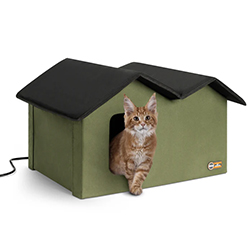
Keep your cat warm during cold weather with safe heating options. A heated pet pad plugged into a low-voltage source is a good choice. Place it under the bedding to avoid direct contact. Avoid electric heaters that can overheat or cause burns. Use natural heat sources like sunlight by placing the house in a sunny spot.
Ventilation Considerations
Proper airflow prevents moisture and bad smells inside the house. Include small vents near the top to let fresh air in. Avoid large openings that let in cold wind or rain. Position the house slightly off the ground to allow air circulation underneath. Good ventilation keeps the space dry and comfortable for your cat.
Maintenance And Cleaning
Keeping your cat’s outdoor house clean and well-maintained ensures a safe and comfortable space. Regular care prevents bad odors and keeps pests away. It also extends the life of the house and protects your cat’s health.
Regular Inspection
Check the house often for damage or dirt. Look for cracks, loose parts, or signs of wear. Make sure the roof and walls stay sturdy. Inspect the bedding for moisture or dirt. Spot problems early to fix them quickly.
Cleaning Schedule
Set a routine to clean the house thoroughly. Remove old bedding and wash it weekly. Sweep or vacuum the floor to clear debris. Use mild soap and water to clean surfaces. Rinse well and let everything dry before replacing.
Replacing Worn Materials
Swap out old bedding regularly to keep it fresh. Replace any broken or weak parts like wood or fabric. Use safe, weather-resistant materials for repairs. Keep the house dry and insulated by updating worn sections. This keeps the shelter cozy and strong.

Credit: www.reddit.com
Encouraging Your Cat To Use The Shelter
Getting your cat to use an outdoor shelter takes time and care. Cats need to feel safe and comfortable. Encouraging your cat to enter and stay in the shelter helps protect them from weather and dangers outside.
Use familiar smells and positive experiences to attract your cat. Observe your cat’s behavior and be patient throughout the process. This builds trust and makes the shelter a welcoming space.
Familiar Scents
Place blankets or toys with your cat’s scent inside the shelter. Use some of your worn clothes to add a comforting smell. Cats recognize these scents and feel more secure.
Adding natural scents from your cat’s usual resting spots helps. Avoid strong or artificial smells that might scare your cat. Keep the shelter clean but maintain familiar smells.
Treats And Toys
Put treats inside the shelter to attract your cat. Use toys your cat loves to make the shelter inviting. Move the toys and treats gradually closer to the shelter entrance.
Reward your cat when it explores or stays near the shelter. This creates a positive connection. Change treats often to keep your cat interested.
Patience And Observation
Give your cat time to explore the shelter at its own pace. Some cats need days or weeks to feel comfortable. Watch your cat’s reactions to adjust the shelter setup.
Do not force your cat inside. Let it come back on its own. Patience builds confidence and helps your cat accept the shelter as a safe place.
Frequently Asked Questions
What Materials Are Best For An Outdoor Cat House?
Wood is ideal for insulation and durability. Use waterproof plywood or cedar. Avoid toxic paints or chemicals. Add soft bedding inside for comfort. Ensure materials withstand weather conditions like rain and wind.
How Do I Keep The Cat House Warm In Winter?
Insulate walls with foam or straw. Use a heated pad designed for pets. Position the house in a sheltered spot. Keep the entrance small to retain heat. Provide cozy blankets for extra warmth.
Where Should I Place The Outdoor Cat House?
Choose a quiet, shaded area away from noise. Ensure it’s safe from predators and traffic. Place it near the house for easy monitoring. Elevate slightly to avoid dampness and pests. Make sure it’s accessible to your cat.
How Big Should An Outdoor Cat House Be?
The house should be just large enough for your cat. Around 18x18 inches and 18 inches tall is ideal. Too big means less warmth retention. Provide enough space for your cat to turn comfortably.
Conclusion
Creating a cozy outdoor house for your cat is worthwhile. Cats love the fresh air and open spaces. With simple materials, you can build a sturdy shelter. Protects from weather. Keeps your feline friend safe and warm. A well-made house offers comfort and security.
Your cat will appreciate their new space. Enjoy watching them explore and relax outside. Happy cats make happy homes. Building this house strengthens your bond. Take pride in crafting a special place for your pet. You’ve given your cat a safe haven.
Continue exploring ways to enhance their outdoor adventures.