If you’ve ever walked into a room and been hit by a strong, unpleasant smell from your cat’s litter box, you know how frustrating it can be. That stubborn cat urine odor doesn’t just disappear with a quick scoop.
It can linger, making your home less fresh and comfortable. But here’s the good news: you don’t have to live with that smell. You’ll discover simple, effective ways to eliminate cat urine odor in your litter box for good. Keep reading, and you’ll learn how to make your home smell clean and fresh again—your nose will thank you!

Credit: www.skoutshonor.com
Causes Of Cat Urine Odor
Understanding the causes of cat urine odor is key to tackling the smell effectively. Cat urine contains compounds that create a strong and unpleasant scent, which can linger if not managed properly. Knowing why the odor is so potent helps you take the right steps to eliminate it from your litter box.
Why Cat Urine Smells Strong
Cat urine has a high concentration of nitrogen and ammonia. These chemicals break down over time, producing the sharp, pungent smell you notice. The presence of urea and other waste products also contributes to the strong odor.
Interestingly, male cats tend to have stronger smelling urine due to hormones called pheromones. If your cat is not neutered, the odor might be more intense and harder to control. Have you noticed a difference in odor between your male and female cats?
Factors Affecting Odor Intensity
The freshness of the urine plays a big role in how strong the smell is. Older urine breaks down and releases more ammonia, making the odor worse. This means regular cleaning of the litter box is crucial to keep the smell in check.
Diet and hydration also influence urine odor. Cats eating wet food or drinking plenty of water usually produce less concentrated urine, which smells less strong. Conversely, dry food or dehydration can make urine more potent.
- Type of litter used can trap or release odors differently.
- Health issues like urinary tract infections may cause changes in urine smell.
- The size and ventilation of the litter box area impact odor buildup.
Have you checked if your cat’s diet or health is affecting the smell? Sometimes, a simple change in food or a vet visit can reduce the odor dramatically.

Credit: www.skoutshonor.com
Choosing The Right Litter
Choosing the right litter is crucial to effectively eliminate cat urine odor in the litter box. The type of litter you pick can make a big difference in how well odors are controlled and how comfortable your cat feels. Selecting litter that suits both your cat’s preferences and your odor control needs will save you time and frustration.
Types Of Cat Litter
There are several types of cat litter available, each with unique properties. Clay-based litter is popular because it clumps well and is affordable. However, it can be dusty and may not control odors as effectively as other types.
Silica gel litter is another option. It absorbs moisture and traps odor but can be more expensive. Natural litters made from materials like corn, wheat, or pine offer eco-friendly alternatives and tend to have less dust, but their odor control varies.
Have you noticed your cat’s reaction when switching litters? Cats are sensitive to texture and scent, so picking the right type can prevent accidents outside the box.
Litter That Controls Odor Best
Odor control is the main reason many cat owners choose a specific litter. Clumping clay litter with activated charcoal or baking soda additives often performs well in trapping odors. These litters make scooping easier and keep the box smelling fresh longer.
Silica crystal litter naturally absorbs odors and moisture, reducing the frequency of litter changes. If you want a natural option, litters infused with plant-based enzymes break down urine and neutralize smells effectively.
Consider your cleaning routine and how often you can change the litter. Some litters last longer and control odor better, which can reduce hassle. Which type fits your lifestyle and your cat’s comfort?
Cleaning Techniques
Effective cleaning techniques play a crucial role in eliminating cat urine odor from the litter box. Regular care and thorough cleaning can stop the smell before it becomes overwhelming. Let’s dive into how you can keep your cat’s space fresh and odor-free with simple, practical steps.
Daily Maintenance Tips
Start by scooping out clumps and solid waste at least once a day. This prevents urine from soaking deep into the litter and reduces odor buildup.
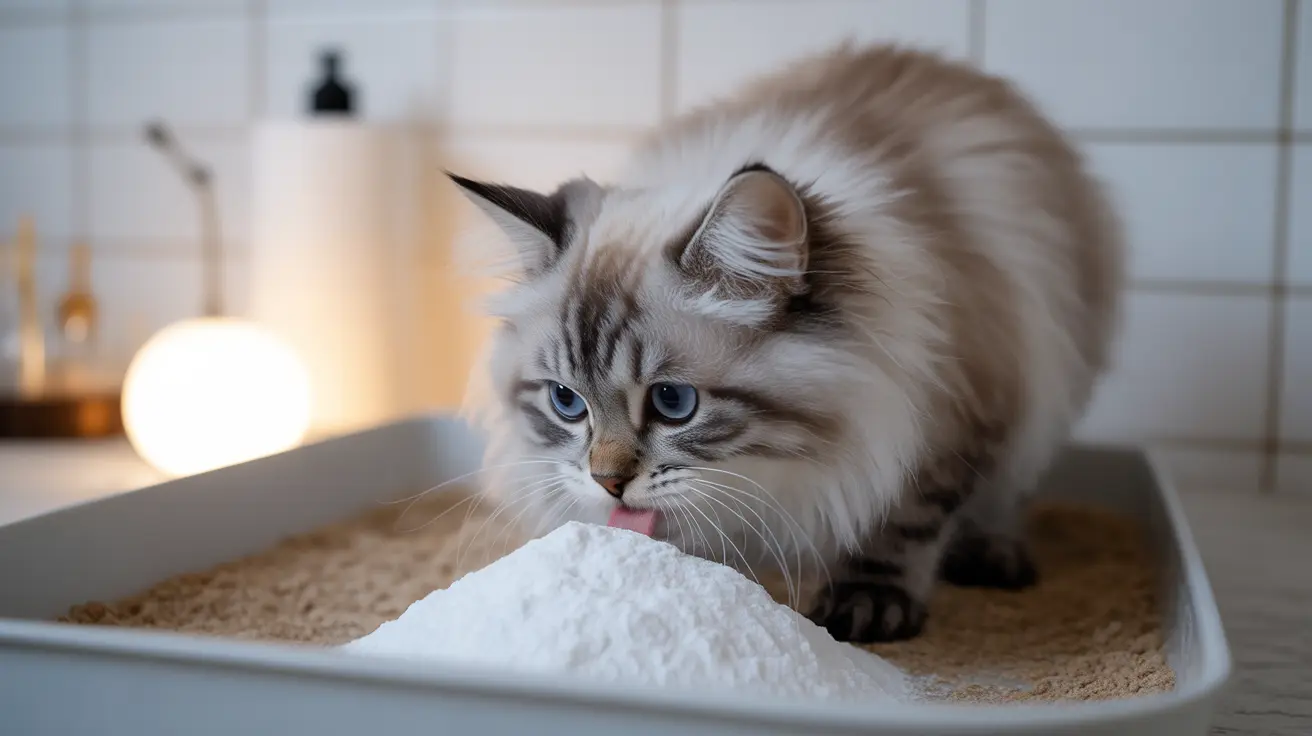
Adding a bit of baking soda to the litter can help neutralize smells. You might be surprised how a small sprinkle makes a big difference.
Also, check the litter box location. Is it well-ventilated? Fresh air helps keep odors from lingering.
- Use unscented clumping litter for better absorption and less fragrance clash.
- Wash your scoop weekly with hot, soapy water to avoid bacteria transfer.
- Replace the litter completely every 3-4 days to maintain freshness.
Deep Cleaning Methods
Once a week, give the litter box a thorough scrub. Empty all the litter, and use warm water with mild dish soap to clean the box.
Rinse well and dry completely before adding fresh litter. Moisture left behind can trap odors and attract your cat elsewhere.
If the smell persists, try using a vinegar solution. Mix equal parts white vinegar and water, scrub the box, then rinse thoroughly.
- Avoid bleach or ammonia-based cleaners—they can irritate your cat’s nose and worsen the problem.
- Consider using enzymatic cleaners designed to break down urine proteins for stubborn odors.
- Replacing old or scratched litter boxes can also reduce trapped smells that regular cleaning can’t fix.
Have you noticed your cat avoiding the litter box despite regular cleaning? It might be time to rethink your cleaning routine or the products you use. How you clean affects not only odor but your cat’s comfort too.
Using Odor Neutralizers
Using odor neutralizers can make a huge difference in keeping your cat’s litter box smelling fresh. These products work by either absorbing or neutralizing the ammonia and other compounds in cat urine that cause the strong odor. Instead of just masking the smell, good odor neutralizers tackle the problem at its source, making your home more pleasant for both you and your feline friend.
Natural Odor Absorbers
Natural options like baking soda and activated charcoal are affordable and safe choices you can try right away. Baking soda is a common household item that absorbs moisture and neutralizes odors effectively. Simply sprinkle a thin layer at the bottom of the litter box before adding litter to keep the smell under control.
Activated charcoal works by trapping odor-causing molecules. You can find it in small bags designed for odor control, which can be placed near or around the litter box area. Have you noticed how some pet stores sell litter with added charcoal? That’s because it’s a proven natural deodorizer.
Commercial Products That Work
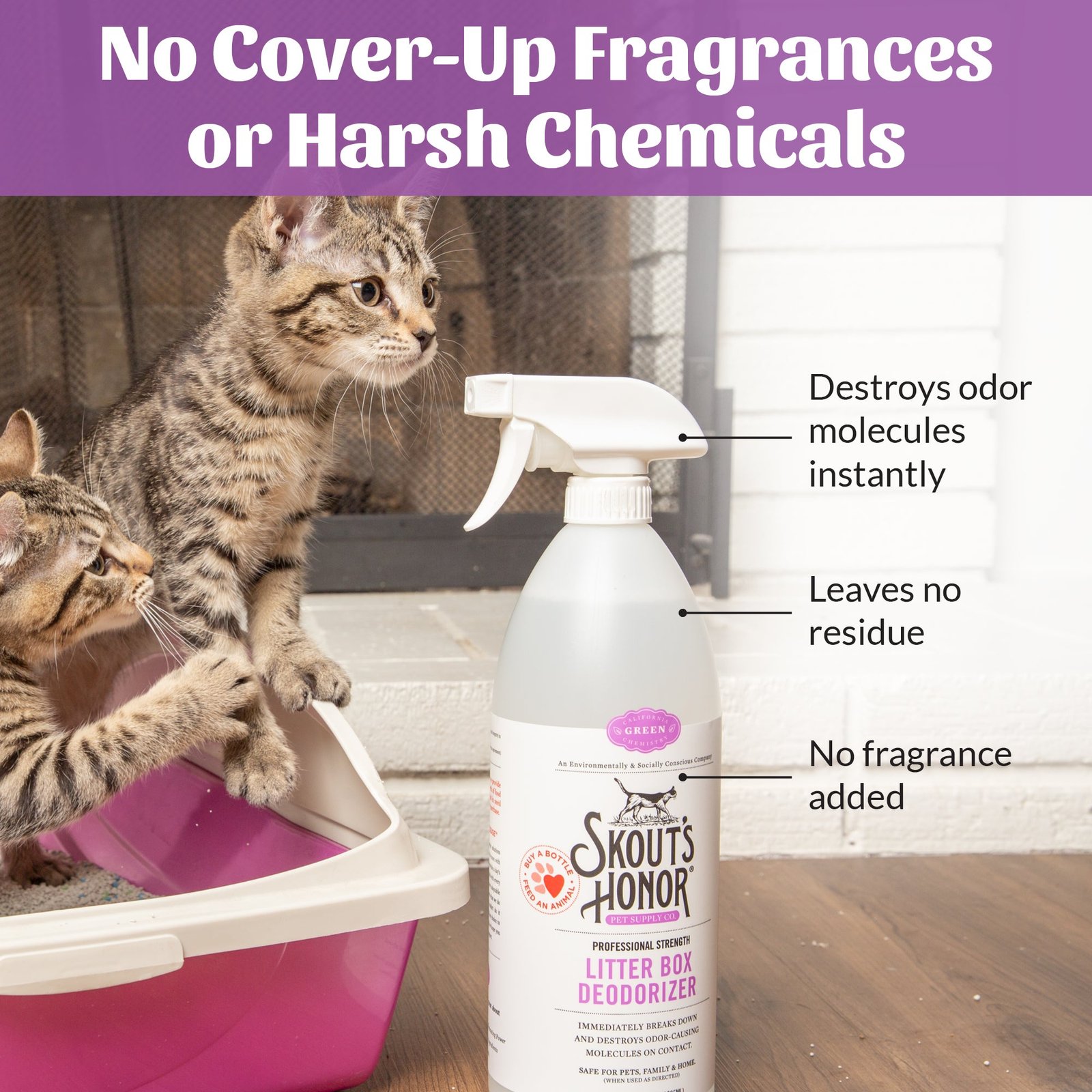
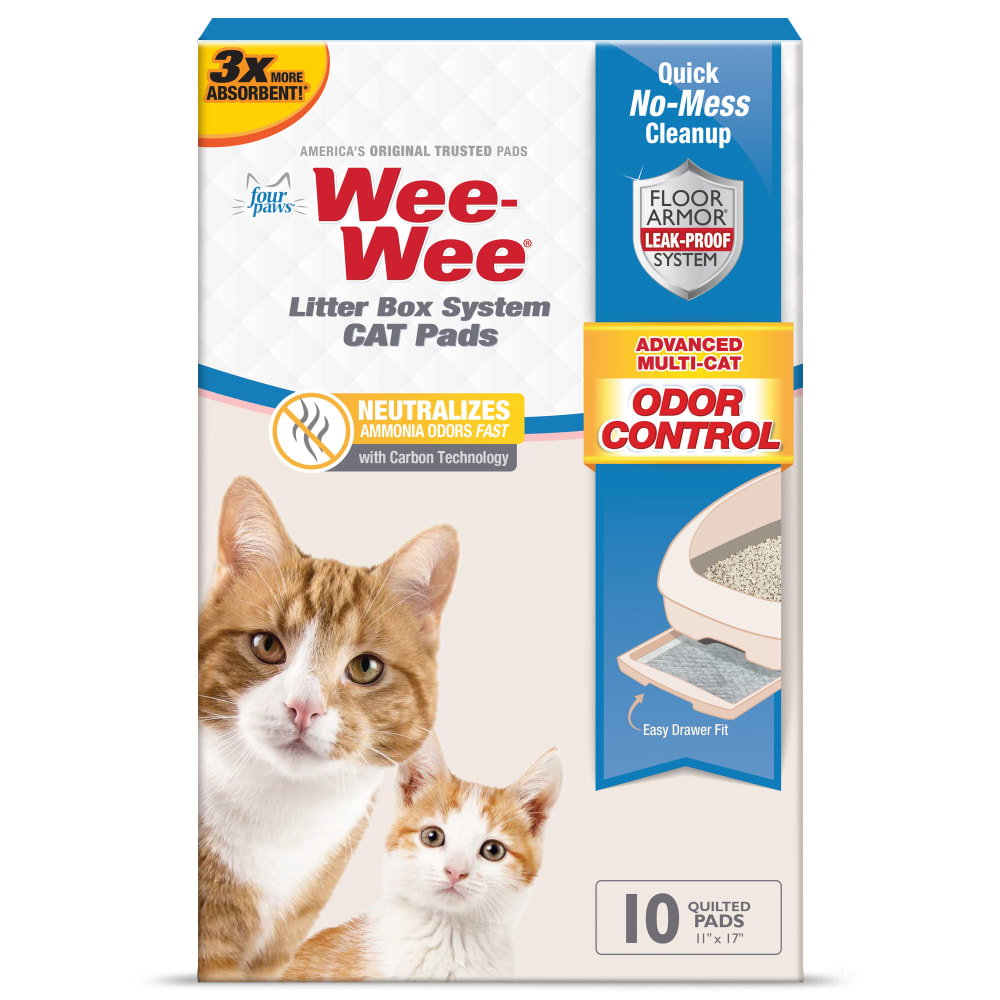
There are many commercial odor neutralizers specifically made for cat litter boxes, and some are surprisingly effective. Look for enzymatic cleaners; they break down urine compounds rather than just covering the smell. These products come as sprays or powders and can be added directly to the litter or used to clean the box itself.
Other commercial options include litter additives that you mix with your regular litter to improve odor control. Some brands include natural ingredients like zeolite or baking soda combined with fragrances that are safe for cats. Have you tried any of these products? Finding the right one often means trying a few to see what works best for your cat’s habits and your home’s needs.
Preventing Future Odors
Preventing future cat urine odors keeps your home fresh and clean. It requires more than just cleaning. Small changes in daily habits help control the smell. Understanding cat behavior and environment plays a big role. Here are key tips to stop odors before they start.
Proper Litter Box Placement
Choose a quiet, low-traffic area for the litter box. Cats prefer privacy while they do their business. Avoid placing the box near their food or water bowls. Good airflow around the box helps reduce smell buildup. Keep the area dry to prevent bacteria growth. Regularly check the spot to ensure it stays clean and odor-free.
Diet And Hydration Effects
A cat's diet affects the smell of its urine. High-quality food leads to less smelly urine. Avoid foods with strong artificial additives. Encourage your cat to drink more water daily. Proper hydration dilutes urine, reducing odor strength. Wet cat food can increase water intake naturally. Monitor your cat’s eating habits and adjust as needed for better health and less odor.
When To Seek Veterinary Advice
Knowing when to seek veterinary advice is crucial if you're dealing with persistent cat urine odor in the litter box. Sometimes, the smell is not just a cleaning issue but a sign of underlying health problems or behavioral changes that need professional attention. Ignoring these signs can lead to worsening conditions for your cat and more frustration for you.
Signs Of Urinary Issues
Watch for signs like frequent trips to the litter box with little urine, blood in the urine, or obvious pain while urinating. Your cat might also start urinating outside the box suddenly. These symptoms often point to urinary tract infections, bladder stones, or other medical problems.
When you notice these signs, don’t delay. A vet can perform tests to diagnose and treat the issue quickly. Early intervention can prevent serious complications and reduce odor problems caused by infections.
Behavioral Causes Of Odor
Sometimes, your cat’s urine odor comes from stress or changes in their environment. Cats might avoid the litter box if it’s dirty, if they dislike the type of litter, or if there’s a new pet or person in the house.
Have you ever noticed your cat peeing in unusual places after a move or a big change? This behavior can lead to strong odors in areas you don’t expect. A vet or animal behaviorist can help identify stress triggers and suggest ways to reduce anxiety and improve litter box habits.
Credit: www.fourpaws.com
Frequently Asked Questions
How Do I Remove Cat Urine Smell From Litter Box?
Clean the litter box daily using mild soap and water. Use enzymatic cleaners to break down urine odors. Replace litter regularly to prevent buildup. Proper ventilation also helps reduce lingering smells effectively.
What Products Work Best To Eliminate Cat Urine Odor?
Enzymatic cleaners are highly effective as they break down urine molecules. Avoid ammonia-based cleaners, which can worsen the smell. Baking soda sprinkled in the litter can neutralize odors naturally. Always choose pet-safe, non-toxic products for safety.
How Often Should I Clean My Cat’s Litter Box?
Clean the litter box at least once daily to prevent odor buildup. Completely change the litter and wash the box with soap weekly. Frequent cleaning keeps the area fresh and reduces the chance of urine odor.
Can Diet Affect My Cat’s Urine Odor?
Yes, diet impacts urine smell. High-quality, balanced cat food reduces strong urine odor. Avoid foods with artificial additives and fillers. Hydration also matters; encourage your cat to drink plenty of water.
Conclusion
Keeping a clean litter box is essential for a fresh home. Regular cleaning prevents strong odors. Use quality litter designed to control smells. Baking soda can help too. Remember, a happy cat means a happy home. Consistent care goes a long way.
Cats appreciate clean spaces. Your nose will thank you. Try to clean the box daily. Fresh air improves everyone's mood. Give your cat a pleasant environment. You’ll notice the difference immediately. Small steps make a big impact. Maintain your routine for best results.
It’s simple and effective. Your cat and home deserve it.