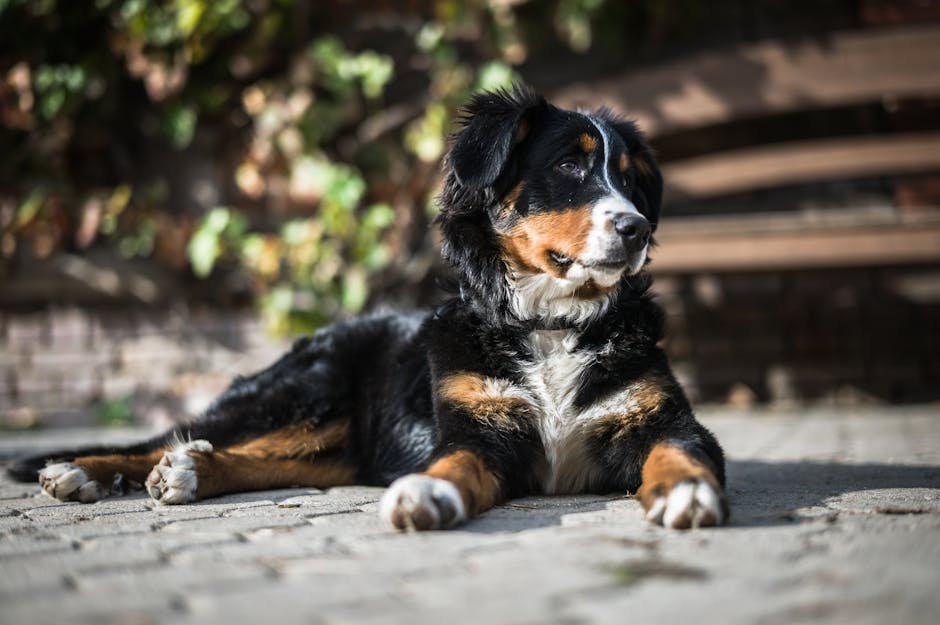
If you’ve just welcomed a Bernese Mountain Dog puppy into your home, you probably have a lot of questions—especially about feeding. How much should you feed your new furry friend to keep them healthy and happy?
Feeding the right amount is crucial for their growth, energy, and overall wellbeing. Get it wrong, and you might face health issues or sluggish behavior. But don’t worry—you’re about to discover simple, clear guidelines that will help you feed your Bernese Mountain Dog puppy just right.
Keep reading to learn exactly what your puppy needs at every stage.

Credit: berrypatchpuppies.com
Bernese Puppy Growth Stages
Bernese Mountain Dog puppies grow quickly in their first year. Their nutritional needs change at each stage. Understanding these growth stages helps feed them the right amount. Proper feeding supports healthy bones, muscles, and overall development. It also prevents overeating or underfeeding, which can cause health problems.
Newborn To 8 Weeks
Puppies rely on their mother’s milk during this period. Milk provides all needed nutrients for growth and immunity. Around 4 weeks, they start trying soft puppy food. Feeding small, frequent meals helps their tiny stomachs. Avoid giving adult dog food at this stage.
8 Weeks To 6 Months
At 8 weeks, puppies switch to solid puppy food. They need high-protein, high-fat diets to fuel fast growth. Feed 3 to 4 meals daily to keep energy levels steady. Measure food portions carefully to avoid excess weight gain. Growth slows near 6 months but still requires good nutrition.
6 Months To 1 Year
Growth rate decreases but bones and muscles keep developing. Feed 2 to 3 meals daily with balanced puppy food. Monitor weight and adjust portions as needed. Avoid sudden diet changes to prevent upset stomach. Proper feeding supports adult size and strength.
Daily Calorie Needs
Understanding the daily calorie needs of your Bernese Mountain Dog puppy is key to supporting their healthy growth. Puppies require more energy than adult dogs because they are constantly developing muscles, bones, and organs. Feeding the right amount of calories helps prevent both underfeeding and overfeeding, which can lead to health problems down the road.
Calories By Age And Weight
The calorie requirements for Bernese Mountain Dog puppies vary widely depending on their age and weight. Younger puppies need more calories per pound of body weight compared to older ones because of their rapid growth.
| Age | Weight Range | Daily Calories |
|---|---|---|
| 8-12 weeks | 10-20 lbs | 900-1100 kcal |
| 3-6 months | 20-40 lbs | 1100-1500 kcal |
| 6-12 months | 40-70 lbs | 1500-2000 kcal |
Keep in mind these numbers are starting points. Your puppy’s appetite and growth rate might require you to adjust the calories accordingly.
Adjusting For Activity Level
Not all puppies have the same activity level. Some Bernese Mountain Dog puppies are calm and prefer lounging, while others are highly energetic and require more fuel.
Ask yourself: How often does your puppy run, play, or explore? If your puppy is very active, you might need to add 10-20% more calories to their daily intake.
On the other hand, if your puppy is more sedentary, lowering calorie intake slightly can help avoid unnecessary weight gain. Always monitor your puppy’s body condition and adjust feeding amounts as needed.
Choosing The Right Food
Choosing the right food for a Bernese Mountain Dog puppy sets the foundation for healthy growth. Proper nutrition supports strong bones, shiny coats, and good energy levels. Puppies need food that matches their unique needs as they grow quickly and develop their immune systems. Selecting the best diet helps avoid health problems later.
Puppy-specific Formulas
Foods made specifically for puppies have balanced nutrients for growth. They contain higher calories to meet energy demands. Puppy formulas also include vitamins and minerals to build strong bones and muscles. These foods are easier to digest than adult dog food.
Look for labels that say "puppy" or "growth" to ensure the right choice. Feeding adult dog food can cause nutrient gaps. Avoid homemade diets unless guided by a vet.
Protein And Nutrient Requirements
Protein is vital for muscle and tissue development. Bernese Mountain Dog puppies need about 22-32% protein in their diet. Good protein sources include chicken, beef, fish, and lamb.
Calcium and phosphorus support bone growth. A balanced ratio is essential to prevent joint problems. Puppies also need fats for energy and brain health.
- Protein: 22-32%
- Fat: 8-20%
- Calcium and phosphorus: Balanced ratio
Choose foods with natural ingredients and avoid fillers like corn or wheat. Proper nutrition helps your puppy grow into a healthy adult dog.
Feeding Schedule Tips
Feeding a Bernese Mountain Dog puppy requires a well-planned schedule. A good feeding routine supports healthy growth and energy levels. Puppies need consistent meal times to build strong digestion and avoid overeating. Adjusting the feeding schedule as the puppy grows helps meet its changing nutritional needs.
Meal Frequency By Age
Young Bernese puppies eat more often than older dogs. Here is a simple guide:
- 6 to 12 weeks:Feed 4 times a day to support fast growth.
- 3 to 6 months:Reduce to 3 meals daily as growth slows.
- 6 to 12 months:Feed 2 to 3 times per day, adjusting to activity level.
- After 12 months:Usually 2 meals daily is enough for adult dogs.
Keeping a regular meal time helps the puppy get used to a routine. It also aids in house training and digestion.
Portion Control Strategies
Measuring the right amount of food is key to avoid weight problems. Use your puppy’s weight and age to find the right portion size. Check the dog food package for feeding guidelines. Adjust portions based on your puppy’s hunger and growth.
Watch for signs of overfeeding like weight gain or sluggishness. If your puppy seems hungry after meals, increase portions slightly. Avoid giving too many treats between meals.
- Use a measuring cup for accuracy.
- Divide daily food into planned meals.
- Observe your puppy’s body condition regularly.
- Consult a vet if unsure about portion sizes.
Common Feeding Mistakes
Feeding a Bernese Mountain Dog puppy correctly is crucial for healthy growth. Many owners make common mistakes that affect their puppy’s development. Knowing what to avoid helps keep your puppy strong and happy.
Overfeeding Risks
Giving too much food can lead to rapid weight gain. This puts stress on growing bones and joints. Overfeeding increases the chance of obesity, which causes health problems later. Puppies may also develop digestive issues like diarrhea or vomiting. Overfeeding can create bad eating habits that are hard to change.
Underfeeding Consequences
Not providing enough food slows down growth and energy levels. Puppies may feel weak and tired. Underfeeding can cause nutrient deficiencies that affect the immune system. It can also delay development of muscles and bones. A hungry puppy may become anxious or aggressive over time.
Monitoring Growth And Health
Keeping a close eye on your Bernese Mountain Dog puppy’s growth and health is key to making sure they develop strong and happy. Puppies grow fast, and their nutritional needs can change just as quickly. Monitoring their progress helps you spot any issues early and adjust their feeding plan accordingly.
Tracking Weight Progress
Weigh your puppy regularly to keep track of their growth. A good routine is once a week at the same time of day, using the same scale for consistency.
Write down the numbers and compare them to breed growth charts or your vet’s recommendations. If your puppy’s weight is consistently below or above the average range, it’s a sign that their diet might need tweaking.
Remember, sudden weight changes—whether gain or loss—can be a red flag. Have you noticed your puppy’s weight going up or down unexpectedly?
Signs Of Nutritional Issues
Watch for signs that your puppy’s diet isn’t meeting their needs. Poor coat condition, like dullness or excessive shedding, can point to nutritional gaps.
Other warning signs include low energy, frequent stomach upset, or stunted growth. These symptoms should never be ignored, as they can lead to bigger health problems down the road.
If your puppy shows these signs, consult your vet to review their feeding plan. Early adjustments can make a big difference in how your Bernese Mountain Dog thrives.
When To Consult A Vet
Knowing when to consult a vet about your Bernese Mountain Dog puppy’s diet can make all the difference in their growth and health. Puppies grow fast, and their nutritional needs can change quickly. If you notice anything unusual or have concerns about feeding, it’s always better to get professional advice early.
Adjusting Diet For Health Concerns
If your puppy shows signs like vomiting, diarrhea, or sudden weight loss, your feeding routine might need a change. Sometimes, puppies have allergies or sensitivities that require special diets. Your vet can help identify these issues and suggest foods that support healing and growth.
Don’t ignore changes in energy levels or coat condition either. A dull coat or lethargy can indicate nutrient imbalances or health problems. By consulting your vet, you can adjust your puppy’s diet to address these problems before they worsen.
Professional Feeding Recommendations
Vets can provide precise feeding amounts based on your puppy’s current weight, age, and activity level. They might recommend specific brands or types of food that fit your puppy’s unique needs better than general guidelines. This ensures your pup gets the right balance of protein, fats, and vitamins.
Regular vet check-ups also allow you to update feeding plans as your Bernese grows. Have you ever wondered if you’re feeding too much or too little? A vet’s input helps you avoid overfeeding, which can cause obesity, or underfeeding, which can stunt growth.

Credit: berrypatchpuppies.com
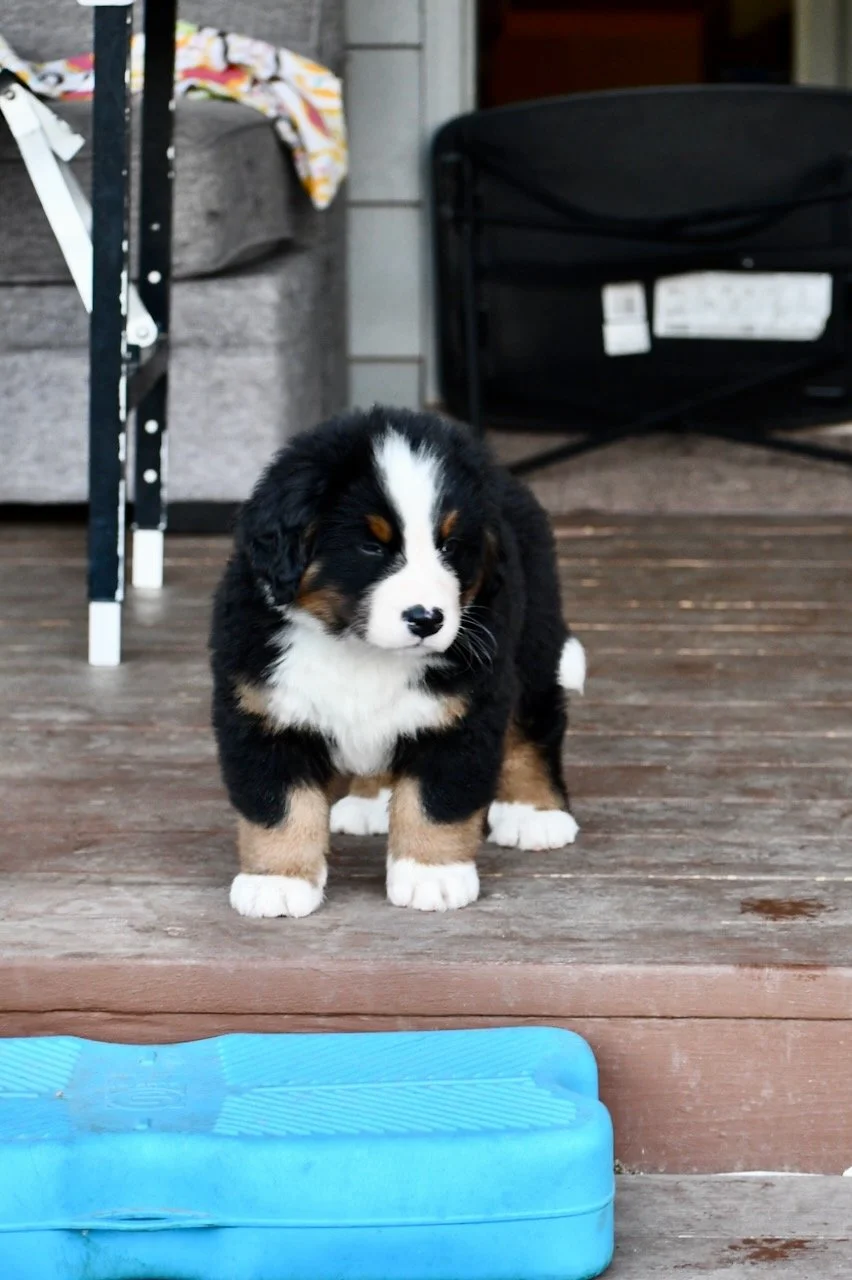
Credit: www.kaibabbmd.com
Frequently Asked Questions
How Much Food Does A Bernese Puppy Need Daily?
A Bernese Mountain Dog puppy requires about 3 to 4 cups of high-quality puppy food daily. Divide this into three meals to support steady growth and avoid overeating.
When Should I Change My Puppy’s Feeding Schedule?
Adjust the feeding schedule at six months, shifting from three to two meals daily. This aligns with their slower growth and adult feeding patterns.
What Type Of Food Is Best For Bernese Puppies?
Choose a large-breed puppy formula rich in protein, calcium, and DHA. This supports healthy bone development and overall growth specific to Bernese puppies.
How Often Should I Weigh My Bernese Puppy?
Weigh your Bernese puppy every two weeks to monitor healthy growth. Adjust food portions based on weight gain and vet recommendations.
Conclusion
Feeding your Bernese Mountain Dog puppy requires care and attention. Their growth depends on a balanced diet. Always measure portions to avoid overfeeding. Puppies need more frequent meals than adults. Consult your vet for personalized advice. Puppies grow fast, so adjust portions as they age.
Healthy feeding leads to a happy puppy. Watch their weight and adjust if needed. Always provide fresh water. Your puppy's health is in your hands. Enjoy the journey with your furry friend!