
Thinking about training your dog but wondering how much it will cost? You’re not alone.
Every dog owner wants the best for their furry friend, but the price of professional training can sometimes feel like a mystery. What if you knew exactly what to expect before making a decision? You’ll discover the real costs behind dog training, what factors affect the price, and how to get the best value for your money.
Keep reading, and by the end, you’ll feel confident about investing in your dog’s future.
Factors Affecting Dog Training Costs
Understanding the factors that influence dog training costs can help you make informed decisions. Prices vary widely depending on several key elements. Knowing what affects these costs lets you plan your budget better and get the best value for your money.
Type Of Training
Different training types come with different price tags. Basic obedience classes tend to be more affordable, while specialized training like agility or behavior modification can cost more. Group sessions usually cost less than private lessons, but private training offers personalized attention that might speed up progress.
Think about what you want your dog to learn. Would basic manners suffice, or do you need help addressing specific issues like aggression or anxiety? Your choice here directly impacts how much you’ll pay.
Trainer Experience
The skill and reputation of your trainer play a big role in pricing. Trainers with certifications and years of experience often charge higher rates. However, investing in a seasoned professional can save time and frustration by providing effective techniques tailored to your dog’s needs.
I once worked with a highly recommended trainer whose fees were steep but the results were worth every penny. Would you prioritize expertise over cost when choosing a trainer?
Training Location
Where the training happens affects the cost too. Training at a facility might include access to equipment and controlled environments, which can raise fees. On the other hand, in-home training offers convenience but often comes with travel charges.
If you live in a busy city, prices might be higher due to demand and overhead costs. Could a nearby training center offer a balance between cost and convenience for you?
Dog’s Age And Breed
Young puppies and older dogs may need different approaches, influencing how long training takes and the cost. Some breeds are easier to train due to their temperament, while others require more patience and specialized methods. This can extend the number of sessions needed.
For example, working breeds often catch on quickly but need mental stimulation, which might mean more advanced classes. Have you considered how your dog’s age and breed could affect your training plan and budget?

Credit: friendshipapl.org
Common Dog Training Services
Understanding the common dog training services can help you decide what fits your pet’s needs and your budget. Each service targets different skills and challenges, so knowing what’s available lets you make smarter choices. Whether you have a playful puppy or a stubborn adult dog, there’s a training option designed just for you.
Puppy Training
Puppy training focuses on setting a strong foundation. It often covers housebreaking, socialization, and basic commands like “sit” and “come.” Starting early helps prevent future behavior problems and makes your puppy more confident.
Many trainers offer group classes, which give puppies a chance to interact with others while learning. You might be surprised how quickly your pup picks up these skills when training is fun and consistent. Have you noticed how much easier things get when you start training young?
Basic Obedience
Basic obedience training is about teaching your dog essential commands and good manners. This includes walking politely on a leash, responding to commands reliably, and reducing jumping or barking. These skills improve daily life and build a respectful relationship between you and your dog.
Sessions often run weekly for several weeks and can be done in groups or one-on-one. If your dog already knows some commands but struggles in distractions, this training can sharpen their focus. What small behavior could make your day-to-day easier if your dog learned it well?
Behavioral Correction
Behavioral correction targets specific issues like aggression, excessive barking, or separation anxiety. It requires understanding why your dog acts out and addressing the root cause. This type of training often involves customized plans and close work with a professional.
Correcting behavior is not about punishment but guiding your dog toward better habits. It’s common to feel frustrated when your dog misbehaves, but patience and expert help can turn things around. What behavior in your dog challenges you the most?
Specialized Training
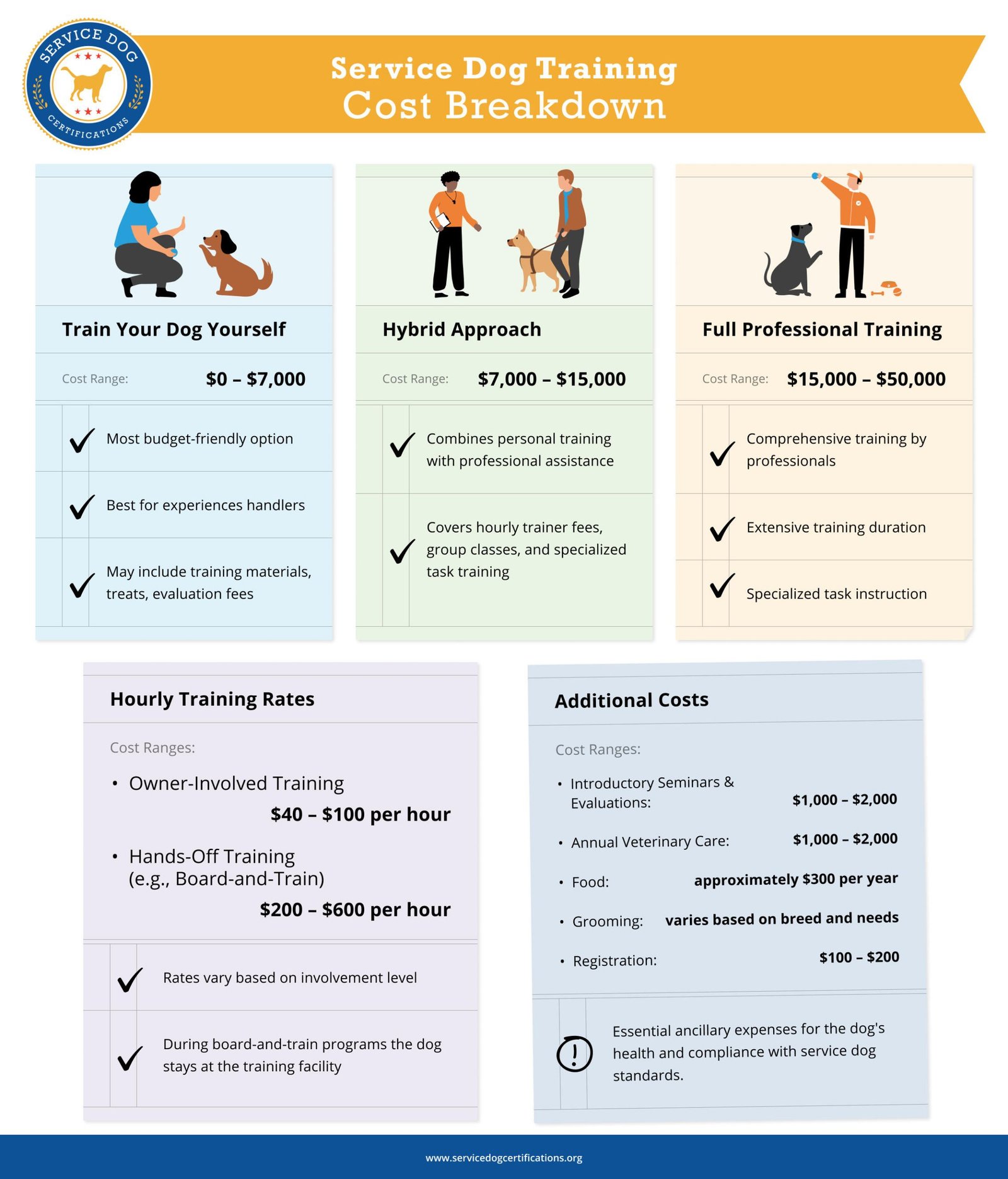
Specialized training covers tasks beyond basic obedience, such as agility, service dog skills, or scent detection. These programs are tailored to your dog’s abilities and your goals. They often require more time and investment but offer impressive results.
If you want your dog to assist with disabilities or compete in sports, specialized training is essential. It’s a rewarding process that strengthens your bond while pushing your dog’s limits. What unique talent do you think your dog might have?
Average Price Ranges
Understanding the average costs of dog training helps set a clear budget. Prices vary based on the type of training and location. Knowing these ranges helps choose the best option for your dog.
Group Classes
Group classes usually cost between $30 and $80 per session. These classes last about 45 to 60 minutes. They offer socialization with other dogs and basic obedience training. Group settings keep costs lower by sharing the trainer’s time.
Private Sessions
Private training sessions can range from $45 to $120 per hour. They provide one-on-one attention tailored to your dog’s needs. Trainers focus on specific behavior problems or advanced skills. Private sessions offer faster results but come at a higher price.
Board And Train Programs
Board and train programs typically cost from $1,000 to $3,000 for 2 to 4 weeks. Your dog stays with the trainer full-time during this period. The trainer works on obedience and behavior daily. This option suits busy owners or dogs with serious issues.
Online Training Options
Online dog training ranges from free videos to $200 for complete courses. These offer flexibility to train at home. Video lessons and live coaching are common formats. Online training fits owners who prefer self-paced learning.

Credit: dogwizard.com
Additional Costs To Consider
Getting your dog trained involves more than just the upfront cost of lessons. There are several additional expenses that can add up quickly and impact your overall budget. Knowing what these costs are helps you plan better and avoid surprises along the way.
Training Equipment
Training tools are essential to reinforce good behavior outside of class. Items like leashes, harnesses, clickers, and treat pouches usually aren’t included in the training fee.
You might spend anywhere from $20 to $100 depending on the quality and quantity of equipment you choose. Think about your dog’s size and temperament before buying; a sturdy leash for a large breed will cost more than a basic one for a small dog.
Follow-up Sessions
Training doesn’t end after the initial course. Dogs need ongoing practice to maintain good behavior, which often means booking follow-up sessions or refresher classes.
These sessions can cost between $30 and $75 each. Many trainers offer packages for multiple follow-ups, which could save you money if you plan to continue training long-term.
Travel Expenses
If your trainer isn’t local, travel costs can add up quickly. Gas, parking fees, or public transport fares might not seem like much individually, but they accumulate over multiple visits.
Consider whether your trainer offers virtual sessions or if you can find one closer to home. Have you factored in the time cost of traveling as well? Sometimes saving on travel can make a big difference in your total investment.
Ways To Save On Training
Training your dog can be costly, but saving money is possible. Finding budget-friendly options helps keep your dog well-behaved without overspending. Several strategies make training affordable and effective.
Package Deals
Many trainers offer package deals for multiple sessions. Bundling classes reduces the cost per session. Packages often include follow-up support or extra materials. This option provides consistent training and better results. It’s a smart choice for long-term training needs.
Community Classes
Community centers or local shelters host group training classes. These classes cost less than private sessions. Group settings allow socialization with other dogs. Trainers still provide expert guidance. Community classes offer good value and a friendly environment.
Diy Training Resources
Online videos, books, and apps teach basic dog training. These resources let you train at your own pace. Many are free or very affordable. DIY training requires patience but saves money. It works well for simple commands and manners.
Signs Of Effective Training
Understanding the signs of effective dog training helps you know if the time and money spent are truly paying off. You want to see clear changes in your dog's behavior, open communication with your trainer, and steady progress over time. These indicators ensure that the training is not just a temporary fix but a lasting improvement.
Behavioral Improvements
One of the most obvious signs of successful training is noticeable behavioral changes in your dog. You might see reduced barking, better leash manners, or fewer incidents of jumping on guests. These changes show your dog is learning commands and controlling impulses.
Think about how your dog reacted before training. Are those issues less frequent or gone? Real improvements are consistent, not just occasional good days.
Trainer Communication
A good trainer keeps you in the loop and explains what your dog is learning and why. They should answer your questions clearly and give you practical tips to reinforce training at home. If you feel confused or left out, the training might not be as effective.
Have you been given clear instructions and feedback? Trainers who communicate well help you build confidence and stay motivated through the process.
Consistency And Progress
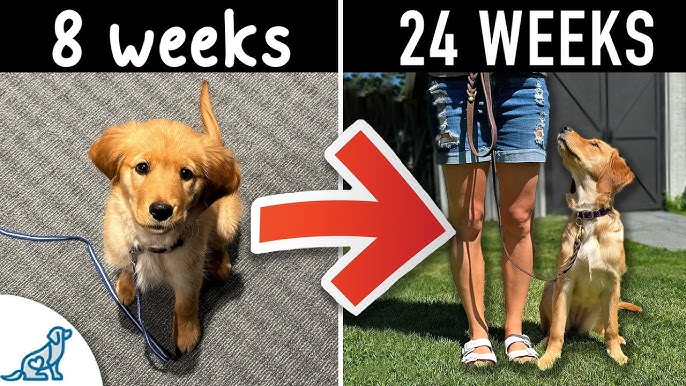
Training doesn’t deliver results overnight, but steady progress is a strong sign it’s working. Your dog should show gradual improvement in obedience and behavior over weeks, not just sudden changes. Consistency in practice and follow-up is key.
Ask yourself if the training sessions and your efforts at home are aligned. Are you both sticking to a routine? Progress often depends on your consistency as much as the trainer’s skill.
Credit: www.youtube.com
Frequently Asked Questions
How Much Does Basic Dog Training Cost?
Basic dog training typically costs between $30 and $80 per session. Prices vary by location, trainer experience, and session length. Group classes are usually more affordable than private lessons. Packages often provide discounts for multiple sessions.
What Factors Influence Dog Training Prices?
Dog training costs depend on the trainer’s expertise, training type, session duration, and location. Specialized training, like behavior correction, usually costs more. Group sessions are cheaper than private ones. Additional services, such as follow-ups, can increase the price.
Are Online Dog Training Programs Cheaper?
Online dog training programs generally cost less than in-person classes. They offer flexible schedules and access to expert advice. However, hands-on guidance is limited, which may affect training outcomes. Prices range from $20 to $200 depending on the course and provider.
Is Professional Dog Training Worth The Cost?
Professional dog training is worth the cost for lasting behavior improvements. It enhances your dog’s obedience, safety, and social skills. Proper training prevents costly behavioral problems later. Investing in a skilled trainer leads to a happier pet and owner.
Conclusion
Training your dog can be a rewarding journey. Costs vary widely based on services. Private lessons might cost more than group classes. Consider your dog's needs and your budget. Investing in training can improve your dog's behavior. It enhances the bond between you and your pet.
Research and compare options before making a decision. Read reviews and ask for recommendations. A trained dog means a happier home. Start today and enjoy a well-behaved companion.