
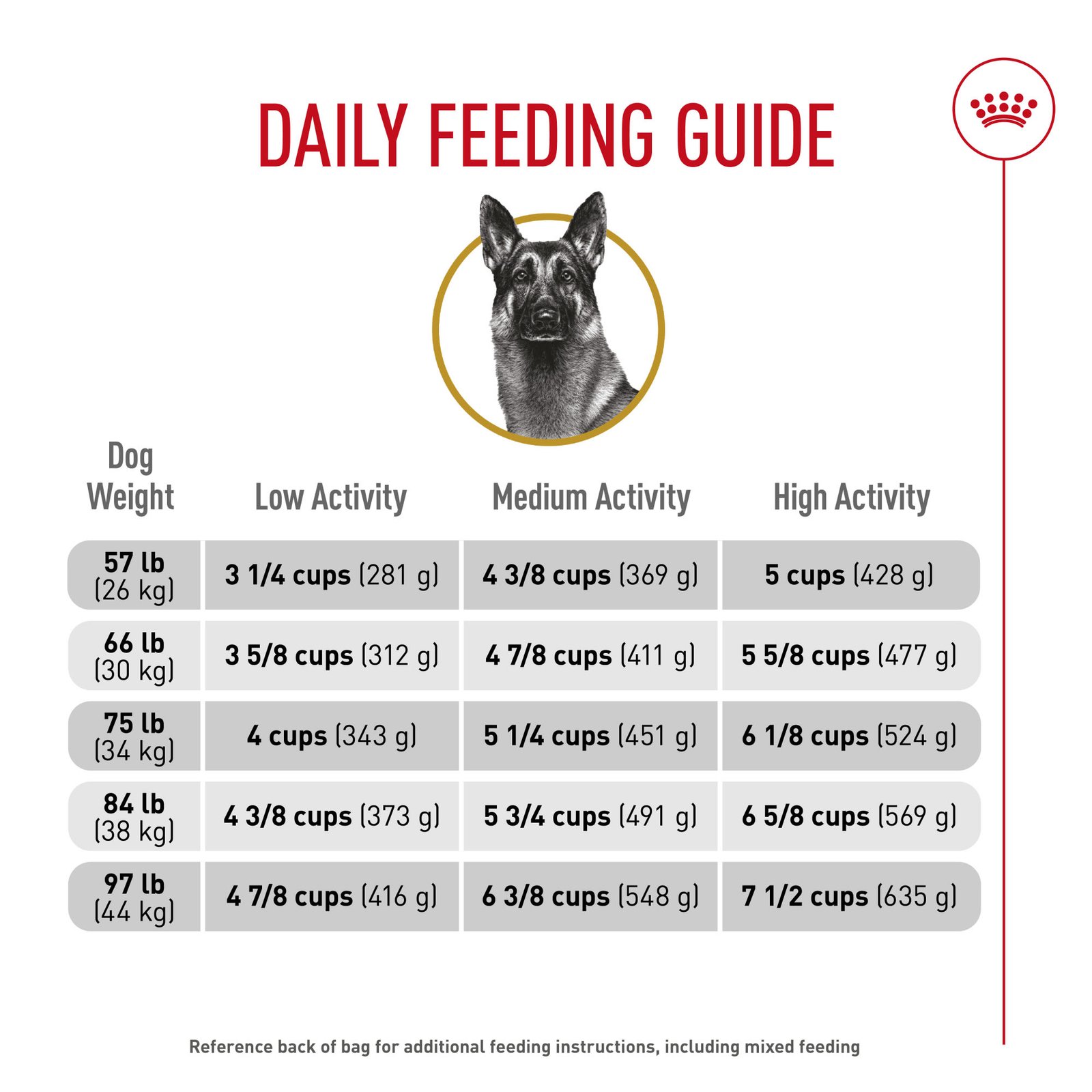
If you have a German Shepherd, you probably wonder, “How much dog food should I give my dog?” Feeding your dog the right amount is more important than you might think. Too little food can leave your dog hungry and weak, while too much can lead to weight gain and health problems.
You want your loyal companion to stay strong, active, and happy. This guide will help you find the perfect balance for your German Shepherd’s meals so you can keep them healthy and full of energy every day. Keep reading to discover simple tips and expert advice that make feeding your dog easy and stress-free.

Credit: www.years.com
Daily Food Requirements
Understanding the daily food requirements of your German Shepherd is key to keeping them healthy and energetic. Feeding the right amount ensures they get enough nutrients without risking weight gain or malnutrition. Let’s break down what influences how much your dog should eat every day.
Calories Needed By German Shepherds
German Shepherds typically need between 1,000 and 1,600 caloriesper day. This range depends on their size, age, and activity level. A more active dog will burn more calories and require extra food to maintain energy.
Think about your dog’s daily routine. Are they running around in the park or mostly resting at home? Adjust their calorie intake based on these observations to avoid overfeeding or underfeeding.
Factors Affecting Food Intake
Several factors influence how much your German Shepherd should eat:
- Metabolism:Some dogs naturally burn calories faster.
- Health conditions:Illness or medications can change appetite.
- Environment:Cold weather may increase energy needs, while warm climates might reduce them.
One of my dogs gained weight quickly when we switched to indoor living during winter. Watching these changes helped me adjust her portions effectively.
Age And Activity Level Impact
Puppies need more calories to support rapid growth, while senior dogs often require fewer calories due to slower metabolism. Active German Shepherds involved in daily exercise or work need significantly more food than those who are mostly sedentary.
Ask yourself: Is your dog a weekend warrior or a couch companion? Matching food intake to their lifestyle prevents health issues and keeps them feeling their best.

Credit: timberwolfpet.com
Portion Sizes By Age
Adjusting your German Shepherd’s food portions according to their age is key to keeping them healthy and energetic. Their nutritional needs shift dramatically as they grow, so understanding how much to feed at each stage can prevent overfeeding or undernourishment. Let’s break down the portion sizes you should aim for depending on whether your dog is a puppy, adult, or senior.
Puppy Feeding Guidelines
Puppies are little energy bombs that need more calories per pound than adults. Typically, a German Shepherd puppy should eat about 3 to 4 meals a day, gradually reducing to 2 meals as they approach six months.
For example, at 8 weeks, they might need around 3 cups of high-quality puppy food daily, split into multiple meals. Watching their growth and body condition will help you adjust these amounts—too much food can lead to rapid growth, which stresses joints.
Adult German Shepherd Portions
Adult German Shepherds generally require between 3 to 4 cups of food per day, split into two meals. Their activity level plays a big role here; active dogs may need more calories, while less active ones require less.
Have you noticed your dog gaining weight despite regular feeding? It could mean you need to adjust portion sizes or switch to a lower-calorie food. Tracking your dog’s weight and energy will guide you in fine-tuning their meals.
Senior Dog Food Amounts
Seniors usually need fewer calories as their metabolism slows down. Feeding about 2.5 to 3 cups daily, divided into two meals, often suits most older German Shepherds.
But this isn’t a one-size-fits-all. If your senior dog is still active, they might require more food. Keep an eye on their weight and coat condition—these clues tell you if you need to increase or reduce their portions.
Choosing The Right Dog Food
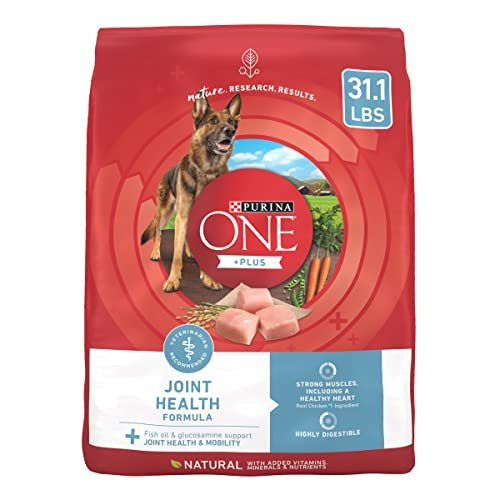
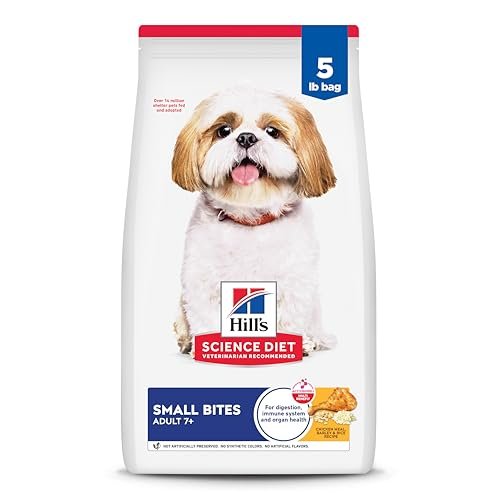
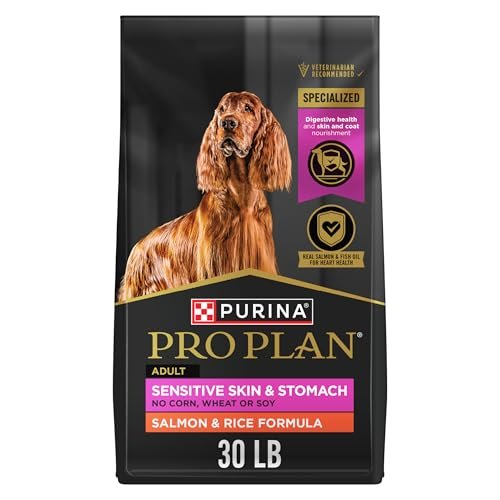
Choosing the right dog food is essential for a German Shepherd’s health and growth. Their size and activity level demand balanced nutrition. Proper food supports strong muscles, a shiny coat, and good energy.
German Shepherds need food that suits their life stage and health needs. Not every dog food meets these requirements. Quality ingredients and correct nutrients make a big difference.
Types Of Dog Food Available
Dry kibble is popular for its convenience and dental benefits. It lasts longer and is easy to store. Wet food has higher moisture, which helps with hydration. It is often tastier and easier to chew.
Raw and homemade diets offer control over ingredients. These need careful planning to avoid nutrient gaps. Each type has pros and cons based on budget and lifestyle.
Nutritional Needs For German Shepherds
Protein is key for muscle repair and energy. Look for foods with meat as the first ingredient. Fat provides energy and supports a healthy coat. Omega fatty acids improve skin and fur condition.
Carbohydrates give energy but should come from quality sources. Fiber aids digestion and keeps stools firm. Vitamins and minerals strengthen bones and immune function. Balance is vital for overall health.
Reading Dog Food Labels
Check the ingredient list carefully. Ingredients appear in order of weight. Avoid foods with fillers like corn or soy as main ingredients. Look for named meats such as chicken or beef.
Guaranteed analysis shows protein, fat, fiber, and moisture levels. Compare these values to your dog’s needs. Look for AAFCO approval, which ensures the food meets standards. Always choose food made for your dog’s age and size.

Credit: gsdcolony.com
Feeding Schedules And Tips
Feeding your German Shepherd the right amount of food at the right times can make a huge difference in their health and happiness. Establishing a clear feeding schedule helps regulate their digestion and energy levels throughout the day. Let’s look at some practical tips to keep your dog’s diet on track.
How Often To Feed Your Dog
Puppies need more frequent meals than adult dogs. Typically, young German Shepherds eat three to four times a day, while adults do well with two meals daily.
Splitting their daily food into two portions can prevent overeating and reduce the risk of bloat, a common concern in large breeds.
Have you noticed your dog begging between meals? That might mean the portions are too small or the feeding times need adjustment.
Signs Of Overfeeding Or Underfeeding
Watch your dog’s body shape and energy levels closely. Excess weight and difficulty moving can signal overfeeding.
On the other hand, if your German Shepherd seems lethargic or their ribs are visible, they might not be getting enough food.
Tracking your dog’s weight weekly can help you catch these signs early and avoid health issues.
Adjusting Portions For Weight Management
Every dog’s needs change with age, activity level, and health. Adjust portions gradually rather than making sudden changes.
If your dog is gaining weight, cut back the food slightly and increase exercise. If they’re losing weight unexpectedly, add a little more food and consult your vet.
Using a kitchen scale to measure food ensures accuracy and keeps your feeding consistent.
Special Considerations
German Shepherds need special care in their diet depending on different life stages and health conditions. Adjusting their food intake helps maintain their health and energy. Paying attention to these special needs supports a longer, happier life for your dog.
Feeding German Shepherds With Health Issues
Health problems can affect how much your dog should eat. Dogs with allergies or sensitive stomachs may need special food. Weight issues require controlled portions to avoid obesity or malnutrition. Always follow your vet’s advice on feeding amounts and types.
Diet Changes During Pregnancy And Lactation
Pregnant or nursing German Shepherds need extra nutrition. Their energy needs rise, so they require more calories and protein. Feeding smaller, more frequent meals helps support their health. Choose high-quality food rich in vitamins and minerals to aid puppies’ growth.
Supplementing Your Dog’s Diet
Supplements can improve your dog’s diet but use them carefully. Common supplements include omega-3 for coat health and glucosamine for joints. Avoid giving human vitamins without vet approval. Supplements should add to, not replace, a balanced diet.
Frequently Asked Questions
How Much Food Does A German Shepherd Need Daily?
A German Shepherd typically needs 3 to 4 cups of high-quality dog food daily. This amount varies by age, weight, and activity level. Puppies and active dogs require more food, while older or less active dogs need less to maintain healthy weight.
What Factors Affect German Shepherd Food Portions?
Age, activity level, metabolism, and health status affect food portions. Puppies need more calories for growth, while seniors need fewer. Active dogs burn more energy and require larger portions. Always adjust food quantity based on your dog’s specific needs and vet advice.
Can Overfeeding Harm My German Shepherd?
Yes, overfeeding can lead to obesity and health problems. Excess weight stresses joints, especially in large breeds like German Shepherds. It increases risks for diabetes and heart disease. Feeding the right portions promotes a healthy weight and longevity.
How Often Should I Feed My German Shepherd Daily?
Adult German Shepherds are best fed twice a day—morning and evening. Puppies usually need three to four meals daily. Regular feeding times support digestion and energy levels. Avoid free-feeding to maintain portion control and prevent overeating.
Conclusion
Feeding your German Shepherd requires attention to detail. Their health depends on it. Choose high-quality dog food for balanced nutrition. Monitor their weight regularly. Adjust portions based on their activity level and age. Consult your vet for personalized advice. They can help with specific dietary needs.
Remember, each dog is unique. Their food intake will vary. Providing proper nutrition ensures a happy and healthy life. A well-fed German Shepherd thrives and stays active. Always prioritize their well-being through mindful feeding practices. Your furry friend deserves the best care and nutrition.