Training your dog to walk off leash is a game-changer for both of you. Imagine the freedom you’ll share as your dog walks calmly by your side, responding to your commands without a leash holding them back.
But how do you get there? It’s easier than you think, and with the right steps, you can build trust and control that lets your dog explore safely and happily. Keep reading, and you’ll discover simple, effective tips that will transform your walks and deepen your bond.

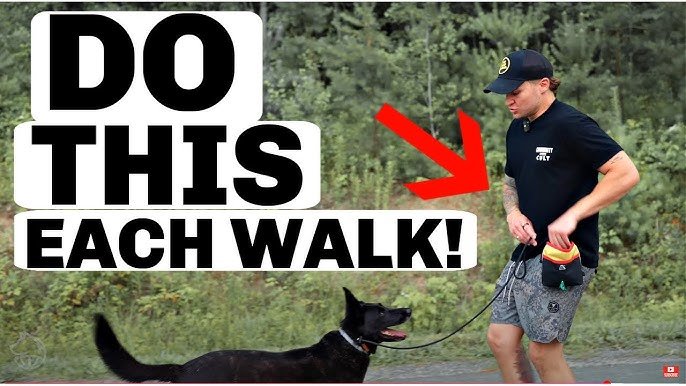
Credit: www.youtube.com
Preparing Your Dog For Off-leash
Preparing your dog for off-leash walking is a crucial phase that sets the foundation for safe and enjoyable adventures. It’s about more than just letting go of the leash—it’s about ensuring your dog is ready to respond, stay calm, and navigate the world confidently without physical restraint.
Assessing Your Dog's Temperament
Before you even think about removing the leash, understand your dog's personality. Does your dog stay calm around distractions, or get easily excited and chase after every squirrel? Some dogs are naturally more independent, while others stick close to their owner no matter what.
Ask yourself: Can your dog handle the freedom without running off or reacting unpredictably? Observing your dog's reactions in different settings helps you decide if they’re ready to try off-leash walking or need more time.
Building Basic Obedience Skills
Off-leash walking demands strong obedience skills. Your dog must reliably respond to commands like “come,” “stay,” and “heel” even when there are distractions around.
Start by practicing these commands during daily walks with the leash on. Gradually increase distractions and reward your dog for following commands promptly. This builds trust and ensures your dog knows to listen no matter what’s happening.
Choosing The Right Environment
The place where you first try off-leash walking matters a lot. Begin in a safe, enclosed area like a fenced yard or a quiet park where distractions are limited.
This controlled environment lets your dog explore freedom while you keep control. As your dog becomes more reliable, slowly introduce more challenging places with more people, animals, and noises.
Essential Commands For Off-leash Control
Training a dog to walk off leash requires clear and reliable commands. These commands ensure your dog stays safe and listens to you at all times. Essential commands build trust and control during off-leash walks. They create a strong bond between you and your dog.
Mastering The Recall Command
The recall command is the most important for off-leash control. It tells your dog to come back to you immediately. Start by calling your dog’s name followed by a simple word like “come.” Use a happy and encouraging tone. Reward your dog with treats or praise when they respond quickly. Practice in a quiet, fenced area to build confidence. Gradually increase distractions as your dog improves.
Teaching Heel And Stay
The heel command keeps your dog walking close to you. It prevents your dog from wandering too far. Use a leash at first and say “heel” while walking. Reward your dog when they stay by your side. The stay command stops your dog from moving. Teach your dog to hold still until you give another command. Use short training sessions and positive reinforcement. This helps your dog learn patience and control.
Introducing Emergency Stop
Emergency stop is a lifesaving command. It tells your dog to stop moving immediately. Use a clear, firm word like “stop” or “freeze.” Practice this command in safe areas with distractions. Reward your dog when they obey quickly. This command helps prevent accidents and keeps your dog safe. It is essential for unexpected situations during off-leash walks.
Step-by-step Off-leash Training
Training your dog to walk off leash requires patience, consistency, and a clear plan. You’ll want to build your dog’s confidence and reliability gradually, ensuring they respond to your commands even without physical control. Here’s a simple breakdown of how to guide your dog from leash walks to off-leash freedom safely.
Starting With A Leash
Begin training in a quiet, familiar area where distractions are minimal. Use a standard leash and focus on basic commands like “heel,” “stay,” and “come.”
Keep sessions short and positive. Reward your dog with treats or praise each time they respond correctly. This builds trust and motivates your dog to pay attention to you.
Have you noticed how some dogs tune out as soon as they see the leash? Your goal is to make leash time enjoyable and focused, so your dog understands you’re in charge.
Gradual Leash Length Increase
Once your dog responds well on a short leash, switch to a longer one—around 15 to 30 feet. This gives them more freedom while still allowing you to maintain control.
Practice commands with the longer leash, rewarding your dog when they come back or stay close. This helps your dog learn to listen even when there’s a bit more space to roam.
Try different environments—like a park or an open field—to add distractions slowly. This step tests your dog’s focus and prepares them for real off-leash scenarios.
Transitioning To Off-leash
Choose a safe, enclosed area for the first off-leash trials. Let your dog explore but call them frequently to reinforce recall commands.
Be ready to attach the leash quickly if your dog gets distracted or wanders too far. Safety should always come first.
Notice how your dog reacts to being off leash. Do they stay close or dart away? This feedback is crucial to decide if more training is needed before full off-leash walks.
Have you ever caught yourself holding your breath, waiting for your dog to come back? That moment teaches you the value of solid training before trusting off-leash freedom.
Safety Tips During Off-leash Training
Training a dog to walk off leash takes time and care. Safety must be a top priority during this process. Keeping your dog safe helps build trust and makes training more effective. Follow these safety tips to create a secure training environment.
Using Safe, Enclosed Areas
Start training in a fenced yard or a dog park designed for off-leash play. Enclosed spaces prevent your dog from running into traffic or other dangers. Make sure the area is free from holes or gaps in the fence. This limits risks and keeps your dog close while learning.
Monitoring Your Dog's Behavior
Watch your dog closely during off-leash time. Look for signs of distraction or stress. Notice if your dog starts to wander too far or ignores your commands. Immediate correction helps keep your dog focused. Be ready to call your dog back if needed.
Avoiding Common Hazards
Keep away from busy roads, wild animals, and toxic plants. Check the ground for sharp objects or broken glass. Avoid areas with strong smells that might lure your dog away. Choose quiet times and places to reduce distractions. These steps reduce accidents and keep training safe.
Troubleshooting Common Challenges
Training a dog to walk off leash can bring many rewards. Yet, challenges often arise during the process. Identifying and addressing these issues early helps maintain progress. Troubleshooting common problems ensures a safer and more enjoyable experience for both you and your dog.
Dealing With Distractions
Distractions pull your dog’s attention away from you. Noises, other animals, or people can cause your dog to wander. Start training in quiet places with few distractions. Gradually increase the difficulty by adding more stimuli.
- Use high-value treats to keep focus.
- Practice short sessions to build attention span.
- Reward your dog for looking back or returning.
Patience is key. Consistent practice helps your dog ignore distractions over time.
Handling Recall Failures
Recall means your dog comes back when called. Sometimes dogs ignore this command. Avoid chasing your dog. This can make recall worse.
- Make recall fun and rewarding.
- Use a happy tone when calling your dog.
- Practice recall in safe, enclosed areas first.
- Give treats or praise immediately after your dog returns.
Keep calls short and positive. Build trust so your dog wants to come back.
Managing Anxiety And Fear
Some dogs feel anxious off leash. Fear can cause them to run away or hide. Watch for signs like trembling or cowering. Create a calm and safe environment for training.
- Start with short, calm sessions close to home.
- Use gentle praise and comfort to build confidence.
- Avoid forcing your dog into stressful situations.
- Consider consulting a trainer or vet if anxiety persists.
Slow, steady progress helps reduce fear and builds trust.

Credit: pupford.com
Maintaining Off-leash Reliability
Maintaining off-leash reliability is crucial once your dog has learned the basics of walking without a leash. It ensures your dog stays safe and responsive in various environments. Consistent effort and attention to your dog’s behavior will keep their skills sharp and dependable.
Regular Practice Sessions
Practice makes perfect, especially with off-leash training. Set aside short, frequent sessions each week to reinforce your dog’s response to commands. Try practicing in different locations like parks, quiet streets, or even your backyard to help your dog adapt to distractions.
During these sessions, keep your dog engaged and motivated. Use treats or toys as rewards to maintain their interest. Have you noticed how some dogs respond better when you change the reward type? Experiment with what excites your dog the most.
Reinforcing Commands Consistently
Consistency in commands is key for reliability. Use the same words and gestures every time you ask your dog to come, stay, or heel. Mixed signals can confuse your dog and weaken their response.
Make sure everyone in your household uses the same commands. If your dog hears different words for the same action, it might delay their reaction or cause mistakes. How often do you check if family members are on the same page with training?
Adjusting Training As Needed
Dogs grow and change, and so should your training methods. If your dog starts ignoring commands or shows signs of distraction, it’s time to tweak your approach. Maybe increase the frequency of practice sessions or change up the rewards to keep your dog motivated.
Also, consider your dog’s age and energy levels. A young puppy may need shorter sessions, while an older dog might require more patience and repetition. Are you paying attention to your dog’s feedback during training to know when adjustments are necessary?

Credit: www.youtube.com
Frequently Asked Questions
How Long Does Leash Training Usually Take?
Leash training varies by dog, but typically takes 4-8 weeks. Consistent daily practice and positive reinforcement speed up progress. Patience and clear commands are essential for success.
What Are The Key Steps To Train Off-leash?
Start with basic obedience, then practice in secure areas. Use recall commands and reward good behavior. Gradually increase distractions and distance before full off-leash freedom.
How Can I Improve My Dog's Recall Command?
Use high-value treats and enthusiastic praise when your dog returns. Practice recall in low-distraction environments first. Increase difficulty slowly to build reliability and trust.
Is Off-leash Training Safe For All Dogs?
Off-leash training is safest for well-trained, obedient dogs in secure areas. Avoid off-leash activities near busy roads or unfamiliar places. Consider your dog’s temperament and environment before training.
Conclusion
Training your dog to walk off leash takes time and patience. Start with small steps in a safe, enclosed area. Gradually increase freedom as your dog learns. Consistent commands and rewards help reinforce good behavior. Always watch for distractions that could tempt your dog away.
Practice regularly to build confidence and trust. Safety is key, both for your dog and others. Remember, each dog learns at their own pace. Patience and consistency are your best tools. Celebrate small victories along the way. Soon, you'll enjoy peaceful, leash-free walks together.