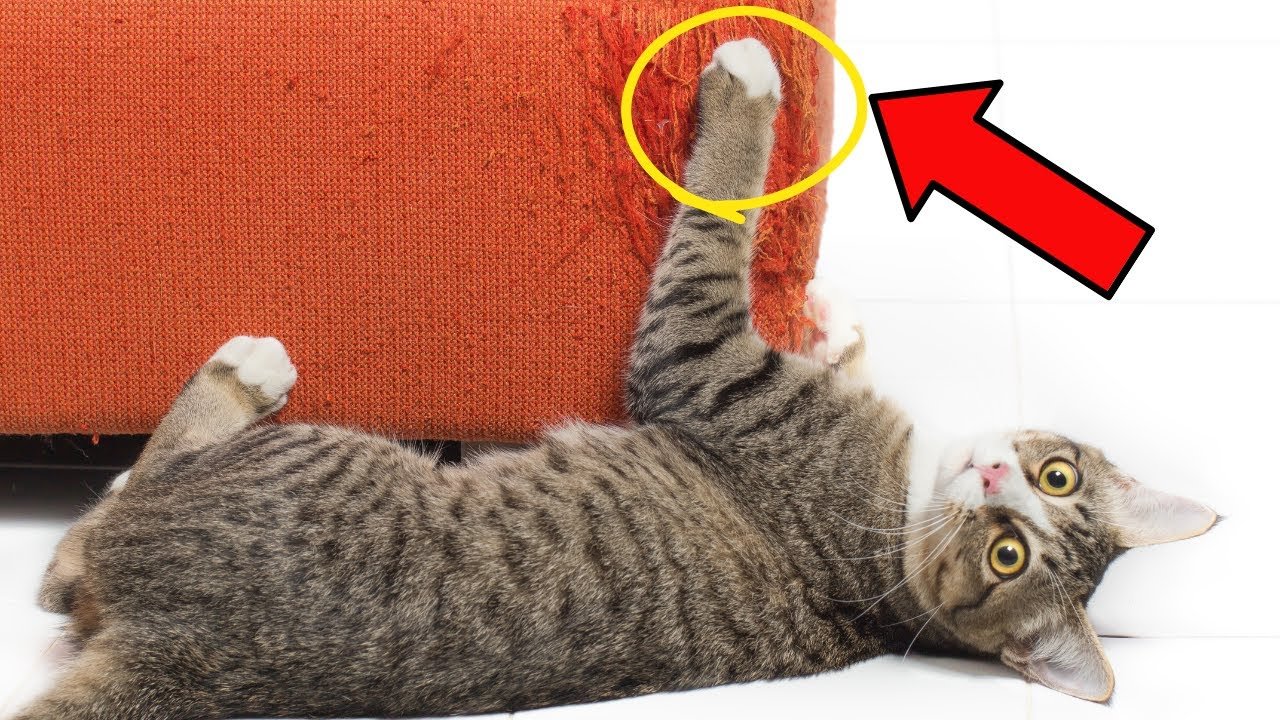
Are your favorite couch corners or cherished curtains falling victim to your cat's relentless claws? It’s a common dilemma for cat owners like you who adore their furry companions but dread the damage left in their wake.
You're not alone in this struggle, and the good news is there are effective ways to redirect your cat's scratching behavior. Imagine a home where your cat scratches only where they’re supposed to, leaving your furniture unscathed. Curious to find out how to make this dream a reality?
Keep reading, because you're about to discover practical tips and insights that will transform your home into a happy haven for both you and your feline friend.

Credit: www.ysdiecut.com
Reasons Cats Scratch
Understanding why your cat scratches is the first step to managing this natural behavior. Cats scratch for various reasons, and recognizing these can help you redirect their energy positively. Let’s look at the main causes behind this instinctive action.
Instinct And Territory
Scratching is a built-in behavior that helps cats mark their territory. They leave both a visual mark and a scent from glands in their paws. This is their way of saying, “This is mine,” which helps them feel secure in their environment.
Have you noticed your cat scratching the same spot repeatedly? This shows how important it is for them to claim and protect their space. Providing acceptable scratching areas can satisfy this need and keep your furniture safe.
Stress And Boredom
Scratching can also be a response to stress or boredom. When your cat feels anxious or has excess energy, scratching becomes an outlet. It can help them release tension and stay mentally stimulated.
Think about your cat’s daily routine. Does it have enough playtime and interaction? If not, adding toys or scheduled play sessions can reduce unwanted scratching caused by frustration.
Nail Maintenance
Cats scratch to keep their nails sharp and healthy. Scratching helps shed the old outer nail layers, preventing overgrowth and discomfort. This natural grooming habit is essential for their well-being.
Do you regularly trim your cat’s nails? Neglecting this care often leads to more intense scratching. Combining nail trimming with providing suitable scratching posts can make a big difference in controlling this behavior.
Identifying Problem Areas
Understanding where your cat likes to scratch the most is key to stopping the behavior. Identifying problem areas helps you protect your furniture and redirect your cat’s energy to better places. Look closely at your home and your cat’s habits to catch the trouble spots early.
Common Household Targets
Cats often scratch places that feel satisfying to their paws or where they can leave their scent. These spots include:
- Upholstered furniture:Sofas and chairs with fabric surfaces are frequent victims.
- Carpet edges and rugs:The texture invites scratching and claw sharpening.
- Door frames and wooden furniture:Cats may choose these for the resistance they offer.
- Curtains and drapes:Often targeted because they hang freely and move when touched.
Does your cat pick one favorite spot, or are they spreading the damage around? Knowing this helps you focus your efforts where it matters most.
Signs Of Excessive Scratching
Not all scratching is bad—it’s natural and healthy for cats. But excessive scratching can signal stress, boredom, or medical issues. Watch for these signs:
- Visible damage in multiple places or worsening damage in one spot.
- Claw marks that go deep into wood or tear fabric.
- Your cat spending a lot of time scratching and appearing frustrated.
- Redness, swelling, or hair loss around the paws or scratching areas.
Have you noticed your cat scratching more since a change in the household? This might be a clue to their emotional state and a reason to intervene quickly.
Providing Appropriate Alternatives
Providing appropriate alternatives helps redirect your cat’s natural scratching behavior. Cats scratch to mark territory, stretch muscles, and remove old claw covers. Offering the right options protects your furniture and keeps your cat happy. The key is to provide appealing and accessible scratching spots that satisfy your cat’s needs.
Choosing Scratching Posts
Pick scratching posts made of materials cats love. Sisal, cardboard, and carpet are popular choices. Tall posts allow full body stretching. Stable posts prevent wobbling, making cats feel secure. Some cats prefer horizontal scratchers. Observe your cat’s preference for best results.
Placement And Variety
Place scratching posts near favorite resting spots and entryways. Cats often scratch after waking or when entering a room. Multiple posts in different rooms increase chances of use. Variety in shape and texture keeps your cat interested. Rotate posts occasionally to maintain curiosity.
Encouraging Use
Use catnip or toys to attract your cat to scratching posts. Praise and gentle petting reinforce positive behavior. Avoid punishment, as it may cause fear or confusion. Trim your cat’s nails regularly to reduce damage. Reward your cat immediately after using the post to create a strong connection.
Deterring Unwanted Scratching
Stopping a cat from scratching unwanted areas can protect your furniture and walls. Cats scratch to mark territory and keep their claws sharp. Redirecting this behavior helps keep your home safe and your cat happy.
Using Protective Covers
Cover furniture edges and walls with tough materials. Clear plastic guards or sticky tape can block access. Cats dislike the texture and avoid scratching these surfaces. Protecting favorite spots helps break the scratching habit.
Applying Safe Deterrents
Use sprays designed to deter cats from scratching. Citrus or herbal scents often work well. Apply these safely on furniture and corners. The smell discourages cats without causing harm. Repeat application keeps the area unattractive to them.
Behavioral Training Techniques
Train your cat to scratch in appropriate places. Use treats and praise when it uses a scratching post. Redirect it gently if it starts scratching furniture. Consistency helps your cat learn good habits faster. Patience and positive rewards build trust and success.
Maintaining Cat's Nail Health
Keeping your cat’s nails healthy is key to stopping unwanted scratching. When nails are well-maintained, your cat is less likely to damage furniture or hurt themselves. Healthy nails also make your cat feel comfortable and reduce stress, which can lower destructive behavior.
Regular Trimming
Trimming your cat’s nails regularly prevents them from becoming too long and sharp. Start by introducing nail trims gently, using a proper cat nail clipper. If your cat resists, try trimming just one or two nails at a time to build their tolerance.
Short nails are less likely to snag on fabrics or cause damage. You might be surprised how much calmer your cat feels with trimmed nails. Have you noticed your cat’s mood change after a trim?
Soft Nail Caps
Soft nail caps are small, safe covers glued onto your cat’s claws. They stop scratching damage without hurting your cat or removing their claws. These caps usually last for several weeks and come in various colors, making them a fun option.
Applying nail caps can be easier than you think if you’re patient and use treats as rewards. Many cat owners find this a great alternative to trimming, especially for cats who scratch a lot. Would you try nail caps to protect your furniture?
Professional Grooming
Sometimes, professional groomers can help manage your cat’s nail health better than DIY efforts. Groomers have experience handling nervous cats and can trim nails quickly and safely. They can also spot nail problems like infections or ingrown nails early on.
Scheduling regular grooming sessions might save you stress and your cat’s claws from becoming a problem. Have you ever noticed a groomer calming your cat during a nail trim? It’s worth considering if you struggle with home trims.

Credit: www.amazon.ca
Enriching Cat’s Environment
Enriching your cat’s environment plays a crucial role in stopping unwanted scratching. Cats scratch to mark territory, stretch muscles, and relieve stress. Offering them a stimulating space can redirect this behavior towards appropriate outlets.
Interactive Toys
Interactive toys keep your cat’s mind and body active, reducing boredom that often leads to scratching furniture. Toys like feather wands, laser pointers, and puzzle feeders engage your cat in play that mimics hunting.
Try rotating toys weekly to keep your cat curious. Have you noticed how your cat gets excited with a new toy? That excitement can help burn off energy and reduce destructive scratching.
Playtime And Exercise
Regular play sessions give your cat a chance to stretch and release energy in a positive way. Aim for short, frequent playtimes instead of one long session.
Use play to encourage climbing and jumping, which naturally satisfy their scratching instincts. Have you tried dedicating 10 minutes in the morning and evening for focused play? It can make a big difference in your cat’s behavior.
Stress Reduction Methods
Stress can trigger excessive scratching. Creating a calm environment helps your cat feel safe and secure.
- Provide cozy hiding spots where your cat can retreat.
- Use calming sprays or diffusers with pheromones designed for cats.
- Keep a consistent routine to reduce anxiety caused by sudden changes.
Observe if your cat’s scratching spikes during stressful times, like visitors or loud noises. Addressing stress directly can ease scratching and improve your cat’s overall happiness.

Credit: www.reddit.com
Frequently Asked Questions
How Can I Stop My Cat From Scratching Furniture?
Provide scratching posts and trim your cat’s nails regularly. Use deterrents like double-sided tape on furniture to discourage scratching. Reward your cat for using appropriate scratching areas to reinforce good behavior.
Why Do Cats Scratch Surfaces Around The House?
Cats scratch to mark territory, stretch muscles, and shed old claw layers. It’s a natural behavior essential for their physical and mental health. Understanding this helps in managing and redirecting scratching habits effectively.
What Types Of Scratching Posts Work Best For Cats?
Vertical posts covered in sisal or cardboard are popular choices. Some cats prefer horizontal scratchers or angled posts. Observe your cat’s preference to provide an appealing and effective scratching surface.
Can Scratching Behavior Be Trained Or Modified?
Yes, consistent training and positive reinforcement help modify scratching behavior. Redirect cats to scratching posts and reward them for using these. Avoid punishment, as it can create fear and worsen behavior.
Conclusion
Stopping a cat from scratching takes time and patience. Provide your cat with good scratching posts nearby. Reward them when they use these posts. Cover furniture with protective materials to avoid damage. Trim your cat’s nails regularly to reduce scratching harm.
Stay calm and consistent with training efforts. Remember, scratching is natural for cats. Redirecting this behavior helps both you and your pet. Keep trying different methods until you find what works best. Your cat will learn good habits with care and attention.