Choosing the right crate size for your dog might seem simple, but it’s more important than you think. If the crate is too small, your dog won’t be comfortable.
Too big, and it could lose its cozy feel or even cause accidents. You want a space that feels safe and just right for your furry friend. You’ll discover exactly how to find the perfect crate size that keeps your dog happy and secure.
Keep reading to make sure you get it right the first time.
Choosing The Right Crate Size
Choosing the right crate size is essential for your dog’s comfort and safety. A crate that’s too small can make your dog feel cramped, while one that’s too large might not provide the sense of security they need. Finding the perfect balance helps your dog feel at ease and makes crate training more effective.
Measuring Your Dog
Start by measuring your dog’s length and height. Measure from the tip of the nose to the base of the tail for length, and from the floor to the top of the shoulders for height.
These measurements give you a clear idea of the minimum size your crate should be. Remember, your dog should be able to stand up, turn around, and lie down comfortably inside the crate.
Growth Considerations
If you have a puppy or a young dog, consider how much they will grow. Buying a crate that accommodates their adult size can save money and hassle later on.
However, avoid crates that are excessively large for puppies, as this can discourage proper potty training. You can use crate dividers to adjust the space as your dog grows, giving them room to move without too much extra space.
Breed Size Guidelines
| Breed Size | Recommended Crate Size |
|---|---|
| Small Breeds (e.g., Chihuahua, Pomeranian) | 18-24 inches long |
| Medium Breeds (e.g., Beagle, Cocker Spaniel) | 24-30 inches long |
| Large Breeds (e.g., Labrador, Golden Retriever) | 36-42 inches long |
| Extra Large Breeds (e.g., Great Dane, Saint Bernard) | 48 inches or longer |
Use these guidelines as a starting point, but always adjust based on your dog’s unique shape and comfort needs. Does your dog prefer curling up or stretching out? Take that into account when choosing the crate size.
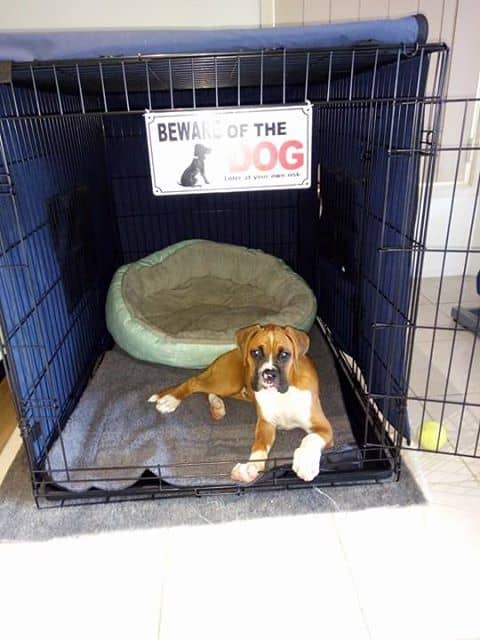
Credit: www.somerzby.com.au
Types Of Dog Crates
Choosing the right type of dog crate is key for your pet’s comfort and safety. Crates come in several styles, each with unique features. Understanding these types helps you pick the perfect fit for your dog’s size and personality.
Wire Crates
Wire crates are sturdy and provide excellent ventilation. They allow your dog to see outside, which reduces anxiety. Most wire crates fold flat for easy storage and travel. These crates often come with a removable plastic tray for cleaning. Wire crates suit dogs who like to watch their surroundings.
Plastic Crates
Plastic crates offer a cozy, enclosed space. They are great for travel and airplane use. These crates block drafts and give your dog a den-like environment. Plastic crates are lightweight but strong and easy to clean. They work well for shy dogs who prefer privacy.
Soft-sided Crates
Soft-sided crates are made from durable fabric and mesh windows. They are lightweight and easy to carry. These crates are best for calm dogs or short trips. Soft-sided crates are not ideal for chewers or dogs that need extra protection. They provide a comfortable, portable option for gentle dogs.
Crate Size Recommendations
Choosing the right crate size helps your dog feel safe and comfortable. The crate should be big enough to let your dog stand, turn around, and lie down easily. Too small feels cramped. Too big may not provide a cozy space. Use these guidelines for the best fit based on your dog’s breed size.
Small Breeds
Small dogs need crates that fit their compact size. A crate around 18 to 24 inches long works well. It gives them room to move without extra space. Examples include Chihuahuas, Pomeranians, and Yorkshire Terriers.
Medium Breeds
Medium dogs require crates about 24 to 30 inches long. This size allows comfortable movement and rest. Breeds like Cocker Spaniels, Bulldogs, and Beagles fit well in this range.
Large Breeds
Large dogs need crates from 30 to 36 inches long. The crate should support their bigger bodies comfortably. Labrador Retrievers, German Shepherds, and Golden Retrievers often need this size.
Extra Large Breeds
Extra large dogs need crates 36 inches or longer. These crates give plenty of space for big dogs to relax. Great Danes, Saint Bernards, and Mastiffs need this size category.

Credit: www.amazon.ca
Adjustable And Expandable Crates
Adjustable and expandable crates offer a versatile solution for dog owners who want a crate that grows with their pet. These crates can be modified in size, making them ideal for puppies transitioning to adulthood or for dogs with changing space needs. Choosing the right adjustable crate means you won’t have to buy new crates as your dog grows or if your living situation changes.
What Makes Adjustable And Expandable Crates Unique?
Unlike standard crates, adjustable crates come with removable dividers or panels that let you change the interior space. This means you can create a snug area for a small puppy and then expand it as your dog gets bigger.
Expandable crates often connect multiple sections, allowing you to increase the total space. This flexibility is perfect if your dog likes to stretch out or if you want to combine the crate with a playpen.
Benefits Of Using An Adjustable Or Expandable Crate
- Cost-effective:You save money by not needing multiple crates as your dog grows.
- Space-saving:Adjust the crate to fit your home’s space, whether it's a small apartment or a large backyard.
- Comfort:Your dog feels secure in a smaller space but can enjoy more room as they mature.
- Multi-functional:Some expandable crates double as play areas or contain sections for toys and food.
Tips For Choosing The Right Adjustable Crate
First, measure your dog’s length and height when standing. Add a few inches to these dimensions to ensure your dog can comfortably move and lie down.
Look for crates with sturdy build quality and easy-to-use adjustment features. You want a crate that won’t wobble or collapse when expanded.
Consider how easy it is to clean and transport the crate. If you travel often, a lightweight and foldable expandable crate might suit your needs better.
Have You Considered Your Dog’s Personality?
Think about how your dog uses their crate. Do they like to stretch out, or do they prefer a cozy corner? Adjustable crates allow you to create a space that matches your dog’s habits.
Some dogs feel safer in smaller spaces, while others enjoy more freedom. Can you adjust the crate to fit your dog's mood and behavior?
Crate Comfort And Safety
Crate comfort and safety create a secure space for your dog. The right crate size supports your dog’s well-being. It should allow easy movement and rest. Proper features prevent stress and injury. Focus on airflow, soft bedding, and strong locks. These elements ensure a safe and cozy environment.
Ventilation And Visibility
Good airflow keeps your dog cool and fresh. Choose crates with wide openings or mesh sides. This prevents stuffiness and overheating. Visibility lets your dog see outside easily. It reduces anxiety and boredom. Proper ventilation also helps prevent bad smells.
Padding And Bedding
Soft bedding cushions joints and bones. Use washable pads or blankets for hygiene. Change bedding often to keep it clean. Avoid thick padding that limits space. A well-padded crate invites your dog to relax and sleep well.
Secure Latches
Strong latches keep your dog safely inside. Check that locks are easy for you to open. Avoid latches your dog can open by accident. A secure crate prevents escapes and injuries. It gives you peace of mind during travel or rest time.

Credit: carlsonpetproducts.com
Common Mistakes To Avoid
Picking the right crate size for your dog might seem straightforward, but many pet owners stumble over common mistakes that affect their dog’s comfort and safety. These errors can lead to stress, accidents, or even damage to your home. Avoiding these pitfalls helps create a positive crate experience for both you and your furry friend.
Choosing Too Small Or Too Large
It’s tempting to pick a crate that’s just big enough or way too spacious, but either extreme can cause problems. A crate that’s too small restricts your dog’s movement, making it uncomfortable and stressful. On the other hand, a crate that’s too large gives your dog space to eliminate in one corner and sleep in another, defeating the purpose of crate training.
Think about your dog’s size while standing, sitting, and lying down. The right crate should give enough room for comfort but not so much that it becomes a playground. Have you noticed your dog avoiding their crate? Size could be the culprit.
Ignoring Growth Spurts
If you have a puppy, buying a crate that fits only their current size is a common misstep. Puppies grow quickly, and a crate that’s perfect today might be cramped in a few months. Yet, buying the largest crate upfront isn’t ideal either—it can overwhelm your puppy and hinder training.
Look for crates with adjustable dividers. These let you expand space as your dog grows while keeping the environment cozy and secure. How can you balance your dog’s current comfort with future needs? Adjustable crates offer a practical solution.
Overlooking Dog’s Behavior
Your dog’s personality and habits play a huge role in choosing the right crate size. Active dogs that like to stretch might need a bit more room, while shy or nervous dogs often feel safer in a snug space. Ignoring these traits can make crate time stressful rather than comforting.
Observe how your dog reacts in different spaces. Do they curl up tightly or sprawl out? Do they enjoy chewing or pacing? Tailoring crate size to behavior helps your dog feel secure and encourages positive crate use. What behavior clues has your dog given you about their ideal crate?
Tips For Crate Training
Crate training helps your dog feel safe and comfortable. It also makes house training easier. Use calm and patient steps to make the crate a happy place. Focus on small, positive experiences to build trust.
Introducing The Crate
Place the crate in a quiet, familiar spot. Leave the door open at first. Let your dog explore the crate on their own. Put treats or toys inside to encourage entry. Avoid forcing your dog inside the crate. Let curiosity lead the way.
Positive Reinforcement
Reward your dog for going into the crate. Use soft praise, treats, or favorite toys. Keep training sessions short and fun. Avoid punishment or negative tones. Make the crate a place your dog wants to return to. Celebrate small successes often.
Creating A Routine
Set consistent times for crate breaks and rest. Use the crate during naps and bedtime. Gradually increase the time your dog spends inside. Stick to a daily schedule for feeding and play. Predictable routines help dogs feel secure. Consistency is key for good crate habits.
Frequently Asked Questions
How Do I Measure My Dog For A Crate?
Measure your dog’s length from nose to tail base and height from floor to shoulder. Add a few inches for comfort. This ensures the crate is spacious enough for your dog to stand, turn, and lie down comfortably.
What Size Crate Is Best For Large Dogs?
For large dogs, choose a crate 36 to 48 inches long. It should allow your dog to stand, turn around, and lie down easily. Size depends on your dog’s breed and weight, so measure carefully before buying.
Can A Crate Be Too Big For A Dog?
Yes, a crate can be too big. Too much space may make dogs feel insecure. Choose a crate just big enough for your dog to move comfortably but not extra space to prevent accidents inside.
Should Puppies Have Smaller Crates Than Adult Dogs?
Yes, puppies need smaller crates to feel secure and cozy. Use a crate with a divider that adjusts as they grow. This helps with potty training and prevents too much space that can cause anxiety or accidents.
Conclusion
Choosing the right crate size is crucial for your dog’s comfort. A cozy crate keeps your dog safe and happy. Measure your dog to ensure the perfect fit. Remember, your dog should stand and turn easily. Crate training helps with security and routine.
It’s important for travel and home use. Too big or too small can cause issues. Aim for a snug, but not tight, fit. Consider your dog’s growth if it’s a puppy. With the right crate, your dog enjoys a peaceful space.
Always prioritize your pet’s needs. Happy dog, happy home.