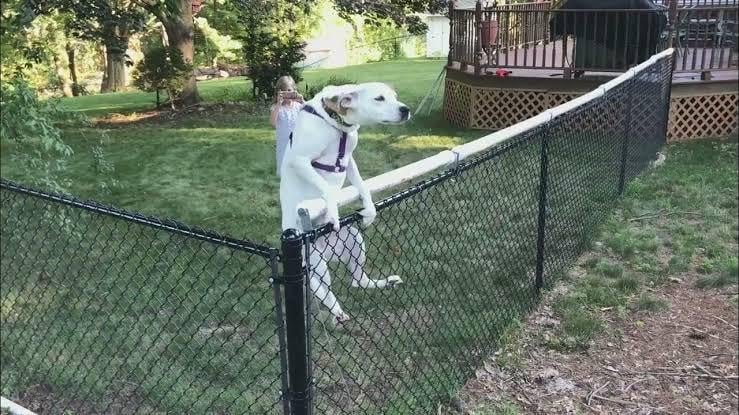
Are you worried about coyotes jumping your fence to get to your dog? You’re not alone.
Many pet owners ask this question because keeping your furry friend safe is a top priority. Understanding whether coyotes can leap over fences helps you protect your dog better. You’ll discover what coyotes are capable of and learn smart ways to keep your dog safe from these wild visitors.
Keep reading to find out how to secure your yard and give yourself peace of mind.
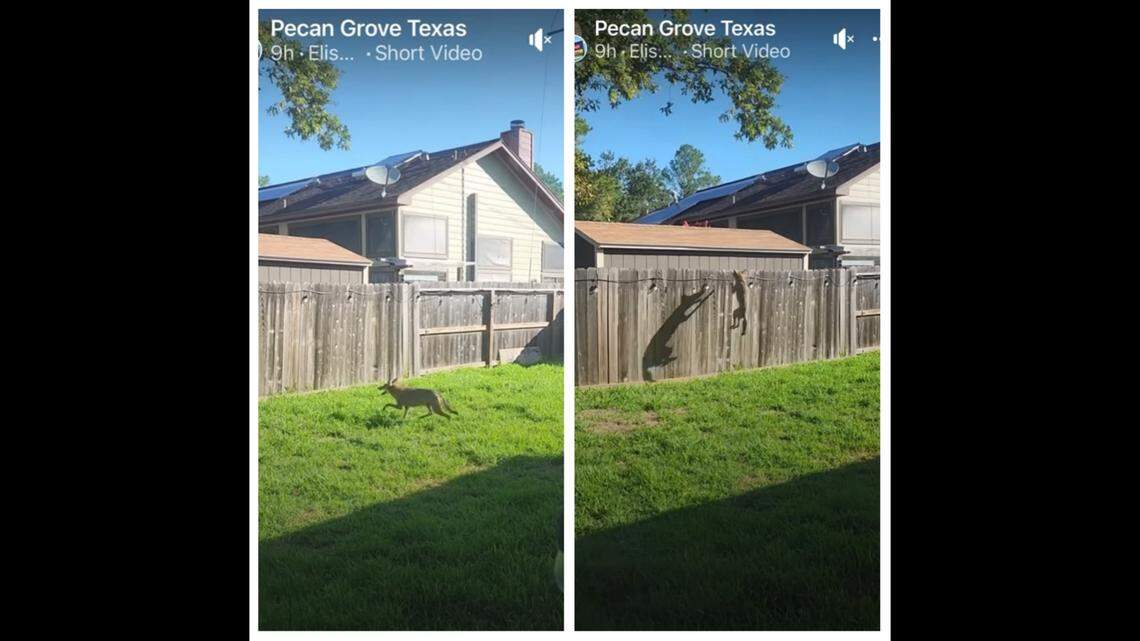
Credit: www.star-telegram.com
Coyote Behavior Near Homes
Coyotes are adapting to live closer to human homes. Their behavior near residences changes due to available food and shelter. Understanding these habits helps protect pets and keep neighborhoods safe. Coyotes may explore yards and fences more often than people think. They watch for easy chances to find food or catch small animals.
Habitat And Territory
Coyotes usually live in wild areas with forests and fields. Urban growth pushes them closer to cities and suburbs. They choose spots with cover like bushes or empty lots. These places offer hiding and resting areas. Coyotes mark their territory with scent to warn others away. Their home range can be several square miles. In towns, they adjust to smaller spaces but keep their territory rules.
Food Sources Around Residences
Coyotes find many food options near homes. They eat small animals like rabbits, squirrels, and rodents. Garbage bins and pet food left outside attract them too. Fruit trees and gardens also provide snacks. Some coyotes learn to hunt pets, especially small dogs and cats. They watch for weak or unattended animals. Feeding habits near homes often influence coyote boldness and risk-taking.
Coyotes And Dogs Interaction
Understanding how coyotes and dogs interact is crucial if you live in an area where these wild animals roam. Coyotes see dogs differently depending on size, behavior, and environment. This interaction can sometimes lead to dangerous situations for your pet, especially when fences are involved.
Predatory Instincts
Coyotes have strong predatory instincts that drive much of their behavior. Smaller dogs, especially those under 30 pounds, can trigger these instincts, making them potential targets. Coyotes often assess whether your dog is prey or a threat based on size and how the dog acts.
It’s not just hunger; territorial instincts also play a role. Coyotes may chase or attack dogs they see as intruders in their space. Have you noticed your dog barking aggressively at nearby wildlife? That reaction can escalate a coyote’s response.
Typical Encounters
Most encounters between coyotes and dogs happen near the edges of neighborhoods or parks. Coyotes are clever and can jump fences if they believe the reward is worth the risk. However, many times they test fences by scent-marking or minor jumps before attempting a full entry.
Owners often report coyotes waiting outside fenced yards or following their dogs on walks. If your fence is less than 6 feet tall or has gaps, coyotes might see it as an easy challenge. Would adding motion-activated lights or noise deterrents around your yard discourage coyotes from approaching?
Understanding these behaviors helps you protect your dog better. Simple measures like supervising outdoor time and securing fences can reduce the risk of these encounters turning dangerous.
Fence Jumping Ability
Understanding a coyote's fence jumping ability is crucial if you want to keep your dog safe outdoors. Coyotes are agile and determined animals, and they won’t hesitate to jump over fences if they see an opportunity to reach a potential target. Knowing how high and what type of fences can deter or allow them to jump in helps you make smarter decisions about your yard’s security.
Physical Capabilities Of Coyotes
Coyotes are surprisingly athletic creatures. They can jump vertically up to 6 feet or more, which means many standard fences won’t stop them. Their lean bodies and strong legs give them excellent balance and power for jumping and climbing.
Think about a time you saw a dog effortlessly leap over a tall gate—that’s similar to what a coyote can do. If you only rely on height without considering their physical skills, your fence may not be enough to keep them out.
Fence Types And Heights
The type and height of your fence play a big role in whether a coyote can get over it. Chain-link fences, especially those under 6 feet, are usually easy for them to climb or jump over. Solid wooden fences without gaps can be more effective but still need to be tall enough.
- Fences 6 feet or taller reduce the chance of a coyote jumping over.
- Adding angled extensions or rolling bars on top can further block their access.
- Electric fences may deter them but require maintenance and power.
Have you considered how your current fence measures up against these standards? Sometimes a small upgrade in fence height or design can make a big difference in preventing unwanted visitors.
Factors Influencing Fence Jumping
Understanding why a coyote might jump a fence to get to a dog involves looking at several key factors. These elements affect the coyote’s decision-making and ability to breach barriers. By examining motivation, dog behavior, and fence conditions, you can better protect your pet and home.
Motivation And Hunger
Hunger is a powerful motivator for coyotes. A starving coyote is more likely to take risks, including jumping fences. If food is scarce in their natural habitat, your dog might seem like an easy target.
But motivation isn’t only about hunger. Coyotes are curious and territorial animals. If they feel threatened or want to defend their space, they might jump a fence to confront a dog.
Dog Size And Behavior
The size of your dog can influence whether a coyote sees it as prey or a threat. Smaller dogs are more vulnerable and often attract more attention. Larger dogs may deter coyotes due to their size and confidence.
Your dog’s behavior also matters. A calm, non-aggressive dog might not provoke a coyote, while barking or chasing can escalate the situation. Have you noticed if your dog’s reactions encourage or discourage wildlife?
Fence Condition And Surroundings
A fence’s height and strength play a huge role in keeping coyotes out. Weak spots, gaps, or low fences are easy for them to bypass. Even a sturdy fence won’t help if there are trees or objects nearby that a coyote can climb on.
Think about your yard’s layout. Is there dense shrubbery or trash that might attract coyotes close to your fence? Removing these can reduce the chances of a fence jump attempt.
Preventing Coyote Attacks On Dogs
Coyotes are clever and persistent animals, especially when they spot a small dog as potential prey. Preventing attacks means staying one step ahead by understanding their behavior and taking solid precautions. Your dog’s safety depends on how well you can reduce easy access and discourage coyotes from approaching.
Effective Fencing Solutions
Not all fences keep coyotes out. A fence should be at least 6 feet tall to discourage jumping, but height alone isn’t enough. Coyotes can climb or dig under fences, so you need to consider additional barriers.
Adding a 45-degree outward angle at the top can make climbing difficult. Burying the bottom of the fence at least 12 inches underground or using a wire mesh apron extending outward prevents digging. Chain-link fences combined with these features work well, while wooden fences may need extra reinforcement.
Additional Deterrents
Fencing isn’t the only tool. Motion-activated lights and sprinklers can startle coyotes when they approach your yard. Noise makers or ultrasonic devices also create an uncomfortable environment for these nocturnal visitors.
Removing food sources like pet food, bird feeders, or garbage reduces attraction. Planting prickly bushes near fence lines creates natural barriers. Have you considered using coyote urine or other scent deterrents? Some pet owners find these effective in sending clear “no trespassing” signals.
Supervision And Safe Practices
Even the best fence can’t replace your vigilance. Always supervise your dog during early morning or dusk walks when coyotes are most active. Avoid letting your dog roam freely in unfenced areas, especially at night.
Training your dog to come when called can be a lifesaver in dangerous situations. Carrying a loud whistle or small air horn on walks can help scare off coyotes quickly. How often do you keep an eye on your dog in potentially risky areas?

Credit: petplaygrounds.com
Real-life Incidents
Coyotes are known for their cleverness and adaptability. They can jump fences if they see a dog as prey or a threat. Real-life incidents show how often this happens and what it means for pet owners. Understanding these events can help keep dogs safe and aware of coyote behavior.
Documented Cases
Several reports confirm coyotes jumping fences to reach dogs. In suburban neighborhoods, coyotes climbed or leapt over fences up to six feet tall. Some dogs were caught off guard during walks or while playing in yards. These encounters sometimes ended with injuries or scares for the pets and owners.
One case involved a coyote jumping a 5-foot fence in a quiet neighborhood. The dog was in the yard alone and chased by the coyote. Thankfully, the dog escaped without serious harm. Another incident showed a coyote scaling a chain-link fence to reach a small dog inside a backyard.
Lessons Learned
- Fences alone may not fully protect dogs from coyotes.
- Adding height or barriers like coyote rollers can deter jumps.
- Supervising dogs outside reduces risk of surprise attacks.
- Removing food sources lowers coyote attraction to yards.
- Understanding coyote habits helps owners prepare for risks.
These real examples stress the need for caution. Protecting pets requires more than just a fence. Awareness and action can reduce dangerous encounters with coyotes.

Credit: www.reddit.com
Frequently Asked Questions
Can Coyotes Jump Fences To Reach Dogs?
Yes, coyotes can jump fences up to 6 feet high. They are agile predators and may try to access dogs if hungry or threatened.
How High Should A Fence Be To Keep Coyotes Out?
A fence should be at least 6 feet tall to deter coyotes. Adding an angled extension or coyote roller increases security.
Do Coyotes Prefer Attacking Dogs Over Other Animals?
Coyotes may target small dogs or pets left outside. They usually avoid humans but see unattended small animals as prey.
How Can I Protect My Dog From Coyote Attacks?
Supervise your dog outdoors, especially at dawn or dusk. Secure your yard with tall fences and remove food attractants.
Conclusion
Coyotes can indeed jump fences to catch dogs. They are agile and persistent. To keep your dog safe, consider taller fences. Six feet or more is ideal. Use coyote-proof measures like rollers or wire. Always supervise your dog outside. Removing food sources helps too.
Coyotes are less likely to linger without easy meals. Stay vigilant, especially at dawn and dusk. These are their active times. Protect your furry friend with awareness and precautions. Your dog's safety is in your hands. Stay informed and prepared.