Have you ever tried to take your dog for a simple walk, only to find they refuse to move on the leash? It’s frustrating, confusing, and maybe even a little embarrassing.
You wonder, “Why won’t my dog walk on a leash? ” You’re not alone. Many dog owners face this challenge, and understanding the reasons behind it can make all the difference. Keep reading, because uncovering these secrets will help you turn every walk into a smooth, enjoyable experience for both you and your furry friend.
Common Reasons Dogs Refuse Leash Walks
Many dogs refuse to walk on a leash for several reasons. Understanding these reasons helps improve your dog's walking experience. Some dogs feel scared or anxious. Others have not learned how to walk on a leash properly. Sometimes, the leash or collar causes discomfort. Past bad experiences can also make dogs avoid walks. Identifying the cause is the first step to fixing the problem.
Fear And Anxiety
Fear is a common reason dogs resist leash walks. Loud noises, busy streets, or strange people can scare them. An anxious dog may freeze, pull back, or refuse to move. This reaction is natural. Dogs want to feel safe. Helping them feel calm makes walks easier.
Lack Of Training
Some dogs do not know how to walk on a leash. Without training, they may pull, stop, or try to run away. Dogs need practice to learn leash manners. Teaching simple commands and rewarding good behavior helps build confidence.
Discomfort With The Collar Or Leash
Collars or leashes that do not fit well cause pain or irritation. A tight collar can choke or hurt the dog’s neck. Some dogs dislike the feeling of certain materials. Checking the fit and trying different types can solve this problem.
Previous Negative Experiences
Bad memories linked to leash walks stop many dogs. They may have been hurt or frightened while on a leash. These memories create resistance and fear. Patience and gentle handling can help your dog trust the leash again.
Signs Your Dog Dislikes Leash Walking
Noticing that your dog resists leash walking can be frustrating and confusing. Understanding the signs your dog dislikes the leash is the first step toward helping them feel comfortable. Pay close attention to their body language and behavior during walks to identify any discomfort or fear.
Pulling Back Or Freezing
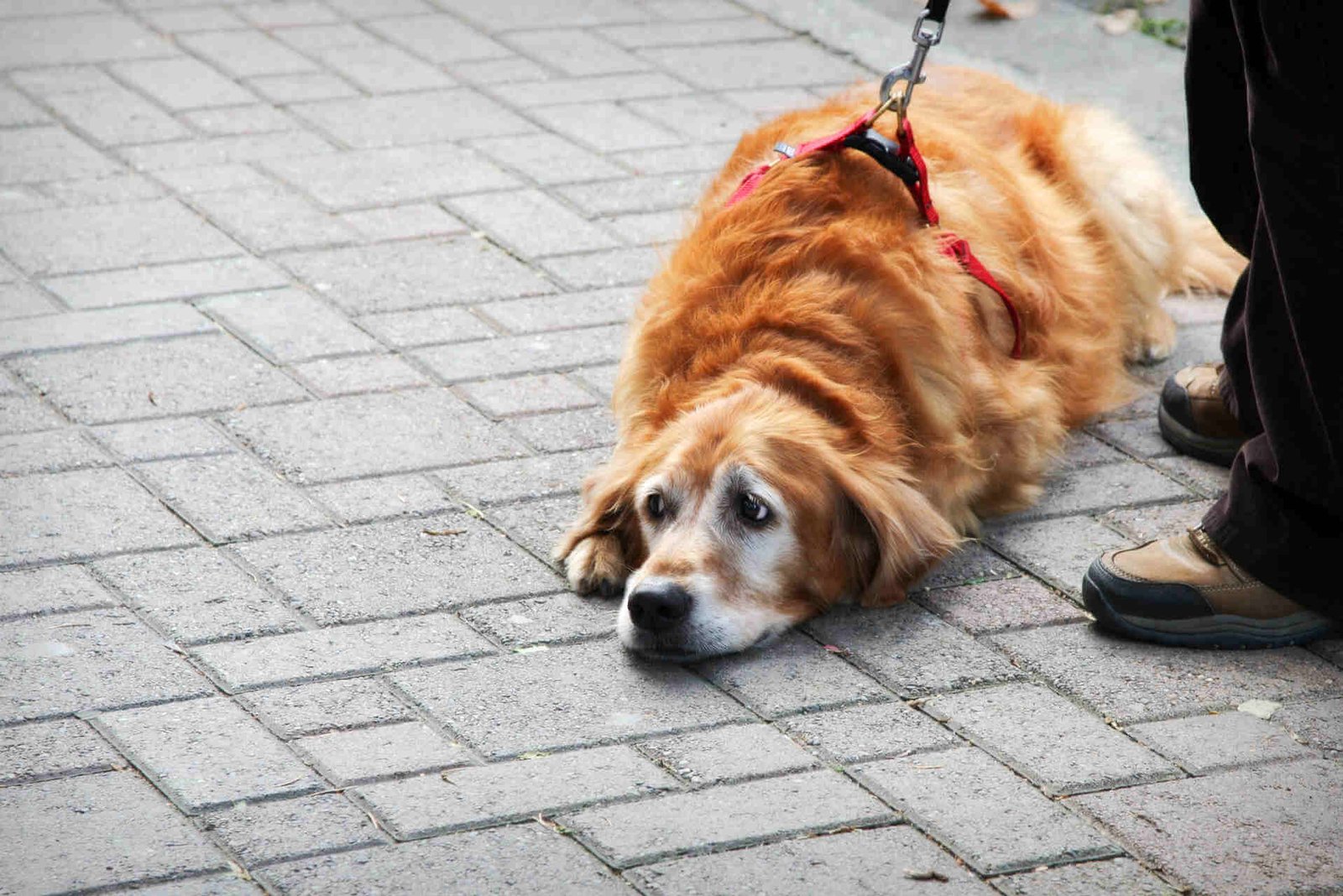
If your dog suddenly stops moving or pulls back sharply when you put on the leash, it’s a clear sign they’re unhappy. This behavior might mean they feel trapped or scared. Have you ever noticed your dog stiffen up or refuse to move forward? That hesitation tells you something isn’t right.
Whining Or Barking
Vocalizations like whining or barking during leash time often indicate stress or frustration. Your dog might be trying to tell you they don’t like the sensation or the restriction. Listening to these sounds can help you catch discomfort early before it turns into bigger problems.
Trying To Escape
Watch out for attempts to slip out of collars or harnesses. Dogs that dislike leash walking may twist, back up, or even bite at the leash to get free. If your dog is constantly trying to escape, it’s a strong sign they’re uncomfortable and possibly fearful of the leash.
Aggressive Behavior
Some dogs respond to leash stress with aggression, like growling or snapping. This reaction is often misunderstood but usually comes from anxiety or feeling cornered. Recognizing this early helps you address the root cause without escalating the situation.
Choosing The Right Leash And Collar
Choosing the right leash and collar is a key step to help your dog feel secure and willing to walk beside you. The right equipment can make a huge difference in your dog’s behavior and comfort during walks. If your dog resists the leash, it might be time to reconsider what you’re using and how it fits.
Types Of Leashes
Leashes come in various styles, each serving a different purpose. A standard flat leash offers control and is easy to handle. Retractable leashes give your dog more freedom but can lead to less control, which might confuse your pet during training.
Think about your dog's size and walking habits. For a dog that pulls, a shorter, sturdy leash might work better. If your dog is calm and responsive, a longer leash can provide more exploration without sacrificing safety.
Collar Options
Choosing the right collar is just as important as the leash. Flat collars are common and good for everyday use. However, if your dog pulls, consider a martingale collar to prevent slipping or a harness to reduce strain on their neck.
Each collar type affects your dog differently. A harness distributes pressure more evenly, which some dogs prefer. But it’s essential to watch how your dog reacts—comfort is key to encouraging leash walking.
Fitting For Comfort
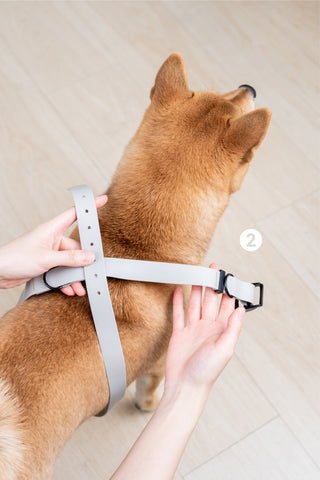
Proper fit can make or break your leash training success. A collar that’s too tight can cause pain and resistance, while one that’s too loose could slip off. Aim for a fit where you can slide two fingers comfortably between the collar and your dog’s neck.
Check the leash attachment point; it should sit comfortably on your dog without pulling to one side. Have you noticed your dog trying to chew or paw at the collar? This often signals discomfort that needs addressing.

Credit: cattledogpublishing.com
Training Techniques To Encourage Leash Walking
Training a dog to walk on a leash takes patience and the right approach. Using gentle techniques helps your dog feel safe and eager to learn. Start with simple steps and build confidence slowly. Creating a positive experience makes leash walking enjoyable for your dog. These training methods focus on trust and clear communication.
Positive Reinforcement
Praise your dog when it behaves well on the leash. Use kind words and gentle petting to show approval. Reward good behavior immediately to make the connection clear. This encourages your dog to repeat the action. Avoid punishment, as it can cause fear and confusion.
Gradual Exposure
Introduce the leash in a calm and quiet place. Let your dog sniff and explore it before putting it on. Start with short walks inside or in a familiar yard. Slowly increase the duration and new places. This helps your dog adjust without stress.
Consistency In Commands
Use simple and clear words for walking commands. Repeat the same commands every time to avoid confusion. Keep your tone calm and firm. Consistent cues help your dog understand what you want. Avoid changing commands during training sessions.
Using Treats And Toys
Offer small treats as rewards during leash training. Choose treats your dog loves and can eat quickly. Use toys to keep your dog interested and motivated. Switch between treats and toys to maintain excitement. This makes learning fun and rewarding.
Addressing Fear And Anxiety On Walks
Fear and anxiety can stop a dog from walking on a leash. Dogs may feel scared of new places, loud noises, or other animals. Their fear shows as pulling back, freezing, or refusing to move. Understanding this fear is key to helping them enjoy walks again.
Calming Methods
Use gentle praise to reassure your dog. Speak in a soft voice and offer treats for small steps forward. Try deep pressure techniques like a snug wrap or calming vest. Practice slow breathing yourself; dogs can sense your calm. Short, frequent walks help build confidence over time.
Creating A Safe Environment
Choose quiet, familiar spots for walks. Avoid busy streets or noisy areas. Bring favorite toys and treats to distract your dog. Keep a relaxed pace and avoid pulling on the leash. Let your dog explore scents at their own speed. A calm space makes your dog feel secure.
Professional Help
Some dogs need extra support from trainers or vets. Look for a trainer who uses positive methods. A vet can check for health issues causing anxiety. Behaviorists can create a plan tailored to your dog. Seeking help shows you care and want the best for your pet.

Credit: pupford.com
Tips For Making Walks Enjoyable
Making walks enjoyable for your dog can transform leash training from a struggle into a bonding experience. Understanding your dog’s preferences and environment helps you create positive associations with walking. Here are some practical tips to help you both look forward to every step outside.
Choosing The Right Time And Place
Pick a time when your dog is most relaxed, not overly energetic or tired. Early morning or late evening walks often offer cooler temperatures and fewer distractions. Avoid busy streets or loud areas until your dog feels more comfortable on the leash.
Have you noticed how your dog reacts to different surroundings? Quiet parks or familiar neighborhoods can reduce anxiety and encourage calm walking. Experiment with spots that feel safe and inviting to your pet.
Short And Frequent Walks
Start with brief walks to prevent overwhelming your dog. Five to ten minutes several times a day can build confidence and stamina. Gradually increase the length as your dog becomes more comfortable.
This approach worked with my own dog, who initially resisted the leash. Short walks helped him associate the leash with fun, not punishment. Could shorter sessions ease your dog’s leash anxiety too?
Engaging Your Dog’s Senses
Use the walk to stimulate your dog’s natural curiosity. Let them sniff around, explore textures like grass or gravel, and listen to different sounds. This sensory engagement makes walks mentally rewarding and less stressful.
Bring along treats or favorite toys to reinforce good leash behavior. Praise and rewards for calm walking help your dog link the leash with positive experiences. What new smells or sights can you introduce to make walks more exciting?
When To Seek Professional Training
Knowing when to seek professional training for your dog's leash issues can save you both time and frustration. Sometimes, the problem goes beyond simple stubbornness or unfamiliarity. Recognizing the right moment to bring in an expert can make all the difference in turning walks into enjoyable outings.
Identifying Serious Behavioral Issues
Not all leash problems are the same. If your dog shows signs of aggression, extreme fear, or panic when on a leash, these are serious behaviors that need professional attention.
Does your dog pull so hard that it causes injury? Or maybe they freeze and refuse to move at all? These behaviors can indicate anxiety or deeper training gaps that you might not be able to handle alone.
Ignoring these signs could lead to worsening problems. It’s important to ask yourself: Is the issue something I can manage, or is it beyond my skills?
Finding The Right Trainer
Not all trainers are created equal. Look for someone who has experience with your dog’s specific issues and uses positive reinforcement methods.
- Check for certifications and client reviews.
- Ask if they offer a trial session or a consultation.
- Make sure their approach matches your values and your dog’s needs.
Choosing the right trainer isn’t just about fixing leash problems; it’s about building a better relationship with your dog. Have you taken the time to research and meet potential trainers?
What To Expect From Training Sessions
Training sessions focus on teaching your dog how to behave calmly and confidently on a leash. They usually start with basic commands and controlled exposure to distractions.
You will learn techniques to reinforce good behavior at home and during walks. Expect gradual progress rather than instant results—patience is key.
Sessions may also help you understand your dog’s triggers and body language better. Are you prepared to commit time and effort to this process for lasting change?

Credit: www.aol.com
Frequently Asked Questions
Why Won’t My Dog Walk On A Leash Calmly?
Dogs may resist leash walking due to fear, lack of training, or discomfort. Gradual training and positive reinforcement help them adjust and feel secure.
How Can I Stop My Dog From Pulling On The Leash?
Use consistent commands and reward loose-leash walking. Stop walking when pulling occurs to teach your dog that pulling halts the walk.
Could Leash Aversion Indicate Health Problems?
Yes, pain or discomfort from injuries can cause leash aversion. Consult a vet to rule out medical issues before training.
How Do I Introduce Leash Training To A Scared Dog?
Start indoors with short, positive sessions. Use treats and praise to build confidence. Gradually increase outdoor exposure and leash duration.
Conclusion
Understanding why your dog won't walk on a leash is key. Patience and practice can improve your dog's comfort. Start with short, positive sessions. Offer treats and praise. Consistency is important in training. Also, consider your dog's health and comfort.
A visit to the vet might be helpful. A well-fitted leash and harness can make a difference. Every dog is unique, so adapt to their needs. Remember, progress might be slow but rewarding. Enjoy the bonding time this training brings.
Your dog will appreciate your efforts and patience. Together, you'll make walking a joy.