Have you ever noticed your dog turning away from his food bowl, leaving you wondering, "Why won’t my dog eat out of his bowl?" It can be frustrating and worrying when your furry friend refuses to eat, especially when you don’t know the reason.
But don’t worry—you’re not alone, and there are simple reasons behind this behavior that you can fix. Keep reading, because understanding what’s going on can help you make mealtime enjoyable again for both you and your dog.

Credit: www.k9sovercoffee.com
Common Causes For Refusal
Dogs may refuse to eat from their bowls for several reasons. Understanding these causes helps solve the problem quickly. It is important to watch for changes in behavior and environment.
Health Issues
Health problems often cause dogs to avoid eating. Pain or discomfort in the mouth can make chewing difficult. Digestive issues might reduce their appetite. Illness or infections also affect eating habits. Consult a vet to rule out health concerns.
Food Preferences
Dogs can be picky about their food. They may dislike the taste or smell of certain meals. Changing the brand or flavor might help. Offering fresh, high-quality food encourages eating. Avoid mixing old and new food types suddenly.
Bowl Cleanliness
Dirty bowls repel dogs from eating. Leftover food smells can be unpleasant for them. Regular cleaning with warm water and soap is necessary. Stainless steel or ceramic bowls are easier to clean. Keep the bowl dry and free from mold.
Bowl Type And Size
Some dogs dislike certain bowl shapes or materials. Plastic bowls can cause allergies or odors. Bowls that are too deep or narrow may be uncomfortable. Try wide, shallow bowls for easy access. Choose a size that fits your dog’s breed and size.

Credit: www.yahoo.com
Environmental Factors
Environmental factors play a big role in your dog's eating habits. The surroundings where your dog eats can make a difference. Dogs are sensitive to their environment. They may avoid their bowl if they feel uncomfortable or unsafe. Understanding these factors can help you encourage better eating behavior.
Feeding Location
The place where you feed your dog matters a lot. Some dogs prefer quiet, calm spaces. A busy area with lots of foot traffic can scare them. A spot near loud appliances or bright lights may also be off-putting. Try moving the bowl to a quieter corner. Observe if your dog eats more comfortably there.
Noise And Distractions
Loud noises can make your dog anxious. Sounds like vacuum cleaners, music, or TV can distract them. Sudden noises might cause your dog to stop eating. Dogs need a peaceful space to focus on their meal. Lowering noise levels during feeding times can help. Keep the area calm and free from interruptions.
Other Pets
Other pets nearby can affect your dog’s eating. Some dogs feel threatened if another pet is close. They may guard their food or refuse to eat. Feeding pets separately can reduce stress. Give each pet their own space and bowl. This helps your dog feel safe and relaxed while eating.
Behavioral Reasons
Dogs can refuse to eat from their bowls due to various behavioral reasons. These reasons often stem from their emotions or past experiences. Understanding these behaviors helps improve their eating habits and overall well-being. Here are some common behavioral causes that might explain why your dog avoids their bowl.
Stress And Anxiety
Stress makes dogs uneasy around their food. Loud noises, new environments, or changes at home can trigger anxiety. A stressed dog may avoid their bowl because it feels unsafe. They may prefer eating in a quiet, calm spot instead.
Past Negative Experiences
Bad memories linked to the bowl can cause avoidance. For example, if a dog was startled near their bowl or experienced pain while eating, they may refuse it. These memories make the bowl a source of fear rather than comfort.
Attention-seeking
Some dogs learn to avoid their bowls to get attention. They may act hungry but refuse to eat in the usual way. Owners often respond by offering treats or hand-feeding, reinforcing this behavior. This can create a cycle where the dog expects extra care during mealtime.
Solutions To Encourage Eating
If your dog refuses to eat from his bowl, it can be frustrating and concerning. The good news is there are several practical solutions to encourage your furry friend to enjoy mealtime again. Adjusting small details can make a big difference in their willingness to eat.
Changing Food And Bowl
Sometimes the issue is as simple as the type of food or the bowl you use. Try switching to a different flavor or texture of dog food to see if that sparks your dog’s interest. You might be surprised how picky dogs can be about their meals.
The bowl itself matters too. Some dogs dislike noisy metal bowls or find plastic ones uncomfortable. Using a ceramic or glass bowl can eliminate strange smells and make eating more pleasant for your pet.
Adjusting Feeding Routine
Is your dog eating at the same time every day? Dogs thrive on routine, but too much consistency can sometimes cause boredom. Try offering meals at slightly different times or limiting the feeding window to encourage appetite.
Also, avoid leaving food out all day. Putting down food for 15-20 minutes and then removing it can create a sense of urgency that encourages eating. Have you noticed if your dog responds better to scheduled meals or free feeding?
Creating A Calm Environment
Noise and distractions can make it hard for your dog to focus on eating. Ensure the feeding area is quiet and away from other pets or children. Your dog needs a safe space to feel comfortable during mealtime.
Some dogs are sensitive to high traffic areas. Moving their bowl to a secluded corner or a room with less activity might help. Watch how your dog behaves and adjust the environment to reduce stress.
Consulting A Veterinarian
If your dog continues to refuse food despite your efforts, it’s important to seek professional advice. Loss of appetite can signal underlying health issues that need attention. A vet can perform a thorough checkup and recommend the best course of action.
Don’t wait too long to get help. Early intervention can prevent more serious problems and get your dog back to feeling healthy and happy at mealtime.
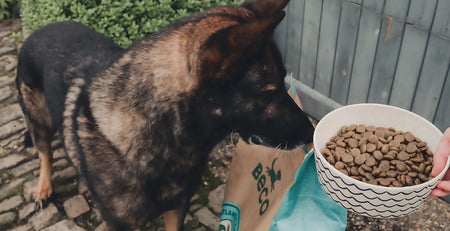
Credit: www.becopets.com
Frequently Asked Questions
Why Won’t My Dog Eat From His Bowl?
Dogs may avoid bowls due to discomfort, bowl type, or negative experiences. Check bowl material, cleanliness, and location to encourage eating.
Could My Dog’s Health Affect Eating Habits?
Yes, illnesses like dental issues or digestive problems can reduce appetite. Consult a vet to rule out medical causes.
Does Bowl Placement Influence My Dog’s Eating?
Yes, dogs prefer quiet, safe spots. Avoid noisy or high-traffic areas to help your dog eat comfortably.
Can Food Type Cause Refusal To Eat?
Yes, dogs may reject certain foods or flavors. Try different dog food brands or flavors to find one your dog likes.
Conclusion
Understanding why your dog avoids the bowl can ease your worries. Simple changes might solve the problem. Try changing the bowl or location. Check the food's freshness. Observe your dog's behavior closely. Consult a vet if needed. Patience and attention are key.
Every dog is unique. What works for one might not work for another. Experiment gently. Your dog will appreciate the effort. Enjoy meal times together once more. Keep their feeding experience positive and stress-free. Happy dog, happy home.