
You’ve worked hard to potty train your dog, so it’s frustrating and confusing when accidents start happening again. You might be wondering, “Why is my potty trained dog having accidents?” It’s not just about bad behavior or stubbornness.
There could be several hidden reasons behind this sudden change. Understanding these causes can help you fix the problem quickly and keep your home clean. Keep reading to discover the common causes and simple solutions that will get your dog back on track.

Credit: rockykanaka.com
Common Medical Issues
Medical problems can cause a potty trained dog to have accidents. These issues affect the dog's ability to hold urine or control bladder muscles. It is important to recognize common medical causes to help your dog feel better fast.
Urinary Tract Infections
Urinary tract infections (UTIs) are common in dogs. They cause pain and frequent urination. Your dog might dribble urine or have accidents inside the house. Other signs include licking the genital area and straining to urinate. A vet can confirm a UTI with a urine test. Treatment usually involves antibiotics and plenty of water.
Bladder Stones And Other Conditions
Bladder stones form when minerals build up in the bladder. They irritate the bladder lining and block urine flow. Dogs with bladder stones may urinate small amounts or have blood in the urine. Other conditions like bladder tumors or nerve problems can cause accidents too. A vet may use X-rays or ultrasound to diagnose these issues.
Age-related Incontinence
Older dogs sometimes lose bladder control. This is called age-related incontinence. Muscles weaken or nerve signals get mixed up. The dog may leak urine during sleep or rest. This condition is common in senior dogs and may need medication or special care. Keeping your dog's bedding clean and checking for accidents often helps manage this problem.
Behavioral Causes
Behavioral causes often play a significant role when a potty trained dog starts having accidents. These accidents are not always about physical health; sometimes your dog’s mind is sending signals you might not immediately recognize. Understanding these behaviors can help you address the root cause and support your dog better.
Stress And Anxiety
Dogs, like people, can feel stressed or anxious, which can disrupt their normal bathroom habits. Changes in the environment, loud noises, or separation from you can trigger these feelings. Have you noticed your dog acting restless or hiding before accidents? These signs could point to anxiety as the reason behind the accidents.
Try creating a calm space for your dog and use comforting routines. Consistency can reduce their stress, helping them regain control over their bathroom habits.
Changes In Routine
Dogs thrive on routine. A sudden change in feeding times, walks, or even your work schedule can confuse your dog. Have you recently changed your dog’s daily schedule? This disruption might cause them to forget their potty training temporarily.
Keep routines as steady as possible, especially during transitions. If changes are unavoidable, gradually introduce them so your dog can adjust without stress.
Marking Territory
Sometimes, accidents are not really accidents but a way your dog marks their territory. This behavior often occurs when a new pet, person, or even a different scent enters your home. Has your dog been more territorial or sniffing around more than usual?
To manage this, increase supervision during these times and redirect your dog’s attention. Offering extra playtime and affection can reduce the urge to mark inside your home.
Training And Environment Factors
Training and environment play a crucial role in your dog's potty habits. Even a well-trained dog can start having accidents if something changes around them or in the way you handle their training. Understanding these factors helps you identify what might be causing the slip-ups and how to fix them effectively.
Inconsistent Training Methods
Dogs thrive on routine and clear expectations. If you switch between different commands or punishments, your dog might get confused about when and where to go potty. For example, using “Go potty” sometimes and “Do your business” other times can puzzle your dog.
Have you ever noticed your dog hesitating before going outside? That could be a sign that your training cues aren’t consistent. Stick to one phrase, reward immediately, and keep your approach steady to build your dog’s confidence.
Lack Of Access To Outdoor Areas
Your dog needs regular and easy access to appropriate potty spots. If they have limited opportunities to go outside, they might start looking for alternative places indoors. Imagine being stuck inside for hours without a bathroom break; your dog feels the same.
Try setting a schedule that allows frequent outdoor trips, especially after meals or naps. Also, consider the weather or safety concerns that might be limiting outdoor time and find indoor potty solutions if necessary.
Confusing Signals From Owners
Your dog watches you closely and picks up on subtle cues. Mixed signals can come from inconsistent body language, tone of voice, or timing of rewards. If you get frustrated or rush your dog outside, they might not understand that it’s potty time.
Think about your own behavior—are you calm and clear when guiding your dog? Practice patience and observe your dog’s signals. This will help you communicate better and reduce accidents caused by confusion.
Diet And Hydration Effects
Diet and hydration can strongly affect a potty trained dog's bathroom habits. Changes in food or water intake may lead to unexpected accidents. Understanding these effects helps manage and prevent such incidents.
Dietary Changes
Switching dog food brands or types may upset your dog’s digestion. New ingredients can cause loose stools or more frequent bowel movements. Sudden diet changes often lead to accidents inside the house. Gradual changes help your dog adjust smoothly.
Excessive Water Intake
Drinking too much water increases urine production. A dog may need to urinate more often than usual. This can cause accidents if bathroom breaks are not frequent. Monitor your dog's water intake, especially in hot weather or after exercise.
Feeding Schedule Impact
The timing of meals affects bathroom patterns. Feeding late at night might cause your dog to need a bathroom break during sleep. Consistent meal times help regulate digestion and urination. Keep feeding schedules regular to reduce accidents.
When To See A Veterinarian
Noticing your potty trained dog having accidents can be frustrating and confusing. Sometimes, these accidents are a sign that it’s time to consult a veterinarian. Knowing when to seek professional advice can prevent minor issues from turning into serious health problems.
Identifying Serious Symptoms
Not every accident means a visit to the vet, but certain signs should raise your concern immediately. If your dog is straining to urinate, has blood in the urine, or seems to be in pain, these are clear red flags.
Watch for changes in drinking habits, lethargy, or sudden behavioral shifts. These symptoms could indicate infections, bladder stones, or other medical conditions needing prompt attention.
Preparing For The Vet Visit
When you decide to take your dog to the vet, preparation can make the visit smoother. Keep a log of when the accidents happen, how often, and any other unusual behaviors.
Bring a fresh urine sample if possible; it helps the vet diagnose infections or other issues quickly. Also, note any medications or dietary changes you’ve made recently.
Treatment Options
Treatment depends on the underlying cause of the accidents. Your vet may prescribe antibiotics for infections or recommend dietary changes for bladder health.
Sometimes, behavior modification or retraining is needed if the cause is stress or anxiety. Surgery is rarely necessary but could be an option for physical problems like bladder stones.
Credit: pethelpful.com
Preventive Measures
Accidents from a potty trained dog can be frustrating, but often they can be prevented with the right actions. Addressing the root causes early helps you avoid repeated messes and stress for both you and your dog. Let’s focus on practical preventive steps that can make a real difference.
Maintaining Consistent Routines
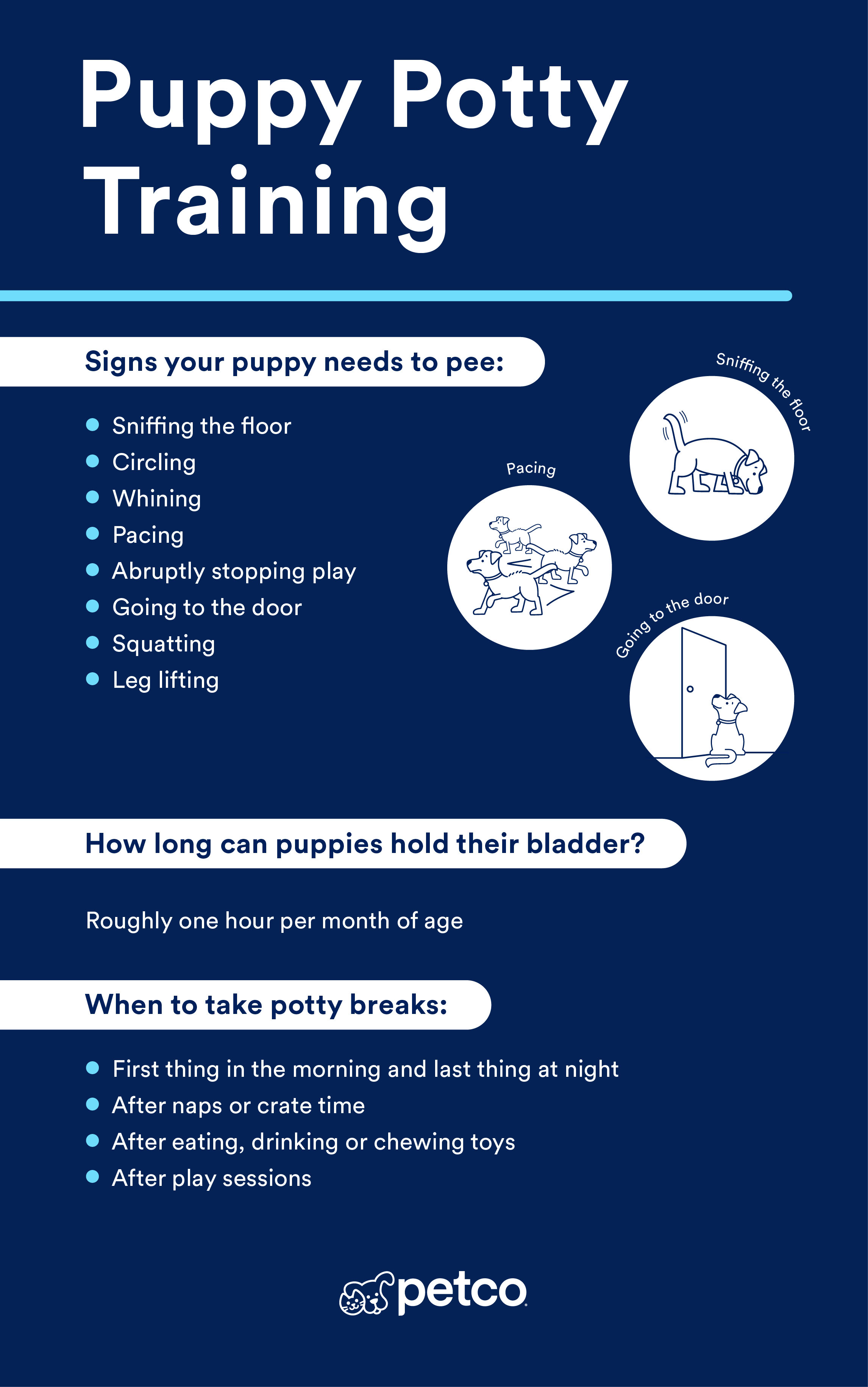
Dogs thrive on routine. Try to take your dog out at the same times every day, especially after meals and naps. This consistency helps your dog anticipate when it’s time to go, reducing accidents.
I noticed a big improvement when I set alarms to remind myself to take my dog out regularly. It’s easy to get busy, but sticking to a schedule keeps your dog’s bladder habits steady.
Regular Health Check-ups
Sometimes accidents signal underlying health issues like urinary tract infections or diabetes. Don’t ignore sudden changes in your dog’s bathroom habits. Regular vet visits can catch problems early before they cause frequent accidents.
If your dog suddenly starts having accidents after being perfectly trained, ask yourself: Has anything changed in their health? A quick vet check can save you a lot of headaches.
Positive Reinforcement Techniques
Reward your dog immediately after they eliminate outside or in the correct spot. Use treats, praise, or playtime as incentives. This encourages your dog to repeat the good behavior.
When I praised my dog right after he went potty outside, he seemed proud and eager to please. Positive reinforcement turns potty training into a fun game rather than a chore.
- Keep rewards consistent and timely
- Be patient and avoid punishment for accidents
- Use clear commands to signal potty time
What small change can you make today to improve your dog’s routine and reduce accidents? Sometimes a little adjustment goes a long way.
Credit: www.petco.com
Frequently Asked Questions
Why Is My Potty Trained Dog Suddenly Having Accidents?
Sudden accidents in potty trained dogs may indicate medical issues, stress, or changes in routine. Consult a vet to rule out infections or bladder problems. Review recent changes in your dog's environment or schedule that might cause anxiety or confusion.
Can Stress Cause Potty Trained Dogs To Have Accidents?
Yes, stress can lead to accidents even in trained dogs. Stressors like moving, new pets, or loud noises disrupt their routine. Managing stress through calming techniques and consistent schedules helps reduce accidents.
How Do Health Problems Affect Potty Trained Dogs?
Health issues like urinary tract infections, kidney disease, or diabetes can cause accidents. These conditions affect bladder control and urgency. Early vet diagnosis and treatment are crucial to prevent ongoing accidents.
What Role Does Aging Play In Potty Accidents?
Older dogs may experience incontinence or cognitive decline, causing accidents. Age-related changes affect bladder control and memory. Regular vet check-ups and supportive care can manage these issues.
Conclusion
Accidents with a trained dog can be puzzling. Stress or health issues may cause them. Check for any changes in routine or diet. Keep an eye on your dog's behavior. A vet visit might be necessary for persistent issues. Training reinforcement can also help.
Remember, patience is key. Dogs rely on our guidance and care. Provide a consistent environment and lots of love. Your furry friend is worth the effort. Understanding the root cause is crucial. Solutions might be simpler than they seem. Stay calm and supportive.
Your dog will feel reassured. Happiness will soon return for both of you.