
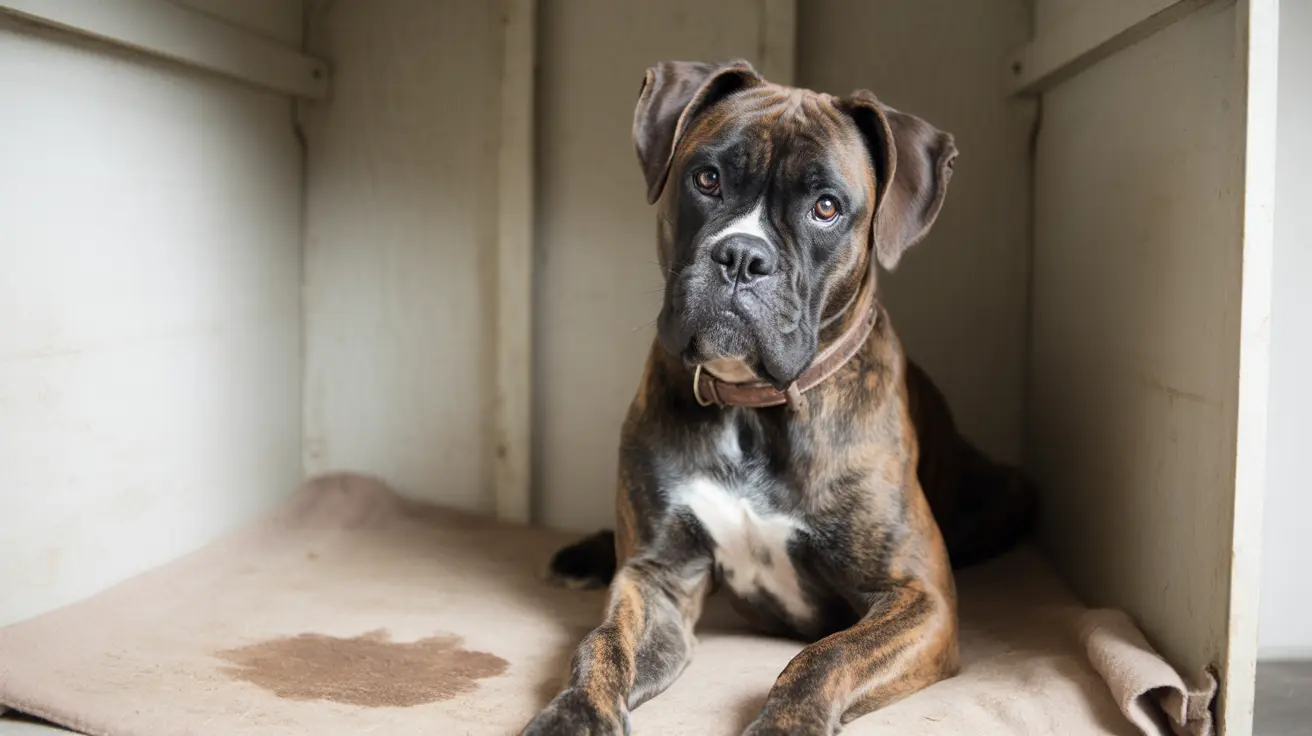
Is your dog pooping in his kennel, leaving you frustrated and confused? You’re not alone.
When your furry friend makes a mess where he’s supposed to feel safe, it can be puzzling and stressful. But don’t worry—understanding why this happens is the first step to solving the problem. You’ll discover the common reasons behind this behavior and simple ways to help your dog feel comfortable and clean in his space.
Keep reading to turn those messy moments into a thing of the past.
Common Reasons Dogs Soil Kennels
Understanding why your dog is pooping in his kennel can be frustrating. There are several common reasons behind this behavior, and identifying the cause is key to finding a solution. Let's break down the usual suspects that might lead your dog to soil his own space.
Medical Issues
Sometimes, your dog might have health problems causing accidents in the kennel. Conditions like urinary tract infections, gastrointestinal upset, or parasites can make it hard for your dog to hold it. If you notice sudden changes in behavior or frequent accidents, a vet visit is essential.
Anxiety And Stress
Dogs often respond to anxiety by soiling their kennels. Separation anxiety, loud noises, or changes in routine can trigger this behavior. Have you noticed your dog pacing, whining, or scratching at the kennel before accidents? These signs suggest stress might be the cause.
Inadequate House Training
Your dog might not fully understand where it is appropriate to eliminate. Puppies and newly adopted dogs often need consistent training to connect the kennel with a clean space. Are you using clear commands and rewarding your dog for going outside? Patience and consistency make a big difference.
Kennel Size And Comfort
A kennel that's too large can encourage your dog to designate a corner as a bathroom area. Dogs naturally avoid soiling where they sleep, but if the space is too big, they might separate the kennel into zones. Make sure the kennel is just big enough for your dog to stand, turn, and lie down comfortably.
Lack Of Regular Bathroom Breaks
Even the best-trained dog needs frequent chances to relieve himself. Holding it too long can lead to accidents in the kennel. How often do you take your dog outside? Establishing a regular bathroom schedule helps prevent kennel soiling and keeps your dog comfortable.
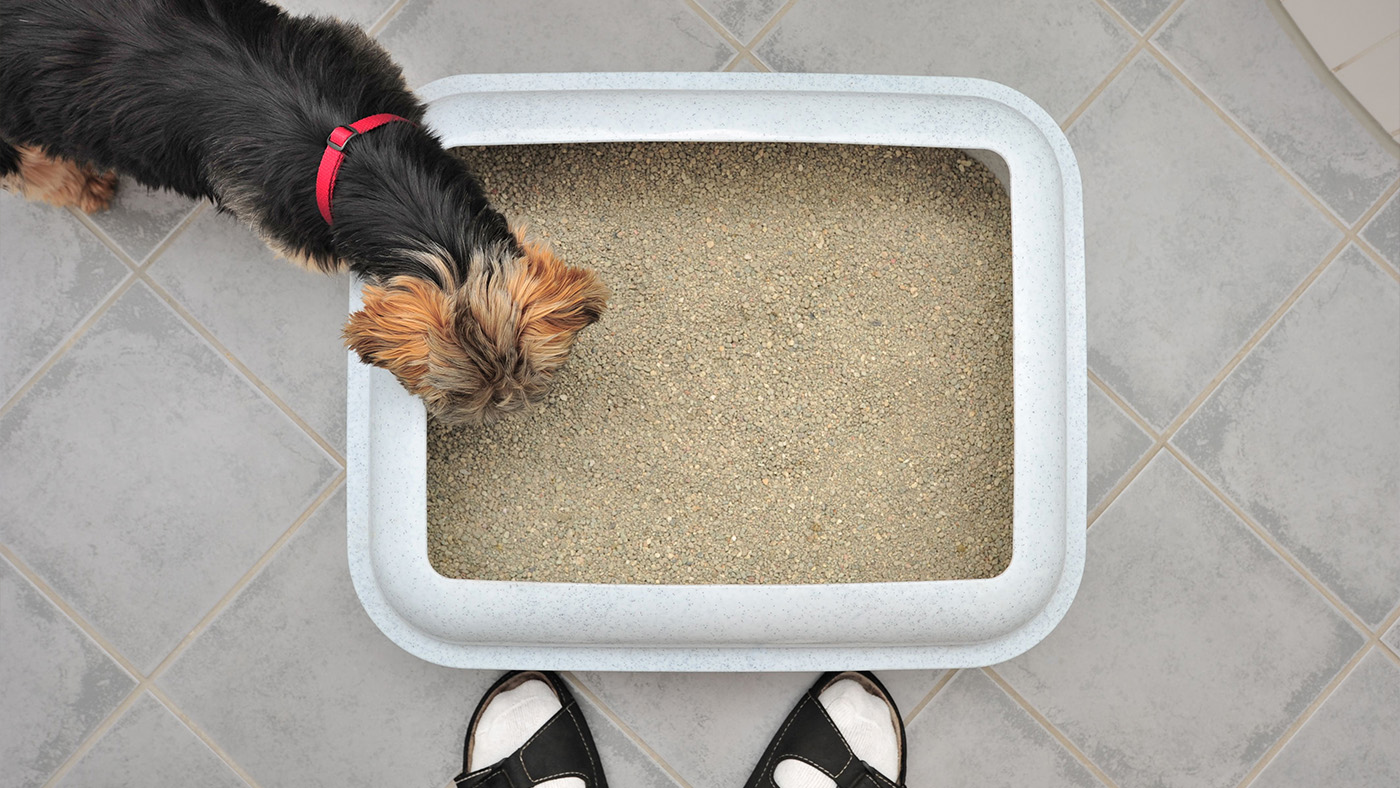
Credit: www.petsradar.com
Health Problems To Rule Out
Noticing your dog pooping in his kennel can be frustrating, but it’s important to consider if there’s an underlying health issue causing this behavior. Before jumping to conclusions about training or discipline, you should rule out possible medical problems. These health concerns often lead to discomfort or urgency that your dog can’t control, making it crucial to address them promptly.
Digestive Disorders
Digestive problems like inflammatory bowel disease or food intolerances can cause your dog to have sudden and uncontrollable bowel movements. If your dog is experiencing frequent diarrhea or stomach cramps, he might find it difficult to hold his poop until he’s outside the kennel.
Have you noticed any changes in your dog’s appetite or stool consistency? These signs can point to digestive issues that need veterinary attention. Treatment might involve dietary changes or medications to ease discomfort and restore normal bathroom habits.
Urinary Tract Infections
Though UTIs mainly affect urination, they can also cause your dog to lose control over his bathroom habits. The irritation and urgency from an infection might cause accidents in the kennel, especially if your dog can’t get out quickly enough.
Look for signs like frequent licking of the genital area, blood in the urine, or signs of discomfort. Early diagnosis and antibiotics can clear up the infection and help your dog regain control.
Parasites
Intestinal parasites such as worms can irritate your dog’s digestive tract, resulting in diarrhea or urgency to defecate. These parasites often cause your dog to feel unwell, which can lead to accidents in his kennel due to sudden urges.
Regular deworming and fecal exams are essential to keep parasites in check. If your dog hasn’t had recent parasite treatment, this might be the hidden cause of his behavior.
Age-related Issues
Older dogs often face cognitive decline or reduced bladder and bowel control, which can lead to accidents in their kennel. Conditions like canine dementia may cause confusion, making it harder for your dog to recognize where to go.
Have you noticed your senior dog becoming more forgetful or restless? These changes might explain why he’s pooping in the kennel. Adjusting his routine and consulting your vet about medications or supplements can improve his quality of life.
Behavioral Causes Behind Kennel Soiling
Dogs may soil their kennels due to various behavioral reasons. Understanding these causes helps address the problem effectively. Behavioral issues often stem from the dog's emotional state and environment. Recognizing these patterns can improve your dog's comfort and hygiene.
Separation Anxiety
Separation anxiety causes stress when dogs are alone. Dogs may soil their kennels to express distress or discomfort. This behavior acts as a coping mechanism for their anxiety. Signs include whining, pacing, and destructive actions along with soiling.
Territorial Marking
Some dogs mark their space to establish ownership. Kennels may become a territory they want to claim. Pooping inside can be a way to send a scent message. This behavior is more common in unneutered males but can affect any dog.
Boredom And Lack Of Stimulation
Dogs need mental and physical activity to stay calm. Boredom leads to restlessness and unwanted behaviors like kennel soiling. Without enough exercise or toys, dogs may act out. Providing enrichment helps reduce this problem significantly.

Credit: www.yahoo.com
Improving Kennel Training
Improving kennel training is key to stopping your dog from pooping in his kennel. A well-trained dog understands that the kennel is a safe and clean space. This makes accidents less likely. Proper training builds trust and comfort for your pet.
Choosing The Right Kennel Size
The kennel must be the right size. Too big, and your dog may use one side as a bathroom. Too small, and your dog feels cramped and stressed. The kennel should be just large enough for your dog to stand, turn around, and lie down comfortably.
Measure your dog’s length and height before buying a kennel. Check product details for size recommendations. A good fit helps your dog see the kennel as a cozy den.
Establishing A Consistent Routine
Dogs thrive on routine. Feed and take your dog outside at the same times each day. Regular bathroom breaks reduce the chance of accidents in the kennel.
Set a schedule for kennel time. Use the kennel mostly for resting or quiet time. This helps your dog associate the kennel with calm and safety, not a place to relieve himself.
Positive Reinforcement Techniques
Reward your dog for good behavior in the kennel. Use treats, praise, or gentle petting. This encourages your dog to keep the kennel clean.
Avoid punishment for accidents. It can create fear and confusion. Instead, clean accidents calmly and redirect your dog to the right spot outside.
Patience and consistency are essential. Celebrate small successes to build your dog’s confidence and good habits.
Creating A Comfortable Kennel Environment
Creating a comfortable kennel environment plays a big role in stopping your dog from pooping inside it. Dogs need a space that feels safe, cozy, and clean. If their kennel feels like a stressful or unpleasant place, they might avoid using it properly.
Proper Bedding And Cleanliness
Soft, clean bedding invites your dog to relax and rest. Avoid materials that irritate their skin or trap odors. Wash bedding regularly to keep smells away, as dogs often avoid soiling areas that smell fresh.
Think about your own space: would you want to stay in a dirty, uncomfortable room? Your dog feels the same way. Cleanliness can be the difference between a kennel that's a refuge and one that becomes a bathroom.
Introducing Toys And Chews
Adding toys and chews can turn the kennel into a fun spot rather than a place of anxiety. Toys distract your dog and reduce boredom, which often leads to unwanted behaviors like pooping inside the kennel.
Try rotating different toys to keep your dog interested. Puzzle toys or chew items that last longer can also help your dog settle down and feel content while inside.
Limiting Time In The Kennel
Spending too much time confined can stress your dog and cause accidents. Dogs don’t like feeling trapped, and long stays in a kennel might push them to relieve themselves there out of discomfort.
Pay attention to your dog’s tolerance and gradually increase kennel time. Frequent breaks for walks and playtime help keep your dog happy and more likely to use the kennel appropriately.
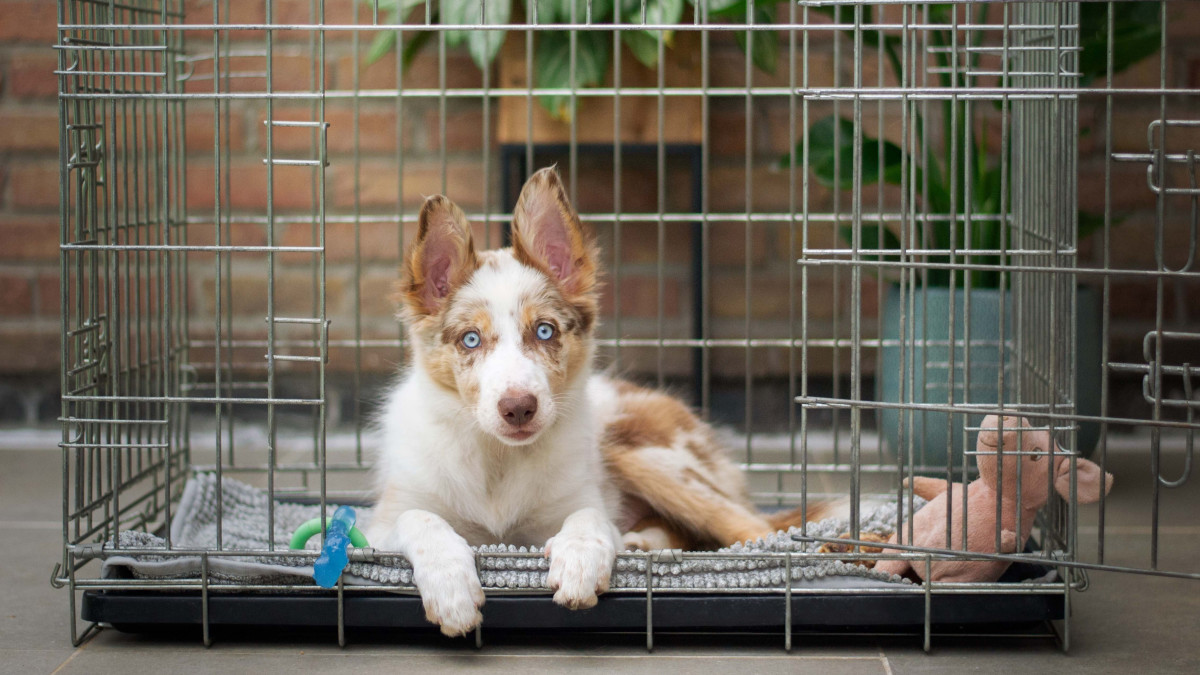
Credit: pethelpful.com
When To Seek Professional Help
Knowing when to seek professional help is key if your dog keeps pooping in his kennel despite your efforts. Some behaviors may signal underlying health or emotional issues that you can’t fix alone. Acting early can prevent frustration and improve your dog’s wellbeing.
Veterinarian Consultation
If your dog suddenly starts pooping in the kennel, a vet visit should be your first step. Health problems like urinary tract infections, digestive issues, or cognitive decline can cause this behavior. Your vet can run tests and recommend treatments that might stop the problem.
Imagine your dog acting out because of pain you didn’t notice. Wouldn’t you want to know? Never ignore sudden changes in bathroom habits—they often mean more than just bad manners.
Working With A Dog Trainer
If health issues are ruled out, a dog trainer can help retrain your dog’s habits. Trainers use positive reinforcement to teach your dog where and when to eliminate. They can also identify if improper kennel training or anxiety is causing the accidents.
Have you tried changing your approach but still see no improvement? A trainer can offer fresh techniques tailored to your dog’s personality and needs. This guidance can save you time and reduce stress for both of you.
Behavioral Specialists
Sometimes, pooping in the kennel points to deeper behavioral problems like separation anxiety or stress. A behavioral specialist digs into these complex issues to find root causes. They provide customized behavior modification plans that address emotional triggers.
Think about how your dog feels when left alone. Could fear or boredom be driving this behavior? A specialist’s expertise can transform your dog’s mental state and bring peace back to your home.
Frequently Asked Questions
Why Is My Dog Pooping In His Kennel Frequently?
Dogs may poop in kennels due to anxiety, medical issues, or improper training. Stress or discomfort can cause this behavior. Check health with a vet and ensure the kennel is clean and comfortable. Proper potty training is crucial to prevent accidents inside the kennel.
Can Kennel Size Affect My Dog’s Bathroom Habits?
Yes, a kennel that's too large may encourage dogs to soil one corner. Dogs prefer to keep their sleeping area clean. Choose a kennel just big enough for your dog to stand, turn, and lie down comfortably to discourage pooping inside.
How Can I Stop My Dog From Pooping In His Kennel?
Consistent potty training, regular bathroom breaks, and positive reinforcement help. Clean the kennel thoroughly to remove odors. Ensure the kennel is cozy and not stressful. Consult a vet if health issues are suspected.
Does Stress Cause Dogs To Poop In Their Kennels?
Yes, stress and anxiety can lead dogs to poop in kennels. Changes in routine or environment may trigger this. Creating a calm, secure kennel space and using calming aids can reduce stress-related accidents.
Conclusion
Understanding why your dog poops in his kennel is crucial. It often signals stress, health issues, or training gaps. Start by observing your dog's behavior. Address any stressors that might be affecting him. Ensure a consistent routine for feeding and bathroom breaks.
Visit the vet if health concerns arise. Patience and kindness are key in solving this issue. Positive reinforcement works wonders. Gradually, your dog will feel more comfortable. A happy, stress-free dog makes a clean kennel. Your efforts will lead to a well-adjusted pet.
Celebrate small victories along the way. Your bond will grow stronger.