Your dog just had a refreshing bath, and you expect them to feel clean and relaxed. Instead, they’re scratching more than ever.
Sound familiar? You're not alone. Many pet owners face this puzzling issue, wondering why their furry friends become itchy after a bath. It's not just a minor inconvenience; it can be frustrating for both you and your pet. But don't worry—there's a reason behind it, and solutions are within reach.
By understanding what's causing your dog's discomfort, you can take steps to keep them happy and itch-free. Read on to discover the surprising causes and effective solutions that will help make bath time a soothing experience for your dog.
Credit: wefeedraw.com
Common Causes Of Post-bath Itchiness
It’s frustrating to see your dog scratching right after a bath. You expect them to feel fresh and clean, not itchy and uncomfortable. Understanding the common causes of post-bath itchiness can help you find the right solution to keep your furry friend happy.
Residual Shampoo And Soap
Sometimes, shampoo or soap doesn’t rinse off completely. Leftover residue can irritate your dog’s skin and cause itching. Make sure you rinse thoroughly, especially under the belly and around the legs where soap tends to hide.
Dry Skin After Bathing
Bathing strips natural oils from your dog’s coat, leading to dryness. Dry skin often feels tight and itchy, making your dog scratch more. Using a moisturizing conditioner or a gentle, hydrating shampoo can help keep their skin soft.
Allergic Reactions To Bath Products
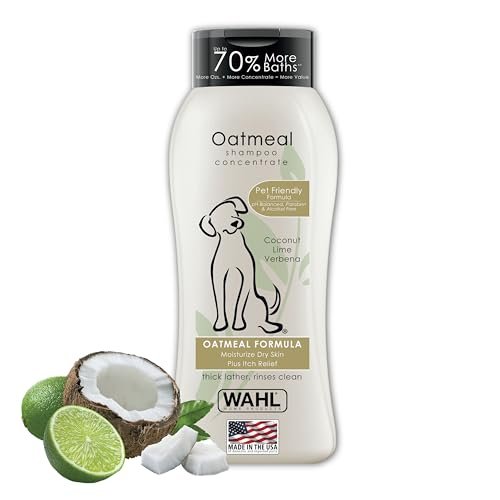
Not all dog shampoos are created equal. Some ingredients can trigger allergies or sensitivities. If your dog starts itching after a bath, consider switching to hypoallergenic or oatmeal-based shampoos designed for sensitive skin.
Water Temperature Effects
Hot water feels good to us, but it can dry out or irritate your dog’s skin. Lukewarm water is best to avoid discomfort. Have you noticed your dog itching more after a hot bath? Try cooler water next time and see if it helps.
Skin Sensitivity In Dogs
Some dogs naturally have more sensitive skin than others. Breeds like Bulldogs or Shar Peis are more prone to skin issues. Pay attention to your dog’s unique skin needs and adjust your bathing routine accordingly to reduce irritation.
Identifying Skin Conditions
Itchy skin after a bath can mean more than just dry skin. Several skin conditions can cause discomfort and itching in dogs. Identifying these issues early helps provide the right care and relief.
Fleas And Parasites
Bathing can expose fleas and parasites hiding in your dog’s fur. Flea bites cause intense itching and redness. Parasites like mites may also irritate the skin. Check for small black dots or tiny moving insects on the coat. Use a flea comb to spot these pests easily.
Hot Spots And Irritations
Hot spots are swollen, red, moist areas on the skin. They often appear after a bath due to scratching or moisture trapped under the fur. These spots are painful and can spread quickly. Keep the area clean and dry to prevent worsening.
Yeast And Bacterial Infections
Warm, wet skin after a bath creates a good place for yeast and bacteria to grow. These infections cause itching, odor, and sometimes scaly skin. Dogs with floppy ears or skin folds are more prone. Watch for unusual smells and redness.
Underlying Allergies
Allergies to shampoo ingredients or water can cause itching. Some dogs react to certain chemicals or fragrances in bath products. Environmental allergies may also flare up after a bath. Observe if itching starts soon after washing or if certain products trigger it.
Bathing Tips To Prevent Itchiness
Bath time should be a refreshing experience for your dog, not a cause of discomfort. Itchiness after a bath often signals that something in your routine needs adjusting. Small changes can make a big difference in keeping your furry friend happy and itch-free.
Choosing The Right Shampoo
Not all shampoos are created equal, especially for dogs with sensitive skin. Look for products that are free from harsh chemicals, fragrances, and dyes. Hypoallergenic or oatmeal-based shampoos often soothe itchy skin effectively.
Think about your dog’s specific needs—are they prone to allergies or dry skin? Tailoring the shampoo choice to these factors can prevent irritation after baths.
Proper Rinsing Techniques
Leftover shampoo is a major cause of post-bath itchiness. Rinse your dog thoroughly until the water runs clear. This ensures no residue stays trapped in their fur or skin.
Use your hand to gently part the fur and check for suds. A second rinse often helps, especially with thicker coats.
Optimal Water Temperature
Water that is too hot or too cold can irritate your dog’s skin. Aim for lukewarm water, which feels comfortable to your own wrist. This temperature helps relax your dog and protects the skin’s natural oils.
Have you noticed your dog flinching or trying to escape during baths? Adjusting the water temperature might be the simple fix you need.
Frequency Of Baths
Bathing your dog too often can strip their skin of essential oils, leading to dryness and itchiness. On the other hand, too few baths can allow dirt and allergens to build up. Finding the right balance depends on your dog’s breed, activity level, and skin condition.
Consider how active your dog is outdoors and whether they roll in dirt or allergens. Could a monthly bath be enough to keep them clean without irritating their skin?

Credit: www.pawparentacademy.com
Quick Relief For Itchy Skin
Itchy skin after a bath can make your dog very uncomfortable. Finding quick relief helps your pet feel calm and happy again. Several simple remedies soothe irritated skin fast. These options support healing and reduce scratching.
Soothing Sprays And Ointments
Soothing sprays and ointments provide immediate comfort. They cool the skin and reduce redness. Look for products with aloe vera or chamomile. These ingredients calm irritation safely. Apply gently to the affected areas. Avoid products with harsh chemicals or strong scents.
Oatmeal Baths
Oatmeal baths help relieve itchy skin naturally. Finely ground oatmeal mixes well in warm water. It creates a soothing bath your dog will enjoy. Let your dog soak for 10 to 15 minutes. This bath reduces dryness and tightness. It also helps remove irritants from the skin.
Moisturizing The Skin
Dry skin worsens itching after a bath. Use a dog-safe moisturizer to keep skin soft. Apply it after your dog dries off. Moisturizers with natural oils work best. They lock in moisture and protect skin. Regular moisturizing prevents future itchiness too.
Consulting A Veterinarian
Persistent itching needs professional attention. A veterinarian can find the exact cause. They may recommend medicated shampoos or treatments. Your vet can check for allergies or infections. Early care prevents more serious skin problems. Always follow the vet’s advice carefully.
Long-term Skin Care Strategies
Long-term skin care is essential to keep your dog comfortable and itch-free. Bathing alone cannot solve skin issues. A consistent routine supports healthy skin and reduces irritation over time.
Skin health depends on more than just cleanliness. It needs regular attention through grooming, diet, and environment. These strategies help maintain a balanced skin barrier and prevent dryness or allergies.
Regular Grooming
Grooming removes dirt, loose hair, and dead skin. It helps distribute natural oils that keep the skin moist. Brushing your dog regularly reduces itching and prevents mats.
- Use a brush suitable for your dog’s coat type.
- Check for signs of irritation or parasites during grooming.
- Keep nails trimmed to avoid scratching injuries.
Balanced Diet For Skin Health
Food affects your dog’s skin condition. A diet rich in omega-3 and omega-6 fatty acids supports skin hydration. Vitamins A, E, and zinc also promote healing and reduce inflammation.
- Choose high-quality dog food with essential fatty acids.
- Consider supplements after consulting your vet.
- Ensure fresh water is always available to stay hydrated.
Environmental Allergens Management
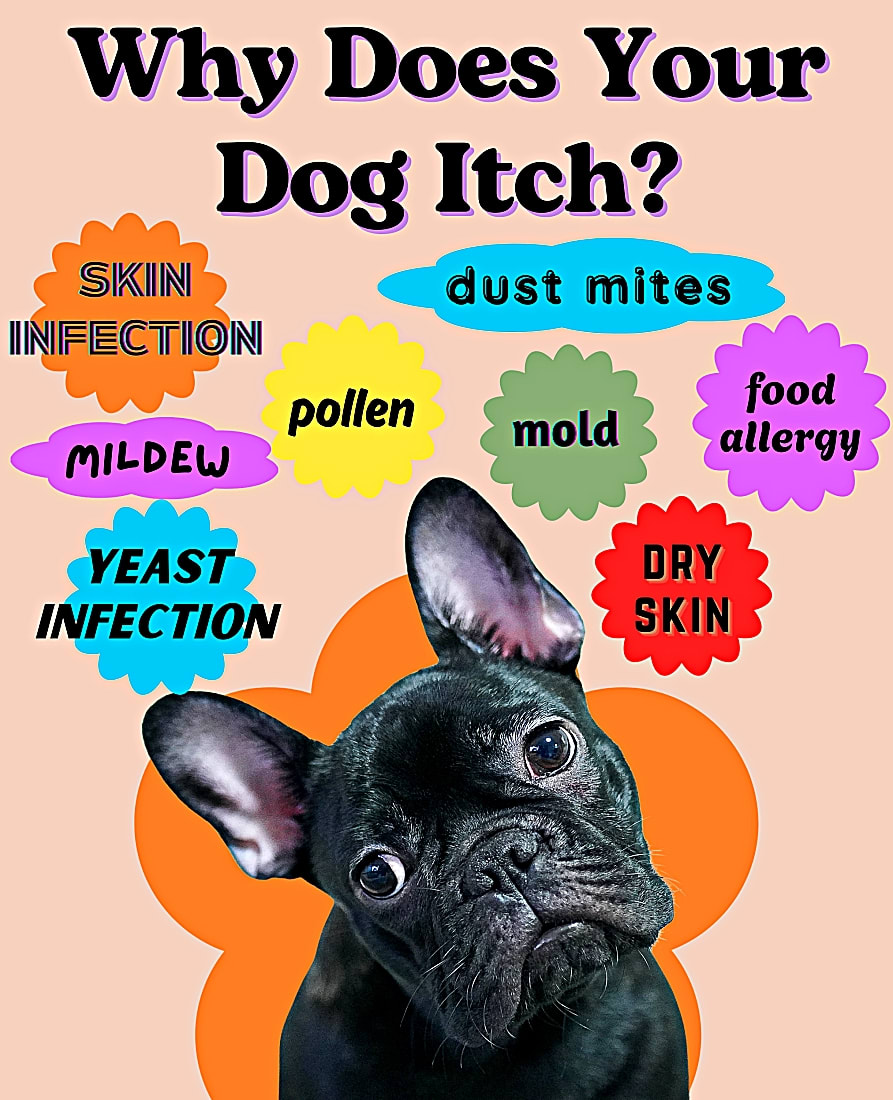
Allergens in your dog’s environment can cause itching after a bath. Dust, pollen, and mold often trigger reactions. Regularly cleaning your dog’s bedding and living space helps.
- Vacuum floors and furniture to reduce dust buildup.
- Wash bedding in hot water weekly to kill allergens.
- Limit outdoor exposure during high pollen seasons.
Monitoring And Adjusting Bath Routines
Bath frequency and products affect your dog’s skin health. Overbathing can strip natural oils, causing dryness and itchiness. Use gentle shampoos designed for dogs’ sensitive skin.
- Bath only as needed, typically every 4 to 6 weeks.
- Rinse thoroughly to remove all shampoo residues.
- Observe your dog’s skin response and adjust accordingly.
Credit: pethelpful.com
Frequently Asked Questions
Why Does My Dog Itch After Bathing?
Dogs can itch after a bath due to dry skin caused by harsh shampoos or water temperature. Their natural oils may be stripped away, leading to irritation and discomfort.
Can Shampoo Cause My Dog To Be Itchy?
Yes, some shampoos contain chemicals or fragrances that irritate a dog’s skin. Using hypoallergenic or dog-specific shampoos helps prevent itching after baths.
How Can I Soothe My Dog’s Itchy Skin Post-bath?
Use moisturizing conditioners or oatmeal-based products to calm your dog’s skin. Ensure the water is lukewarm and rinse thoroughly to remove all shampoo residue.
Is My Dog Allergic To Bath Products?
Allergic reactions to bath products can cause itching, redness, or swelling. Switching to gentle, fragrance-free shampoos often reduces allergic skin responses.
Conclusion
Bath time can sometimes cause your dog to feel itchy. This may happen due to skin dryness or shampoo residue. Choosing the right shampoo helps protect your dog’s skin. Rinsing thoroughly removes any leftover soap. Keep baths regular but not too frequent to avoid irritation.
Watch your dog’s skin after each bath for signs of trouble. Taking these steps keeps your dog comfortable and happy. Remember, a healthy skin means a happy dog. Simple care makes all the difference.