Have you noticed your cat whining for food more than usual? It can be confusing and even a little frustrating when your furry friend won’t stop asking for meals.
You might wonder if they’re just being needy or if something else is going on. Understanding why your cat is acting this way can help you respond in the best way for their health and happiness. Keep reading, and you’ll discover the surprising reasons behind your cat’s constant hunger—and what you can do about it.
Common Reasons Cats Whine For Food
Cats use whining to communicate many needs, especially about food. Understanding why your cat whines for food helps you respond better. This behavior often signals hunger, health problems, or habits developed over time.
Hunger And Meal Timing
Cats whine when they feel hungry or expect a meal. They quickly learn their feeding schedule and remind you when it’s time. Skipping meals or irregular feeding times can increase their whining. Some cats have high energy and need more frequent meals.
Medical Issues
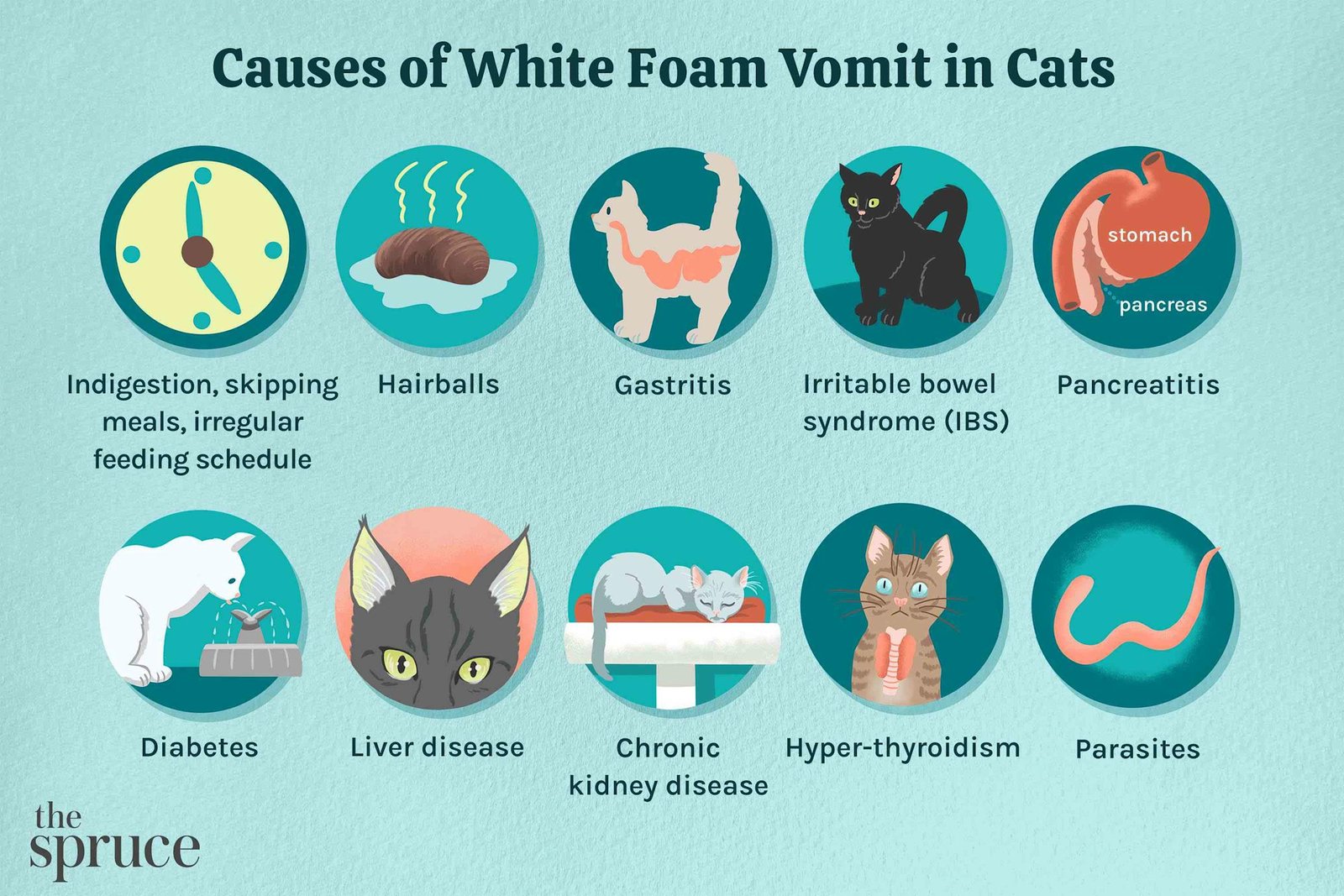
Whining might indicate health problems like dental pain or stomach upset. Conditions such as diabetes or hyperthyroidism increase hunger, causing more vocal requests. If whining is new or intense, a vet visit is important. Early diagnosis can prevent serious illness.
Behavioral Factors
Cats may whine out of boredom or to get attention. They learn that whining often results in treats or petting. Stress and anxiety can also increase vocal behavior. Training and environmental enrichment help reduce whining caused by behavior.

Credit: animals.howstuffworks.com
Hunger And Meal Timing Patterns
Hunger and meal timing play a big role in why your cat may whine for food. Cats rely on routine and regular feeding times. Changes or gaps in their feeding schedule can cause increased vocalization and begging. Understanding these patterns helps address your cat’s behavior effectively.
Irregular Feeding Schedule
Cats thrive on consistency. An irregular feeding schedule can confuse them. They may not know when to expect food. This uncertainty can cause your cat to whine more often. Feeding at the same times daily reduces anxiety and excessive begging.
Growth And Energy Needs
Young cats and kittens need more food. They grow quickly and burn lots of energy. This need makes them hungry more often. Older cats with high activity levels can also require extra meals. Meeting these needs helps keep your cat calm and satisfied.
Recent Diet Changes
Changing your cat’s diet can affect hunger signals. New food might be less filling or less tasty. Cats may ask for food more if they feel unsatisfied. Gradual diet changes help cats adjust without extra hunger cues.
Health Conditions Affecting Appetite
If your cat is whining for food more than usual, it might be more than just a simple case of hunger. Various health conditions can affect your cat’s appetite and cause this behavior. Understanding these health issues can help you recognize when your cat needs more than just a meal.
Dental Problems
Dental pain can make eating uncomfortable or even painful for your cat. If your cat is whining for food but eats only small amounts or drops food from the mouth, dental issues might be the cause. Look for signs like bad breath, swollen gums, or difficulty chewing.
Have you noticed your cat avoiding hard food or pawing at their mouth? These could be clues pointing to dental trouble that needs a vet’s attention.
Digestive Disorders
Digestive problems often lead to changes in appetite and eating habits. Conditions like inflammatory bowel disease or food allergies can cause your cat to feel hungry but also uncomfortable after eating.
Your cat might be whining for food out of hunger, yet experiencing nausea or stomach pain that affects how much they eat. Observing vomiting, diarrhea, or weight loss alongside whining can signal a digestive issue.
Hormonal Imbalances
Hormonal changes can significantly impact your cat’s hunger levels. Conditions such as hyperthyroidism increase metabolism and often cause excessive appetite, making your cat beg for food more frequently.
Does your cat seem restless, lose weight despite eating more, or have a sudden change in behavior? These signs might indicate a hormonal imbalance requiring veterinary diagnosis and treatment.
Behavioral Causes Of Food Whining
Understanding why your cat whines for food often involves exploring their behavior. Cats use whining as a way to communicate needs or emotions. This behavior can develop from different reasons tied to their daily life and interactions.
Attention Seeking
Cats quickly learn that whining gets your attention. They may feel lonely or want more playtime. Whining becomes their way to get you to notice them. This behavior can increase if you respond by feeding or petting them. Cats connect whining with receiving care or treats.
Learned Feeding Habits
Sometimes, cats develop habits based on past feeding routines. If you fed your cat right after whining once, they may repeat it. This teaches them that whining leads to food. Consistency in feeding times helps reduce this behavior. Cats thrive on routine and predictability.
Stress And Anxiety
Stress or anxiety can cause cats to whine more than usual. Changes in their environment or new pets can trigger this. Whining might be their way to seek comfort or reassurance. Identifying and reducing stressors can calm your cat. A peaceful space helps lower anxious behaviors.
How To Address Excessive Food Whining
Dealing with a cat that constantly whines for food can be frustrating. It’s not just about feeding them more but understanding why they behave this way and how to manage it effectively. Addressing excessive food whining involves setting clear boundaries, ensuring health is not an issue, and keeping your cat mentally and physically engaged.
Establishing Consistent Meal Times
Cats thrive on routine. Feeding your cat at the same times every day helps them know when to expect food and reduces anxious whining. Try dividing their daily food allowance into two or three scheduled meals instead of free feeding.
Stick to these meal times strictly. Avoid giving in to whining outside of these times, even if your cat looks at you with pleading eyes. This consistency teaches your cat that food comes only at certain times, not whenever they demand it.
Consulting A Veterinarian
If your cat’s whining seems excessive or unusual, it’s smart to check for medical issues. Conditions like hyperthyroidism, diabetes, or dental problems can increase hunger or discomfort, causing more vocal demands for food. A vet visit can rule out or address these health concerns.
Also, your vet can help determine if your cat’s current diet meets its nutritional needs. Sometimes, a change in food type or quality can reduce constant hunger signals. Don’t ignore persistent whining—your vet’s advice is crucial for your cat’s wellbeing.
Providing Mental And Physical Stimulation
Boredom can make your cat focus obsessively on food. Cats need daily playtime and activities to keep their minds and bodies busy. Try interactive toys, puzzle feeders, or even training sessions that reward your cat with small treats.
Keeping your cat engaged distracts them from constant food requests and helps burn energy. Have you noticed how a tired cat is less likely to beg? Regular exercise can reduce whining and improve your cat’s overall happiness.

Credit: www.reddit.com
Preventing Overeating And Weight Issues
Overeating can quickly lead to weight problems in cats, causing health issues that affect their quality of life. Preventing this starts with understanding how much and what your cat should be eating. Small changes in feeding habits can make a big difference in keeping your feline friend healthy and happy.
Portion Control Tips
Measuring your cat’s food instead of free feeding helps prevent overeating. Use a standard measuring cup to give consistent portions at each meal.
Try dividing daily food into multiple small meals. This can reduce begging and whining for food because your cat feels more satisfied throughout the day.
Watch your cat’s behavior after meals. If begging continues, you might be feeding too little or too much. Adjust portions gradually and observe changes.
Choosing The Right Food
Not all cat foods are created equal. Look for options high in protein and low in fillers like corn or wheat, which can cause hunger spikes.
Wet food can be more filling than dry kibble due to its higher moisture content. Adding wet food to your cat’s diet may reduce their constant hunger signals.
Consider foods designed for weight management. These formulas often have balanced calories and added fiber to keep your cat feeling full longer.
Monitoring Your Cat’s Weight
Keep a regular check on your cat’s weight using a simple scale or by feeling their ribs and waist. Sudden weight changes can indicate health issues.
Record your cat’s weight every few weeks. This helps you notice trends and adjust feeding habits before problems develop.
Ask your vet to help set a healthy target weight. They can also suggest the best feeding schedule and diet based on your cat’s age, activity, and health.

Credit: www.reddit.com
Frequently Asked Questions
Why Does My Cat Whine For Food Constantly?
Cats whine for food to express hunger or seek attention. It can indicate insufficient feeding, boredom, or health issues. Monitoring feeding schedules and portion sizes helps manage this behavior. If whining persists, consult a vet to rule out medical causes.
Can Stress Cause My Cat To Whine For Food?
Yes, stress can trigger food whining in cats. Changes in environment or routine may increase anxiety. Cats may seek comfort by begging for food. Providing a calm space and consistent feeding times reduces stress-related whining.
How Can I Stop My Cat From Whining For Food?
Set a regular feeding schedule and stick to it. Avoid giving extra treats that reinforce whining. Engage your cat in play to distract from food requests. If whining continues, consult a vet to check for health issues.
Is My Cat’s Whining A Sign Of Illness?
Excessive food whining can signal health problems like hyperthyroidism or diabetes. Observe other symptoms such as weight loss or increased thirst. Prompt veterinary evaluation ensures proper diagnosis and treatment.
Conclusion
Understanding your cat's hunger cues is important. Cats may whine for food due to many reasons. Hunger, boredom, or even health issues. Observing their behavior helps identify the cause. Ensure they get balanced meals at regular times. Play with them to reduce boredom.
If whining persists, consult a vet. Addressing the issue benefits both you and your cat. A happy cat means a happy home. So, pay attention to their needs. Your feline friend will appreciate it!