You've just opened a can of your cat's favorite wet food, and instead of the usual purrs and eager meows, you're met with indifference. Your furry friend, who once devoured every morsel, now turns away from the bowl.
Sound familiar? You're not alone. Many cat owners experience this puzzling change in their pet's eating habits. You might be wondering, "Why is my cat suddenly not eating wet food? " It's a question that can stir up concern, frustration, and a bit of curiosity.
Could it be a simple preference shift, or is something more serious at play? We'll uncover the potential reasons behind this sudden change and guide you through what steps to take next. Stay with us to ensure your feline friend is happy, healthy, and well-fed.

Credit: www.weruva.com
Common Reasons Cats Avoid Wet Food
Noticing your cat suddenly avoiding wet food can be worrying. Understanding the common reasons behind this behavior helps you respond effectively. Let’s look at some key factors that might be causing your cat to turn away from their favorite meals.
Health Issues Affecting Appetite
Illness often causes a drop in appetite. Cats might refuse wet food if they feel nauseous, have infections, or suffer from digestive problems.
Pay attention to other signs like vomiting, diarrhea, or lethargy. These symptoms often accompany appetite loss and require prompt veterinary care.
Changes In Food Preferences
Cats can be surprisingly picky and may develop new tastes over time. If you recently changed the brand or flavor of wet food, your cat might not like it.
Sometimes, cats prefer different textures or temperatures. Have you tried warming the food slightly or mixing in a bit of broth to make it more appealing?
Environmental Stressors
Stress can affect your cat’s eating habits significantly. Changes like moving house, new pets, or loud noises might make them anxious and less willing to eat.
Try to create a calm, quiet feeding area and keep mealtime consistent. Have you noticed if your cat eats better in a specific spot or time of day?
Dental Problems
Dental pain often makes eating wet food uncomfortable, especially if it requires chewing. Cats with gum disease or tooth decay might avoid food that feels painful to eat.
Check your cat’s mouth for bad breath, drooling, or pawing at the face. If you spot these signs, a vet visit is essential to address dental issues.
Identifying Health Concerns
When a cat suddenly stops eating wet food, health issues might be the cause. Changes in appetite can signal illness or discomfort. Early recognition of symptoms helps protect your cat’s health. Knowing what signs to watch and when to seek help is vital for your pet’s well-being.
Signs Of Illness To Watch For
- Loss of appetite lasting more than 24 hours
- Vomiting or diarrhea
- Lethargy or unusual tiredness
- Difficulty swallowing or chewing
- Weight loss or sudden change in body condition
- Excessive drooling or bad breath
- Changes in drinking habits
- Visible mouth sores or swelling
When To Visit The Vet
Visit the vet if your cat refuses food for over a day. Immediate care is needed if vomiting or diarrhea occurs frequently. Sudden weight loss or weakness also requires prompt attention. Any signs of pain or difficulty eating mean a vet check is necessary. Early diagnosis can prevent serious health problems. Always trust your instincts about your cat’s condition.
Improving Wet Food Acceptance
Getting your cat to enjoy wet food again can be a bit of a challenge, but it’s definitely possible with some patience and creativity. Cats can be picky, and small changes often make a big difference. Let’s look at some practical ways to improve your cat’s acceptance of wet food.
Switching Brands And Flavors
Your cat might just be bored with the current wet food. Cats have unique taste preferences, and what they loved last month might not excite them today. Try offering different brands or flavors to see if something new sparks their interest.
Look for options with high-quality ingredients and varying textures. Some cats prefer pate-style, while others like chunks in gravy. Have you noticed your cat’s reaction to specific flavors? This can guide you toward what they truly enjoy.
Warming The Food
Warming wet food can make a surprising difference. The heat releases aromas that attract cats, mimicking the smell of freshly caught prey. Just warm the food slightly—about body temperature—to avoid burns or discomfort.
Many pet owners, including myself, found that microwaving wet food for 10-15 seconds made their cats more eager to eat. It’s a simple trick that awakens their appetite. Have you tried this at home yet?
Mixing Wet And Dry Food
If your cat is hesitant about wet food alone, mixing it with dry food can ease the transition. The familiar crunch of dry kibble combined with the moisture of wet food can make mealtime more appealing. Start with a small amount of wet food mixed into their dry food and gradually increase it.
This approach helps cats adjust without feeling forced into a sudden change. It also adds variety to their diet, which might pique their curiosity. Could mixing be the gentle nudge your cat needs to enjoy wet food again?

Credit: www.reddit.com
Addressing Behavioral Factors
Behavioral factors often cause cats to stop eating wet food suddenly. Changes in their surroundings or routine can affect their appetite. Stress, discomfort, or boredom may lead to refusal of wet food. Understanding and addressing these behaviors helps improve your cat’s eating habits.
Creating A Comfortable Feeding Environment
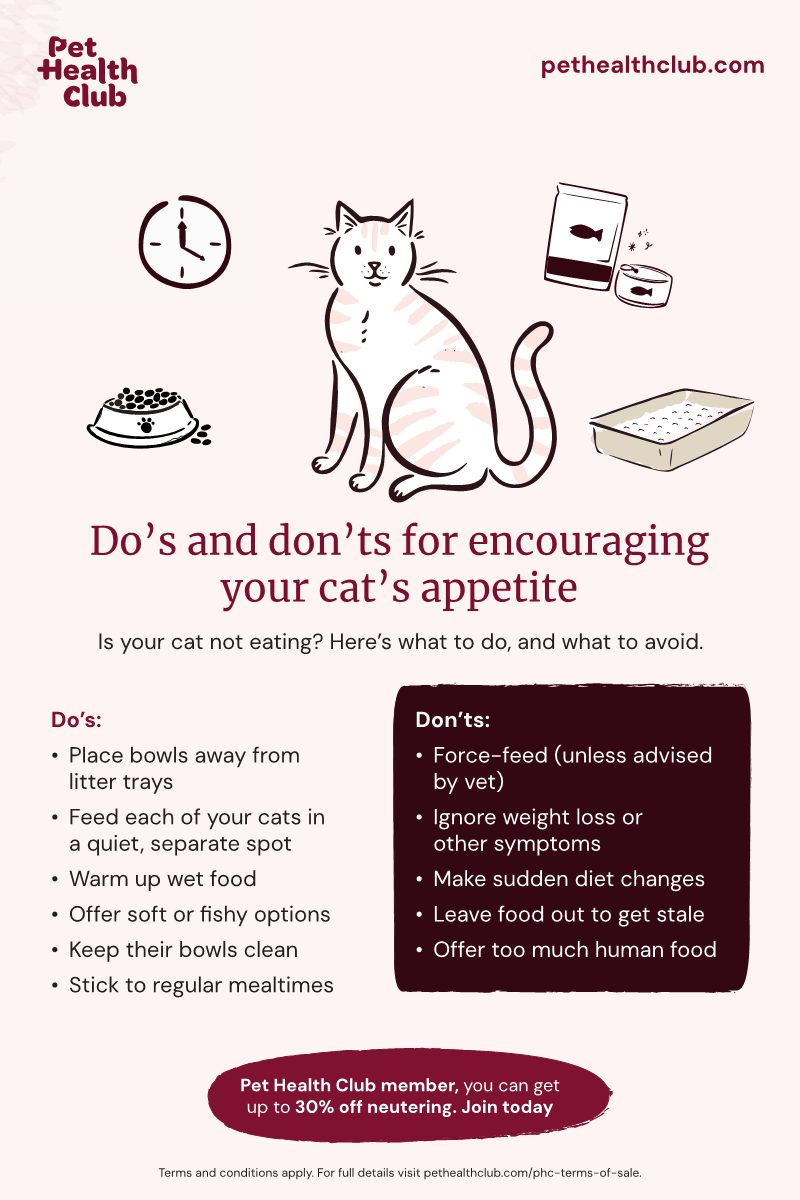
A calm and quiet space encourages cats to eat. Avoid noisy areas or heavy foot traffic near feeding spots. Use a clean bowl placed on a stable surface. Some cats prefer shallow dishes to protect their whiskers. Keep the feeding area tidy to make it inviting.
Observe your cat’s preferences for lighting and location. Some cats like eating near walls for a sense of safety. Others prefer open spaces. Adjust the environment based on your cat’s behavior.
Feeding Schedule Adjustments
Consistency in feeding times helps regulate your cat’s hunger. Set specific times for meals and stick to them daily. Avoid free-feeding as it may reduce appetite for wet food. Smaller, more frequent meals might work better for some cats.
Watch for signs of fullness or hunger. Adapt the schedule to match your cat’s natural eating rhythm. Patience and routine often encourage cats to accept wet food again.
Preventing Future Feeding Issues
Preventing future feeding issues helps keep your cat healthy and happy. Cats may stop eating wet food for many reasons. Some problems come from health issues or changes in their routine. Taking steps to avoid these problems ensures your cat enjoys mealtime.
Regular Health Checkups
Regular vet visits catch health problems early. Illnesses can reduce appetite or cause discomfort while eating. A vet checks for dental issues, infections, or other conditions. Early treatment keeps your cat comfortable and willing to eat.
Schedule checkups at least once a year. Older cats may need visits twice a year. Keep a record of your cat’s eating habits to share with the vet. This helps identify changes quickly.
Maintaining Consistent Feeding Routines
Cats thrive on routine. Feeding your cat at the same time daily creates a sense of security. Use the same feeding spot and bowls to avoid confusion. Sudden changes can stress your cat and reduce appetite.
Offer wet food in small amounts to keep it fresh. Remove uneaten food after 20-30 minutes. This encourages your cat to eat during mealtime and avoids boredom. Consistency makes feeding time predictable and pleasant.

Credit: www.reddit.com
Frequently Asked Questions
Why Did My Cat Stop Eating Wet Food Suddenly?
Cats may reject wet food due to illness, dental pain, or food aversion. Stress, changes in environment, or feeding routine can also affect their appetite. Always check with a vet to rule out health issues and try offering different flavors or brands.
Can Dental Problems Cause Cats To Avoid Wet Food?
Yes, dental issues like tooth decay or gum disease can make chewing wet food painful. Cats often avoid eating to prevent discomfort. Regular dental check-ups and proper oral care help maintain your cat’s appetite and overall health.
How Does Stress Affect A Cat’s Wet Food Intake?
Stress from new pets, moving, or loud noises can reduce a cat’s appetite. Cats may stop eating wet food temporarily during stressful events. Providing a calm environment and maintaining feeding routines can help restore normal eating habits.
Is Wet Food Spoilage A Reason For My Cat’s Refusal?
Yes, cats have a keen sense of smell and may refuse spoiled or stale wet food. Always store wet food properly and serve fresh portions. Check expiration dates and clean feeding bowls regularly to encourage eating.
Conclusion
A cat not eating wet food can feel worrying. Changes in taste, health, or stress often cause this. Watch your cat closely for other signs. Try different wet food flavors or textures. Keep fresh water nearby at all times. A vet visit may be needed to check health.
Patience and care help your cat feel better. Feeding habits can change, but attention brings answers. Stay calm and observe your furry friend daily.