
Have you ever opened a can of wet cat food, only to watch your furry friend turn up their nose and walk away? It’s frustrating, isn’t it?
You want to give your cat the best nutrition, but their picky eating habits make it feel like a constant challenge. Why is your cat so picky about wet food? Understanding the reasons behind their finicky behavior can help you find the perfect meal that keeps them happy and healthy.
Keep reading, and you’ll discover simple tips to make mealtime a joy for both you and your cat.

Credit: www.youtube.com
Reasons Cats Reject Wet Food
Cats can be very picky about their wet food. Many cats reject certain types or brands. Understanding the reasons helps owners find the right food. Cats have unique preferences and needs that affect their choices. Here are some common reasons cats refuse wet food.
Texture Preferences
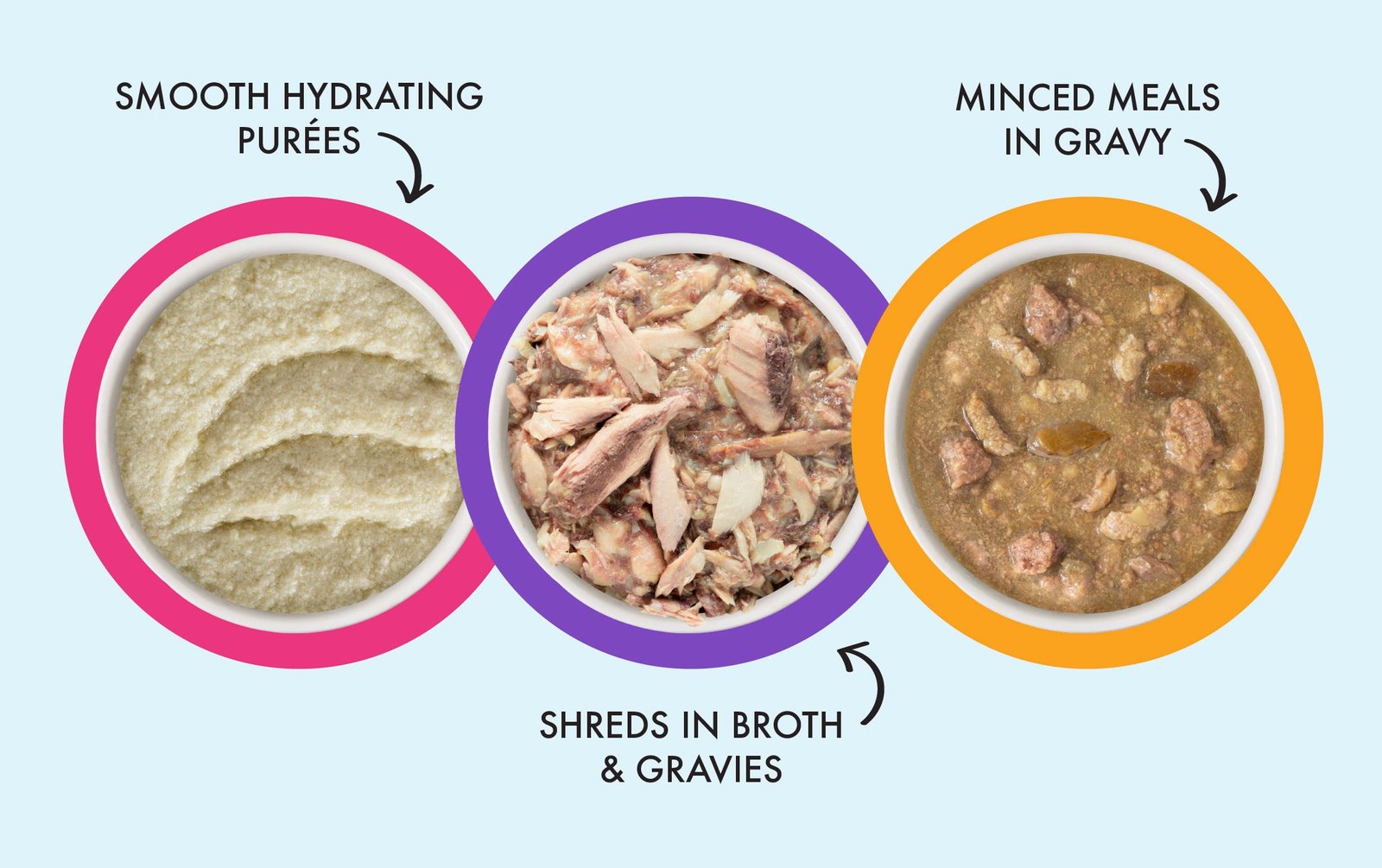
Texture plays a big role in what cats like to eat. Some cats prefer smooth pâté, while others like chunks or shredded meat. The way food feels in their mouth can make a big difference. Cats may reject food that feels too slimy or too dry. Texture also relates to their hunting instincts and chewing habits.
Flavor Sensitivity
Cats have a sensitive sense of taste and smell. They can detect subtle flavor differences that humans might miss. Some flavors might be too strong or too mild for their liking. Cats often prefer meat flavors like chicken, fish, or beef. They may reject food with unfamiliar or artificial flavors. Freshness also affects flavor and appeal.
Temperature Matters
Temperature affects how food smells and tastes to cats. Many cats prefer their wet food slightly warmed to body temperature. Cold food from the fridge may seem less appetizing. Warmer food releases more aroma, which attracts cats to eat. Serving food at the right temperature can increase acceptance.
Health Issues Impacting Appetite
Health problems can cause a cat to reject wet food. Dental pain makes chewing uncomfortable. Digestive problems may cause nausea or discomfort. Illness can reduce appetite and change taste perception. Stress and anxiety also affect eating habits. Regular vet check-ups help identify these issues early.
Choosing The Right Wet Food
Choosing the right wet food for your cat is more than just picking a brand from the shelf. It’s about understanding what truly appeals to your cat’s unique taste buds and nutritional needs. If your feline friend turns their nose up at certain options, the ingredients, texture, or even the protein source might be the reason.
Ingredients That Appeal To Cats
Cats are natural carnivores, so wet foods with real meat or fish as the first ingredient often win their approval. Avoid foods loaded with fillers like corn, soy, or by-products, which can be unappetizing and less nutritious.
Look for wet foods that include moisture-rich ingredients such as broth or gravy. These enhance flavor and hydration, making the meal more tempting for picky eaters.
Grain-free Vs. Grain-inclusive Options
Some cats prefer grain-free wet food because it mimics their natural diet, while others do just fine with grain-inclusive recipes. It’s worth trying both types to see which your cat prefers.
Grain-free options usually have higher protein content, but certain grains like rice or oats can add fiber and aid digestion. Watch your cat’s reaction and digestion to decide what suits them best.
Protein Sources Cats Prefer
Cats often favor protein sources like chicken, turkey, salmon, or tuna. If your cat rejects one protein, try another to find their favorite.
Variety can prevent boredom, so rotating between different protein sources might keep your cat interested in their meals. Have you noticed your cat’s mood or energy change with different proteins? That’s a clue to what works best.
Feeding Techniques To Encourage Eating
Encouraging a picky cat to eat wet food can be challenging. Small changes in how you serve the food often make a big difference. Cats rely on their senses, so feeding techniques that enhance appeal help stimulate their appetite. These simple tricks can turn mealtime into a more inviting experience for your cat.
Warming The Food
Warming wet food can improve its smell and texture. Heat releases aromas that attract cats and mimic fresh prey. Use a microwave for a few seconds or warm the food in a bowl of hot water. Test the temperature to avoid burning your cat’s mouth. Warm food often feels more natural and appealing to picky eaters.
Mixing Wet And Dry Food
Combining wet and dry food creates a mix of textures and flavors. Some cats like the crunch of dry food with the softness of wet food. Start by adding small amounts of wet food to their dry kibble. Gradually increase the wet food portion as your cat gets used to the new taste. This method helps cats adjust slowly without stress.
Offering Small, Frequent Meals
Serving smaller meals more often can encourage eating. Large portions may overwhelm picky cats. Frequent meals keep food fresh and tasty. It also matches their natural hunting pattern. Try feeding your cat four to six small meals daily. This approach keeps their interest and energy up throughout the day.

Credit: www.reddit.com
Environmental Factors Affecting Eating Habits
Environmental factors play a crucial role in shaping your cat’s eating habits. Cats are sensitive creatures who notice even small changes in their surroundings. If your cat is picky about wet food, the environment where they eat might be influencing their preferences.
Quiet And Comfortable Feeding Area
Your cat needs a calm and peaceful spot to enjoy their meal. Loud noises or busy areas can make them anxious, causing them to avoid eating or pick only certain foods. Try placing their food bowl in a quiet corner away from household traffic or loud appliances.
Have you noticed your cat stopping mid-bite when the TV is on or when kids are playing nearby? That’s a sign they need a more serene space to feel safe while eating.
Avoiding Stress During Mealtime
Stress can greatly affect your cat’s willingness to eat wet food. Changes in routine, new pets, or even different people around can make them uneasy. Make sure mealtime is consistent and free from interruptions.
Sometimes, I found that my cat refused food when visitors were around. By simply feeding her in a separate room, her appetite improved significantly. Could rearranging your cat’s feeding schedule help reduce their stress?
When To Consult A Veterinarian
Noticing that your cat suddenly refuses wet food or acts unusually picky can be frustrating. Sometimes, this picky behavior signals more than just a preference—it might indicate an underlying health issue. Knowing when to consult a veterinarian can save your cat from discomfort and keep their diet on track.
Signs Of Medical Problems
If your cat consistently rejects wet food, watch for other signs that might point to health problems. These include:
- Sudden weight loss or gain
- Changes in appetite beyond just wet food avoidance
- Drooling or bad breath
- Difficulty chewing or swallowing
- Lethargy or unusual behavior
My cat once stopped eating wet food and started drooling excessively. A quick vet visit revealed dental issues that needed treatment. Ignoring these signs could worsen your cat’s health, so don’t hesitate to get a professional opinion.
Professional Feeding Advice
Veterinarians can offer tailored feeding recommendations that address your cat’s picky eating habits. They might suggest trying different textures, flavors, or even prescription diets designed for sensitive palates or medical conditions.
Sometimes, the issue isn’t just preference but a nutritional imbalance or allergy. Your vet can guide you on how to transition foods safely and ensure your cat receives all essential nutrients.
Have you ever wondered if your cat’s pickiness is normal or a red flag? A vet’s advice can provide clarity and peace of mind.

Credit: www.reddit.com
Frequently Asked Questions
Why Does My Cat Refuse Certain Wet Food Flavors?
Cats have individual taste preferences and may reject flavors they dislike. Texture and smell also influence their choices. Wet food palatability varies by ingredients and brand, affecting acceptance.
How Can I Encourage My Cat To Eat Wet Food?
Introduce new wet food gradually by mixing it with current food. Warm it slightly to enhance aroma. Offer small portions frequently and ensure fresh water is available.
Is It Normal For Cats To Be Picky Eaters?
Yes, cats naturally exhibit picky eating habits. Their sensitive taste buds and past experiences shape food preferences. Picky eating is common but should be monitored for health issues.
Can Wet Food Variety Improve My Cat’s Appetite?
Offering different wet food flavors and textures can stimulate interest. Variety helps prevent boredom and encourages consistent eating. Rotate options slowly to observe preferences and avoid digestive upset.
Conclusion
Understanding a cat's picky eating habits is important. Cats have unique tastes and preferences. Sometimes, they reject wet food due to texture or smell. It's essential to pay attention to their likes. Offering variety can help. Try different flavors and brands.
Make mealtime comfortable and stress-free. Monitor your cat's health if picky eating persists. Consult a vet for guidance. Patience and observation can lead to happier feeding times. Your cat's happiness is the goal. With these insights, you're better equipped to satisfy your feline friend.
Happy feeding!