Have you ever noticed your cat scratching around her food dish and wondered why she does it? It might seem like a strange habit, but there’s more to this behavior than meets the eye.
Understanding why your cat scratches near her food can help you connect with her better and keep her happy and healthy. Keep reading to discover the surprising reasons behind this common feline habit—and how you can respond in the best way for your furry friend.

Credit: www.catster.com
Cat Scratching Behaviors
Cats use scratching to communicate and mark their territory. This behavior is natural and helps them feel safe. Scratching also sharpens their claws and stretches their muscles. Understanding these actions helps explain why cats scratch around their food.
Common Scratching Patterns
Cats show different scratching styles depending on their mood and purpose. Some scratch softly with their front paws. Others use both front paws to dig quickly. They may scratch in circles or straight lines. Some cats even scratch upward or sideways.
Scratching marks their scent through glands in their paws. These scents warn other animals to stay away. It also comforts your cat by making the area feel familiar.
When Scratching Occurs Around Food
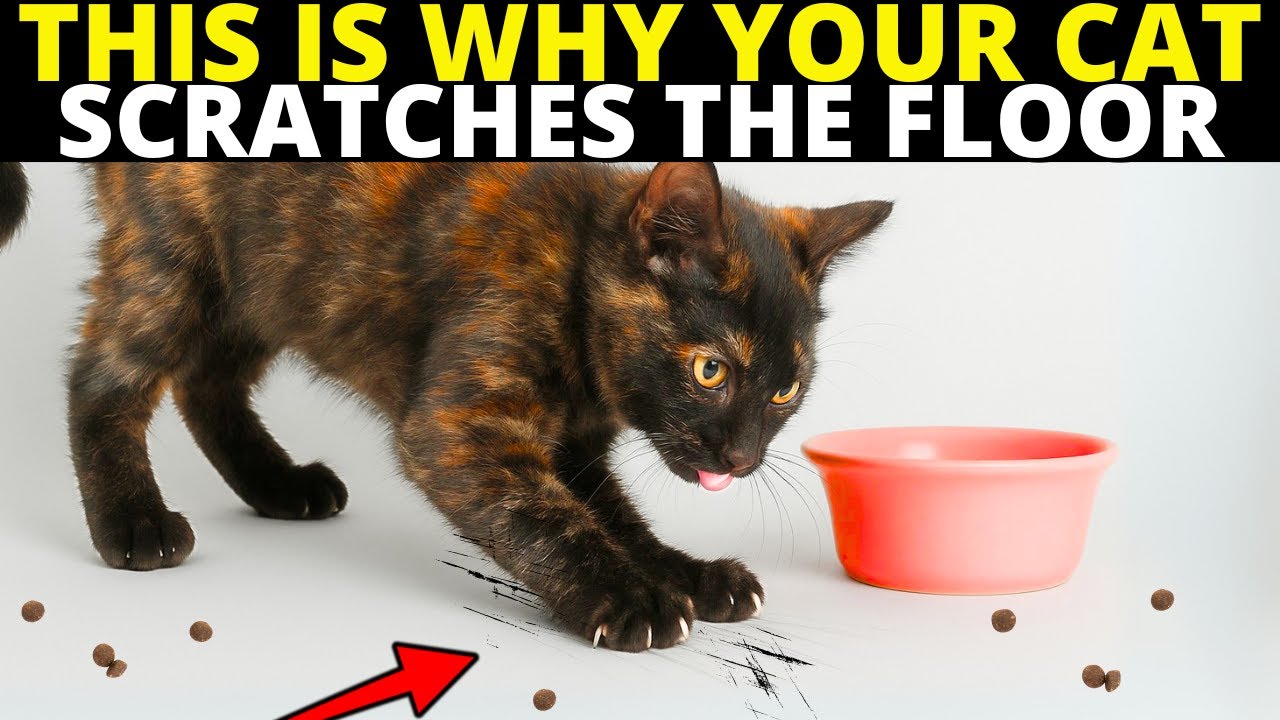
Scratching near food bowls is common among cats. They may be trying to hide the food or secure the area. This mimics wild cat behavior of covering leftovers to avoid attracting predators.
Some cats scratch after eating to mark their spot as their own. Others do it before eating to check the area. It can also be a sign of excitement or stress.
Instinctual Reasons
Cats have deep-rooted instincts that shape their behavior around food. Scratching near their bowl is one of these natural actions. This behavior connects to their wild ancestry and survival habits.
Hunting And Burying Instincts
In the wild, cats hunt for their meals. After eating, they often scratch the ground to cover leftovers. This keeps their scent hidden from other predators. Domestic cats keep this habit. Scratching around food can mimic burying their meal. It is a way to protect food from others, even if no threat exists.
Marking Territory
Cats have scent glands in their paws. Scratching leaves their unique scent on surfaces. When cats scratch near their food, they mark their territory. This signals to other animals or cats that this area belongs to them. It helps them feel safe and secure during mealtime.
Environmental Factors
Environmental factors often influence a cat’s behavior around her food. Cats are sensitive to their surroundings and may scratch near their bowl to mark territory or feel secure. Understanding these factors helps explain why your cat scratches near her food and how to create a better feeding space.
Food Bowl Placement
Where you place your cat’s food bowl affects her comfort and behavior. Cats prefer quiet and safe spots away from noise or heavy foot traffic. A bowl near a busy area may cause stress, leading to scratching as a coping action.
Placing the bowl in a calm corner can reduce anxiety. Cats also like some space around their food to feel secure. Crowded or tight spots may trigger scratching to create a "safe zone."
Surface Texture And Scratching
The surface beneath the food bowl plays a role in scratching behavior. Rough or uneven textures encourage scratching because cats enjoy the resistance under their paws. Smooth surfaces may stop this action but can make the bowl slide, causing discomfort.
Using a mat with a soft texture under the bowl helps. It keeps the bowl stable and satisfies the cat’s desire to scratch. The right surface can turn scratching into a relaxed and natural activity.
Health And Stress Indicators
Scratching around food is more than just a quirky habit. It can reveal important signs about your cat’s health and emotional state. Paying attention to this behavior helps you understand your cat better. It might show if your cat feels safe or stressed in its environment. Sometimes, it points to health issues that need attention.
Anxiety And Stress Responses
Cats often scratch near their food when they feel anxious or stressed. This action can be a way to create a safe space. Scratching may mimic burying food, a natural instinct to protect it from others. Stress can come from changes like new pets, loud noises, or moving to a new home. Your cat uses scratching to calm down and feel more secure.
Watch for other signs of stress such as:
- Hiding more than usual
- Changes in eating habits
- Excessive grooming or licking
- Restlessness or pacing
Possible Medical Concerns
Sometimes scratching near food signals health problems. Mouth pain or dental issues can make eating uncomfortable. Your cat may scratch to distract from discomfort. Digestive problems can also cause unusual behavior around feeding time. Parasites or skin irritation near the mouth or paws might lead to scratching.
If your cat scratches constantly or shows other symptoms like vomiting or lethargy, see a vet. Early diagnosis helps prevent bigger health problems. Keep track of your cat’s behavior changes to share with your vet.
Behavioral Solutions
Behavioral solutions help manage why cats scratch near their food. Cats use scratching to communicate or mark territory. Changing their habits can reduce this behavior. Understanding their needs is key to success.
Adjusting Feeding Environment
Place your cat's bowl in a quiet spot away from noise. Use a heavier bowl to prevent moving or tipping. Keep the feeding area clean and free from distractions. Try feeding smaller portions more often to reduce stress. Avoid placing food near litter boxes or busy areas.
Providing Enrichment Activities
Offer toys that stimulate natural hunting instincts. Rotate toys regularly to keep your cat interested. Provide scratching posts in different areas of the home. Use puzzle feeders to make mealtime more engaging. Spend time playing with your cat daily to burn energy.

Credit: thecatisinthebox.com
When To Consult A Vet
Noticing your cat scratching around her food can be puzzling. Sometimes, this behavior is normal. Other times, it may signal an underlying health issue. Knowing when to consult a vet is important. Early action can prevent serious problems and keep your cat healthy.
Signs To Watch For
- Excessive scratching that damages the skin
- Redness or swelling around the mouth
- Refusal to eat or sudden loss of appetite
- Drooling or pawing at the mouth
- Weight loss or lethargy
- Changes in behavior or mood
These signs may indicate pain or discomfort. They often need veterinary attention. Don’t ignore persistent or severe symptoms.
Professional Assessment Benefits
A vet can identify the root cause of scratching. This might include dental problems, allergies, or infections. Proper diagnosis helps in choosing the right treatment.
Veterinary care can relieve your cat’s discomfort quickly. It prevents complications that might arise from untreated issues. Regular check-ups ensure ongoing health and happiness for your pet.
Credit: www.youtube.com
Frequently Asked Questions
Why Does My Cat Scratch Near Her Food Bowl?
Cats instinctively scratch around food to hide leftovers. This behavior mimics burying food in the wild for safety. It also marks territory by spreading scent from their paws. Scratching near food is normal and shows natural instincts.
Is Scratching Around Food A Sign Of Stress?
Sometimes, yes. Cats may scratch near their food when anxious or insecure. It can be a comforting behavior to cope with stress. However, if excessive, it might indicate underlying issues needing attention or environment changes.
Can Scratching Food Area Harm My Cat?
Scratching itself is harmless but can cause messes. Sharp claws might knock over bowls or scatter food. Ensure food dishes are stable and clean the area regularly. If scratching damages skin or paws, consult a vet.
How Can I Stop My Cat From Scratching Near Food?
Provide a larger feeding area with a mat to catch spills. Trim your cat’s nails regularly to reduce damage. Offer interactive toys to distract scratching urges. Positive reinforcement can help redirect this behavior effectively.
Conclusion
Understanding your cat's behavior can strengthen your bond. Scratching around food is normal. It’s rooted in their instincts. This behavior could mean they’re saving food for later. Or, they might be marking territory. Observe your cat closely. Ensure their environment feels safe.
Provide ample food and playtime. If scratching persists, consult a vet. They can offer guidance. Cats communicate in unique ways. Being attentive helps you respond better. Meeting their needs ensures a happy pet. So, always stay curious about their actions.
This enriches their life and yours.