Is your cat throwing up his food, leaving you worried and confused? You’re not alone, and it’s a common issue many cat owners face.
When your furry friend vomits after eating, it can be alarming, but understanding why it happens is the first step to helping him feel better. You’ll discover the most common reasons behind this problem and what you can do to keep your cat healthy and happy.
Keep reading—your cat’s comfort depends on it.
Common Reasons Cats Vomit
Cats may vomit for many reasons. Some are simple and not serious. Others might need a vet's attention. Knowing common causes helps you care for your cat better. It also helps you decide when to seek help.
Eating Too Fast
Cats that eat quickly often vomit soon after meals. They swallow air and food together. This causes their stomach to feel upset. Slow feeding bowls can help. Feeding smaller meals more often also works well.
Hairballs
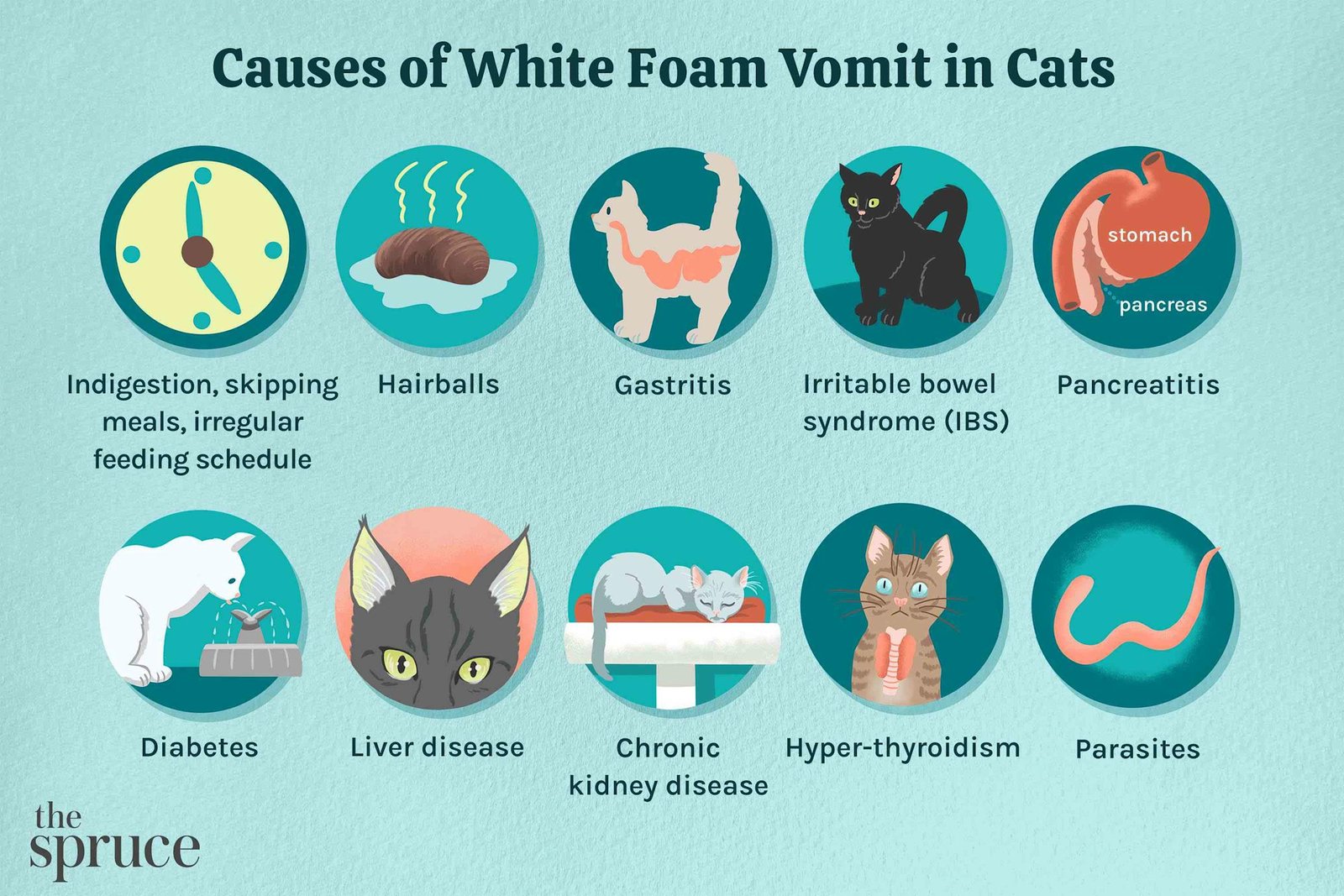
Cats groom themselves by licking their fur. They swallow loose hair, which can form hairballs. Hairballs may cause vomiting as the body tries to remove them. Regular brushing reduces hair ingestion. Special diets and treats can also help control hairballs.
Dietary Changes
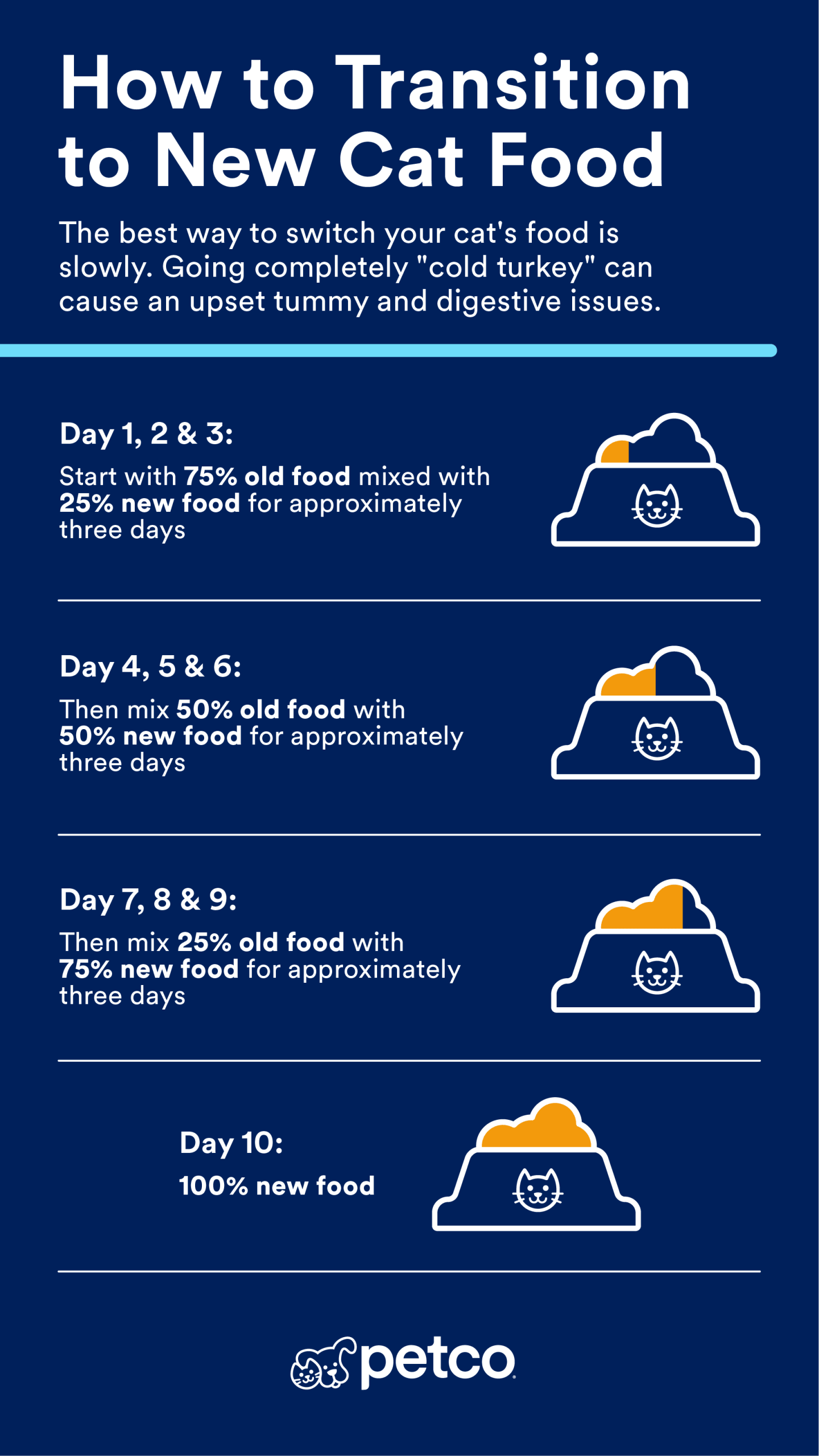
Sudden changes in food can upset a cat’s stomach. New ingredients may not agree with them. Gradual switching between foods helps avoid vomiting. Keep a consistent diet to maintain a healthy stomach.
Food Allergies
Some cats have allergies to certain foods. Allergies cause vomiting and sometimes diarrhea. Common allergens include beef, dairy, and fish. A vet can help find the cause. Hypoallergenic or limited ingredient diets may improve symptoms.
Infections And Illnesses
Viruses, bacteria, and parasites can cause vomiting. Serious illnesses like kidney or liver disease also lead to vomiting. Other signs may include lethargy and loss of appetite. Veterinary care is essential for diagnosis and treatment.
When To Worry About Vomiting
Vomiting in cats can be normal, but sometimes it signals a problem. Knowing when to worry helps keep your cat safe. Watch your cat closely and understand signs that need attention.
Frequency And Duration
Occasional vomiting after eating may not be serious. Vomiting more than twice in one day is a concern. If vomiting lasts for several days, seek help. Continuous vomiting can lead to dehydration and weakness.
Other Symptoms To Watch For
Look for signs like lethargy, diarrhea, or loss of appetite. Sudden weight loss or difficulty breathing are red flags. Blood in vomit or stool also needs urgent care. These symptoms suggest a deeper health issue.
Age And Health Considerations
Kittens and older cats are more vulnerable to illness. Cats with existing health problems need closer monitoring. Young or sick cats can get worse quickly from vomiting. Always check with a vet if your cat falls in these groups.
Diet Adjustments To Prevent Vomiting
If your cat is vomiting after meals, adjusting their diet can make a big difference. Sometimes, the type of food or how it’s given can upset their stomach. Small, thoughtful changes might keep your feline friend comfortable and reduce those unpleasant puking episodes.
Switching To Gentle Foods
Choosing foods that are easy on your cat’s stomach is a smart move. Look for options labeled as “sensitive stomach” or “digestive care.” These usually contain fewer irritants and simpler ingredients.
Have you noticed if your cat reacts badly to certain proteins or fillers? Trying a limited ingredient diet with one protein source can help identify triggers. Foods with added probiotics can also support healthy digestion.
Feeding Smaller Meals
Big meals might cause your cat to vomit because their stomach gets overwhelmed. Try feeding smaller portions more frequently throughout the day. This keeps their stomach from stretching too much and reduces the chance of food coming back up.
You could divide their daily food amount into three or four meals. Cats often prefer grazing, so this approach can feel more natural to them. Have you tried this yet, and noticed any change in your cat’s vomiting frequency?
Hydration Tips
Keeping your cat well hydrated is key to good digestion. Wet food is an excellent way to add moisture to their diet without extra effort. If your cat mainly eats dry food, consider adding water or broth to soften it.
Fresh water should always be available, but some cats prefer running water. A pet water fountain might encourage your cat to drink more. Are you paying enough attention to your cat’s hydration habits?

Credit: www.reddit.com
Home Remedies And Quick Fixes
Finding quick ways to help a cat that vomits food is important. Home remedies can ease your cat’s discomfort and stop vomiting. These simple fixes help your cat digest food better and reduce irritation in the stomach.
Use easy tricks to improve your cat’s eating habits and overall health. These methods work well alongside regular vet care for better results.
Slowing Down Eating
Eating too fast often causes cats to vomit. Slow down their eating with these tips:
- Use a slow feeder bowl with ridges or obstacles.
- Give smaller, frequent meals instead of one large meal.
- Place a large object in the food bowl to make your cat eat around it.
- Hand-feed your cat small bites to control eating speed.
Managing Hairballs
Hairballs can block the stomach and cause vomiting. Manage them with these steps:
- Brush your cat daily to reduce loose fur.
- Offer hairball-specific treats or food to help fur pass safely.
- Keep your cat hydrated to ease hairball movement.
- Use a vet-recommended hairball remedy gel as needed.
Using Probiotics
Probiotics balance the stomach’s good bacteria. This helps with digestion and reduces vomiting:
- Choose probiotics made for cats from pet stores or vets.
- Add probiotics to your cat’s food as directed.
- Monitor your cat’s reaction to probiotics for any changes.
- Consult a vet before starting probiotics for safety and dosage.
When To See A Vet
Knowing when to see a vet is crucial if your cat is throwing up food. Vomiting can be common, but some signs point to serious problems. Acting early can help your cat recover faster and avoid complications.
Persistent Vomiting
Vomiting once or twice may not be alarming. But if your cat vomits repeatedly over 24 hours, it needs medical attention. Persistent vomiting can cause dehydration and nutrient loss. Keep track of how often and when vomiting happens.
Signs Of Serious Illness
Look for other symptoms besides vomiting. These may include:
- Lethargy or weakness
- Loss of appetite
- Diarrhea
- Weight loss
- Bloody or unusual vomit
Such signs suggest a deeper health issue. Immediate vet care is important.
Diagnostic Tests
The vet may run tests to find the cause. These can include:
- Blood tests
- X-rays
- Ultrasound scans
- Fecal exams
These tools help identify infections, blockages, or organ problems. Early diagnosis leads to better treatment results.

Credit: www.reddit.com

Credit: www.youtube.com
Frequently Asked Questions
Why Is My Cat Throwing Up Food After Eating?
Cats may vomit due to eating too fast or swallowing air. It can also indicate food allergies or digestive issues. Monitor your cat’s eating habits and consult a vet if vomiting persists.
Can Hairballs Cause My Cat To Vomit Food?
Yes, hairballs often cause cats to vomit. When cats groom themselves, they ingest hair that can form hairballs. These may irritate the stomach and lead to vomiting food.
When Should I Worry About My Cat's Vomiting?
Worry if vomiting is frequent, contains blood, or your cat is lethargic. Persistent vomiting may signal serious health issues requiring veterinary attention promptly.
How Can I Prevent My Cat From Puking Food?
Feed smaller, frequent meals and use slow feeder bowls. Ensure a balanced diet and keep your cat hydrated. Regular vet checkups help prevent underlying causes of vomiting.
Conclusion
Understanding why your cat vomits is important. It can indicate health issues. Always observe any changes in behavior. Notice if your cat eats too quickly. Stress can also cause vomiting. Consult a vet if vomiting persists. They can provide a proper diagnosis.
Feed smaller, frequent meals. Ensure fresh water is always available. Clean litter boxes regularly. Maintain a calm environment. Monitor your cat's diet closely. Avoid sudden changes in food. Remember, your cat's health matters. Regular vet visits help keep them healthy.
Keep an eye on their well-being. Your furry friend deserves the best care.