Is your cat suddenly refusing to poop in her litter box? You’re not alone, and it can be really frustrating.
When your furry friend changes her bathroom habits, it’s a sign that something isn’t quite right. You might be wondering if it’s a health problem, a behavior issue, or something else entirely. Understanding why your cat is avoiding her litter box is the first step to fixing the problem quickly.
Keep reading to discover the common reasons behind this puzzling behavior and what you can do to help your cat feel comfortable and happy again.

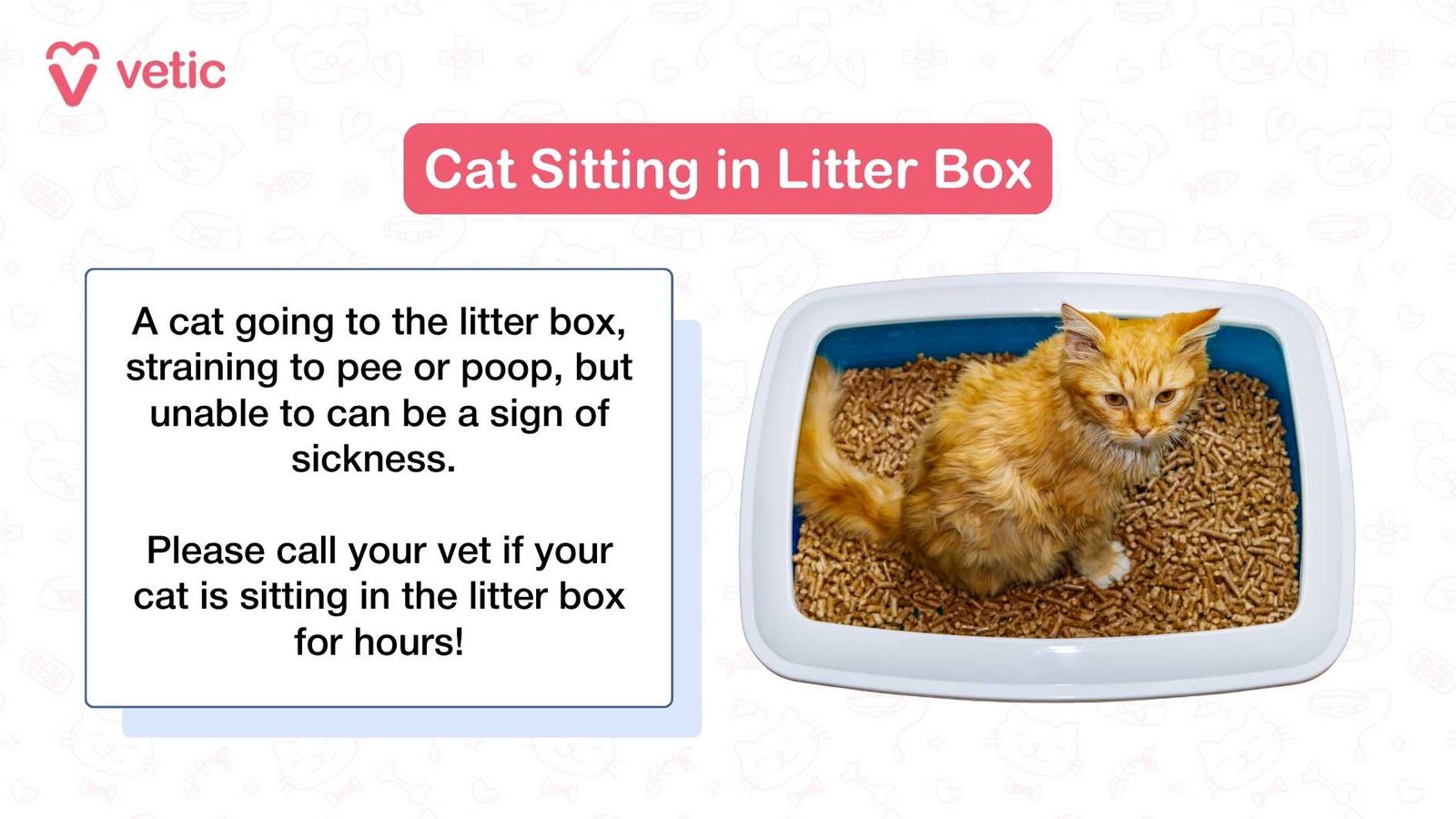
Credit: vetic.in
Common Reasons Cats Avoid Litter Boxes
Cats can stop using their litter box for many reasons. Understanding these reasons helps solve the problem fast. Cats are sensitive animals. Small changes can make them avoid their litter box. Knowing what causes this behavior is key to helping your cat. Common causes include health issues, litter problems, stress, and changes around them.
Medical Issues Affecting Bowel Movements
Health problems often cause litter box avoidance. Constipation or diarrhea can make cats avoid the box. Pain from arthritis or injury can stop cats from using it. Digestive problems may change their bathroom habits. A visit to the vet is important to rule out illness. Treating medical issues can fix this behavior quickly.
Litter Box Cleanliness And Maintenance
Dirty litter boxes repel cats. Cats prefer a clean, fresh-smelling space. Neglecting cleaning makes them seek other spots. Scooping daily and washing the box weekly helps. The box location matters too. A quiet, private place encourages use. Dirty or smelly boxes often cause avoidance.
Litter Type And Texture Preferences
Cats have strong preferences for litter type. Some like clumping, others prefer non-clumping. Texture matters too; soft or coarse can affect use. Changing litter suddenly may confuse or upset them. Testing different litters helps find the right fit. Matching their preference encourages regular use.
Stress And Anxiety Factors
Stress leads cats to avoid their litter box. Loud noises, new pets, or visitors cause anxiety. Changes in household routine also affect cats. Stress can cause sudden litter box problems. Providing a calm environment reduces stress. Extra attention and comfort help cats feel safe.
Changes In Environment Or Routine
Moving the litter box can confuse cats. New homes or rearranged rooms may cause avoidance. Changes in feeding times or schedules also affect cats. Cats like routine and predictability. Sudden changes disrupt their habits. Keeping a stable environment helps maintain litter box use.

Credit: vetic.in
Health Problems Linked To Litter Box Avoidance
When your cat suddenly stops using her litter box, it’s tempting to think it’s just a behavioral issue. However, health problems often play a significant role in this change. Understanding these health issues can help you address your cat’s discomfort and get her back to healthy habits.
Constipation And Gastrointestinal Disorders
Constipation is a common reason cats avoid their litter box. If your cat strains or spends a long time trying to poop, she might associate the discomfort with the box itself.
Gastrointestinal disorders, like inflammatory bowel disease or intestinal blockages, can also cause pain or urgency, making your cat anxious about using her litter box. Have you noticed if she’s eating less or vomiting? These signs often come with digestive problems.
Urinary Tract Infections And Pain
Urinary tract infections (UTIs) cause pain and frequent urges to urinate, which can make your cat avoid the litter box. Sometimes, the pain during urination makes her hesitant to use the box at all.
Watch for symptoms such as frequent trips to the box with little output or blood in the urine. These are red flags that your cat needs a vet visit right away.
Arthritis And Mobility Challenges
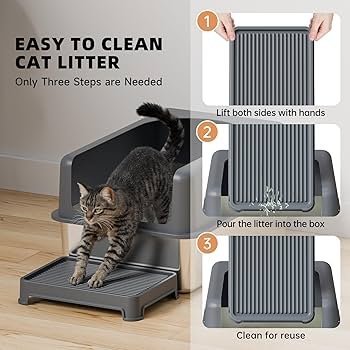
If your cat struggles to climb into or move around in the litter box, arthritis could be the culprit. Older cats often face joint pain that makes jumping or stepping into high-sided boxes difficult.
Try observing if she limps or seems stiff after resting. Switching to a litter box with lower sides or a ramp might make a big difference in her willingness to use it.
Behavioral Causes For Avoiding The Litter Box
Behavioral causes often explain why a cat avoids using the litter box for pooping. Cats are sensitive creatures. Their habits can change due to stress, environment, or social dynamics. Understanding these behaviors helps address the problem effectively.
Marking Territory Outside The Box
Cats mark territory to feel safe and secure. Pooping outside the litter box can be a way to claim space. This is common in multi-cat homes or new environments. The cat may feel the need to assert dominance or protect its area.
Spraying and pooping outside the box send signals to other animals. This behavior often increases during changes at home. New pets, visitors, or moving furniture can trigger marking.
Negative Associations With The Litter Box
Cats may link the litter box with bad experiences. Pain while pooping or loud noises near the box create fear. The cat then avoids the box to escape discomfort.
Dirty litter boxes cause strong dislike too. Cats are clean animals and refuse soiled boxes. Using harsh cleaning products can leave scents that repel cats.
Competition With Other Pets
Sharing a litter box can cause conflicts. Cats may feel threatened by other pets nearby. They might avoid the box to prevent confrontations.
Dominant cats often guard the box and block access. Submissive cats choose other spots to do their business. The lack of multiple boxes in a home worsens this issue.

Credit: www.reddit.com
Improving Litter Box Habits
Improving your cat’s litter box habits is key to solving the mystery of why she’s avoiding her box. Sometimes small changes can make a big difference in her comfort and willingness to use the litter box. Let’s look at practical ways you can create a better litter box experience for your feline friend.
Choosing The Right Litter And Box Type
Your cat’s preferences matter more than you might think. Some cats dislike scented litter or litter that’s too coarse, while others prefer softer textures. Try switching to unscented, clumping litter if you haven’t already.
Consider the size and style of the box as well. Covered boxes can trap odors but might feel cramped or scary to some cats. If your cat is older or has mobility issues, a box with lower sides can be easier to enter and exit.
Maintaining Cleanliness Effectively
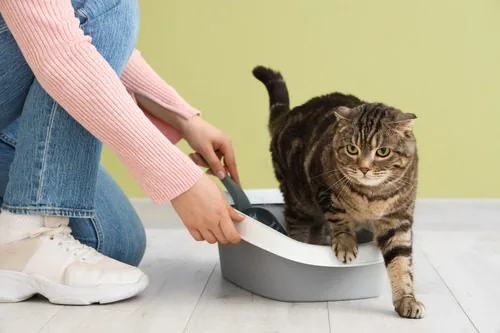
A dirty litter box is a major turnoff for cats. Scoop waste at least once a day and completely change the litter weekly. Rinse the box with mild soap and warm water to remove odors.
Place the litter box in a quiet, low-traffic area. Have you noticed your cat avoids the box right after you clean it? Sometimes a new, unfamiliar smell can be off-putting, so try rinsing thoroughly and skipping strong cleaners.
Creating A Stress-free Environment
Stress can cause your cat to avoid the litter box. Changes in the household, new pets, or loud noises might be to blame. Observe if your cat’s litter box issues coincide with recent changes.
Provide multiple litter boxes if you have more than one cat, and place them in different areas. This reduces competition and gives your cat options if one box feels unsafe or dirty.
Consulting A Veterinarian When Needed
If your cat continues to avoid the litter box despite your efforts, a vet visit is important. Health issues like urinary tract infections, constipation, or arthritis can cause litter box problems.
Have you noticed signs like straining, blood in urine, or changes in appetite? These symptoms require professional attention to ensure your cat’s well-being and to prevent further litter box avoidance.
Frequently Asked Questions
Why Is My Cat Avoiding The Litter Box For Pooping?
Cats may avoid the litter box due to stress, illness, or a dirty box. Changes in routine or environment can also cause this behavior. Ensuring a clean, quiet, and accessible litter box helps encourage proper use.
Can Constipation Cause My Cat To Skip The Litter Box?
Yes, constipation can make pooping painful, leading cats to avoid the litter box. If your cat strains or shows discomfort, consult a vet for treatment and dietary advice.
How Does Litter Box Cleanliness Affect My Cat's Pooping?
Cats prefer a clean litter box. Dirty litter boxes cause discomfort and may lead cats to poop elsewhere. Scoop daily and change litter regularly to maintain hygiene and encourage use.
Could Medical Issues Cause My Cat To Stop Pooping In The Box?
Medical problems like urinary tract infections or digestive issues can cause litter box avoidance. If your cat suddenly stops pooping in the box, seek veterinary care promptly.
Conclusion
Understanding why your cat avoids the litter box is vital. Behavioral changes might indicate stress or health issues. Observe your cat closely. Consistency and patience often solve the problem. Ensure the litter box is clean and accessible. Sometimes, a simple change like litter type helps.
Consult a vet if the issue persists. Your cat’s comfort matters. A happy cat means a happy home. Keep trying different solutions. Your efforts will pay off. Remember, every cat is unique. Patience is key. You’re not alone in this journey.
Many pet owners face similar challenges.