
Is your cat turning up her nose at her wet food? If you’ve noticed that your furry friend isn’t eating her meals like she used to, you’re not alone.
Many cat owners face this puzzling situation, and it can be quite concerning. After all, you want to make sure your beloved pet is healthy and happy. The good news is that there are several reasons why this might be happening, and understanding them can help you find a solution.
We’ll delve into the common causes behind this issue and offer practical tips to encourage your cat to enjoy her meals again. Keep reading to discover how you can help your cat regain her appetite and ensure she gets the nutrition she needs.
Common Reasons Cats Refuse Wet Food
Cats can be picky eaters, especially when it comes to wet food. Understanding why your cat suddenly refuses her wet meals can save you from worry and help her get back to enjoying her food. Several common reasons might explain this behavior, and identifying them can guide you toward a solution.
Changes In Appetite
Your cat's appetite might change due to stress or environmental shifts. Moving to a new home, loud noises, or new pets can make her uneasy and less interested in eating. Have you noticed if her refusal started after any changes at home?
Age also plays a role; older cats often eat less or prefer different textures and flavors. You might want to observe if she's eating better at certain times or showing interest in other foods.
Food Texture And Smell
Cats rely heavily on smell and texture to decide if food is appealing. Wet food that smells off or has a different consistency might turn her away. Sometimes even the slightest change in the brand or recipe can make a difference.
If you recently switched brands or flavors, try offering her the previous one to see if she responds better. Warming the wet food slightly can also enhance its aroma and make it more inviting.
Health Issues
Health problems are a serious reason behind a cat refusing food. Dental pain, digestive issues, or infections can make eating uncomfortable or painful. If your cat shows other symptoms like drooling, vomiting, or lethargy, it's time for a vet visit.
Sometimes, a simple illness can cause loss of appetite, but untreated, it can lead to more severe problems. Paying attention to these signs can protect your cat’s health before things worsen.

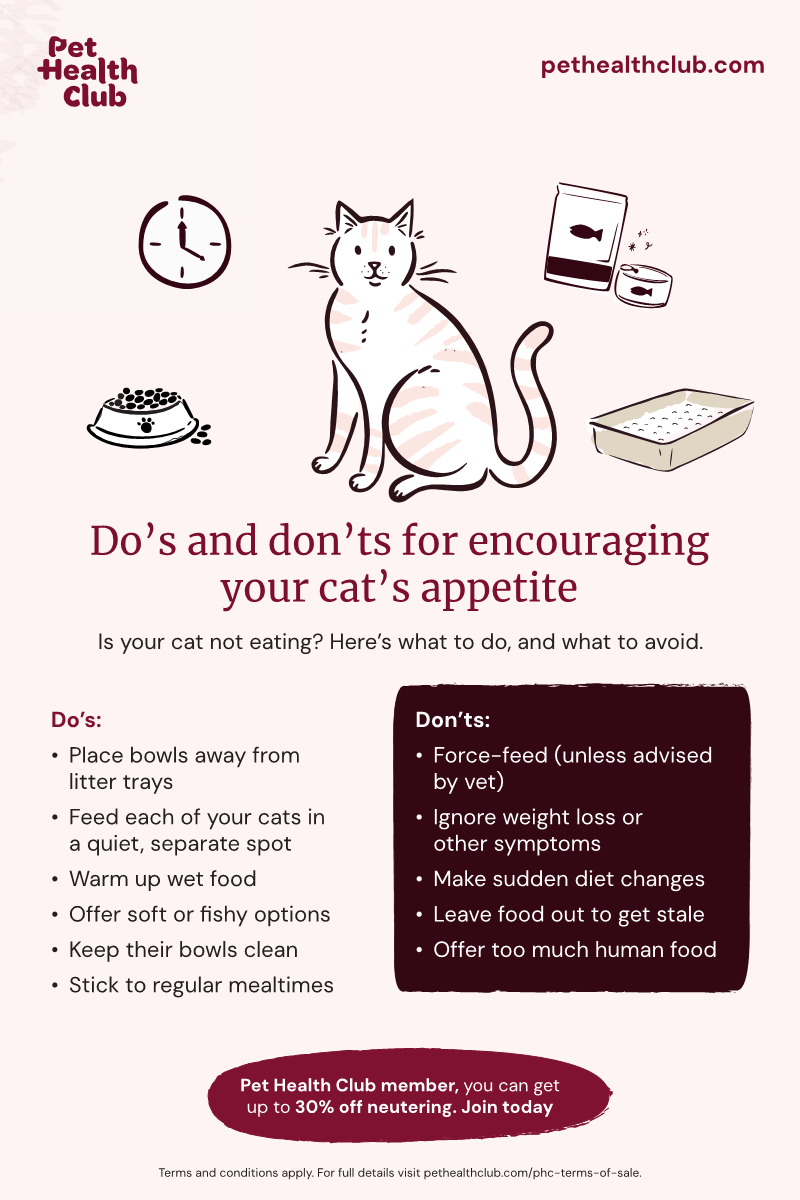
Credit: www.pethealthclub.com
Impact Of Food Freshness And Storage
Food freshness and storage greatly affect your cat’s interest in wet food. Cats depend on strong smells and tastes to eat. If food loses these qualities, your cat may refuse it. Poor storage can cause food to spoil or dry out. Both make the food less appealing and could harm your cat’s health. Proper care keeps wet food tasty and safe.
Spoiled Or Stale Food
Spoiled wet food has a bad smell and off taste. Bacteria and mold grow when food is left out too long. Stale food loses moisture and flavor. Cats quickly notice these changes and avoid eating. Spoiled food can cause stomach upset or illness. Always check the food’s appearance and smell before serving.
Proper Storage Techniques
- Store wet food in airtight containers to keep it fresh.
- Refrigerate opened cans or pouches within two hours.
- Use leftover food within 24 hours for best taste and safety.
- Keep food away from heat and direct sunlight.
- Use clean utensils to serve food and avoid contamination.
Following these simple steps helps maintain food quality. Fresh, well-stored food encourages your cat to eat happily.
Behavioral Factors Affecting Eating Habits
Behavioral factors play a big role in a cat’s eating habits. Cats are sensitive creatures. Changes in their mood or environment can make them lose interest in food. Understanding these behaviors helps find the cause of their refusal to eat wet food.
Stress And Anxiety
Cats often stop eating when stressed or anxious. Loud noises, new people, or other pets can cause this. Stress affects their appetite and digestion. Signs of stress include hiding, excessive grooming, or restlessness.
Stress can come from:
- Changes in routine
- New furniture or smells
- Separation from their owner
Reducing stress helps improve eating habits. Providing a quiet and safe space is key.
Environmental Changes
Changes in the cat’s environment impact their desire to eat. Moving to a new home or rearranging rooms can confuse them. Cats like familiar surroundings. Sudden changes make them uneasy and less likely to eat.
Other environmental factors include:
- Different feeding locations
- New bowls or feeding dishes
- Temperature shifts in the room
Keeping a consistent feeding spot helps cats feel secure. Gradual changes also ease their adjustment.

Credit: www.reddit.com
Diet Preferences And Palate Sensitivity
Cats can be surprisingly picky eaters, especially when it comes to wet food. Their diet preferences and sensitivity to flavors and textures play a huge role in why your cat might suddenly refuse her wet meals. Understanding what your cat likes and dislikes can help you find the right balance and keep her meals enjoyable.
Flavor And Ingredient Preferences
Your cat’s taste buds can be very selective. Some cats prefer stronger flavors like fish or poultry, while others might shy away from certain ingredients like grains or specific proteins. Have you noticed your cat sniffing her food and then walking away? That could mean she’s not thrilled with the flavor or ingredient mix.
Try offering small amounts of different wet food flavors to see which ones spark her interest. Remember, cats may develop new preferences over time, so it’s worth experimenting. Avoid sudden changes; instead, mix new flavors gradually with her current favorite to prevent rejection.
Temperature Preferences
The temperature of wet food can dramatically affect your cat’s willingness to eat. Cats often prefer their food at or near body temperature because it enhances the aroma and makes the meal more appealing. Serving cold food straight from the fridge might turn her off, even if it’s her favorite flavor.
Warm up the wet food slightly by placing the dish in warm water for a few minutes or microwaving it briefly—just enough to take the chill off. Have you tried warming her meals? It might be a simple change that encourages her to eat happily again.
Dental And Oral Health Problems
Dental and oral health issues can be a hidden reason why your cat suddenly refuses her wet food. These problems might cause pain or discomfort, making mealtime unpleasant. Understanding the impact of oral health on your cat's eating habits helps you take quick action to improve her wellbeing.
Pain Or Discomfort While Eating
If your cat has dental problems, eating wet food might hurt her gums or teeth. Pain can make her avoid chewing or even approaching her bowl. You might notice her dropping food or eating more slowly than usual.
Has your cat ever turned away from her favorite meal without any clear reason? This could be a sign she’s experiencing discomfort. Remember, cats often hide pain, so subtle changes in eating behavior are important clues.
Signs Of Dental Issues
- Bad breath that won’t go away
- Swollen or bleeding gums
- Excessive drooling
- Difficulty chewing or dropping food
- Pawing at the mouth or face
Spotting these signs early can save your cat from serious dental disease. If you observe any of these symptoms, a vet visit is essential. Your cat’s dental health directly affects her appetite and overall happiness.
When To Consult A Veterinarian
Knowing when to consult a veterinarian is important for your cat’s health. Cats may stop eating wet food for many reasons. Some are minor, but others need professional care. Understanding the signs that require a vet’s attention can save your cat from serious problems.
Persistent Refusal To Eat
Watch how long your cat refuses food. A one-time skip is normal. But refusal lasting more than 24 hours is a concern. Long periods without eating can lead to health issues. It may signal pain, illness, or dental problems. Consult a veterinarian if your cat avoids wet food for a day or more. Early help can prevent worsening conditions.
Other Symptoms To Watch For
Check for signs alongside not eating. These may include:
- Vomiting or diarrhea
- Weight loss
- Lethargy or weakness
- Excessive drooling
- Changes in behavior or hiding
- Difficulty breathing or coughing
Such symptoms suggest illness or pain. A vet can diagnose the cause and offer treatment. Don’t wait if your cat shows these signs. Prompt veterinary care ensures better recovery.
Tips To Encourage Wet Food Consumption
If your cat is turning her nose up at wet food, don't worry—you can take simple steps to make mealtime more appealing. Encouraging wet food consumption often requires patience and a bit of creativity. Here are practical tips that can help your feline friend develop a taste for her wet meals.
Gradual Food Transition
Sudden changes in diet can confuse or upset your cat. Try mixing a small amount of wet food into her regular dry food, slowly increasing the wet portion over several days. This gentle transition helps her adjust to new textures and flavors without stress.
Have you noticed your cat sniffing the new food but not eating it? Give her time. Some cats need a week or more to accept a different diet.
Enhancing Food Appeal
Wet food can sometimes seem bland to your cat. Warm it slightly to release enticing aromas—just a few seconds in the microwave will do. Adding a bit of low-sodium chicken broth or mixing in a tiny amount of tuna juice can make the meal irresistible.
Consider the texture, too. Some cats prefer pâté over chunks or vice versa. Offering different types may reveal what she likes best. Have you experimented with food temperature and texture to see what excites your cat’s appetite?

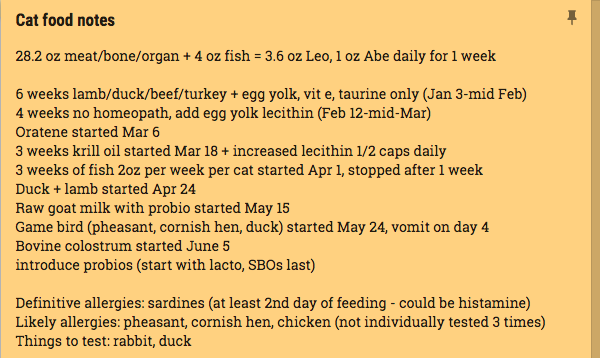
Credit: www.reddit.com
Frequently Asked Questions
Why Is My Cat Refusing Wet Food Suddenly?
Cats may refuse wet food due to illness, stress, or changes in flavor. Always check for health issues first. Try warming the food or changing flavors to entice appetite. If refusal continues, consult a veterinarian to rule out medical problems.
Can Dental Problems Cause A Cat To Avoid Wet Food?
Yes, dental pain or mouth sores can make eating wet food uncomfortable. Cats with dental issues may prefer softer or different textured foods. A vet checkup is important to diagnose and treat dental problems to restore your cat’s appetite.
How Does Wet Food Temperature Affect My Cat’s Eating?
Cats prefer wet food at room temperature as it enhances aroma and taste. Cold food from the fridge can deter cats from eating. Warming food slightly can make it more appealing and encourage your cat to eat.
Could Stress Make My Cat Stop Eating Wet Food?
Stress from changes in environment or routine can reduce your cat’s appetite. Cats often refuse food when anxious or scared. Provide a calm, quiet eating area and maintain regular feeding schedules to help reduce stress-related eating issues.
Conclusion
Cats can stop eating wet food for many reasons. Health issues, taste changes, or stress may affect appetite. Watch your cat closely and try different foods. Keep her environment calm and comfortable. Consult a vet if she refuses to eat for days.
Early action helps your cat stay healthy and happy. Understanding your cat’s needs is key to solving feeding problems. Don’t give up—patience often brings good results.