
Have you ever walked into your home and been hit by an unexpected smell—like a wet dog that just came inside? It’s confusing and a bit unpleasant, especially when you don’t have a furry friend around.
You might wonder, "Why does my house smell like wet dog? " This annoying odor can sneak up on you and linger, making your cozy space feel less inviting. But don’t worry—understanding the reasons behind this smell is the first step to fixing it.
Keep reading, and you’ll discover the simple causes and easy solutions to bring fresh, clean air back into your home.
Common Causes Of Wet Dog Smell
Wondering why your house smells like wet dog? That unmistakable, musty odor can be frustrating and embarrassing. Understanding the common causes can help you pinpoint the source and take action fast.
Pet-related Sources
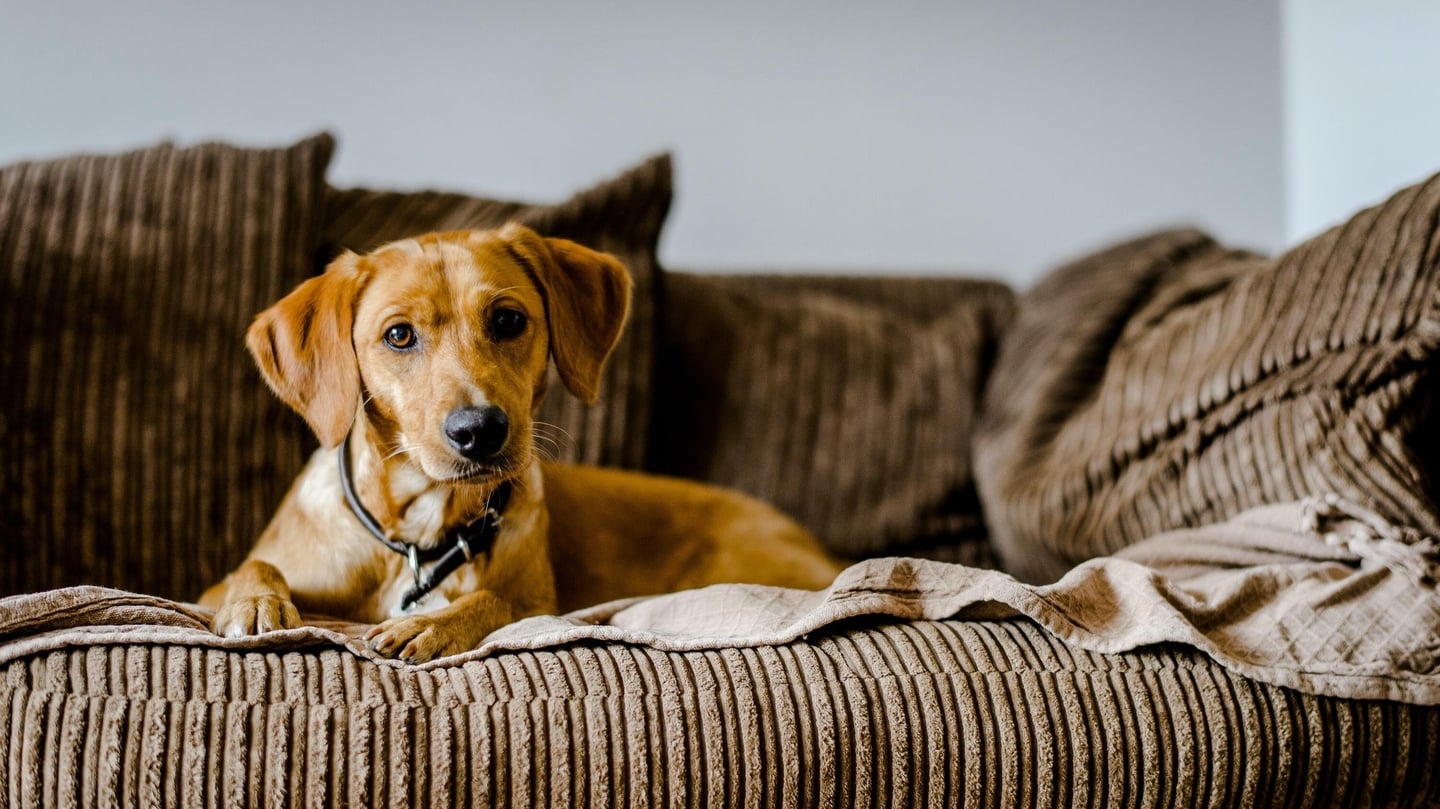
If you have dogs or other pets, they’re often the main culprits. Wet fur traps moisture and bacteria, creating that damp smell. Even if your pet isn’t wet, oils and dirt from their coat can linger on furniture and floors.
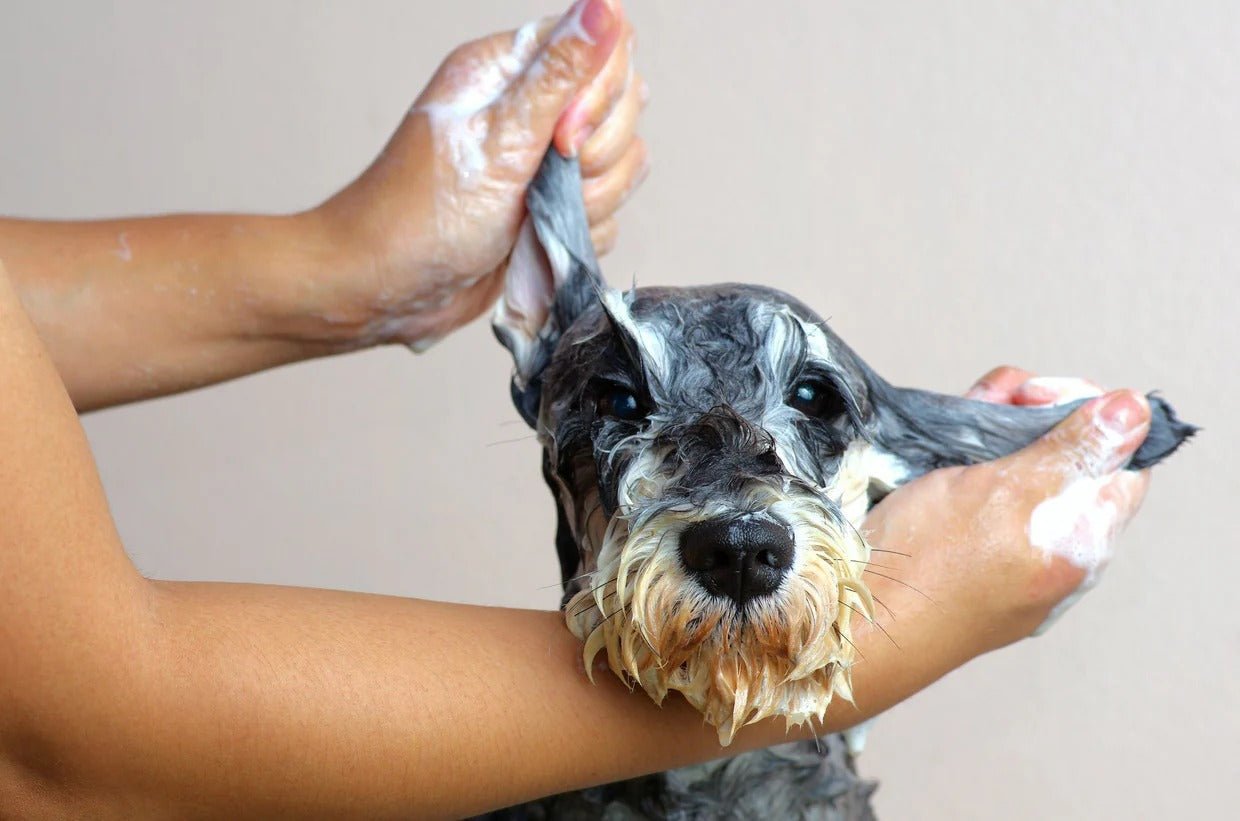
Have you noticed the smell gets stronger after your dog’s bath or a rainy walk? Regular grooming and cleaning pet bedding can reduce this odor significantly.
Moisture And Mold
Moisture is a key factor behind the wet dog smell. Mold and mildew thrive in damp environments like basements, bathrooms, or poorly ventilated rooms. Their growth releases musty odors that mimic wet dog smells.
Check for visible mold spots or damp patches on walls and ceilings. Fixing leaks and improving airflow often solves the problem quickly.
Plumbing Issues
Hidden plumbing leaks can saturate areas behind walls and under floors, creating a persistent wet dog smell. Even small leaks in pipes or drains can cause moisture buildup.
Have you noticed the smell near sinks, toilets, or water heaters? Inspect these spots carefully or call a professional plumber to avoid structural damage and odors.
Carpet And Upholstery
Carpets and upholstered furniture absorb moisture and odors easily. Spills, pet accidents, or high humidity can soak into fibers and cause that unpleasant wet dog scent.
Regular deep cleaning and using deodorizers can keep these surfaces fresh. Consider replacing old or heavily soiled carpets if the smell persists.
Hidden Damp Areas
Sometimes, the source isn’t obvious. Dampness can hide in crawl spaces, behind wallpaper, or under floorboards. These areas trap moisture and create stale, wet dog-like smells.
Have you explored less visible corners of your home? Using a moisture meter or professional inspection can uncover hidden wet spots you might miss.
Credit: animology.co.uk
Identifying The Smell's Origin
Tracking down the source of that persistent wet dog smell in your home can feel like a mystery. Before you can eliminate the odor, you need to know exactly where it’s coming from. Pinpointing the origin helps you take the right action and keeps your living space fresh and inviting.
Inspecting Pet Areas
Start by closely examining spots where your pets spend most of their time. Check their beds, crates, and favorite lounging areas for dampness or hidden dirt that might cause odor. Sometimes a wet collar or a forgotten damp towel near these areas can be the culprit.
Think about your pet’s recent activities—did they come in from a rainy walk or swim? These details can help you identify if the smell is tied to a specific place or item.
Checking For Leaks
Leaks are sneaky sources of wet dog smells. Inspect under sinks, around water heaters, and near pipes for any signs of moisture. Even a small, slow drip can create a damp environment where odors thrive.
Have you noticed any spots on walls or floors that feel unusually moist? Moisture trapped behind walls or under flooring can harbor mold and mildew, which often smell like wet dog.
Examining Fabrics And Furniture
Fabric absorbs odors easily, so check sofas, curtains, and rugs for damp spots or stains. If your pet has had an accident or rolled in something outside, fabrics can hold onto that scent for a long time.
Don’t forget to look under cushions and inside furniture seams. Sometimes the smell hides where you least expect it.
Using Smell Detection Tools
Technology can lend a hand in pinpointing stubborn odors. Portable electronic noses or odor detection kits can help you locate the source more precisely. These tools are especially useful when the smell seems to come and go or is difficult to trace.
Have you tried using simple tricks like sniffing with a damp cloth or using a fan to circulate air? Sometimes enhancing airflow can help you isolate where the odor is strongest.
Quick Fixes To Eliminate Odor
Dealing with a persistent wet dog smell in your home can be frustrating. Fortunately, there are several quick fixes that can help you eliminate the odor effectively. These practical steps focus on cleaning, deodorizing, and improving your home's environment to restore freshness swiftly.
Cleaning And Drying Affected Areas
Start by identifying where the smell is strongest—this is usually where moisture has settled. Clean these areas thoroughly using a mixture of warm water and mild detergent. Don't forget to dry them completely afterward; dampness encourages odor-causing bacteria and mold.
Carpets, rugs, and upholstery often trap moisture. Using a wet/dry vacuum or fans can speed up drying. Have you checked under furniture or behind curtains where moisture might hide?
Using Natural Deodorizers
Natural deodorizers like baking soda and white vinegar are excellent at neutralizing odors without harsh chemicals. Sprinkle baking soda on carpets and let it sit for several hours before vacuuming it up. You can also place bowls of vinegar around the room to absorb smells overnight.
Lemon juice diluted in water is another fresh-smelling option. These remedies are budget-friendly and safe around pets, making them perfect for quick odor fixes.
Improving Ventilation
Good airflow is crucial to prevent and remove lingering odors. Open windows and doors whenever possible to let fresh air circulate. If your home feels stuffy, use fans or air purifiers to boost ventilation.
Have you considered installing a dehumidifier? Lowering indoor humidity can stop damp smells from developing in the first place.
Addressing Mold And Mildew
Mold and mildew often cause musty, wet dog-like smells. Inspect hidden spots such as under sinks, behind appliances, and in basements. Use a mixture of water and bleach or a commercial mold remover to clean affected areas thoroughly.
Wearing gloves and ensuring good ventilation during this process is important. If mold keeps returning, it might be time to consult a professional to find the source.
Pet Hygiene Tips
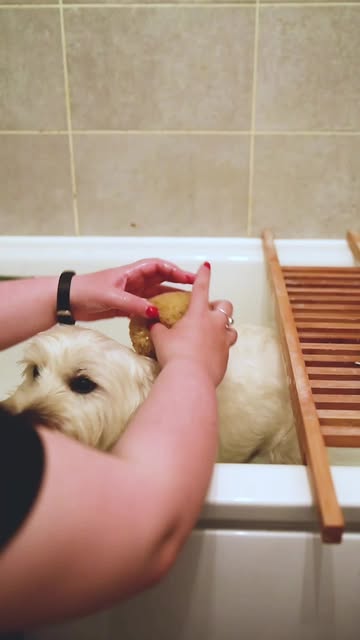
Your pet’s cleanliness directly impacts your home’s smell. Regular baths and brushing reduce the buildup of oils and dirt that cause odors. Pay special attention after rainy walks or swims, as wet fur can create that damp dog smell indoors.
Also, wash pet bedding frequently and vacuum areas where your pet spends most time. Could a simple grooming routine be the key to fresher air in your home?
Credit: www.rte.ie
Preventing Future Wet Dog Smells
Preventing future wet dog smells in your home requires a mix of good habits and smart maintenance. Keeping your space fresh means tackling the source and environment. Focus on cleaning, moisture, pet care, and home upkeep. Each plays a key role in stopping that damp, musty odor from sticking around.
Regular Cleaning Routine
Clean floors and furniture often to remove dirt and hair. Vacuum carpets and rugs regularly to capture pet dander. Wash pet bedding and blankets at least once a week. Use pet-safe cleaning products to avoid irritating your dog’s skin. Spot clean accidents immediately to prevent odors from settling. Clean hard surfaces with a mixture of vinegar and water for natural freshness.
Moisture Control Strategies
Reduce humidity inside your home to stop damp smells. Use a dehumidifier in basements or damp rooms. Fix leaks in plumbing and roofs quickly to avoid mold growth. Open windows for fresh air when weather allows. Dry wet areas like floors and pet beds promptly. Keep towels and rugs dry and replace them if they stay damp.
Pet Care Practices
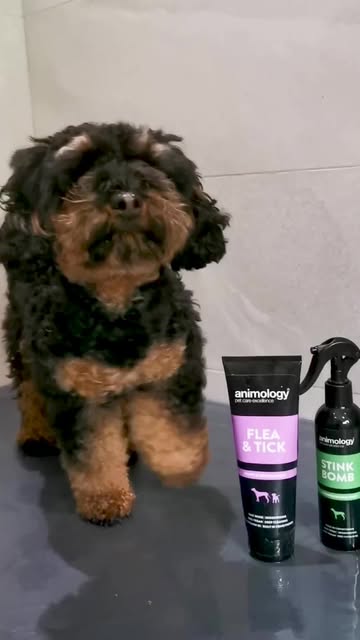
Keep your dog clean with regular baths using gentle shampoo. Dry your dog thoroughly after baths or walks in rain. Brush your dog’s coat often to remove loose fur and dirt. Check ears and paws for infections that cause odors. Maintain a healthy diet to reduce body odor. Trim fur around the dog’s face and paws to help stay clean.
Home Maintenance Tips
Inspect and clean air filters in your HVAC system regularly. Use air purifiers to reduce pet dander and odors in the air. Seal cracks and gaps where moisture can enter your home. Clean and deodorize upholstery and curtains periodically. Store pet items in well-ventilated areas. Use baking soda on carpets and furniture to absorb smells before vacuuming.
When To Call A Professional
Knowing when to call a professional can save time and prevent damage. Some smells need expert attention beyond basic cleaning. Early action helps keep your home safe and fresh.
Persistent Odor Issues
Sometimes, the wet dog smell stays no matter what you do. If sprays and cleaning do not work, a professional can find hidden causes. They use tools to detect odors you cannot see or reach.
Hidden Mold Problems
Mold often hides behind walls or under floors. It creates a damp, musty smell similar to wet dog odor. Professionals inspect and test for mold safely. They remove mold to protect your health and home.
Plumbing And Structural Concerns
Leaky pipes or water damage can cause bad smells. Water trapped in walls or floors leads to odors and decay. Experts check plumbing and structure for leaks and fix them. This stops smells and prevents costly repairs later.
Credit: animology.co.uk
Frequently Asked Questions
Why Does My House Smell Like Wet Dog After Rain?
A wet dog odor often comes from damp carpets or upholstery after rain. Moisture trapped indoors encourages bacteria and mold growth, causing the smell. Proper ventilation and quick drying of fabrics help prevent this issue.
Can Mold Cause A Wet Dog Smell In My Home?
Yes, mold and mildew produce a musty, wet dog-like smell. They thrive in damp, poorly ventilated areas. Regular cleaning, dehumidifying, and fixing leaks reduce mold growth and eliminate the odor.
How Do I Remove Wet Dog Smell From Carpets?
Use baking soda and vacuum regularly to absorb odors. Steam cleaning with enzyme-based detergents breaks down odor-causing bacteria. Ensure carpets dry fully to prevent recurring smells.
Could Pet Odor Be Causing The Wet Dog Smell?
Yes, pet dander, saliva, and damp fur can cause this odor indoors. Regular pet grooming and cleaning pet bedding reduce lingering wet dog smells.
Conclusion
A house smelling like wet dog can be frustrating. Identifying the cause is crucial. Check for damp areas and clean thoroughly. Don't forget to wash pet bedding regularly. Using air fresheners or dehumidifiers can help. Open windows for fresh air circulation.
Regular cleaning can prevent smells. Consider professional cleaning if odors persist. A fresh-smelling home boosts comfort. You deserve a pleasant living space. Simple steps can make a big difference. Keep your home smelling fresh. Enjoy your clean, welcoming environment.