Have you ever walked into your home and been hit by an unpleasant smell that just won’t go away? If your house smells like cat pee, you’re not alone—and it can be really frustrating.
That strong, unpleasant odor can make your space feel uncomfortable and uninviting. But why does this happen, and more importantly, how can you fix it? You’ll discover the surprising reasons behind that stubborn smell and simple steps you can take to bring freshness back to your home.
Keep reading—your nose will thank you!
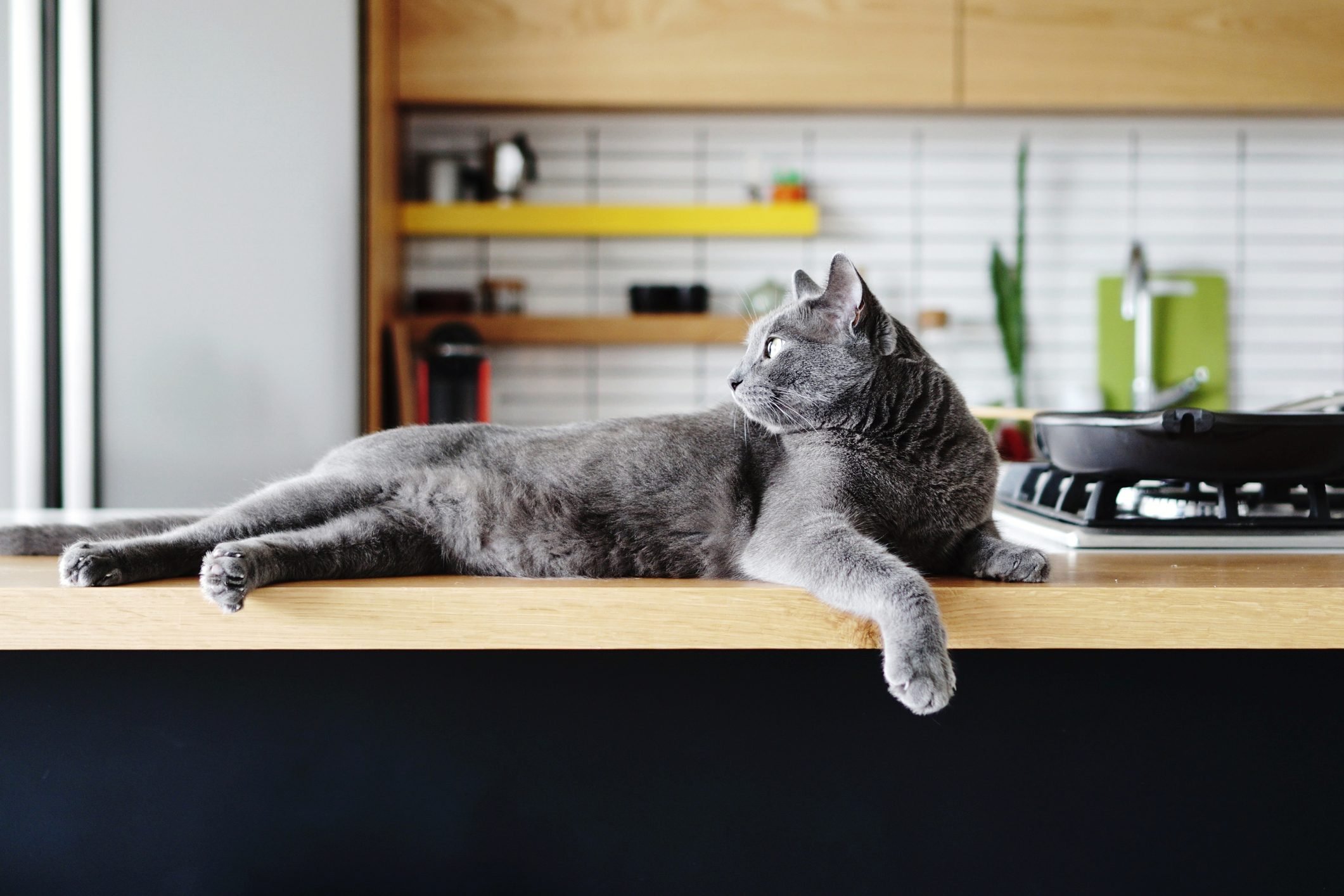
Credit: www.familyhandyman.com
Common Causes Of Cat Urine Odor
Cat urine odor in the house can be very frustrating. The smell is strong and lingers for a long time. Understanding why this odor happens helps you find the right solution. Many factors cause this problem, often hidden from plain sight. Cats have unique habits and health needs that affect where and why they pee. Identifying common causes can stop the smell from coming back.
Hidden Spots Cats Choose
Cats do not always use the litter box. Sometimes, they pick secret places to urinate. These spots can be under furniture, behind appliances, or inside closets. Small stains might go unnoticed but cause strong odors. Cats choose these spots for comfort or stress relief. Checking hidden areas regularly helps catch the problem early. Cleaning these areas well removes the smell and stops repeat visits.
Litter Box Issues
Dirty litter boxes cause cats to avoid them. If the box is not cleaned daily, cats look for other places. The wrong type of litter or a box in a noisy spot can also cause refusal. Sometimes, there are too few litter boxes in the house. Cats need a clean and quiet place for their bathroom needs. Proper litter box care reduces accidents and urine smell.
Medical Reasons Behind Urine Smell
Certain health problems make cats urinate more or in unusual places. Urinary tract infections, kidney disease, and diabetes are common causes. These conditions change urine smell and volume. A sick cat may not control its bladder well. If accidents start suddenly, a vet visit is important. Treating health issues stops urine odor and keeps cats healthy.
Identifying The Source Of The Smell
Finding the source of a cat pee smell in your house can be tricky. The odor often hides in places you might not expect. Identifying the exact spot helps you clean better and stop the smell from coming back.
Start by looking for stains and damp spots. Cat urine can soak into many materials. It leaves a strong, persistent odor that needs careful attention.
Using Uv Light To Detect Stains
UV light makes cat urine stains glow brightly. This light shows spots you cannot see with normal lighting. Turn off the lights and shine the UV light over floors and furniture. Look for yellow or green glowing patches. These indicate old or fresh urine stains.
Checking Furniture And Carpets
Cat urine often soaks into soft surfaces like sofas and carpets. Press your nose close to cushions and carpet fibers. Sniff carefully for strong smells. Remove cushions and check under them. Look for wet spots or discoloration. Treat these areas quickly to avoid permanent damage.
Inspecting Walls And Baseboards
Cats sometimes spray urine on walls or baseboards. Check these areas for stains or a strong smell. Use a cloth to wipe the surface and smell it. Look for peeling paint or damp spots. Cleaning here can stop the smell from spreading through the room.
Cleaning Techniques That Work
Dealing with the persistent smell of cat pee can be frustrating. Cleaning techniques that actually work are key to restoring freshness in your home. Knowing the right products and approaches can save you time and prevent the odor from coming back.
Enzyme Cleaners Vs. Regular Cleaners
Not all cleaners are created equal when it comes to removing cat urine odors. Regular cleaners might mask the smell temporarily, but they often fail to break down the urine molecules.
Enzyme cleaners use natural bacteria that digest the proteins in cat urine, eliminating the source of the odor. This means the smell disappears instead of just being covered up. Have you ever noticed that some products leave a lingering scent? Enzyme cleaners avoid this by targeting the problem at its root.
Diy Cleaning Solutions
If you prefer homemade options, a mix of vinegar and baking soda can be surprisingly effective. Vinegar neutralizes ammonia in cat urine, while baking soda absorbs moisture and odor.
Here’s a simple recipe: spray a solution of equal parts white vinegar and water on the affected area, let it sit for 5-10 minutes, then sprinkle baking soda on top. After it dries, vacuum it up thoroughly.
Using household ingredients not only saves money but also reduces exposure to harsh chemicals. Have you tried this method yet? It might just be the quick fix you need.
Removing Odor From Fabrics And Upholstery
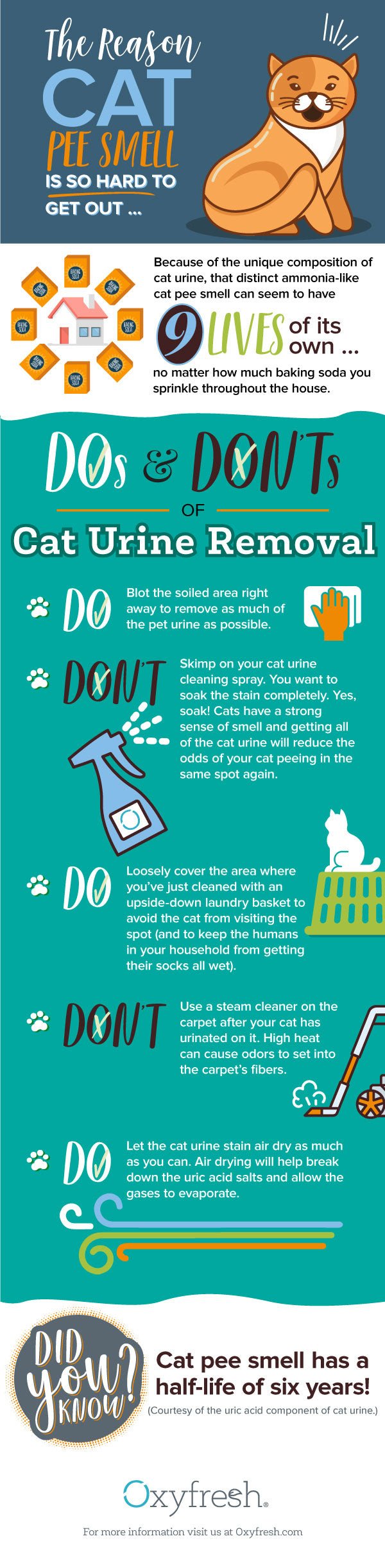
Fabric and upholstery can trap cat urine odors deeply, making them harder to clean. Start by blotting the area with paper towels to soak up as much urine as possible.
Next, apply an enzyme cleaner or your DIY vinegar solution, allowing it to penetrate the fibers. For stubborn smells, consider using a steam cleaner or professional upholstery cleaner to reach deeper layers.
Don’t forget to air dry the fabrics completely, since dampness can worsen odors. Have you noticed your couch still smells even after cleaning? Persistent moisture might be the culprit.

Credit: beginagaindecon.com
Preventing Future Odors
Preventing future odors from cat pee requires consistent care and attention. The smell can linger if not addressed properly. Taking proactive steps helps keep your home fresh and clean. Understanding how to manage your cat’s habits plays a key role. Small changes in routine can make a big difference.
Proper Litter Box Maintenance
Clean the litter box daily to remove waste. Use high-quality litter that absorbs moisture well. Replace the litter completely once a week. Wash the box with mild soap and water regularly. Avoid strong-smelling cleaners that can repel cats. Keep the litter box in a quiet, accessible spot. Provide one box per cat to reduce accidents.
Training Cats To Use Designated Areas
Encourage cats to use the litter box consistently. Place them gently in the box after meals or naps. Reward good behavior with treats or praise. Redirect cats to the box if they go elsewhere. Use calming sprays or diffusers to reduce stress. Block access to places where cats urinate outside the box. Keep the environment calm to prevent marking.
Using Odor Neutralizers
Use enzyme-based cleaners to break down urine odors. Spray affected areas thoroughly and let them dry. Avoid ammonia-based products that smell like urine. Place odor absorbers like baking soda in problem spots. Use air purifiers to improve indoor air quality. Regularly wash fabrics and cushions that hold smells. Replace carpets or pads if odors persist deeply.
When To Seek Professional Help
Persistent cat pee smell in your house can be tough to handle alone. Some odors hide deep in carpets, walls, or furniture. Knowing when to call a professional helps stop the smell fast. Professionals use special tools and cleaners that reach areas you cannot.
Persistent Odors Despite Cleaning
Cleaning once or twice may not remove all urine smells. Cat pee can soak into floors and fabrics. If odors stay after thorough cleaning, it signals a deeper problem. Professionals find hidden spots and treat them properly. Don’t let the smell linger and worsen over time.
Professional Odor Removal Services
Experts use strong, safe products designed for pet urine. They offer treatments like enzyme cleaners and ozone therapy. These methods break down the urine molecules fully. Professionals also use equipment that speeds up drying and removes odors from the air. This approach gives better, longer-lasting results than household cleaners.
Dealing With Structural Damage
Cat urine can cause damage inside walls and under floors. It may lead to mold or permanent stains. Professionals inspect and repair affected areas carefully. Sometimes, parts of flooring or drywall need replacement. Early professional help prevents costly repairs and keeps your home healthy.

Credit: www.familyhandyman.com
Frequently Asked Questions
Why Does My House Smell Like Cat Pee All Of A Sudden?
A sudden cat pee smell often means a hidden urine stain or your cat marking territory. Check carpets, furniture, and corners for stains. Clean thoroughly using enzyme-based cleaners to break down urine molecules and eliminate odors effectively.
Can Old Cat Urine Stains Cause Persistent Smells?
Yes, old cat urine stains can cause long-lasting smells. Urine soaks deep into porous materials like carpets and wood. Without proper cleaning, the smell will linger and worsen over time. Use specialized cleaners to neutralize these deep-set odors.
How Can I Find Hidden Cat Urine Spots In My Home?
Use a UV blacklight in a dark room to detect hidden urine spots. Cat urine glows under UV light, revealing stains invisible to the naked eye. Once found, clean these spots immediately to stop the smell from spreading.
Does A Dirty Litter Box Cause House To Smell Like Cat Pee?
A dirty litter box can emit strong cat urine odors. Regular cleaning and changing litter prevents smell buildup. Use clumping litter and scoop daily to maintain freshness and reduce unwanted smells in your home.
Conclusion
A house smelling like cat pee can be frustrating. But solutions exist. Identify the source first. Check for hidden messes from pets or water leaks. Clean thoroughly using enzyme cleaners. They work best. Maintain regular cleaning to prevent odors. Ventilation helps too.
Fresh air reduces smells. Consider professional help if the problem persists. Experts can find hidden issues. Living in a fresh-smelling home is possible. With these steps, you can enjoy a pleasant environment. Your house can smell nice again. Fresh and inviting.