
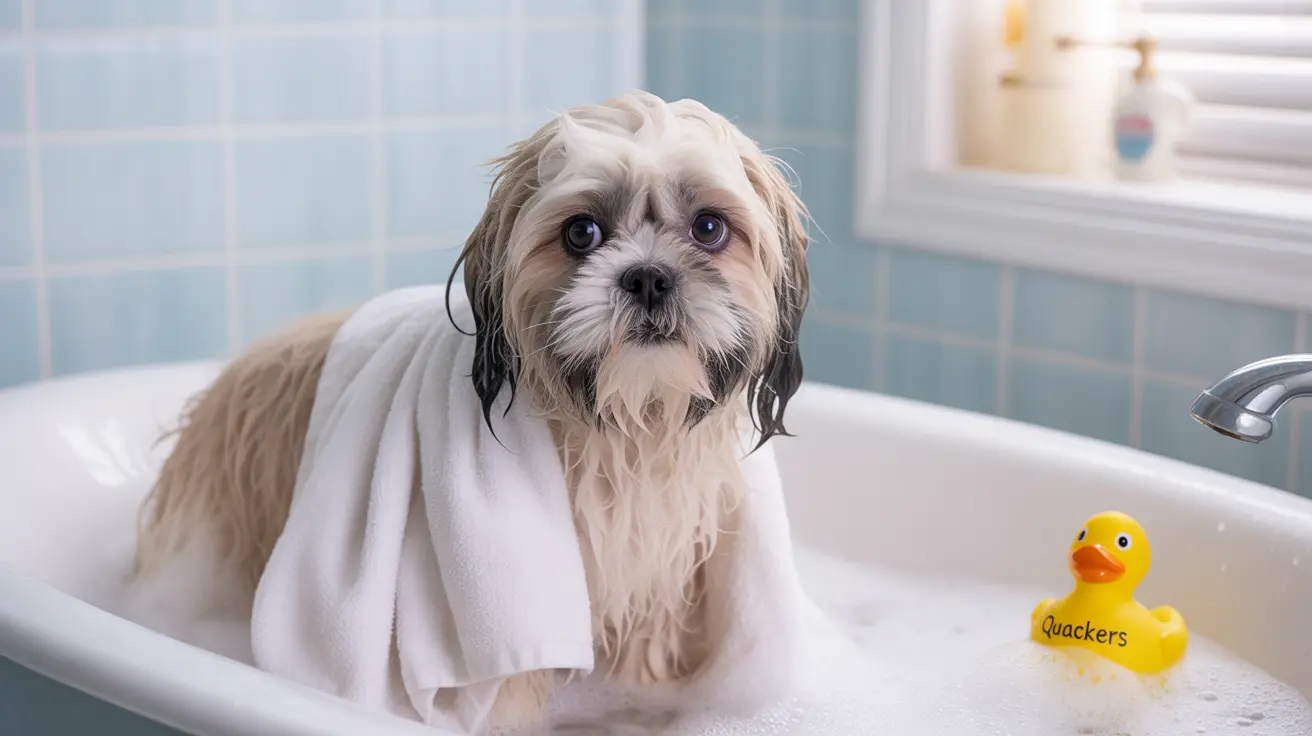
Have you ever given your dog a bath, only to notice that unpleasant smell lingers long after? You wonder, “Why does my dog stink even after a bath?” It’s frustrating when your furry friend should be fresh and clean, but that stubborn odor just won’t go away.
Understanding the reasons behind this problem can help you fix it quickly and keep your dog smelling great. Keep reading, and you’ll discover simple, effective tips to tackle that persistent doggy smell for good.
Credit: paradepets.com
Common Causes Of Dog Odor
Noticing a lingering odor from your dog even after a thorough bath can be frustrating. The cause of persistent dog odor often lies beneath the surface. Understanding the common reasons behind this smell can help you tackle the problem effectively and keep your furry friend fresh and healthy.
Skin Infections And Irritations
Your dog’s skin can harbor bacteria and yeast that cause unpleasant odors. These infections often develop in moist or sensitive areas, like skin folds or under the collar. If your dog scratches or licks excessively, it might be a sign of an underlying skin issue that regular baths can't fix.
Have you noticed redness, flakiness, or sores on your dog’s skin? These symptoms often accompany infections and need veterinary attention. Treating the infection directly will reduce the smell far better than just masking it with shampoo.
Ear Infections
Dog ears are prone to infections, especially in breeds with floppy ears or lots of hair inside the ear canal. Ear infections produce a strong, musty odor that can persist even after a bath. This smell often comes with scratching, head shaking, or discharge.
Regular ear cleaning can prevent buildup, but if the odor continues, it’s time to see a vet. Ignoring ear infections can lead to pain and more serious health problems, so addressing this cause is crucial for your dog’s comfort and odor control.
Dental Problems
Bad breath in dogs can make the whole body seem smelly. Dental issues like tartar buildup, gum disease, or tooth decay create foul odors that no bath can eliminate. Pay attention if your dog’s breath smells sour or if they have difficulty eating.
Brushing your dog’s teeth regularly and scheduling dental checkups are key steps you can take. Sometimes, professional cleaning is necessary to remove the root cause of the odor. Have you checked your dog’s mouth lately?
Anal Gland Issues
Anal glands produce a strong-smelling fluid that can cause a noticeable odor if they are full or infected. Dogs often express discomfort by scooting their rear on the floor or licking the area excessively. This scent is quite distinct and won’t go away with a bath alone.
Some dogs need their anal glands expressed regularly by a vet or groomer. If your dog smells bad in this area, don’t ignore it—this problem can become painful and cause infections. Could this be the hidden source of your dog’s stubborn smell?
Bathing Mistakes That Cause Odor
Bathing your dog is key to keeping them clean and smelling fresh. Yet, some common bathing mistakes can cause your dog to still smell bad after a bath. These errors often happen without you realizing it. Understanding these mistakes helps keep your dog clean and smelling great for longer.
Using The Wrong Shampoo
Choosing the right shampoo is important. Human shampoos or harsh soaps can irritate your dog's skin. This irritation may lead to odor and discomfort. Dog shampoos are made to clean without drying out the skin. They also help fight bacteria and bad smells. Use a shampoo designed for your dog's coat type and skin condition.
Not Rinsing Properly
Rinsing your dog well after shampooing is crucial. Leftover shampoo can cause skin irritation and a bad smell. Make sure to rinse all the soap out of the fur. Use plenty of clean water and check hidden areas like under the belly and ears. Proper rinsing keeps the coat clean and odor-free.
Bathing Too Often Or Too Rarely
Bathing your dog too much strips natural oils from the skin. This can cause dryness, itchiness, and odor. On the other hand, bathing too little lets dirt and bacteria build up. This also leads to bad smells. Find a balance based on your dog’s breed and activity level. Regular but not excessive baths keep your dog healthy and fresh.
Diet And Its Impact On Smell
Your dog's diet plays a bigger role in their smell than you might expect. What your dog eats affects their skin health, coat condition, and even the oils their body produces. If your dog still smells bad after a bath, their diet could be the hidden culprit.
Poor Nutrition And Odor
Poor nutrition can lead to a smelly dog no matter how often you bathe them. Low-quality dog food often contains fillers, artificial additives, and cheap ingredients that don’t support skin health. This can cause oily, flaky skin or excessive shedding, which in turn produces unpleasant odors.
I once switched my dog’s food from a budget brand to a high-quality, grain-free option, and the difference was clear. Within weeks, the natural smell faded, and his coat became softer and shinier. This shows how much diet impacts odor beyond just cleanliness.
Ask yourself: is your dog’s food helping their body stay healthy, or is it just filling their belly?
Food Allergies And Sensitivities
Food allergies and sensitivities can also cause your dog to develop a bad odor. Allergic reactions often lead to skin inflammation, hot spots, and excessive licking or scratching. These behaviors can cause infections that smell bad and persist even after bathing.
Common allergens include beef, dairy, wheat, and chicken. If your dog’s smell worsens after eating certain foods, it might be time to try an elimination diet or consult your vet. Identifying and removing trigger foods can reduce skin problems and improve their scent.
Think about your dog’s behavior after meals. Do they scratch more or seem uncomfortable? Monitoring these signs can help you find the right diet to keep your dog smelling fresh and feeling good.
Credit: animology.co.uk
Environmental Factors
Environmental factors often play a surprising role in why your dog might still smell after a bath. Even if you give them a thorough wash, things in their surroundings can cling to their fur or skin, causing that stubborn odor to linger. Understanding these factors can help you tackle the problem more effectively.
Rolling In Smelly Substances
Dogs love to roll in things that might seem gross to us—rotting leaves, animal droppings, or even dead fish. This behavior is natural but can leave strong odors trapped in their coat.
Think about the last time your dog came inside smelling like the outdoors. Washing might not fully remove the smell if it’s deeply embedded. Try checking your yard or walks for spots your dog might be drawn to and discourage this behavior with distractions or toys.
Exposure To Dampness Or Mold
Damp environments, like wet grass, basements, or poorly ventilated areas, can cause your dog’s fur to hold onto moisture and develop a musty smell. Mold and mildew spores can attach to their coat, creating a persistent odor that soap alone might not fix.
If your dog spends time in damp places, make sure to dry them thoroughly after baths or walks. You might even want to use a pet-safe deodorizing spray designed to neutralize these smells without irritating their skin.
When To See A Vet
Noticing a persistent bad odor on your dog even after a bath can be frustrating. It might be tempting to just wash them more often, but sometimes the smell signals something more serious. Knowing when to see a vet can save your furry friend from discomfort and prevent bigger health issues.
Signs Of Serious Health Problems
Keep an eye out for these signs that suggest your dog’s odor might be linked to health issues:
- Skin redness or inflammation:Constant scratching or visible sores can mean infections or allergies.
- Unusual discharge:Foul smells from ears, eyes, or genital areas often indicate infections.
- Changes in behavior:If your dog seems lethargic or is shaking, it could be a sign of discomfort or illness.
- Persistent bad breath:This might point to dental problems or internal issues.
Have you noticed any of these symptoms alongside the smell? Ignoring them can worsen the condition quickly.
Treatment Options For Persistent Odors
Your vet will start by identifying the root cause of the odor through a physical exam and possibly lab tests. Treatment depends on the diagnosis but often includes:
- Medicated shampoos:These target specific skin infections or parasites.
- Antibiotics or antifungal meds:Used if bacteria or fungi are causing the smell.
- Diet changes:Sometimes food allergies or poor digestion contribute to odor.
- Cleaning ear canals or teeth:Addressing hidden sources of bad smells.
One dog owner I know struggled with this for weeks until the vet prescribed a medicated shampoo that cleared the problem within days. What’s your plan if a simple bath doesn’t fix the smell?

Credit: www.chewy.com
Tips To Keep Your Dog Smelling Fresh
Keeping your dog smelling fresh is easier than you think. A few simple habits can make a big difference. These tips help control odors and keep your pet happy and clean.
Proper Grooming Routine
Regular brushing removes dirt and loose fur. It also spreads natural oils that keep skin healthy. Bath your dog with a gentle shampoo made for pets. Dry your dog completely to avoid damp smells. Clean ears and trim nails often to prevent bacteria buildup.
Diet Adjustments
A balanced diet affects your dog’s smell. High-quality food improves skin and coat health. Avoid foods with fillers or artificial ingredients. Some dogs benefit from adding omega-3 fatty acids. These reduce inflammation and keep fur shiny.
Regular Vet Checkups
Vet visits catch hidden health issues causing bad odor. Skin infections, allergies, or dental problems often cause smells. Early treatment stops odors from worsening. Ask your vet about safe skin and coat supplements. Regular checkups keep your dog fresh and healthy.
Frequently Asked Questions
Why Does My Dog Still Smell After A Bath?
Dogs can retain odors due to skin oils, infections, or improper rinsing. Bathing removes dirt but not always bacteria or yeast. Using a dog-friendly shampoo and drying thoroughly helps reduce lingering smells effectively.
How Often Should I Bathe My Smelly Dog?
Bathing frequency depends on breed and activity but generally every 4-6 weeks is ideal. Overbathing can dry skin and worsen odor. Regular brushing and cleaning ears also reduce unpleasant smells between baths.
Can Dog Skin Infections Cause Bad Odor?
Yes, bacterial and yeast infections often cause foul smells. These infections thrive in moist areas like ears and skin folds. Treating infections with vet-approved medication eliminates odor and promotes healthy skin.
Does Diet Affect My Dog's Smell?
Poor diet or allergies can cause skin issues and odor. High-quality food supports skin health and reduces smell. Consult your vet if diet-related allergies or sensitivities are suspected in your dog.
Conclusion
A smelly dog after a bath can frustrate any owner. Possible causes include skin infections or ear problems. Allergies might be another reason for the odor. Check your dog's diet, too. Poor nutrition can affect their smell. Regular grooming helps maintain your dog's cleanliness.
Consult a vet if the smell persists. Identifying the root cause is crucial. A fresh-smelling dog makes everyone happy. Keep your furry friend healthy and clean. It's worth the effort.