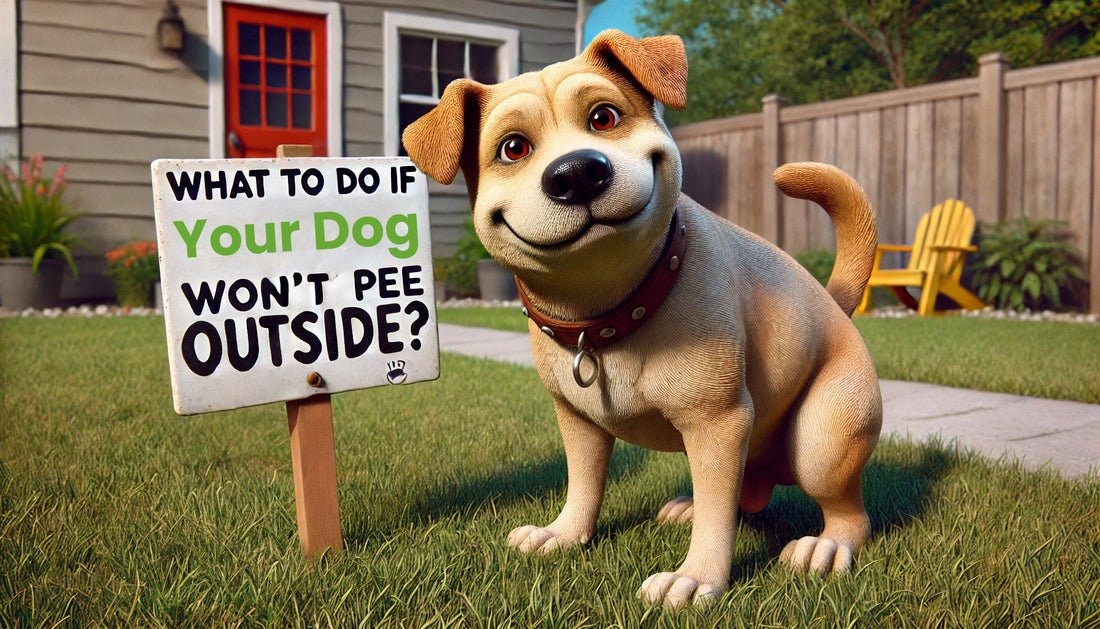
Have you ever stepped outside with your dog, expecting a quick potty break, only to face stubborn refusal? It’s frustrating, confusing, and can make daily walks feel like a battle.
You’re not alone—many dog owners wonder why their furry friend suddenly won’t go potty outside. Understanding the reasons behind this behavior is the first step to fixing it. Keep reading, and you’ll discover simple, effective ways to help your dog feel comfortable and confident when it’s time to go.
Credit: www.woofz.com
Common Reasons Dogs Avoid Outside
Many dogs refuse to go potty outside for several common reasons. Understanding these reasons helps address the problem with patience and care.
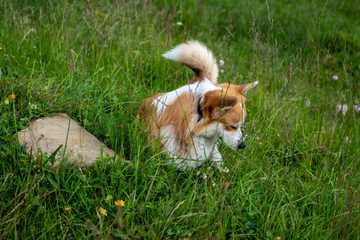
Dogs may feel uneasy or stressed outside. Sometimes, past events make them wary of the outdoors. Other times, distractions in the environment pull their attention away from potty time.
Fear And Anxiety Triggers
Strange noises or sudden movements can scare dogs outdoors. Loud traffic, other animals, or unfamiliar people may cause anxiety. A nervous dog avoids going potty outside to stay safe.
Negative Past Experiences
Bad memories linked to outdoor potty time affect behavior. If a dog was punished or startled outside, it may refuse to go. This past fear can create resistance to potty training outdoors.
Environmental Distractions
Outside holds many sights and smells that distract dogs. Birds, squirrels, or other dogs attract their attention easily. These distractions make it hard for dogs to focus on potty time.
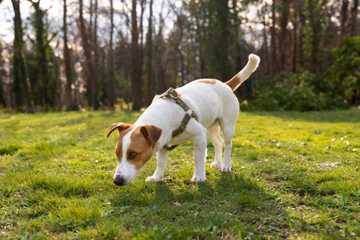
Credit: www.woofz.com
Health Issues Affecting Potty Habits
Health problems can change how dogs behave about going potty outside. Pain or discomfort often makes them avoid outdoor bathroom trips. Recognizing these health issues helps owners support their pets better. Here are some common health problems that affect potty habits.
Urinary Tract Infections
Urinary tract infections cause pain during urination. Dogs may try to hold their urine to avoid the pain. This can make them refuse to go outside to potty. Signs include frequent attempts to urinate and licking the genital area.
Digestive Problems
Digestive issues like constipation or diarrhea make potty time uncomfortable. Dogs might avoid going outside because they fear accidents. Stomach pain or cramps can also cause reluctance to eliminate outdoors.
Mobility Challenges
Older dogs or those with arthritis may find it hard to walk outside. Joint pain or stiffness limits their movement. These dogs often stay indoors to avoid discomfort during potty breaks. Adjusting potty routines can help manage this problem.
Behavioral Factors
Behavioral factors often play a big role when your dog refuses to go potty outside. Understanding these behaviors can help you address the root cause and make outdoor potty time easier for both of you. Sometimes, it’s not about physical issues but what’s going on in your dog’s mind.
Lack Of Proper Training
Dogs need clear guidance to learn where and when to go potty. If training was inconsistent or rushed, your dog might feel confused about outdoor potty rules. Have you noticed if your dog seems unsure or hesitant when you take them outside?
Try setting a regular schedule and rewarding your dog immediately after they go outside. Patience and repetition often work better than frustration or punishment. Small, positive steps build a stronger habit over time.
Territorial Marking
Dogs sometimes refuse to potty outside because they want to mark their territory in specific spots. This behavior is common in males but can occur in females too. Your dog might be holding back or choosing unusual places to leave their scent.
To manage this, pay attention to where your dog prefers to go and gently guide them to appropriate areas. You might also notice other dogs’ scents affecting your dog’s comfort level. Could your dog be reacting to another animal’s presence?
Attention-seeking Behavior
Some dogs learn that holding their potty breaks inside gets your attention, even if it’s negative. If your dog feels ignored or bored, this behavior can be a way to engage with you. Have you seen your dog act differently when they need a bathroom break?
Offering more playtime and affection during potty training can reduce this behavior. Make outdoor time fun and rewarding so your dog looks forward to it instead of resisting. What new game or treat could you add to make potty breaks more exciting?
Environmental Influences
Environmental factors play a huge role in your dog’s willingness to go potty outside. Sometimes, the surroundings just don’t feel right to them, and that can lead to refusals. Understanding these influences can help you create a more comfortable and inviting outdoor potty experience for your dog.
Weather Conditions
Dogs can be sensitive to weather just like humans. Rain, snow, extreme heat, or cold can make your dog reluctant to step outside. Have you noticed your dog hesitating when the ground is wet or the wind is strong? This discomfort can stop them from wanting to go potty outside.
Try observing your dog during different weather conditions. You might find they prefer dry, calm days. Offering a sheltered spot or using a raincoat can sometimes encourage them to brave the outdoors.
Unfamiliar Surroundings
New or strange environments can make your dog uneasy. If you’ve recently moved or visit a new park, your dog might refuse to go potty due to unfamiliar smells and sights. Dogs rely heavily on familiar cues, so a sudden change can throw them off.
Spend time allowing your dog to explore new areas without pressure. Gradually, they’ll feel more secure and willing to relieve themselves. Have you tried bringing a favorite toy or blanket to make the space feel more like home?
Presence Of Other Animals
Other animals, especially unfamiliar dogs, can cause stress or distraction. Your dog might feel threatened or too excited to focus on going potty. Sometimes, territorial instincts kick in, and they hold it in until the coast is clear.
Observe how your dog reacts to nearby animals during potty time. If they seem anxious, try changing your route or timing to avoid busy spots. Could a quieter, less crowded area help your dog relax and do their business comfortably?
Strategies To Encourage Outdoor Potty
Getting your dog comfortable with going potty outside can be challenging, but there are clear strategies that make the process smoother for both of you. It’s about building trust, consistency, and motivation. Let’s look at ways you can encourage your dog to see outdoor potty time as a positive and natural part of their day.
Creating A Positive Routine
Dogs thrive on routine. Set specific times each day for outdoor potty breaks, such as first thing in the morning, after meals, and before bedtime. Consistency helps your dog understand when and where they should go.
Try to keep the environment calm and free from distractions during these times. If your dog feels rushed or stressed, they might resist going outside. Have patience and keep the atmosphere positive to build good habits.
Using Reward-based Training
Rewards speak louder than words to dogs. Every time your dog goes potty outside, immediately praise them with a treat or affection. This clear connection between the action and a positive outcome motivates your dog to repeat the behavior.
Be specific with your praise. Use the same word or phrase, like “Go potty,” when encouraging them. This helps your dog associate the command with the action and the reward.
Gradual Exposure To Outside Spaces
If your dog seems hesitant about going outside, start slow. Take short trips to the yard or nearby park without expecting them to potty right away. Let them explore and get comfortable with the environment.
Increase the time spent outside little by little. This gradual exposure reduces anxiety and builds confidence. You might notice that once your dog feels safe outside, potty breaks become easier and more consistent.
When To Consult A Veterinarian
Knowing when to consult a veterinarian is crucial if your dog refuses to go potty outside. Sometimes, this behavior signals an underlying health problem. Other times, it may stem from anxiety or past trauma. Paying close attention to your dog's habits helps decide the best action.
Identifying Medical Concerns
Medical issues often cause sudden potty refusal. Watch for signs like:
- Frequent accidents inside the house
- Straining or discomfort during urination
- Blood in urine or stool
- Excessive licking of the genital area
- Changes in appetite or energy levels
Such symptoms require prompt veterinary evaluation. The vet can rule out infections, bladder stones, or other health problems. Early diagnosis prevents worsening conditions and eases your dog's discomfort.
Behavioral Therapy Options
When medical causes are excluded, behavior plays a major role. A vet may recommend behavioral therapy to address anxiety or fear. These therapies include:
- Positive reinforcement training
- Gradual desensitization to outdoor environments
- Creating a consistent potty schedule
- Using calming aids or supplements
- Referral to a professional animal behaviorist
Behavioral therapy improves your dog's confidence and comfort outside. It also strengthens the bond between you and your pet. Patience and consistency are key during this process.

Credit: petcube.com
Frequently Asked Questions
Why Does My Dog Avoid Going Potty Outside?
Dogs may avoid going potty outside due to fear, anxiety, or unfamiliar surroundings. Medical issues or a change in routine can also cause reluctance. Identifying the root cause helps address the behavior effectively through training or veterinary care.
Can Weather Affect My Dog’s Potty Habits?
Yes, extreme weather like rain, cold, or heat can deter dogs from going outside. They may prefer indoor potty options or delay elimination. Providing shelter and positive reinforcement can encourage outdoor potty habits despite weather conditions.
How Can I Train My Dog To Go Potty Outside?
Consistent routines, positive reinforcement, and patience are key. Take your dog outside frequently, praise them when they go, and avoid punishment. Gradually, your dog will associate outdoor potty time with rewards and comfort.
Could Health Issues Cause Potty Refusal Outside?
Yes, urinary tract infections, digestive problems, or arthritis can make outdoor elimination painful. Consult a vet for diagnosis and treatment. Addressing health problems often resolves potty refusal behavior promptly.
Conclusion
Understanding your dog's behavior takes time and patience. Sometimes, dogs refuse to potty outside due to anxiety. Other times, it's a change in routine or environment. Training and consistency can help. Always reward positive behavior. It builds trust and encourages them.
Consult a vet if issues persist. Health problems might be the cause. Remember, every dog is unique. Find what works best for yours. Patience and love are key. Keep trying different methods. Your dog will feel more comfortable. Soon, they'll enjoy their outdoor potty breaks.
Stay calm and supportive throughout the process.