
Are you wondering why your dog pees in his kennel, even when you thought he was fully house-trained? It can be frustrating and confusing to find a mess where you expect a clean, cozy space.
Understanding the reasons behind this behavior is the first step to fixing it. You’ll discover the common causes and simple solutions that can help you create a comfortable, stress-free environment for your furry friend. Keep reading to find out how to turn your dog's kennel back into a safe and clean haven.
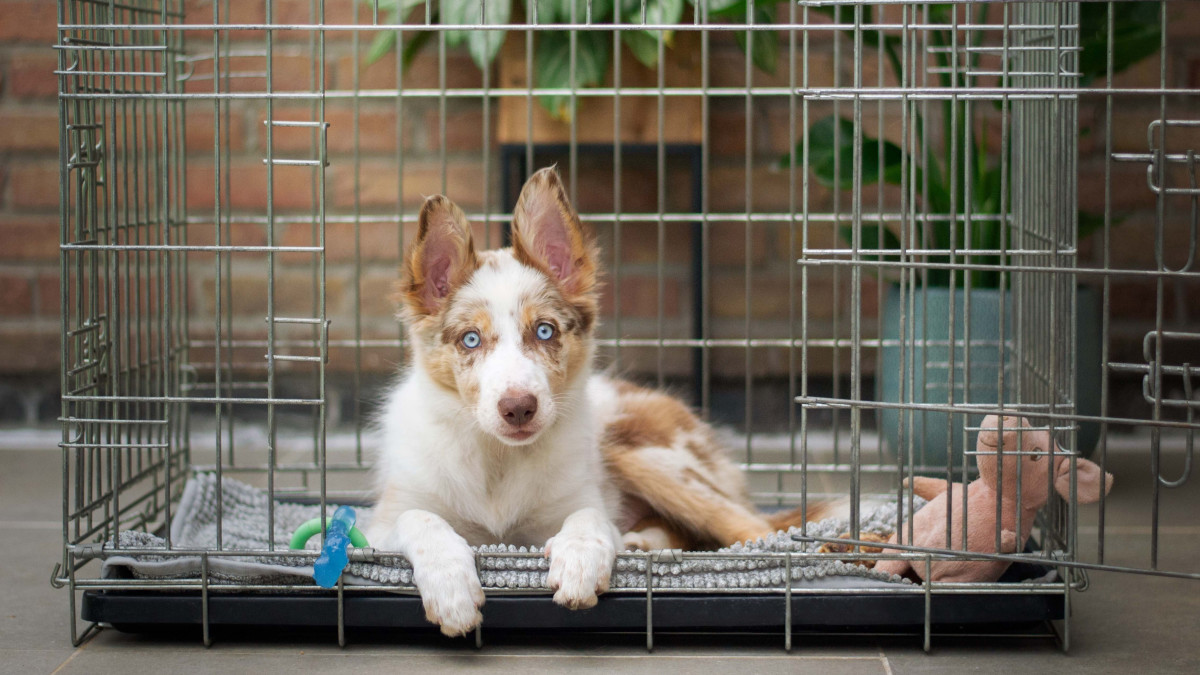
Credit: pethelpful.com
Common Reasons Dogs Pee In Kennels
If your dog is peeing in his kennel, it can be frustrating and confusing. Understanding why this happens is the first step to fixing the problem. Several common reasons can explain this behavior, and recognizing them helps you take the right action.
Medical Issues
Sometimes, your dog’s kennel accidents are not about behavior but health. Urinary tract infections, bladder stones, or other medical problems can make it hard for your dog to hold urine. If your dog suddenly starts peeing in the kennel, a vet visit is essential to rule out any health issues.
Stress And Anxiety
Dogs often pee in their kennels when they feel stressed or anxious. Changes in routine, loud noises, or separation anxiety can trigger this reaction. Have you noticed if your dog’s accidents happen during thunderstorms or when you leave the house?
Improper Kennel Training
Not all dogs naturally understand that kennels are their clean, safe space. If your dog wasn’t properly trained to hold it during kennel time, accidents are common. Consistent training and positive reinforcement can teach your dog to keep the kennel dry.
Lack Of Bathroom Breaks
Dogs need regular chances to relieve themselves. If your dog stays in the kennel too long without a bathroom break, accidents will happen. Try setting a schedule with frequent outdoor trips to see if this reduces kennel peeing.
Marking Territory
Sometimes, your dog pees in the kennel to mark his space, especially if other pets are around. This behavior is more common in unneutered males but can occur in any dog feeling territorial. Do you notice this behavior after new animals join the household?
Identifying The Root Cause
Understanding why your dog pees in his kennel is important. Identifying the root cause helps solve the problem quickly. Dogs do not usually want to soil their sleeping area. This behavior often signals an underlying issue.
Several factors can cause this problem. It may be medical, environmental, or behavioral. Careful observation and assessment are necessary to find the true reason. Here are key areas to focus on.
Observing Behavior Patterns
Watch your dog’s daily routine closely. Note when and where he pees inside the kennel. Check if stress or anxiety triggers this behavior. Look for changes in appetite, energy, or mood. Patterns help identify if it is a habit or a health problem.
Consulting A Veterinarian
Visit the vet for a thorough health checkup. Urinary tract infections or bladder issues can cause accidents. The vet can perform tests to rule out medical problems. Early diagnosis prevents discomfort and worsening of symptoms. Professional advice guides the next steps in training or treatment.
Evaluating Kennel Environment
Inspect the kennel size and cleanliness. A cramped or dirty kennel makes your dog uncomfortable. Check if the bedding is wet or smells bad. Ensure the kennel is in a quiet, safe place. Adjusting the environment reduces stress and encourages good habits.
Effective Solutions To Stop Kennel Peeing
Addressing kennel peeing requires a mix of patience, consistency, and understanding your dog’s needs. Effective solutions focus on training, comfort, and creating an environment that discourages accidents. Let’s dive into practical ways you can help your dog feel confident and clean in their kennel.
Proper Kennel Training Techniques
Start by making the kennel a positive place. Use treats and praise to reward your dog when they enter or stay calm inside. Avoid using the kennel as punishment; instead, make it a safe zone.
Introduce short kennel times initially and gradually increase them. This helps your dog adjust without feeling trapped. Consistent routines, like kennel time after bathroom breaks, teach your dog when it’s appropriate to hold their bladder.
Increasing Bathroom Opportunities
Are you giving your dog enough chances to go outside? Frequent bathroom breaks reduce the urge to pee inside the kennel. Puppies and senior dogs especially need more bathroom time.
Set a schedule that matches your dog’s age and breed. Also, watch for signs like sniffing or circling, which indicate they need a potty break. Timely outdoor visits can prevent kennel accidents.
Reducing Stress And Anxiety
Stress can cause a dog to pee in their kennel even if they’re trained. Try calming aids like pheromone sprays, gentle music, or a familiar blanket. These small changes can make a big difference.
Think about your dog’s daily routine. Are there loud noises or sudden changes causing anxiety? Addressing these triggers helps your dog relax and stay dry in their kennel.
Improving Kennel Comfort
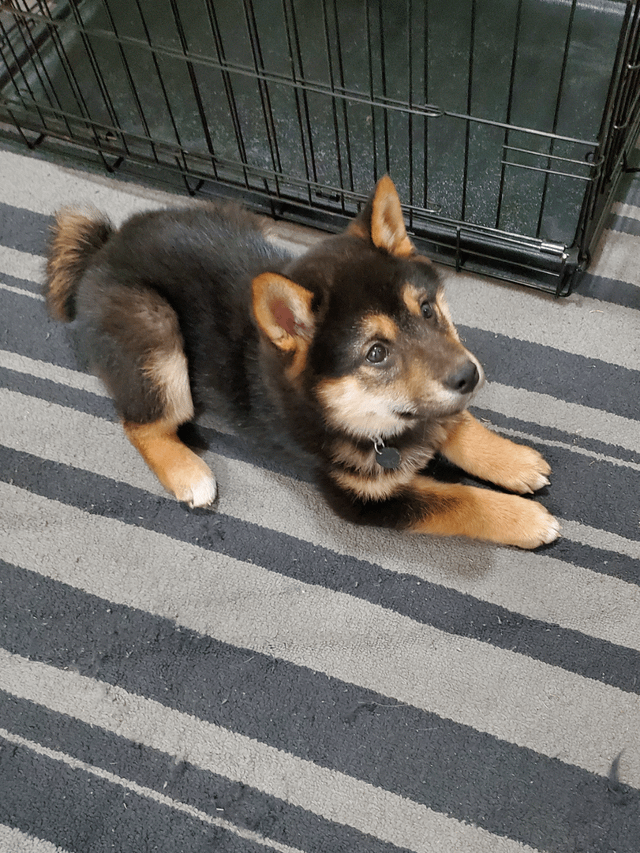
Is your dog comfortable inside the kennel? A soft bed, proper ventilation, and the right size kennel encourage your dog to stay inside without stress. Dogs often avoid peeing where they sleep.
Check if the kennel is too big or too small. Too much space might tempt your dog to use one corner as a bathroom. Just enough room to stand, turn, and lie down is ideal.
Using Deterrents And Cleaners
Cleaning accidents promptly with enzyme-based cleaners removes odors that invite repeat marking. Avoid ammonia-based cleaners; they can smell like urine to dogs and encourage more peeing.
Deterrents like bitter sprays can discourage your dog from peeing in the kennel. Combine this with positive reinforcement for good behavior to reinforce boundaries. Have you noticed if your dog avoids certain scents or textures?
Credit: bullybeds.com
Preventing Future Kennel Accidents
Preventing future kennel accidents is key to a happy dog and a clean home. Consistency and care build trust. Dogs need clear signals about where to relieve themselves.
Establish habits that help your dog feel secure and understood. This reduces stress and confusion, which often cause accidents. Follow simple steps to create a safe and comfortable space for your dog.
Consistent Routine
Set a daily schedule for feeding, playtime, and bathroom breaks. Dogs thrive on predictability. Take your dog outside at regular times each day. This helps them learn when and where to pee.
Keep kennel time consistent. Avoid sudden changes that confuse your dog. A steady routine teaches control and patience.
Positive Reinforcement
Reward your dog for peeing outside the kennel. Use treats, praise, or playtime as rewards. Positive feedback makes good behavior more likely.
Never punish your dog for accidents. This can cause fear and worsen problems. Stay calm and encourage them gently to use the right spot.
Regular Health Checkups
Urinary problems can cause kennel accidents. Visit the vet regularly to rule out infections or illnesses. Early detection keeps your dog healthy and comfortable.
Discuss any changes in behavior with your vet. They can recommend solutions or treatments. A healthy dog is less likely to have accidents.
:quality(75))
Credit: manypets.com
Frequently Asked Questions
Why Does My Dog Pee In His Kennel?
Your dog might be anxious or stressed, leading to accidents. Consider changes in routine or environment. Medical issues like urinary infections could also be the cause. Consult a vet if this behavior persists. Ensure the kennel is comfortable and not a place of punishment for your dog.
How Can Stress Cause Kennel Peeing?
Stress can trigger changes in behavior, including urination in unusual places. New environments, loud noises, or separation anxiety can stress your dog. Identifying stressors and providing comfort can help. Engage your dog with toys or calming music to reduce stress-related accidents.
Could A Health Issue Cause This Behavior?
Yes, health issues like urinary tract infections can cause frequent urination. Other conditions, such as bladder stones, may also lead to accidents. If you suspect a health problem, consult your veterinarian promptly. Timely diagnosis and treatment can resolve the issue effectively.
How Can I Prevent Kennel Peeing?
Create a consistent potty schedule for your dog. Reward your dog for doing its business outside. Ensure the kennel is clean and comfortable. Avoid using the kennel as punishment, as this can increase anxiety. Gradually adjust your dog's routine to prevent kennel accidents.
Conclusion
Dogs may pee in their kennel for many reasons. Stress, health problems, or lack of proper training can cause this behavior. Watch your dog closely and keep the kennel clean. Give your dog regular bathroom breaks and praise good habits.
Patience and consistency help your dog feel safe and comfortable. Understanding your dog's needs improves your bond. A happy dog means a happy home. Keep learning and caring every day.