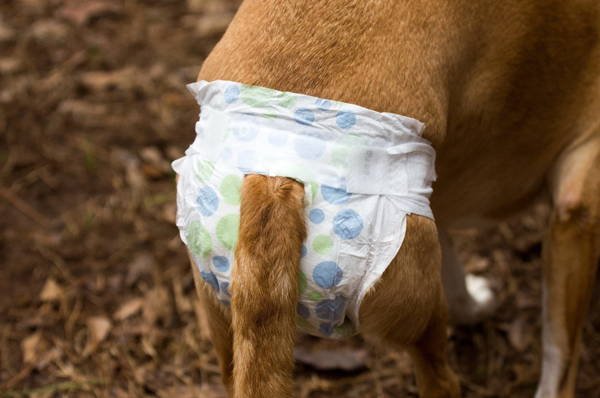
Is your dog peeing in his bed, leaving you frustrated and confused? You’re not alone, and it’s a common problem many dog owners face.
But why does your dog keep doing this? Understanding the reasons behind this behavior can help you fix it faster and keep your furry friend comfortable and happy. You’ll discover the surprising causes and simple solutions that can stop this mess for good.
Keep reading to find out what’s really going on and how you can help your dog—and your home—stay clean.
Credit: bullybeds.com
Common Causes Of Bed Wetting
Understanding why your dog keeps peeing in his bed can be frustrating. Many reasons cause this behavior. Identifying the root cause helps you find the right solution. Common causes range from health problems to emotional issues. Some dogs may not be fully trained yet. Others might feel stressed or anxious. Age can also affect bladder control. Let’s explore these causes in detail.
Medical Issues
Health problems often lead to bed wetting. Urinary tract infections cause frequent urination. Bladder stones or kidney disease may also be the cause. Diabetes can increase thirst and urination. Spinal injuries might affect bladder control. A vet visit can rule out medical causes quickly.
Behavioral Factors
Some dogs mark their territory by urinating indoors. This behavior can target their bed. Changes in the home environment may trigger this. Lack of proper house training also leads to accidents. Dogs may not understand where to relieve themselves.
Anxiety And Stress
Stress triggers many unwanted behaviors in dogs. Separation anxiety makes dogs urinate when alone. Loud noises or new surroundings can cause stress. Dogs may pee in their bed as a comfort response. Calming techniques and safe spaces help reduce stress.
Incomplete House Training
Young dogs or rescues might not be fully trained. They may not know where to go outside. Inconsistent training routines confuse dogs. Puppies have small bladders and need frequent breaks. Patience and consistent training improve this issue over time.
Age-related Changes
Older dogs lose bladder control with age. Cognitive decline can affect their habits. Arthritis might make it hard to reach the door. Nighttime accidents become more common. Special care and frequent bathroom breaks help senior dogs.
Diagnosing The Problem
Figuring out why your dog keeps peeing in his bed is the first step toward solving the problem. It’s not just about cleaning up the mess; understanding the root cause can help you provide the right care and prevent future accidents. Diagnosing the issue requires careful observation and sometimes professional help.
Observing Your Dog’s Behavior
Start by paying close attention to when and how often your dog urinates in his bed. Is it happening mostly at night, after meals, or when he’s left alone? Notice if there are signs of stress, anxiety, or changes in his routine that could be triggering this behavior.
Look for other symptoms too, like licking his genital area excessively or appearing restless. These clues can point to health problems or emotional distress. Have you noticed if he’s drinking more water than usual? That might be a sign worth noting.
When To Visit The Vet
If your dog’s bed-wetting continues despite your efforts, it’s time to consult your veterinarian. Don’t wait if you see signs like blood in the urine, frequent attempts to pee, or if your dog seems in pain. These could indicate infections or other serious health issues.
Even if there are no obvious symptoms, persistent accidents warrant a professional checkup. Early diagnosis often makes treatment simpler and more effective. Ask yourself: could this be more than just a behavioral problem?
Tests And Examinations
Your vet will likely perform a physical exam and may suggest tests to uncover the cause. Common tests include urine analysis to check for infections or crystals, and blood work to evaluate kidney function. Sometimes imaging like X-rays or ultrasounds help identify bladder stones or other abnormalities.
These tests provide a clear picture of your dog’s urinary health. They guide targeted treatment, whether it’s medication, dietary changes, or behavior modification. How would knowing the exact cause change your approach to helping your dog?
Preventing Bed Wetting
Preventing bed wetting in dogs takes patience and consistent care. Creating good habits helps your dog learn where to relieve itself. Small changes in daily life can reduce accidents significantly.
Establishing A Routine
Dogs thrive on routine. Set specific times for feeding and bathroom breaks. This predictability helps your dog control bladder urges. Stick to the schedule every day, even on weekends.
Observe your dog’s signals for needing to go. Reward calm behavior after bathroom visits. This positive feedback encourages your dog to wait until outside.
Limiting Water Intake
Control water intake before bedtime to reduce nighttime accidents. Stop giving water at least two hours before sleep. Avoid letting your dog drink from other sources during this time.
Be careful not to restrict water too much. Your dog still needs enough fluid for health. Consult a vet if unsure about proper water limits.
Proper Bathroom Breaks
Take your dog outside often, especially after meals and naps. Give enough time for your dog to relieve itself. Use the same spot each time to build habit.
Watch for signs like sniffing or circling. Act quickly to avoid accidents. Praise your dog immediately after bathroom success.

Credit: fuzipets.com
Training And Behavior Adjustment
Training and behavior adjustment play a key role in stopping your dog from peeing in his bed. Dogs need clear signals to understand where they should and should not go. Consistent training helps build good habits and reduces accidents. Addressing behavior issues also makes your dog feel more comfortable and secure.
Reinforcing House Training
Go back to basic house training steps. Take your dog outside often, especially after eating or waking up. Praise him when he pees outdoors. Clean any indoor accidents well to remove smells. Use a crate or a small space to limit access to the bed. This helps your dog learn where to go.
Using Positive Reinforcement
Reward good behavior with treats, pets, or praise. Catch your dog in the act of peeing outside. Say a happy word like "good" and give a treat. Avoid scolding or punishment. It confuses your dog and makes problems worse. Positive reinforcement encourages your dog to repeat the right actions.
Managing Anxiety
Some dogs pee in their beds due to stress or anxiety. Create a calm environment with soft sounds or a favorite toy. Keep a regular schedule for feeding, walks, and play. Try gentle massage or calming sprays designed for dogs. If anxiety is strong, talk to a vet or trainer for help.
Medical Treatments And Support
When your dog keeps peeing in his bed, medical issues might be the hidden cause. Addressing these problems with proper treatments and support can make a huge difference in your dog's comfort and your peace of mind. Understanding the right medical options helps you provide the care your furry friend truly needs.
Medications For Infections
Urinary tract infections (UTIs) are a common reason dogs urinate in unusual places like their bed. If your dog shows signs like frequent urination, discomfort, or blood in the urine, a vet visit is crucial. Antibiotics prescribed by your vet can clear the infection quickly.
It’s important to finish the entire course of medication, even if your dog seems better. Stopping early can cause the infection to return, making the problem worse. Have you noticed your dog licking his genitals more than usual? This might signal an infection needing prompt treatment.
Addressing Incontinence
Incontinence can develop due to various reasons such as hormonal changes, nerve damage, or bladder issues. Your vet may recommend medications that strengthen bladder control or reduce spasms. These treatments can significantly reduce accidents.
Alongside medication, supportive measures like waterproof bedding or frequent bathroom breaks can help manage your dog's comfort. Are you tracking when accidents happen? Identifying patterns can assist your vet in tailoring the right treatment plan.
Special Care For Senior Dogs
Older dogs often face multiple health challenges that affect bladder control. Conditions like arthritis might make it harder for them to reach their usual bathroom spot in time. Your vet can suggest medications or supplements to improve muscle tone and ease discomfort.
Adapting your home environment also supports your senior dog’s needs. Raised food bowls, non-slip rugs, and accessible outdoor areas make a difference. Have you noticed changes in your senior dog’s bathroom habits? Early intervention can improve his quality of life dramatically.
Credit: rockykanaka.com
Maintaining A Clean Bed Environment
Keeping your dog’s bed clean is crucial when dealing with frequent accidents. A fresh, hygienic sleeping spot not only helps reduce the chance of repeat incidents but also ensures your furry friend stays comfortable and healthy. You might be surprised how small changes in bedding choice and cleaning habits can make a big difference.
Choosing Waterproof Bedding
Waterproof bedding acts as a protective barrier, stopping urine from soaking into the mattress. This makes cleaning easier and prevents odors from settling deep into the fabric. Look for covers made from materials like vinyl or polyurethane—they’re durable and easy to wipe down.
Have you noticed how some waterproof covers come with a soft fabric layer on top? This keeps your dog cozy while still offering protection. Investing in bedding with this feature can save you time and frustration.
Cleaning Techniques
Use a mixture of mild detergent and warm water to clean the bedding thoroughly. Avoid harsh chemicals that might irritate your dog’s skin or discourage them from using their bed. After washing, air dry the bed completely to prevent mold and bacteria growth.
If the mattress or bed base gets wet, wipe it down immediately with a pet-safe cleaner. Regularly vacuuming the bed area also helps remove hair and dirt that can trap smells. Do you clean your dog’s bed as often as you clean your own bedding? It’s a good habit to develop.
Odor Control
Odors can attract your dog back to the same spot, reinforcing the behavior. Use enzymatic cleaners designed specifically for pet urine to break down odor-causing molecules effectively. These cleaners go beyond masking smells—they eliminate the source.
Adding a sprinkle of baking soda to the bed before vacuuming can also absorb lingering odors. Make sure to refresh this regularly, especially if your dog continues to have accidents. How often do you think you should treat your dog’s bed to keep it smelling fresh?
Frequently Asked Questions
Why Does My Dog Pee Only In His Bed?
Dogs may pee in their bed due to stress, medical issues, or poor house training. It can also be a sign of anxiety or territorial marking. Identifying the cause helps in solving this behavior effectively and keeping your dog comfortable.
Can Medical Problems Cause My Dog’s Bed Peeing?
Yes, medical problems like urinary tract infections, bladder stones, or incontinence can cause bed peeing. A vet visit is essential to rule out health issues. Treating the medical condition often stops the unwanted urination.
How Can I Stop My Dog From Peeing In His Bed?
Clean the bed thoroughly and use deterrent sprays. Provide regular potty breaks and reinforce house training. If anxiety causes peeing, create a calm environment and consult a vet for guidance.
Is Anxiety A Reason My Dog Pees In His Bed?
Yes, anxiety or stress can cause dogs to pee in their bed. Changes in environment, loud noises, or separation anxiety are common triggers. Addressing anxiety with training or professional help reduces bed-wetting incidents.
Conclusion
Understanding why your dog pees in his bed is crucial. It helps address the root issue. Start by observing any changes in behavior. Check for signs of anxiety or health problems. A vet visit might be necessary. Consistent training and patience can help.
Create a calm and comfortable sleeping environment. Reward good behavior to encourage change. Solving this issue improves your dog's comfort. Plus, it strengthens your bond. Remember, every dog is unique. What works for one might not work for another. Stay patient and attentive.
Your furry friend depends on you.