Have you ever come home to your dog happily dropping a toy at your feet? It might seem like a simple act, but there’s a lot more behind this sweet greeting than you think.
When your dog brings you a toy, they’re trying to tell you something important. Understanding why your furry friend does this can deepen your bond and make your time together even more special. Keep reading to discover the surprising reasons behind this charming behavior and what it means for you and your dog.

Credit: www.reddit.com
Dog Greeting Behavior
Dogs have unique ways to show excitement and affection. Greeting behavior is one of the first signs your dog uses to communicate joy when you come home. Each dog has a style of greeting that reflects its personality and mood. Understanding these behaviors helps strengthen the bond between you and your pet.
Common Greeting Styles
- Wagging tail with a happy face
- Jumping up to get your attention
- Soft licking on your hands or face
- Bringing objects like toys to you
- Spinning in circles or play bowing
These actions express excitement and love. Some dogs combine several styles at once. Watching these signs helps you respond well to your dog’s emotions.
Role Of Toys In Canine Communication
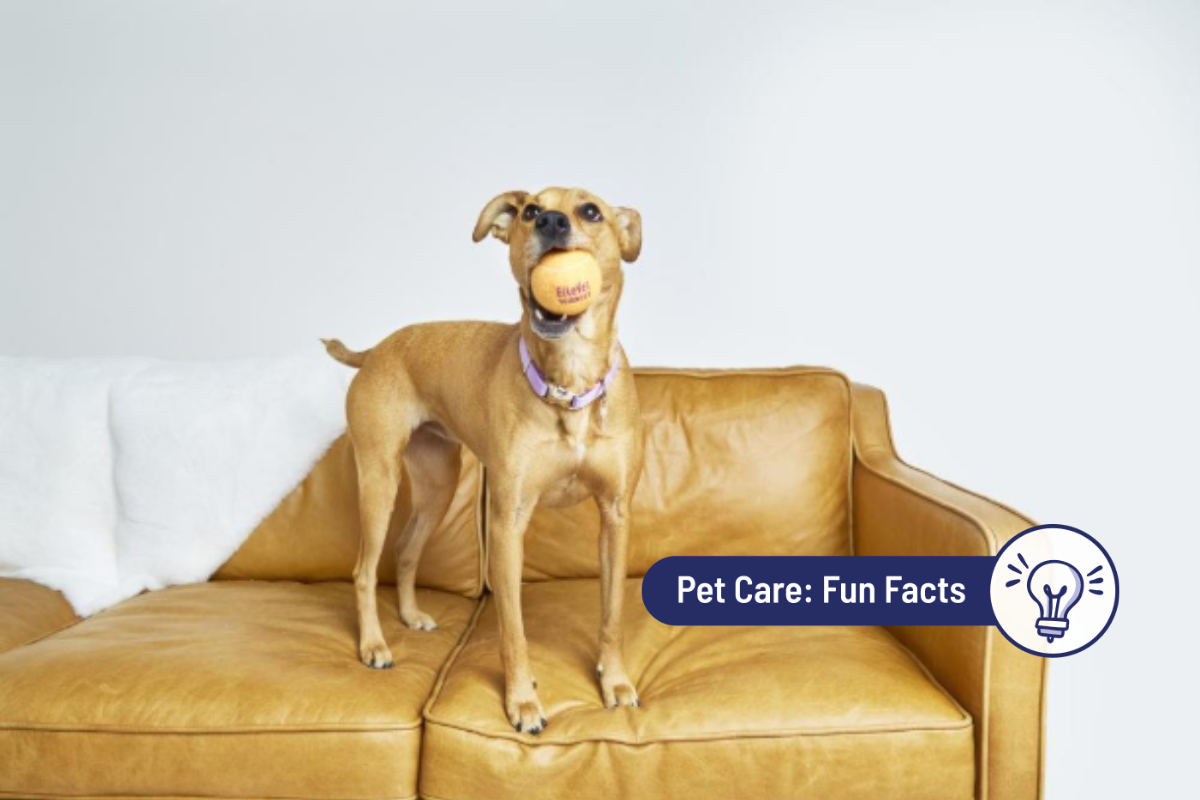
Toys often act as tools in dog greetings. Offering a toy shows friendliness and a desire to play. It is a positive way to say, “I am happy to see you.”
Dogs learn that bringing toys gets attention and invites interaction. This behavior builds trust and deepens your connection. Toys can also reduce stress in dogs during reunions.
Emotional Bonds And Toys
Dogs often use toys to communicate their feelings and strengthen the emotional bond they share with you. When your dog greets you with a toy, it’s more than just play—it’s a heartfelt gesture tied to their emotions. Understanding this behavior helps you connect deeper with your furry friend and respond in a way that nurtures your relationship.
Toys As Comfort Objects
Your dog might treat a toy like a security blanket, especially if it has a familiar scent or texture. This comfort object can help them feel safe and calm, particularly when they’re excited or anxious. When your dog brings you a toy during greeting, it can be their way of sharing that sense of security with you.
Think about how your dog reacts after a long day alone. Bringing you their favorite toy might be their way of saying, “I missed you, and this makes me feel better.” Recognizing this can encourage you to offer gentle reassurance and create moments of calm connection.
Expressing Affection Through Gifts
Giving you a toy can be your dog’s way of showing love and appreciation. Dogs don’t have words, so they use actions—like presenting their favorite toy—to express emotions. It’s similar to how you might bring a gift to someone you care about.
Have you noticed your dog choosing a specific toy just for you? That choice is meaningful. It reflects their trust and desire to engage with you on a personal level, strengthening your emotional bond.
Attention-seeking Signals
Dogs have their unique ways of grabbing your attention, and bringing you a toy is a common signal they use. This behavior often means your dog wants to engage with you or simply be noticed. Understanding these attention-seeking signals can help you respond better and strengthen your bond.
Using Toys To Get Noticed
Your dog knows that holding a toy in their mouth is a quick way to catch your eye. They might drop the toy at your feet or wave it around, making it hard for you to ignore them. This isn’t just about play; it’s a clear message saying, “Look at me!”
Think about the last time your dog greeted you this way. Did you immediately give them attention? Dogs learn fast that toys are a useful tool to get what they want. If you want to encourage calmer greetings, try acknowledging them without always jumping into play right away.
Interactive Play Invitations
When your dog brings you a toy, they’re often inviting you to play together. It’s their way of saying, “Let’s have fun!” Interactive play is important for their mental and physical health. Your dog isn’t just seeking attention; they’re asking for quality time with you.
Next time your dog brings a toy, ask yourself: Are you ready to join in? Ignoring this invitation can make your dog repeat the behavior louder or more persistently. Responding positively can turn these moments into fun bonding sessions that you both look forward to.

Credit: www.ellevetsciences.com
Pack Instincts And Sharing
Dogs have deep-rooted pack instincts that shape how they interact with you. When your dog greets you with a toy, it’s more than just play—it’s a sign of sharing and connection. This behavior taps into their natural desire to bond and communicate within their “pack,” which includes you.
Offering Toys As Social Currency
Think of the toy your dog brings as a kind of social currency. By presenting it to you, your dog is sharing something valuable, showing trust and friendliness. This act is a way to get your attention and invite interaction.
Dogs often use toys to express positive feelings. When your dog drops a toy at your feet, it’s like they’re saying, “Let’s connect.” You might notice this happens especially when you come home after being away—a clear signal they missed you.
Strengthening Pack Relationships
Sharing toys helps build a stronger bond between you and your dog. It’s a form of communication that reinforces your role as part of their pack. This small gesture encourages cooperation and mutual respect.
Have you ever felt your dog’s excitement when they bring you a favorite toy? That joy is their way of deepening your relationship. Responding by playing or praising them boosts this positive connection and makes your dog feel secure and loved.
Training And Learned Behaviors
Dogs are quick learners, especially when it comes to behaviors that earn them your attention or affection. Greeting you with a toy is often not just a spontaneous act but a behavior shaped by training and past experiences. Understanding how these learned behaviors develop can help you guide your dog’s actions in a positive way.
Reinforced Toy Gifting
When your dog brings you a toy, it might be because they've learned this action gets a rewarding response from you. If every time your dog offers a toy, you smile, play, or give them praise, they connect the behavior with positive outcomes.
This reinforcement encourages them to repeat the action. Think about a time your dog dropped a ball at your feet and you eagerly threw it again. That simple exchange is a form of training. Your dog learns that gifting a toy leads to more playtime, which they love.
Owner Responses And Effects
Your reaction shapes your dog’s habits more than you might realize. If you respond to a toy greeting by putting the toy away or ignoring them, your dog might stop this behavior. On the other hand, if you engage and show excitement, your dog will likely keep bringing toys to you.
Have you noticed how your dog’s behavior changes based on your mood? This feedback loop means you hold the key to either encouraging or discouraging toy gifting. Consider how your responses can help teach your dog the best ways to communicate and connect with you.

Credit: wamiz.co.uk
When To Encourage Or Redirect
Knowing when to encourage your dog’s greeting with a toy is key. This behavior shows excitement and affection. Sometimes, you want to support this habit. Other times, you need to gently guide your dog to calmer greetings.
Encouragement helps build a strong bond and positive energy. Redirection keeps greetings safe and controlled. Understanding your dog’s mood and environment helps you decide the best approach.
Positive Reinforcement Tips
Praise your dog when they bring a toy calmly. Use soft words and gentle petting to reward good behavior. Offer treats only if your dog stays relaxed during the greeting. This teaches your dog to associate calm greetings with rewards.
Keep training sessions short and fun. Repeat often to build good habits. Avoid yelling or pushing the toy away. Your dog may feel confused or anxious.
Managing Overexcitement
Watch for signs like jumping, barking, or biting the toy too hard. These signs mean your dog is too excited. Pause the greeting and ask for a sit or stay. This helps your dog calm down before continuing.
Provide quiet time or a favorite chew toy after high-energy greetings. This directs energy in a positive way. Use calm tones and slow movements to help your dog relax. Consistent practice reduces overexcitement over time.
Frequently Asked Questions
Why Does My Dog Bring Me A Toy When I Come Home?
Your dog brings a toy as a friendly greeting and to share joy. It shows excitement and strengthens your bond by inviting play.
What Does It Mean When A Dog Greets With A Toy?
Greeting with a toy means your dog feels happy and safe. It’s a way to express affection and seek interaction or playtime.
Is My Dog Asking To Play By Bringing A Toy?
Yes, bringing a toy often signals a dog wants to play. It’s their way to engage and have fun with you.
Does Toy Greeting Indicate A Dog’s Emotional State?
Yes, toy greetings typically show positive emotions like happiness and love. It reflects your dog’s trust and comfort around you.
Conclusion
Your dog greets you with a toy for several reasons. It shows excitement and affection. A toy also helps them express joy. They might also be seeking your attention. Or maybe inviting you to play. This behavior strengthens your bond.
It's a sign of love and trust. So, enjoy these moments. Cherish the connection you share. Engage with them often. Your dog values your presence. And treasures every interaction. Keep nurturing this special relationship. It’s a rewarding experience for both.