
Have you noticed your dog chewing his leg until it bleeds and felt worried or confused? You’re not alone.
When your furry friend hurts himself like this, it can be hard to understand why it’s happening. But knowing the reasons behind this behavior is the first step to helping your dog feel better. You’ll discover the common causes and simple solutions that can stop your dog from hurting himself.
Keep reading to learn how to protect your dog’s health and bring back his happy, comfortable self.
Common Causes Of Leg Chewing
Dogs may chew their legs until they bleed due to many reasons. Understanding these causes helps protect your dog’s health. Chewing can signal discomfort or deeper problems. Identifying the root cause is key to finding the right solution. Below are common causes of leg chewing in dogs.
Allergic Reactions
Allergies often cause itching and irritation. Dogs react to foods, pollen, or chemicals. Their skin becomes red and inflamed. Chewing provides temporary relief but worsens damage. Allergic reactions require proper diagnosis and treatment.
Parasite Infestations
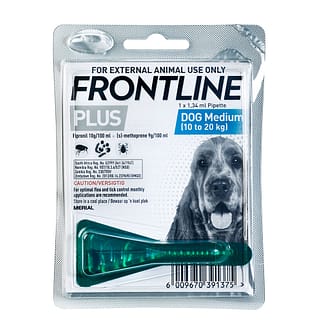
Parasites like fleas and ticks bite and irritate skin. Their presence causes intense itching and scratching. Dogs may chew legs to ease the discomfort. Parasite infestations also lead to infections if untreated. Regular parasite control helps prevent this issue.
Skin Infections
Bacterial or fungal infections cause painful, itchy skin. These infections can develop from wounds or allergies. Dogs chew to soothe the affected areas. Skin infections need veterinary care and medication. Early treatment stops spreading and complications.
Anxiety And Stress
Stress triggers repetitive behaviors like leg chewing. Changes in environment or routine cause anxiety. Dogs use chewing as a coping mechanism. This behavior can become compulsive and harmful. Managing stress improves your dog’s well-being.
Boredom And Lack Of Exercise
Inactive dogs often develop destructive habits. Chewing relieves boredom and releases energy. Lack of mental and physical stimulation increases leg chewing. Regular exercise and play reduce this behavior. Engaging activities keep dogs happy and healthy.
Underlying Medical Conditions
Health problems like arthritis or nerve issues cause discomfort. Dogs chew to ease pain or numbness. Some illnesses affect skin health and cause itching. Veterinary diagnosis is essential for proper treatment. Addressing medical issues reduces leg chewing.
Credit: pethero.co.za
Signs To Watch For
Noticing your dog chewing his leg until it bleeds is alarming. Paying attention to specific signs can help you understand the root cause and act quickly. Here are key indicators you should watch for to protect your furry friend’s health.
Behavioral Changes
Has your dog become more restless or anxious lately? Changes in behavior often accompany excessive chewing. You might see your dog licking or biting more frequently, pacing, or showing signs of irritability.
Sometimes, chewing is a response to stress or boredom. Ask yourself if anything in your dog’s environment has changed recently that might trigger this behavior.
Skin Appearance
Inspect your dog’s leg closely. Look for redness, swelling, or broken skin where the chewing happens. Bleeding is a clear signal that the skin barrier is damaged and infection could set in.
Also, check for hair loss or scabs. These signs often point to underlying issues like allergies, parasites, or skin infections that need veterinary attention.
Frequency And Duration
How often and how long does your dog chew his leg? Is it a quick lick or an all-day obsession? The more frequent and prolonged the chewing, the more urgent it is to intervene.
Tracking these patterns can reveal if the problem is worsening or linked to specific events. Have you noticed if the chewing spikes during certain times, like after walks or when left alone?
Diagnosing The Problem
Understanding why your dog chews his leg until it bleeds requires careful diagnosis. This process helps find the root cause behind the behavior. Early diagnosis can prevent further injury and discomfort. Several veterinary tests and exams reveal what triggers this problem.
Veterinary Examination
A thorough veterinary exam is the first step. The vet checks your dog’s overall health and skin condition. They look for signs of infection, injury, or parasites. Observing your dog's behavior during the visit provides clues. The vet asks about diet, environment, and recent changes. This helps rule out common causes like anxiety or boredom.
Allergy Testing
Allergies often cause intense itching and chewing. Allergy tests identify substances triggering your dog’s reaction. Tests include blood work or skin prick tests. These pinpoint food, pollen, dust mites, or flea allergies. Knowing the allergen helps create a treatment plan. Avoiding triggers can reduce chewing and improve skin health.
Skin Scrapings And Cultures
Skin scrapings help detect mites or fungal infections. The vet gently scrapes the affected skin area. The sample is examined under a microscope. Cultures grow bacteria or fungi to find infections. Treating infections stops itching and bleeding. This test confirms if parasites or germs cause the chewing.

Credit: www.reddit.com
Effective Treatment Options
Addressing a dog's habit of chewing its leg until it bleeds requires careful treatment. Effective options depend on the root cause of the behavior. Treatments can reduce pain, stop infection, and prevent further damage. A combination of approaches often works best.
Medications And Topical Treatments
Veterinarians may prescribe medications to ease itching and pain. Anti-inflammatory drugs can reduce swelling and discomfort. Antibiotics help fight skin infections caused by chewing. Topical creams or sprays protect wounds and speed healing.
Parasite Control
Parasites like fleas or mites cause intense itching. Treating your dog with parasite control products stops this irritation. Use veterinarian-approved flea collars, spot-on treatments, or oral medications. Keeping your dog's environment clean also helps prevent parasites.
Dietary Adjustments
Food allergies can trigger skin problems and chewing. A special hypoallergenic or limited-ingredient diet may reduce reactions. Adding omega-3 fatty acids supports skin health and lowers inflammation. Consult your vet before making diet changes.
Behavioral Therapy
Stress or anxiety can lead dogs to chew excessively. Behavioral therapy helps manage these emotional triggers. Techniques include training, exercise, and mental stimulation. Providing toys and regular playtime redirects chewing to safe objects.
Preventing Leg Chewing
Stopping your dog from chewing his leg until it bleeds requires more than just telling him to stop. You need to understand what triggers this behavior and take steps to address those causes. Preventing leg chewing involves a combination of care, attention, and environment adjustments that help your dog feel comfortable and distracted.
Regular Grooming
Keeping your dog's fur clean and free of mats can reduce irritation that might cause chewing. Check his legs regularly for ticks, fleas, or skin problems that could be painful or itchy. Grooming also gives you a chance to spot any wounds or infections early before they get worse.
Have you noticed how your dog reacts when you brush him? Making grooming a calm, positive experience can help your dog relax and trust you, which decreases stress-related chewing. Using gentle strokes and rewarding him during grooming sessions can make a big difference.
Providing Mental Stimulation
Boredom often leads dogs to chew themselves. Make sure your dog has enough toys, puzzles, or games that challenge his mind. Rotate toys so he stays interested, and consider interactive feeders that make meal times more engaging.
Ask yourself: Is your dog getting enough exercise and playtime daily? Physical activity tires him out and reduces anxiety. Sometimes, a simple walk or a game of fetch can stop obsessive chewing by giving your dog a better outlet for his energy.
Creating A Stress-free Environment
Stress is a common cause of excessive chewing. Identify what makes your dog anxious—noises, separation, or new environments—and try to minimize these triggers. Creating a quiet, safe space with familiar bedding and toys can help your dog feel secure.
Have you tried calming aids like pheromone diffusers or soothing music? These can lower anxiety levels and reduce chewing behavior. Remember, your calm presence also helps; dogs pick up on your emotions more than you realize.

Credit: www.reddit.com
When To Seek Immediate Help
Watching your dog chew his leg until it bleeds is alarming. Knowing when to seek immediate help is crucial. Some signs show the problem needs urgent veterinary care. Acting fast can prevent serious health issues and pain for your dog.
Signs Of Severe Infection
Look for redness, swelling, or pus around the wound. A foul smell can also mean infection. Your dog may lick the area more often. Fever or lethargy can appear if infection spreads. These signs require quick veterinary attention.
Excessive Bleeding
If the leg bleeds heavily and does not stop, this is an emergency. Blood soaking through bandages or dripping rapidly needs urgent care. Continuous bleeding can cause weakness and shock. Immediate treatment helps prevent serious harm.
Changes In Mobility
Notice if your dog limps or stops using the leg. Difficulty walking or standing is a red flag. Swelling or pain may cause your dog to avoid putting weight on the leg. These changes mean the injury may be worse than it looks. Quick examination by a vet is important.
Frequently Asked Questions
Why Does My Dog Chew His Leg Excessively?
Dogs chew their legs due to allergies, anxiety, or infections. Chewing can relieve itching or stress but may cause injury. Identifying the cause helps treat the problem effectively.
Can Allergies Cause My Dog To Chew Its Leg?
Yes, allergies often cause dogs to chew their legs. Environmental factors or food can trigger itching. Treating allergies reduces chewing and prevents wounds.
How Can I Stop My Dog From Chewing Its Leg?
Provide mental stimulation and regular exercise to reduce anxiety. Consult a vet for allergies or infections. Use protective gear like cones to prevent injury.
When Should I See A Vet For Leg Chewing?
Seek veterinary help if chewing causes bleeding or wounds. Persistent or worsening behavior needs professional diagnosis. Early treatment prevents complications and promotes healing.
Conclusion
Understanding why your dog chews his leg is crucial. It helps identify underlying issues. Stress, allergies, or boredom might be the cause. Observing your dog's behavior aids in finding solutions. Consult a vet if the problem persists. They can offer professional advice and treatment options.
Meanwhile, provide distractions like toys. These can reduce unwanted chewing. Regular check-ups keep your dog healthy and happy. A little attention can make a big difference. Ensuring your dog's comfort is key. Happy dogs, happy homes!