Is your feline friend throwing up right after enjoying a meal of dry food? You’re not alone.
Many cat owners find themselves puzzled and concerned when their beloved pet vomits soon after eating. It’s natural to worry, and you’re likely searching for answers to ensure your kitty's comfort and health. Understanding why this happens can help you take the right steps towards alleviating the issue.
We'll explore the common reasons why your cat might be experiencing this discomfort and offer practical tips to prevent it. Stay with us to uncover the mystery behind your cat's mealtime troubles and learn how you can help your furry companion enjoy their food without any issues. Your cat's wellbeing might just depend on it!
Common Causes Of Vomiting
Vomiting after eating dry food is a common issue many cat owners notice. Understanding the causes helps in managing your cat’s health better. Cats vomit for various reasons, often linked to their diet or eating habits. Identifying these reasons can prevent discomfort and keep your pet happy.
Eating Too Quickly
Cats that eat too fast can swallow air along with food. This causes their stomach to become upset. Vomiting happens as the body tries to clear the air and food. Slow feeding bowls or smaller portions can help reduce this problem.
Food Allergies And Sensitivities
Some cats react badly to certain ingredients in dry food. Allergies or sensitivities cause stomach irritation and vomiting. Common triggers include grains, artificial additives, or specific proteins. Choosing hypoallergenic or limited-ingredient diets may ease symptoms.
Poor Quality Ingredients
Low-quality dry food often contains fillers and artificial substances. These ingredients can upset your cat’s stomach. Lack of proper nutrients weakens their digestion. Feeding high-quality food supports better digestion and less vomiting.
Sudden Diet Changes
Switching dry food brands or flavors too quickly can shock a cat’s digestive system. This can lead to vomiting and diarrhea. Gradually introducing new food over several days allows the stomach to adjust smoothly.

Credit: www.whiskas.com.ph
Health Conditions Linked To Vomiting
Vomiting in cats after eating dry food can signal underlying health problems. Identifying these health conditions early helps provide proper care. Some common health issues cause vomiting and need attention.
Gastrointestinal Issues
Problems in the stomach or intestines often cause vomiting. Conditions like gastritis or inflammatory bowel disease irritate the digestive tract. This irritation triggers nausea and vomiting after meals. Dry food may worsen these symptoms because it is harder to digest.
Pancreatitis
Pancreatitis means inflammation of the pancreas. This organ helps digest food and regulate blood sugar. When inflamed, the pancreas causes abdominal pain and vomiting. Cats with pancreatitis may vomit shortly after eating dry food due to discomfort and poor digestion.
Kidney Or Liver Problems
Diseases affecting the kidneys or liver can lead to vomiting. These organs filter toxins from the blood. When they fail, toxins build up and upset the stomach. Vomiting after eating dry food may be a sign of kidney or liver distress in cats.
Parasites And Infections
Parasites and infections in the digestive system irritate the stomach lining. This irritation causes vomiting and diarrhea. Common culprits include worms and bacterial infections. Cats eating dry food may vomit if their digestive system fights these invaders.
Dry Food Specific Factors
Dry food can cause vomiting in cats for several reasons tied to its unique properties. These factors affect digestion and overall comfort after meals. Understanding these details helps pet owners spot issues early and find better feeding options.
Low Moisture Content
Dry food contains very little water, usually less than 10%. Cats need moisture to digest food smoothly. Lack of water can dry out the stomach lining. This dryness may cause irritation or nausea, leading to vomiting. Cats that do not drink enough water after eating dry food face more risks.
Hard Texture And Digestion
Dry food is crunchy and tough to chew. Some cats swallow large pieces without proper chewing. These large chunks strain the stomach and slow digestion. The stomach may react by pushing the food back up. Cats with sensitive stomachs find hard textures harder to handle.
Preservatives And Additives
Many dry foods contain preservatives to keep them fresh longer. Some additives may upset a cat’s stomach. Artificial colors or flavors can trigger allergies or intolerances. These reactions can cause vomiting soon after eating. Choosing foods with fewer additives can reduce these issues.
Preventive Measures
Preventing your cat from vomiting after eating dry food often starts with some simple but effective changes. Small adjustments in what and how you feed your cat can make a big difference in their comfort and health. Let’s look at practical ways to keep your feline friend happy and less prone to upset stomachs.
Choosing The Right Food
Not all dry foods are created equal. Look for brands that use high-quality, easily digestible ingredients. Avoid foods with too many fillers like corn or wheat, which can irritate your cat’s stomach.
If your cat has allergies or sensitivities, consider hypoallergenic or limited ingredient diets. Have you ever noticed if your cat vomits only after certain brands or flavors? That could be a sign to switch.
Feeding Techniques
How you feed your cat matters as much as what you feed them. Try feeding smaller portions more frequently throughout the day instead of one or two large meals. This helps prevent your cat from eating too fast, which often leads to vomiting.
Using puzzle feeders or slow-feed bowls can slow down eating and improve digestion. Have you tried these tools yet? They can turn mealtime into a stimulating activity while reducing vomiting incidents.
Gradual Diet Transitions
Sudden changes in your cat’s diet can upset their stomach. Always introduce new dry food gradually over 7-10 days. Mix increasing amounts of the new food with the old food until your cat fully switches.
Skipping this step might seem faster but often results in vomiting or diarrhea. Remember, your cat’s digestive system needs time to adjust to new ingredients.
Hydration Tips
Dry food lacks moisture, which can lead to dehydration and digestive issues. Make sure your cat always has access to fresh water. Sometimes, cats prefer running water, so a cat water fountain might encourage them to drink more.
You can also moisten dry food with a little water or low-sodium broth to increase hydration. Have you noticed if your cat drinks enough water daily? Proper hydration supports digestion and reduces vomiting risks.
When To See A Vet
Watching your cat vomit after eating dry food can be worrying. Not all vomiting needs urgent care, but some cases require a vet’s attention. Knowing when to see a vet helps protect your cat’s health. Early action can prevent serious problems and ease your pet’s discomfort.
Signs Of Serious Illness
- Repeated vomiting over several hours or days
- Blood or unusual color in vomit
- Lethargy or weakness
- Refusal to eat or drink
- Weight loss or dehydration
- Diarrhea or signs of pain
These signs may show a deeper health issue. A vet should check your cat promptly if you notice any.
Frequency And Severity Of Vomiting
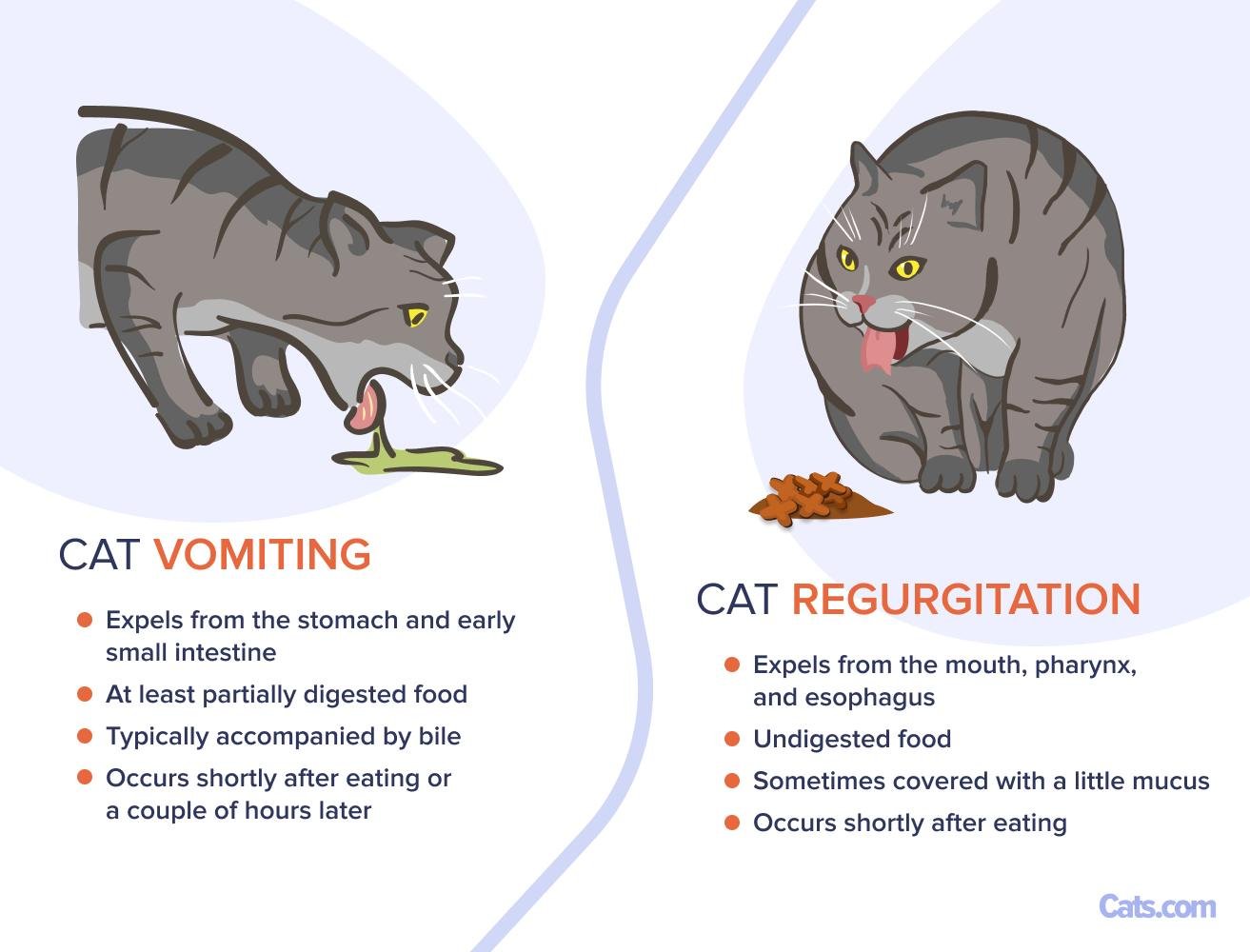
Occasional vomiting can happen due to fast eating or hairballs. But frequent vomiting is a red flag. Vomiting several times a day or after every meal is serious. Severe vomiting risks dehydration and nutrient loss. Track how often and how much your cat vomits. This info helps the vet find the cause.
Diagnostic Tests
The vet may use tests to diagnose the problem. Common tests include:
- Blood tests to check organ health
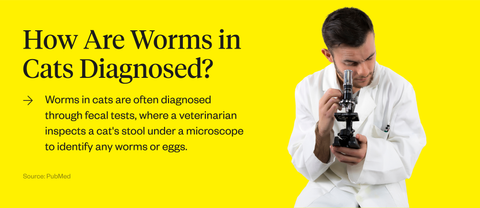
- Fecal exams to find parasites
- X-rays or ultrasound to spot blockages
- Allergy tests for food sensitivities
These tests help identify if dry food or another issue causes vomiting. Early diagnosis leads to better treatment.

Credit: www.youtube.com
Credit: greensafaris.com
Frequently Asked Questions
Why Does Dry Food Cause My Cat To Vomit?
Dry food can be hard to digest for some cats. Eating too fast or allergies to ingredients may trigger vomiting. Poor quality or stale food might also upset their stomach.
How Can I Prevent My Cat From Vomiting Dry Food?
Feed smaller, frequent meals and slow down eating with a puzzle feeder. Choose high-quality, grain-free dry food. Ensure fresh water is always available to aid digestion.
Is Vomiting After Dry Food A Sign Of Illness?
Occasional vomiting is normal, but frequent vomiting may indicate allergies, infections, or gastrointestinal issues. Consult a vet if vomiting persists or worsens.
Can Switching Cat Food Reduce Vomiting?
Yes, gradually switching to a hypoallergenic or wet food can reduce vomiting. Introduce new food slowly over 7-10 days to avoid digestive upset.
Conclusion
Cats may vomit after eating dry food for many reasons. Some causes include eating too fast or food allergies. Digestive issues or poor food quality can also play a part. Watching your cat’s eating habits helps spot problems early. Trying smaller meals or different food types might reduce vomiting.
Always talk to your vet if vomiting continues or worsens. Keeping your cat healthy means paying attention to these signs. Simple changes can improve your cat’s comfort and health. Caring for your cat starts with understanding its needs well.