Have you ever found your cat throwing up its dry food and wondered why this keeps happening? It can be confusing and worrying to see your furry friend upset after a meal.
You want to make sure your cat is healthy and happy, but understanding why this happens isn’t always easy. You’ll discover the common reasons behind your cat’s dry food vomiting and learn simple steps to help prevent it. Keep reading to find out what might be causing this problem and how you can make mealtime better for your cat.
Common Causes Of Vomiting
Vomiting is a common issue many cat owners face, especially when it involves dry food. Understanding the common causes of vomiting can help you identify the problem early and provide the right care for your feline friend. Let’s look at some typical reasons your cat might throw up their dry food.
Eating Too Quickly
Some cats gobble their food like there's no tomorrow. This rapid eating can cause them to swallow air along with their kibble, leading to vomiting shortly after a meal.
You might notice your cat rushing to finish their bowl, especially if they’re competing with other pets. Try using a slow feeder bowl or spreading the food out to encourage slower eating.
Food Allergies And Sensitivities
Your cat’s stomach might react badly to certain ingredients in their dry food. Allergies or sensitivities to proteins like chicken or grains can cause vomiting as the body tries to reject the offending food.
Have you observed vomiting that happens consistently after a specific meal? Switching to a hypoallergenic or limited-ingredient diet might be the solution.
Hairballs And Digestive Issues
Cats groom themselves a lot, swallowing loose fur that can form hairballs. These hairballs sometimes irritate the stomach and cause vomiting, especially if your cat struggles to pass them naturally.
If your cat’s vomiting is accompanied by coughing or hacking sounds, hairballs could be the culprit. Regular grooming and hairball remedies can reduce this problem.
Ingesting Spoiled Food
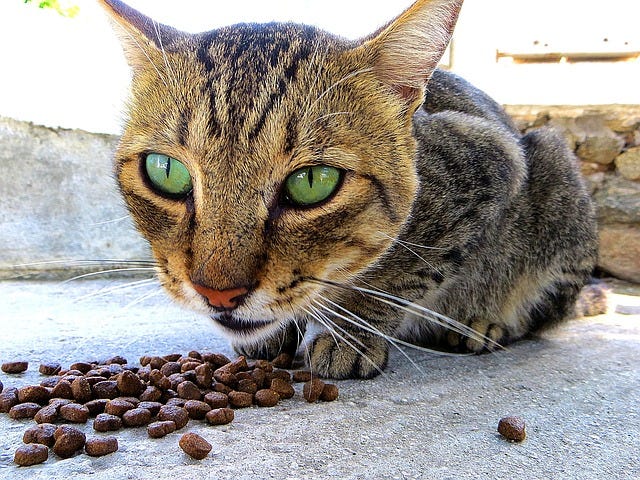
Dry food left out for too long can go stale or grow bacteria, upsetting your cat’s stomach. Even a small amount of spoiled kibble can trigger vomiting.
Are you checking the freshness of your cat’s food and cleaning their bowl regularly? Ensuring fresh meals can prevent many digestive upsets.
Underlying Health Conditions
Sometimes, vomiting is a sign of deeper health issues like infections, kidney problems, or gastrointestinal diseases. Persistent vomiting should never be ignored.
Has your cat been vomiting frequently or showing other symptoms like lethargy or loss of appetite? A vet visit is essential to rule out serious conditions.
Credit: greensafaris.com
Identifying Food-related Triggers
Noticing your cat throwing up its dry food can be concerning. One key area to explore is whether something in the food itself is causing the problem. Identifying food-related triggers helps you pinpoint what might be upsetting your cat’s stomach and how to make mealtime more comfortable for them.
Checking Ingredients
Look closely at the ingredient list on your cat’s food bag. Some cats react poorly to specific proteins, grains, or additives. Have you seen if your cat’s food contains common allergens like chicken, beef, or corn?
Sometimes, even a small change in ingredients can cause digestive upset. If your cat suddenly started vomiting after a new batch of food, it might be worth comparing the labels. Ingredients can vary between batches or suppliers.
Switching Food Brands
If you suspect the current brand is causing issues, try switching to a different one gradually. Mix small amounts of the new food with the old over several days. This helps your cat’s digestive system adjust without shock.
Choosing a food with limited ingredients or designed for sensitive stomachs can also reduce vomiting. Have you noticed improvement after a brand change? Sometimes, a simple switch can make a big difference in your cat’s comfort.
Observing Feeding Patterns
How and when you feed your cat affects how well they digest dry food. Cats eating too fast may vomit soon after meals. You might want to try smaller portions spread throughout the day.
Also, check if your cat drinks water after eating dry food. Lack of hydration can make dry kibble harder to digest. Does your cat have easy access to fresh water near their feeding area? Adjusting feeding habits often reduces vomiting episodes.
Feeding Techniques To Reduce Vomiting
Feeding techniques play a big role in reducing vomiting from dry cat food. Adjusting how and when your cat eats can help their stomach handle food better. Small changes in feeding habits can make a big difference in your cat’s comfort and health.
Smaller, Frequent Meals
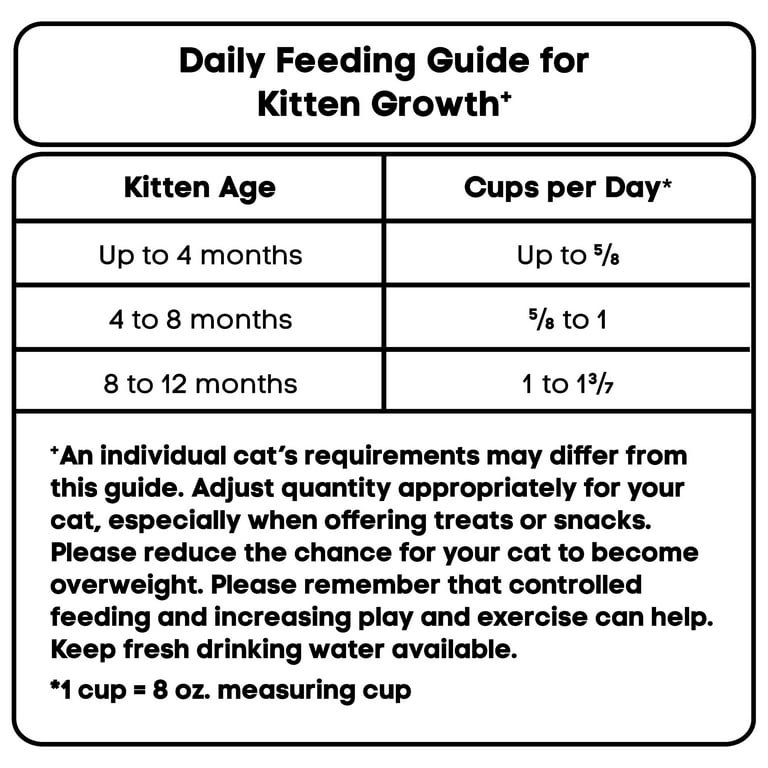
Giving your cat smaller amounts of food more often can stop them from eating too fast. Large meals may overwhelm their stomach and cause vomiting. Try feeding four to six small meals a day instead of one or two big ones.
This approach helps the stomach digest food easier and reduces the risk of throwing up. It also keeps your cat’s energy steady throughout the day.
Using Puzzle Feeders
Puzzle feeders slow down your cat’s eating by making them work for their food. These toys make mealtime fun and mentally stimulating. Cats take longer to finish their food, which improves digestion.
Using a puzzle feeder can prevent gulping and reduce vomiting caused by eating too fast. It also helps keep your cat active and engaged.
Slow Feed Bowls
Slow feed bowls have built-in barriers that stop cats from eating too quickly. These bowls force your cat to eat around obstacles, slowing their pace. Eating slower allows the stomach to process food better.
Slow feed bowls are easy to use and clean. They help reduce vomiting by limiting rapid food intake and encourage healthier eating habits.

Credit: www.reddit.com
When To See A Veterinarian
Knowing when to see a veterinarian is key if your cat keeps throwing up its dry food. Vomiting can sometimes be harmless, but it can also signal serious health problems that need immediate attention. Watching your cat closely and understanding the warning signs helps you decide when to seek professional help.
Persistent Vomiting
If your cat vomits more than once or twice in a short period, it’s a red flag. Occasional vomiting might happen if your cat eats too fast or too much, but persistent vomiting means something else is going on. Don’t wait for the problem to get worse—your cat’s health could be at risk.
Additional Symptoms To Watch
Look beyond vomiting. Is your cat losing weight, acting lethargic, or refusing to eat? Diarrhea, dehydration, or changes in behavior are also signs you shouldn’t ignore. These symptoms combined with vomiting often indicate an underlying illness that requires veterinary care.
Diagnostic Tests
When you take your cat to the vet, expect some diagnostic tests to find the root cause. Blood work, X-rays, or ultrasound can reveal issues like infections, blockages, or organ problems. Knowing exactly what’s wrong lets the vet create the best treatment plan for your furry friend.
Home Remedies And Care Tips
Home remedies and care tips can help manage your cat’s dry food vomiting. These approaches support your cat’s health and comfort. Paying close attention to hydration, diet, and behavior is key. Small changes often lead to big improvements.
Hydration Importance
Water keeps your cat’s body working well. Dry food lacks moisture, which may cause stomach upset. Offer fresh water often to encourage drinking. Try adding a water fountain to attract your cat. Wet food can also increase fluid intake. Proper hydration helps digestion and reduces vomiting risks.
Dietary Adjustments
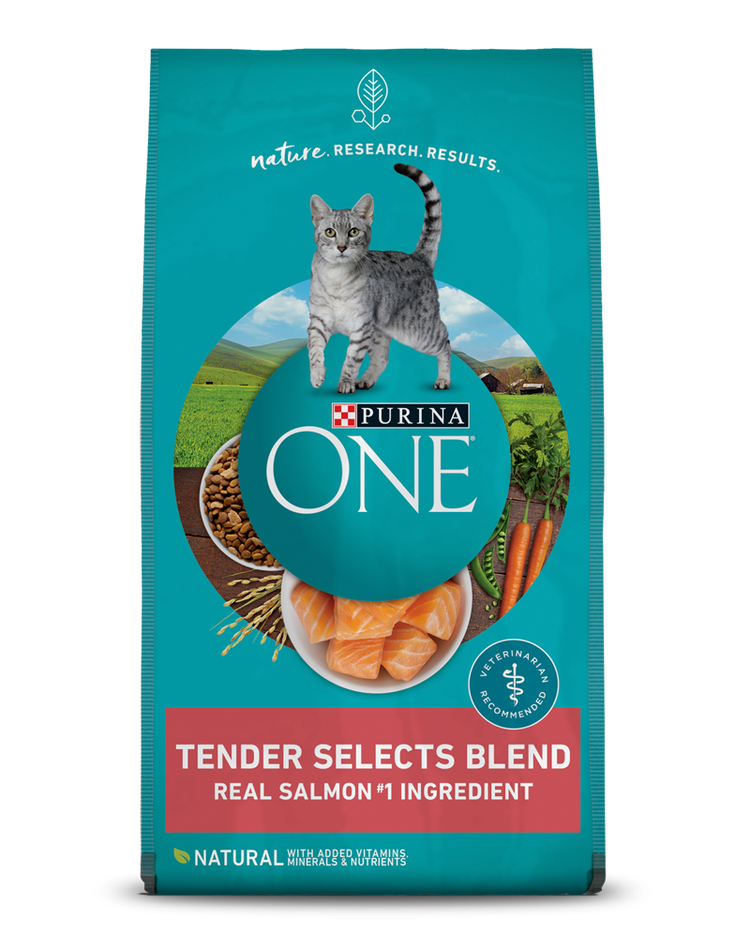
Change your cat’s diet slowly and carefully. Switch to smaller, more frequent meals instead of one big portion. This prevents overeating and helps digestion. Choose high-quality dry food with easily digestible ingredients. Mixing dry food with a bit of wet food can ease stomach strain. Avoid sudden diet changes, which can upset your cat’s stomach.
Monitoring Behavior Changes
Watch for signs of illness or discomfort. Note if vomiting happens after eating or at random times. Look for changes in appetite, energy, or litter box habits. Keep a journal to track these changes and share them with your vet. Early detection of issues can prevent serious problems. Prompt care improves your cat’s well-being.
Credit: www.purina.com
Frequently Asked Questions
Why Does My Cat Vomit Dry Food Frequently?
Cats may vomit dry food due to eating too fast or overeating. Dry food expands in their stomach, causing discomfort. It can also indicate allergies, hairballs, or digestive issues. Monitoring eating habits and consulting a vet is essential to identify the cause.
Can Dry Cat Food Cause Digestive Problems?
Yes, dry cat food can cause digestive issues if the cat is sensitive to certain ingredients. Poor-quality kibble or sudden diet changes may upset their stomach. Always choose high-quality, balanced food and introduce new diets gradually to prevent vomiting or diarrhea.
How To Prevent My Cat From Throwing Up Dry Food?
Feed smaller, frequent meals to slow eating and aid digestion. Use puzzle feeders or slow-feed bowls to reduce gulping. Ensure fresh water is available and maintain a consistent feeding schedule. If vomiting persists, consult a veterinarian for proper diagnosis and treatment.
Is Throwing Up Dry Food A Sign Of Illness?
Occasional vomiting may be normal, but frequent vomiting can signal illness. Conditions like infections, allergies, or gastrointestinal problems may cause vomiting. If your cat vomits dry food regularly, seek veterinary advice to rule out serious health issues.
Conclusion
Understanding why your cat throws up dry food helps ensure their health. Monitor their eating habits closely. Offer smaller, more frequent meals. Choose high-quality food that suits their needs. Hydration is essential, so provide fresh water daily. If vomiting persists, consult a veterinarian.
They can diagnose underlying issues and provide treatment. Remember, your cat's well-being is a priority. Maintain a stress-free environment for them. A happy, healthy cat brings joy to your home. With the right care, your feline friend will thrive. Keep them purring contentedly with attentive care and love.