
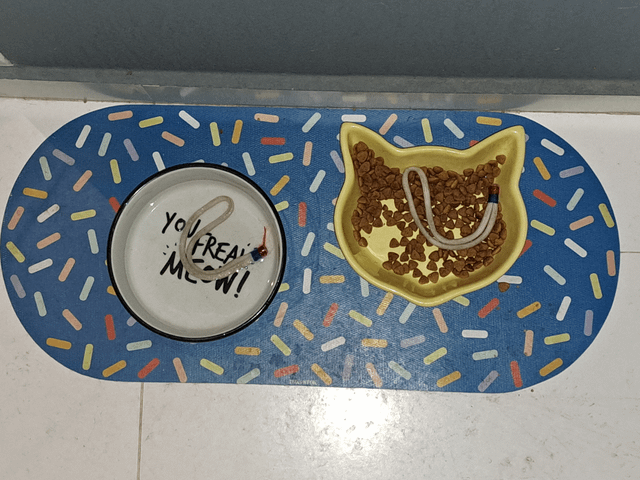
Have you ever walked into your kitchen only to find your cat's toy nestled snugly in the food bowl? You're not alone.
This curious behavior might leave you scratching your head, wondering what your feline friend is up to. Is it a quirky personality trait, or is there a deeper meaning behind this puzzling action? Before you dismiss it as just another odd cat habit, consider the possibility that your kitty is trying to tell you something important.
You'll uncover the surprising reasons behind why your cat might be using their food bowl as a playground for their toys. Stick around to discover how this behavior could be shedding light on your cat's instincts and emotions, and what you can do to help them feel more at ease.

Credit: www.reddit.com
Cat Behavior And Instincts
Cats often surprise us with behaviors that seem puzzling at first glance. One such behavior is placing toys in their food bowls. Understanding this action requires a closer look at your cat's natural instincts and behavior patterns. These behaviors are deeply rooted in their ancestry and daily experiences.
Hunting Instincts In Domestic Cats
Even well-fed house cats carry strong hunting instincts inherited from their wild ancestors. These instincts drive them to stalk, capture, and sometimes “store” prey. When your cat puts toys in their food bowl, they might be mimicking the way wild cats bring back hunted food to a safe spot.
Think about your cat’s behavior after playtime. Do they treat toys differently than other objects? This could be their way of blending their natural hunting skills with their living environment.
Play And Predatory Drive
Play is a critical outlet for your cat’s predatory drive. Toys act as substitutes for prey, helping your cat satisfy their need to chase and capture. Placing these toys in the food bowl may be a way to combine their play with a sense of accomplishment.
Have you noticed your cat “hiding” toys or bringing them to specific spots? This behavior highlights how play and hunting are intertwined, making your cat feel more secure and fulfilled.
Food And Play Association
Your cat’s food bowl is a familiar and safe place. By putting toys there, your cat could be linking the comfort of eating with the excitement of play. This association might help reduce anxiety or boredom, especially if your cat spends time alone.
Consider observing if your cat’s toy-dropping happens more often around mealtime. You might find clues about how your cat’s daily routine influences this habit and how you can engage them more effectively.

Credit: www.reddit.com
Common Reasons For Toy Placement
Cats often place toys in their food bowls, a behavior that can puzzle many owners. This act usually has simple reasons rooted in their instincts and emotions. Understanding these reasons helps to better connect with your feline friend. Here are some common causes for this curious behavior.
Marking Territory
Cats use toys to mark their territory around their food. Their scent on toys sends a message to other animals. This behavior shows ownership and keeps their eating space safe. It helps cats feel in control of their environment.
Seeking Attention
Sometimes, cats put toys in their bowls to get your attention. They want you to play or interact with them. This is their way of saying, “Notice me!” It can be a sign of boredom or a call for fun.
Comfort And Security
Placing toys near food gives cats a sense of comfort. Toys can act like a security blanket for them. This habit can reduce stress and make mealtime feel safer. It creates a calm, familiar space for your cat.
Environmental Influences
Environmental factors play a big role in why your cat might be putting toys in his food bowl. These surroundings can affect his behavior in ways you might not expect. Understanding these influences can help you create a more comfortable feeding space and reduce this puzzling habit.
Feeding Area Setup
The setup of your cat’s feeding area can impact how he interacts with his food bowl. If the bowl is placed in a noisy or busy spot, your cat might feel unsafe and try to distract himself by moving toys into the bowl.
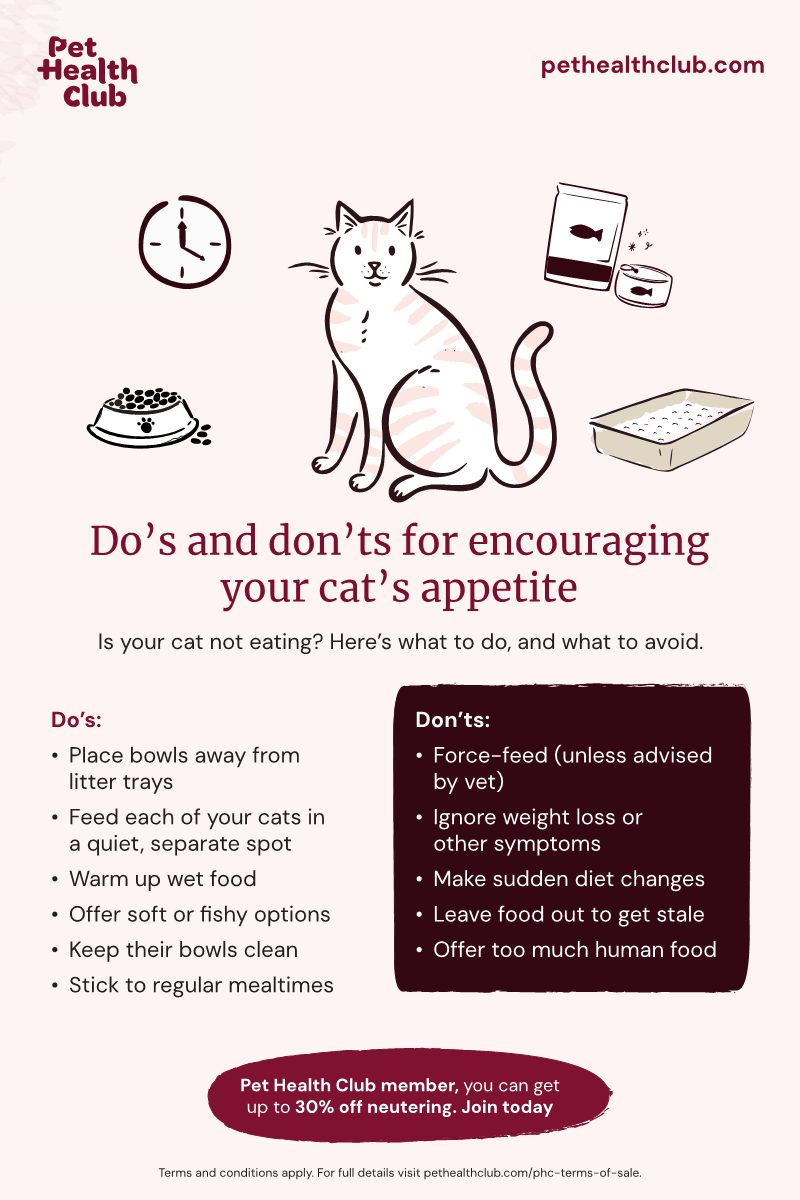
Think about where your cat eats. Is it near a door where people come and go? Is it close to loud appliances? Moving the feeding station to a quiet, calm corner could change his behavior.
Presence Of Other Pets
Other pets in your home can create competition or stress around feeding time. If your cat feels threatened by a dog or another cat, he might place toys in his bowl as a way to “guard” his food or signal ownership.
Have you noticed if this behavior increases when other animals are nearby? You might want to try feeding pets separately to see if your cat’s toy-moving decreases.
Changes In Routine
Cats are sensitive to changes in their daily routine. Moving feeding times or switching food types can cause confusion or anxiety. Your cat may respond by putting toys in his food bowl as a way to cope.
Try to keep feeding times consistent. If changes are necessary, introduce them slowly. This can help your cat feel more secure and less likely to mix play with mealtime.
Health And Emotional Factors
Understanding why your cat places toys in his food bowl can reveal a lot about his health and emotional state. This behavior often signals more than just playfulness; it can point to underlying feelings or physical conditions that need your attention. Watching closely can help you respond better to your cat’s needs.
Stress And Anxiety
Cats often use toys as comfort objects, especially when they feel stressed or anxious. If your cat is in a new environment, experiencing changes, or facing loud noises, he might stash toys in his food bowl as a way to create a safe space. Have you noticed if this behavior increases during thunderstorms or when visitors come over?
Stress can also affect eating habits. Sometimes, your cat might slow down eating or hide toys near food to feel more secure. Providing a calm, quiet feeding area can help reduce his anxiety and change this habit.
Boredom And Mental Stimulation
When your cat puts toys in his food bowl, he might be looking for more mental engagement. Cats need daily stimulation to stay happy and healthy. If meals become a place for play, your cat could be trying to make feeding time more interesting.
Try rotating toys or adding puzzle feeders to challenge your cat’s mind. This can prevent boredom and reduce the need to mix play with eating. Have you tried interactive toys during mealtime to see if it changes his behavior?
Possible Health Concerns
Sometimes, unusual behavior like placing toys in the food bowl can hint at health problems. Dental pain or digestive issues might make your cat hesitant to eat normally. Observing his overall appetite and mood can provide clues.
If you notice changes in weight, vomiting, or lethargy along with this behavior, it’s time for a vet visit. Health issues might cause your cat to act out or seek comfort in unusual ways, including how he interacts with his food bowl.
How To Respond To This Behavior
Seeing your cat stash toys in their food bowl might leave you puzzled. This behavior is more common than you think and can signal different needs or instincts. How you respond can help your cat feel understood and reduce any unwanted habits.
Encouraging Positive Play
Redirect your cat’s energy by offering playtime before meals. This can satisfy their hunting instincts and reduce the urge to mix toys with food. Try interactive toys like feather wands or laser pointers to keep your cat engaged and focused.
Notice which toys your cat prefers and rotate them to maintain interest. Praise your cat when they play appropriately to reinforce good habits. Have you tried playing together right before mealtime to see if it changes their behavior?
Adjusting Feeding Practices
Sometimes, cats put toys in their food bowl because they feel insecure about their food. Try feeding smaller, more frequent meals to reduce competition or stress. Using puzzle feeders can also slow down eating and provide mental stimulation.
Make sure the feeding area is quiet and free from disturbances. If your cat is protective of their food, consider separate feeding spots for multiple pets. Have you observed any patterns in your cat’s behavior around mealtime that could guide adjustments?
Providing Enrichment And Toys
Offer a variety of toys outside the feeding area to satisfy your cat’s need to collect or “store” items. Boxes, tunnels, and climbing trees create an enriching environment that keeps your cat busy. Adding new textures or sounds can spark curiosity and reduce focus on the food bowl.
Regularly inspect toys for wear and rotate them to keep things fresh. You might find that your cat prefers soft toys over hard ones or vice versa. What types of toys does your cat spend the most time with, and how can you build on that preference?

Credit: www.reddit.com
When To Consult A Veterinarian
Noticing your cat placing toys in their food bowl can be amusing or puzzling, but sometimes it signals a deeper issue. Knowing when to consult a veterinarian is crucial to ensure your pet’s well-being. If this behavior is new, frequent, or accompanied by other signs, getting professional advice can make all the difference.
Behavioral Changes To Watch
Is your cat suddenly more withdrawn or unusually aggressive? Changes like hiding more often or losing interest in play can indicate something’s off. Pay attention if the toy-stashing behavior increases alongside these shifts.
Also, watch for disrupted eating habits—eating less or more than usual, or showing reluctance to eat. These changes might mean your cat is uncomfortable or anxious.
Signs Of Stress Or Illness
Stress can cause odd behaviors, including moving toys to their bowl. Look for signs like excessive grooming, vocalizing more, or litter box accidents. These can point to stress or health problems.
Physical symptoms such as vomiting, diarrhea, or weight loss should prompt an immediate vet visit. Your cat might be trying to communicate discomfort in a way you don’t expect.
Professional Behavioral Advice
Veterinarians can help determine if the toy-in-food-bowl habit is harmless or a symptom of something bigger. They can also recommend behaviorists for tailored advice if anxiety or compulsive behavior is involved.
Don’t hesitate to ask your vet about environmental enrichments or stress reduction techniques. Sometimes, simple changes at home can ease your cat’s mind and stop unwanted behaviors.
Frequently Asked Questions
Why Does My Cat Hide Toys In Food Bowl?
Cats hide toys in their food bowl as a form of resource guarding. They may treat toys like prey, keeping them safe near food. This behavior is instinctual, reflecting their natural hunting and caching habits.
Is Toy-stashing Normal Cat Behavior?
Yes, toy-stashing is normal for many cats. It mimics their wild ancestors' habit of storing food. This behavior shows their instinct to protect valuable items, even if the "prey" is a toy.
Can Toy Hiding Indicate Stress In Cats?
Sometimes, yes. Toy hiding can signal anxiety or insecurity. Cats may stash toys to feel more in control. If excessive, monitor your cat’s environment for stress triggers.
Should I Remove Toys From My Cat’s Food Bowl?
It’s best to leave toys unless they cause mess or stress. Removing toys abruptly can confuse your cat. Instead, provide alternative safe spots for toy storage.
Conclusion
Cats putting toys in their food bowls shows their playful nature. They might want to keep their "prey" close. This behavior can also mean your cat feels safe and relaxed. Watching this habit helps you understand your cat better. Try giving your cat different toys to see what they like.
Remember, every cat is unique and expresses itself differently. Enjoy these little quirks—they make your cat special. Keep observing, and you will learn more about your furry friend’s personality.