Have you ever walked into a room and immediately noticed a strong, unpleasant smell coming from your cat’s litter box? You’re not alone.
If you’ve been wondering, “Why does my cat litter box smell so bad? ” you’re about to discover the simple reasons behind that stubborn odor. Understanding what causes the smell and how to tackle it can make a huge difference—not just for your home’s freshness but for your cat’s comfort too.
Keep reading, because the answers might surprise you and the solutions are easier than you think.

Credit: www.yahoo.com
Common Causes Of Litter Box Odor
Understanding why your cat litter box smells bad can help you tackle the problem more effectively. Several common causes contribute to that unpleasant odor, and identifying them is the first step to a fresher home environment. Let’s look at what might be behind the smell and how you can fix it.
Poor Cleaning Habits
One of the biggest reasons for a smelly litter box is not cleaning it often enough. Cats are clean animals, and leaving waste in the box for days allows bacteria and ammonia to build up, creating a strong odor.
Imagine scooping only once a week; the smell will be overwhelming. Ideally, you should scoop daily and change the litter entirely at least once a week to keep odors under control.
Type Of Litter Used
The kind of litter you choose plays a huge role in odor control. Some litters clump well and trap smells, while others do little to mask or neutralize odors.
For example, clay-based litters often absorb moisture but may not lock in odor as well as silica gel or natural litters like pine or walnut. Have you tried switching your litter type to see if the smell improves?
Litter Box Placement
Where you place the litter box can affect how odors spread in your home. Placing it in a small, poorly ventilated room traps the smell and makes it more noticeable.
Try moving the box to a well-ventilated area or near a window. This simple change can reduce the lingering smell significantly.
Number Of Cats And Boxes
More cats mean more waste, so the number of litter boxes matters. A common rule is one box per cat, plus one extra to prevent overcrowding and odor buildup.
If you have two cats but only one box, the smell will get worse quickly. Adding an extra box can help keep your home smelling fresher and reduce stress for your cats.
Choosing The Right Cat Litter
Choosing the right cat litter plays a big role in controlling litter box odor. Different litters have different properties that affect smell. Picking the right type can make cleaning easier and reduce bad odors.
Consider your cat’s preferences and your home environment. The right litter balances odor control, dust levels, and ease of cleaning. Understanding litter types helps you make a smart choice.
Clumping Vs Non-clumping
Clumping litter forms solid clumps when wet. It makes scooping urine and feces easier. This keeps the box cleaner and reduces odor quickly. Most cat owners prefer clumping for its convenience.
Non-clumping litter absorbs moisture but does not form clumps. It needs full replacement more often. This type may not control odor as well. It is usually cheaper and produces less dust.
Odor Control Litters
Odor control litters contain ingredients to neutralize smells. Common additives include baking soda, activated charcoal, and fragrances. These help mask or absorb bad odors.
Choose odor control litter if your cat box smells strong. Some litters combine clumping with odor blockers for better results. Avoid strong scents if your cat has sensitive nose.
Natural And Eco-friendly Options
Natural litters use plant-based materials like corn, wheat, or pine. These litters are biodegradable and less dusty. They often have a mild, natural scent that controls odor.
Eco-friendly litters reduce environmental impact. They are safe for cats and people. Some natural litters clump well and control odors effectively. These options suit pet owners who want green products.
Effective Cleaning Techniques
Keeping your cat’s litter box fresh requires more than just emptying it. Effective cleaning techniques reduce odor and keep your home smelling clean. Regular care helps control bacteria and prevents unpleasant smells from building up. Follow these tips to maintain a clean and odor-free litter box.
Daily Scooping Tips
- Scoop out waste at least twice a day.
- Use a sturdy scoop with slotted holes to remove clumps.
- Dispose of waste in a sealed bag to trap odors.
- Stir the litter lightly after scooping to keep it even.
- Check for wet spots and remove them promptly.
Deep Cleaning Schedule
- Empty the litter box completely once a week.
- Wash the box with warm water and mild soap.
- Rinse thoroughly to remove soap residue.
- Dry the box fully before adding fresh litter.
- Replace all litter to avoid mixing old and new.
Proper Disinfection Methods
- Use a pet-safe disinfectant to clean the box.
- Avoid harsh chemicals like bleach or ammonia.
- Let the disinfectant sit for 5-10 minutes before rinsing.
- Ensure the box is completely dry before refilling.
- Clean scoops and gloves regularly to prevent germs.
Optimizing Litter Box Setup
Optimizing your cat litter box setup can make a huge difference in reducing unpleasant odors. The right size, location, and accessories not only help control smells but also make your cat more comfortable. Have you considered that even small changes in your setup might cut down the stench significantly?
Ideal Box Size And Type
Your cat’s litter box should be big enough for them to turn around easily. If it’s too small, your cat might avoid using it, leading to accidents and more smell. Choose a box that is at least one and a half times the length of your cat from nose to tail.
Open litter boxes offer good ventilation but can spread odors faster. Covered boxes trap smells but might hold moisture and make it harder to clean. Think about your cat’s preferences and your cleaning routine when picking the type.
Best Locations For Placement
Placing the litter box in a well-ventilated, low-traffic area helps reduce odor buildup. Avoid cramped spaces like closets or corners without airflow. Have you tried moving the box near a window or using a small fan to keep air moving?
Also, keep the box away from your cat’s food and water bowls. Cats dislike eating near their bathroom, and this can cause stress or avoidance. Find a quiet spot that’s easy for you to access but private enough for your cat.
Using Liners And Deodorizers
Liners can make cleaning faster, but some cats dislike the texture and may scratch through them. If your cat tolerates liners, they can help prevent waste from sticking to the box. Try different brands and materials to see what works best.
Deodorizers, like baking soda or commercial powders, can absorb smells effectively. Sprinkle a thin layer under the litter, but avoid strong fragrances that might irritate your cat. Have you noticed a difference after adding a deodorizer?
Lifestyle Adjustments To Reduce Odor
Reducing litter box odor involves lifestyle changes that improve your cat’s environment. Small adjustments can make a big difference in keeping smells under control. These changes also help your cat feel more comfortable and healthy. Below are key lifestyle tips to reduce bad odors from the litter box.
Increasing Number Of Litter Boxes
More litter boxes mean less odor buildup. Cats prefer clean spaces and may avoid dirty boxes. Place one box per cat plus one extra. This reduces crowding and keeps each box cleaner longer. Spread boxes around the house to give your cat easy access.
Regular Vet Checkups
Vet visits help catch health issues that cause strong odors. Urinary infections or digestive problems can change your cat’s waste smell. Early treatment keeps your cat healthy and odor under control. Schedule checkups at least once a year, or more if needed.
Diet Impact On Smell
Your cat’s food affects the litter box smell. Poor diet can cause stronger urine and feces odor. Feed high-quality, balanced food for better digestion and less smell. Avoid sudden diet changes that upset your cat’s system. Consult your vet for the best diet advice.

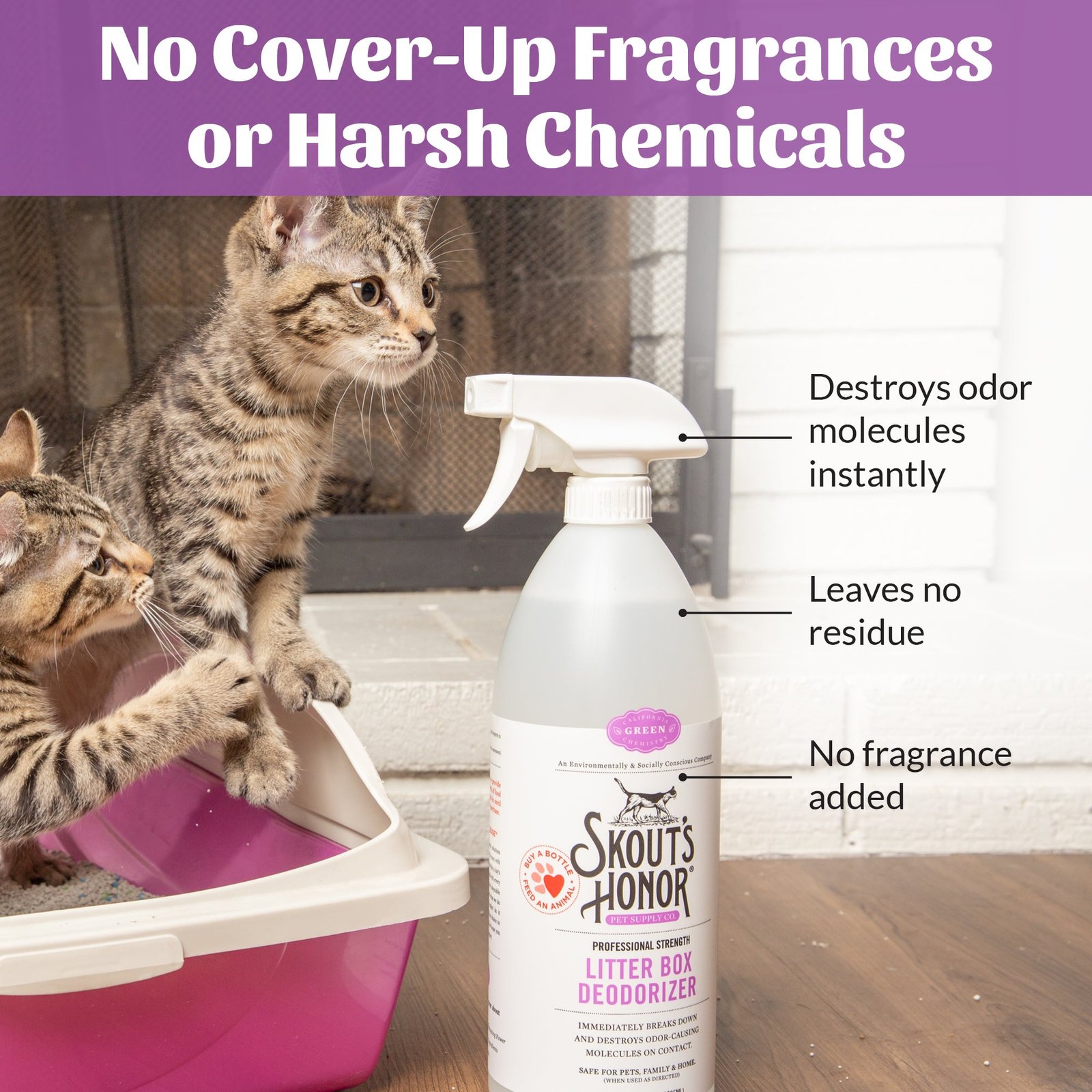
Credit: www.skoutshonor.com
Additional Products To Combat Smell
Dealing with a smelly cat litter box is tough. Some products help reduce odors effectively. These items work alongside regular cleaning to keep your home fresh. Choose what fits your space and lifestyle.
Air Purifiers And Filters
Air purifiers clean the air around the litter box. They remove dust and odor particles. HEPA filters capture tiny allergens and bacteria. Activated carbon filters trap bad smells. Place purifiers near the litter box for best results.
Odor Absorbing Sprays
Odor absorbing sprays mask or neutralize smells quickly. Use sprays made for pet odors. Spray lightly around the litter box area. Avoid spraying inside the litter itself. These sprays provide a temporary fresh scent.
Activated Charcoal And Baking Soda
Activated charcoal absorbs moisture and odors naturally. Place charcoal bags near the litter box. Baking soda neutralizes acids and bad smells. Sprinkle a thin layer of baking soda under the litter. Both options are safe and inexpensive.

Credit: vetic.in
Frequently Asked Questions
Why Does My Cat Litter Box Smell So Bad?
Bad smells come from bacteria breaking down urine and feces. Poor cleaning habits and low-quality litter worsen odors. Regular scooping and using odor-absorbing litter help reduce the smell effectively.
How Often Should I Clean My Cat’s Litter Box?
Clean the litter box daily by scooping waste. Replace all litter and wash the box completely once a week. Frequent cleaning prevents odor buildup and keeps your cat healthy and happy.
Can The Type Of Litter Affect The Smell?
Yes, different litters have varying odor control properties. Clumping clay and silica gel litters absorb moisture and trap smells better. Natural litters may need more frequent changing to manage odor effectively.
Does The Number Of Cats Affect Litter Box Odor?
More cats produce more waste, increasing odor potential. Use one litter box per cat plus one extra. Regular cleaning and multiple boxes help keep odors manageable in multi-cat homes.
Conclusion
A smelly litter box is a common problem for cat owners. Regular cleaning helps reduce odors. Use quality litter to trap smells better. Scoop daily to keep it fresh. A clean box makes your cat happy too. Check for health issues if smells persist.
Sometimes, diet changes affect odor. Keep the litter box in a ventilated area. This helps with air circulation and reduces smells. Remember, a little effort goes a long way. Keep your home smelling pleasant and your cat content.