Have you recently noticed something unusual in your cat's litter box? Finding worms in your cat's poop can be alarming and raise a lot of questions.
You might be wondering how they got there, what they mean for your feline friend’s health, and, most importantly, how you can get rid of them. You're not alone in this concern. Many cat owners face this unsettling discovery and are eager to learn more.
Understanding the reasons behind these unwelcome visitors can help you take the right steps to ensure your pet stays healthy and happy. Stick with us as we unravel the mystery and provide you with straightforward answers and practical solutions. Your cat’s well-being is worth it!

Credit: nexgardforpets.com
Common Worm Types In Cats
Finding worms in your cat’s poop can be unsettling. Knowing the common types of worms that infect cats helps you understand the problem better and take the right steps to protect your furry friend. Each worm type has unique traits and effects on your cat’s health.
Roundworms
Roundworms are the most common intestinal parasites in cats. They look like spaghetti noodles and can be visible in your cat’s stool. Cats often get roundworms from their mother or by eating infected prey.
Roundworms can cause weight loss, a pot-bellied appearance, and vomiting. If you spot these worms, consult your vet quickly to avoid serious health issues.
Tapeworms
Tapeworms are flat and segmented, often found as small rice-like pieces around your cat’s anus or in their poop. Fleas usually spread tapeworms, so flea control is essential to prevent infection.
Your cat might scratch or bite their rear more than usual if tapeworms are present. Treating fleas and using deworming medication are critical steps to get rid of tapeworms effectively.
Hookworms
Hookworms are tiny but powerful parasites that latch onto your cat’s intestinal walls to feed on blood. They can cause anemia, weakness, and diarrhea, especially in kittens or older cats.
These worms enter through the skin or by swallowing larvae, making outdoor cats more vulnerable. Regular vet check-ups and prompt treatment can stop hookworms from causing serious harm.
Whipworms
Whipworms are less common in cats but still worth knowing about. They live in the large intestine and cause inflammation, leading to diarrhea and weight loss.
Because whipworms are harder to detect, your vet might need to run specific tests if your cat shows persistent digestive problems. Keeping your cat’s environment clean helps reduce the risk of whipworm infection.
How Cats Get Infected
Cats can get worms in several ways. Understanding how infection happens helps in prevention. Worms live in places cats visit or things they eat. They enter a cat’s body through contaminated surroundings or other animals. The following points explain common infection routes for cats.
Contaminated Environment
Worm eggs or larvae often live in soil, grass, or litter boxes. Cats swallow these tiny eggs while grooming or sniffing. Outdoor cats face higher risks due to dirty areas. Even indoor cats can catch worms from contaminated places. Regular cleaning of litter and surroundings reduces infection chances.
Fleas And Parasites
Fleas carry tapeworm larvae. Cats get infected by biting or grooming fleas. Parasites like ticks and mites also spread some worms. Flea control is crucial to keep cats worm-free. Check your cat often for signs of fleas or ticks.
Hunting And Eating Prey
Cats love to hunt birds, rodents, and insects. These animals can carry worm larvae inside them. Eating infected prey passes worms directly to the cat. Hunting cats have a much higher chance of worm infection. Prevent hunting or provide cooked food to lower risk.
Mother To Kitten Transmission
Worms can pass from a mother cat to her kittens. This happens through the mother’s milk or during birth. Kittens get infected even before they start eating solid food. Early vet checks and treatment protect young cats from worms. Keep newborns clean and monitor their health closely.
Signs Of Worm Infestation
Worm infestation in cats can cause many health issues. Recognizing the signs early helps in getting quick treatment. Cats with worms often show clear symptoms. Some signs appear in their stool, behavior, and eating habits. Watch closely for these symptoms to protect your cat’s health.
Visible Worms In Stool
One clear sign is seeing worms in your cat’s poop. These worms look like small white or cream-colored strands. Sometimes, they move and wiggle. Tapeworm segments often look like tiny rice grains. Roundworms appear as spaghetti-like strands. Finding worms means your cat needs prompt vet care.
Weight Loss And Appetite Changes
Your cat may lose weight despite eating well. Worms consume nutrients meant for your cat. This causes malnutrition and weakness. Some cats lose interest in food suddenly. Others may eat more but still lose weight. These changes signal a possible worm infection.
Digestive Issues
Worms irritate your cat’s stomach and intestines. This can cause vomiting and diarrhea. Stools may be soft, runny, or contain mucus. Some cats have a swollen belly or visible bloating. Digestive discomfort is a common sign of worms.
Lethargy And Behavior Changes
Infested cats often become tired and less active. They may hide more or avoid playing. Weakness and low energy occur due to poor nutrition. Some cats seem irritable or restless. Changes in behavior often indicate discomfort from worms.
Diagnosing Worms In Cats
Detecting worms in your cat's stool is the first step to proper treatment. Diagnosing these parasites requires careful examination by a veterinarian. Early diagnosis prevents health complications and helps your cat feel better quickly.
Worms often appear in the stool as small, moving segments or as unusual shapes. A vet uses several tools and tests to identify the exact type of worm. Accurate diagnosis ensures the right medicine and care plan.
Veterinary Stool Examination
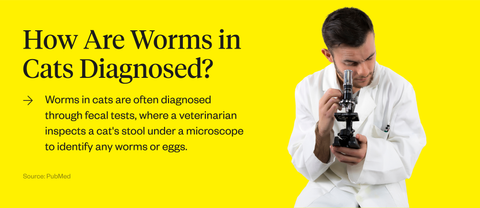
A stool sample is collected from your cat for analysis. The vet looks for worm eggs or larvae under a microscope. This test reveals the type of worms present and their quantity. It is a quick and common way to confirm infection.
Blood Tests
Blood tests check for signs of worm infection affecting your cat’s organs. These tests show if the infection is severe or has spread. Blood analysis helps assess overall health and guides treatment choices.
Physical Examination
The vet examines your cat’s body for visible signs of worms or discomfort. They check the skin, coat, and abdomen for abnormalities. Physical exams also reveal symptoms like weight loss or a dull coat, which suggest worm problems.
Treatment Options
Finding worms in your cat’s poop can be unsettling, but the good news is there are clear ways to handle it. Treatment options vary depending on the type of worms and the severity of the infection. Understanding these options helps you act quickly to protect your cat’s health and comfort.
Deworming Medications
Deworming medications are the most common and effective treatment for worms in cats. These drugs target specific types of parasites such as roundworms, tapeworms, or hookworms. Your vet will prescribe the right medication based on stool tests or symptoms.
Some medications come as tablets, liquids, or topical treatments. It’s important to follow the dosage instructions carefully to avoid under-treating the infection. Have you ever missed a dose and noticed your cat still had worms? Staying consistent with medication ensures complete parasite removal.
Natural Remedies
Some cat owners prefer natural remedies alongside or instead of traditional medicine. Ingredients like pumpkin seeds, coconut oil, or diatomaceous earth are popular for their anti-parasitic properties. However, their effectiveness isn’t always guaranteed.
Natural options can support your cat’s health but shouldn’t replace vet-approved treatments, especially if the infection is severe. Always discuss any natural remedies with your vet before trying them. Have you tried a natural approach with your cat, and what was your experience?
Follow-up Care
After treatment, follow-up care is crucial to prevent re-infection. Regular stool checks help confirm the worms are gone. Your vet might recommend repeat deworming after a few weeks to catch any remaining parasites.
Keeping your cat’s environment clean and controlling fleas can reduce the chance of worms returning. Do you clean your cat’s bedding and litter box regularly? Simple habits like these can make a big difference in your cat’s long-term health.
Preventing Worm Infestations
Preventing worm infestations in your cat is key to keeping them healthy and comfortable. Worms can cause serious health issues, but with careful attention, you can minimize the risk. Let’s look at some practical ways to protect your furry friend from these unwanted guests.
Regular Vet Checkups
Routine visits to the vet are crucial. Your veterinarian can perform stool tests to detect worms early, even before symptoms appear. These checkups allow timely treatment and keep your cat’s health on track.
Think about how often your cat visits the vet. Could more frequent checkups catch problems sooner? Regular vet care isn’t just about vaccinations; it’s about catching hidden issues before they escalate.
Flea Control
Fleas aren’t just annoying—they often carry tapeworms that can infect your cat. Using flea preventatives consistently helps break the cycle of infestation. Options include topical treatments, collars, or oral medications.
Have you noticed your cat scratching more than usual? That might be a clue fleas are present. Addressing flea control promptly reduces the risk of worm transmission significantly.
Hygiene And Cleanliness
Keeping your cat’s environment clean plays a big role. Regularly clean litter boxes and living areas to remove parasite eggs and larvae. Wash your hands after handling waste to prevent spreading infections.
Simple habits like changing litter daily can make a big difference. Do you clean your cat’s bedding and toys often enough? Good hygiene helps stop worms from taking hold.
Safe Outdoor Practices
If your cat goes outside, it’s important to limit exposure to infected animals or contaminated soil. Supervise outdoor time or create a secure outdoor enclosure. Avoid letting your cat hunt rodents, as they often carry worms.
Have you seen your cat chase mice or birds? That behavior increases worm risk. Controlling outdoor activities reduces contact with sources of infection and keeps your cat safer.
When To See A Vet Immediately
Not all worms in cat poop require emergency care. Certain signs indicate a serious problem. Acting fast can protect your cat’s health and comfort. Knowing when to see a vet immediately helps avoid complications.
Severe Symptoms
Watch for vomiting that won’t stop. Diarrhea with blood is alarming. Extreme weakness or collapse needs urgent care. Difficulty breathing or rapid breathing shows distress. High fever signals infection or inflammation. These symptoms demand immediate veterinary attention.
Persistent Worms
Worms still appear after treatment. Your cat keeps scratching or scooting. Weight loss continues despite eating well. Worms might be resistant or another issue exists. A vet can diagnose and adjust treatment.
Signs Of Anemia
Look for pale gums or tongue. Your cat may seem tired or faint. Rapid heartbeat or breathing can occur. Anemia happens when worms drain blood. It requires prompt veterinary care to prevent danger.

Credit: harmonypetclinic.com

Credit: www.youtube.com
Frequently Asked Questions
Why Does My Cat Have Worms In His Poop?
Cats can get worms by eating infected prey or contaminated food. Worms lay eggs in the intestines, which pass through poop. Regular deworming and vet check-ups help prevent and treat this issue.
What Types Of Worms Are Common In Cat Poop?
Common worms in cat poop include roundworms, tapeworms, hookworms, and whipworms. Each type causes different symptoms and requires specific treatments prescribed by a vet.
Can Worms In Cat Poop Harm Humans?
Yes, some cat worms can infect humans, especially children. Practicing good hygiene and regular pet deworming reduce the risk of transmission.
How Can I Prevent My Cat From Getting Worms?
Keep your cat indoors, avoid raw meat feeding, and maintain regular vet check-ups. Deworm your cat as recommended by your veterinarian to prevent infestations.
Conclusion
Worms in your cat’s poop show a health issue that needs attention. Treating worms early keeps your cat happy and safe. Clean your cat’s living area often to prevent infections. Regular vet visits help catch problems before they grow. Watch your cat’s behavior and stool for any changes.
Taking quick action protects both your cat and family. Healthy cats mean fewer worries for you. Keep learning about pet care to support your furry friend well. Small steps make a big difference in your cat’s health.