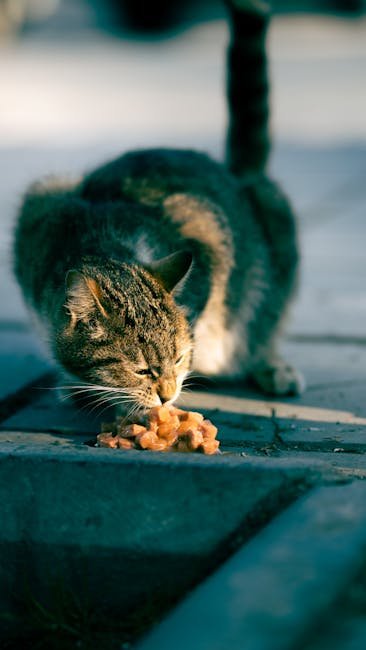
Have you ever watched your cat dig around her food bowl and wondered why? It's a curious behavior that leaves many cat owners scratching their heads.
You might think she’s just being quirky, but there’s often more to it. Understanding these feline antics can enhance your bond with your pet and ensure she's happy and healthy. We’ll uncover the reasons behind this digging behavior and how it relates to her instincts and needs.
Get ready to see your furry friend’s actions in a whole new light. Dive in, and let's unravel this mystery together.

Credit: www.reddit.com
Cat's Natural Instincts
Understanding why your cat digs around her food bowl means looking at her natural instincts. These behaviors connect deeply with what her wild ancestors did for survival. Your cat’s digging is more than just a quirky habit; it’s a reminder of her roots and the instincts passed down through generations.
Wild Ancestors' Behavior
Wild cats often needed to protect their food from other predators and scavengers. They would dig around their kill or food stash to cover it up. This digging helped hide the scent and made it harder for others to find their meal.
Think about your cat’s digging as a leftover survival tactic. Even though she’s safe and well-fed, those instincts stay with her. Have you noticed how your cat sometimes paws around after eating? She might be trying to "bury" her food just like her ancestors did.
Hiding Food Tactics
Besides covering their food, wild cats used digging to create a safe eating spot. Scratching and pawing around helped them feel more secure while eating. This behavior might seem odd to you but it’s your cat’s way of protecting her resources.
You can observe similar actions in your cat’s digging near her bowl. She might be subconsciously trying to hide any leftover food. This could also be why she sometimes pushes kibble out of the bowl or digs under her dish.
Next time your cat digs at her food, consider her natural instincts. Could you create a feeding environment that feels safer and more comfortable for her? Maybe changing the bowl’s location or using a heavier dish can help satisfy these instincts in a healthy way.
Marking Territory
Have you ever noticed your cat digging around her food bowl and wondered why she does it? This behavior often ties back to marking territory. Cats have a natural instinct to protect their food and space, ensuring others know it's their spot.
Scent Glands Around Mouth
Cats have special scent glands located around their mouth area. When your cat digs or rubs near her food bowl, she is actually spreading her scent. This action signals to other animals that this is her personal feeding spot.
Think about how your cat might nuzzle or rub her face on furniture or people. The same behavior happens around the food bowl, but with the goal of marking territory. This scent marking is subtle but powerful in the feline world.
Claiming Food Space
Digging around the food bowl also helps your cat claim her eating area. By disturbing the space, she reassures herself and others that the food belongs to her. It’s a way to assert ownership without direct confrontation.
If you notice your cat doing this more around new or unfamiliar food bowls, it may be her way of adapting and staking her claim. You might even see her pawing or rearranging the food to make sure everything is just right.
Next time your cat digs around her food bowl, ask yourself: Is she marking her territory or just playing with her food? Understanding this behavior helps you respect her instincts and provide a comfortable feeding space.
Food Quality Concerns
When your cat starts digging around her food bowl, it might be her way of telling you something is off about the food quality. Cats have keen senses and can detect subtle changes in their food that you might miss. Understanding these food quality concerns can help you ensure your feline friend stays happy and healthy.
Detecting Spoiled Food
Cats rely heavily on their sense of smell to decide if their food is safe to eat. If the food has gone bad, even slightly, your cat may dig around to avoid eating it. Sometimes, spoiled food doesn’t look or smell bad to us, but your cat’s sensitive nose can pick up on it instantly.
Have you ever noticed your cat hesitating or pawing at the food before eating? This behavior often signals that the food might be stale or contaminated. Checking the expiration date and storing food properly can prevent these issues.
Preference For Freshness
Cats prefer fresh food and may dig if the food in the bowl has been sitting out too long. Leaving food out for hours can cause it to lose aroma and texture, making it less appealing to your cat. If you notice this digging habit, try serving smaller portions more frequently to keep the food fresh.
Your cat's preference for freshness might surprise you. It’s not just about taste; fresh food is often easier to digest and more nutritious. How often do you refresh your cat’s food? Adjusting this simple habit could improve her eating experience dramatically.
Stress And Anxiety
Cats often dig around their food bowls due to stress and anxiety. This behavior helps them cope with feelings of discomfort. Stress can come from many sources in a cat's environment. It may affect their eating habits and cause unusual actions like digging.
Comfort Through Digging
Digging can bring comfort to anxious cats. It mimics natural instincts to bury food for safety. This action helps cats feel more in control. The repetitive motion may calm their nerves. It acts like a small, soothing ritual before eating.
Environmental Triggers
Changes in the environment often trigger digging behavior. Loud noises, new pets, or visitors can cause stress. A busy household may make a cat feel unsafe. Even moving the food bowl can unsettle them. Identifying these triggers is key to reducing anxiety.
Attention Seeking Behavior
When your cat digs around her food bowl, it might be more than just a quirky habit. Sometimes, this behavior is a way for your cat to get your attention. Cats quickly learn what actions make you respond, and digging near their food can be a clever tactic to engage with you.
Getting Owner's Focus
Your cat might dig around her bowl because she wants you to notice her. This action often happens when you’re nearby but not paying attention. Maybe you’re busy on your phone or working, and your cat feels overlooked.
Think about moments when she digs and you immediately look over or speak to her. This reinforces the behavior because she gets what she wants—your focus. Have you ever caught yourself dropping everything just to check on her after she starts digging?
Playful Actions
Sometimes, digging is just a playful way to interact. Cats are naturally curious and active, and digging near their bowl can be a game to break the routine. It’s a way to invite you into their world, asking for engagement or playtime.
You might notice her tail twitching or her eyes brightening when she digs, signaling she’s in a playful mood. Try responding by tossing a small toy or offering a gentle pet. This can turn a simple digging habit into a fun bonding moment for both of you.

Credit: www.youtube.com
Health Issues
Sometimes, when your cat starts digging around her food bowl, it might not be just a quirky habit. Health issues can cause this behavior, signaling discomfort or pain. Paying attention to these signs can help you catch problems early and keep your furry friend happy.
Dental Problems
Dental pain can make eating unpleasant for your cat. If she has sore gums, loose teeth, or infections, she may dig around her bowl to avoid biting directly into her food. Have you noticed her dropping food or chewing only on one side? These are clues that her mouth might hurt.
Dental issues are common but often overlooked. Regular check-ups and gentle observation can reveal if your cat needs a vet visit. You might also see bad breath or excessive drooling accompanying the digging behavior.
Digestive Discomfort
Your cat might dig around her food bowl if she experiences stomach pain or nausea. Digestive problems like gastritis or food sensitivities can make eating stressful, leading to odd behaviors. Does she seem hesitant or restless during mealtime?
Changes in appetite, vomiting, or diarrhea alongside digging can point to digestive discomfort. Offering smaller, frequent meals or switching to a sensitive stomach formula might ease her symptoms. Always discuss these changes with your vet to rule out serious issues.
How To Manage Digging
Managing your cat’s habit of digging around her food bowl can improve mealtime for both of you. It’s not just about stopping the behavior but understanding what makes her do it and adjusting her feeding setup accordingly. Simple changes can make a big difference in calming this instinctive action.
Improving Feeding Environment
Start by creating a calm and quiet area for your cat’s meals. Loud noises or a busy room can make her feel insecure, triggering digging as a way to cover her food or feel safe. Use a non-slip mat under the bowl to prevent movement, which often causes frustration and more digging.
Try different bowl types—some cats prefer shallow plates over deep bowls. Pay attention to the placement of the food; a corner spot may feel more secure than the middle of a room. Have you noticed if your cat digs more when there’s a lot of foot traffic nearby?
Using Puzzle Feeders
Puzzle feeders turn mealtime into a game, slowing down eating and engaging your cat mentally. This can reduce digging caused by boredom or impatience. These feeders require your cat to work for her food, which mimics hunting behavior and satisfies her natural instincts.
Start with simple puzzles and observe how your cat reacts. Some cats may need encouragement to learn the new feeding style, but the payoff is a calmer, more focused eating experience. Could this be a way to make your cat’s mealtime more enriching and less messy?
Regular Vet Checkups
Sometimes digging can be a sign of underlying health issues, such as dental pain or digestive discomfort. Regular vet visits help catch these problems early before they affect your cat’s behavior. If your cat suddenly starts digging around the bowl more than usual, it’s worth a vet check.
Discuss your cat’s eating habits with your vet to rule out any medical causes. Has your vet ever mentioned behavior changes linked to health in your cat? Paying attention to these details keeps your cat happy and healthy.

Credit: thecatisinthebox.com
Frequently Asked Questions
Why Does My Cat Dig Near Her Food Bowl?
Cats dig near their food bowl to hide leftovers. This behavior is instinctual, inherited from wild ancestors. It helps protect food from other animals. Your cat might also dig to create a comfortable eating spot or express anxiety.
Is Digging Around The Food Bowl Normal Cat Behavior?
Yes, digging around the food bowl is normal for many cats. It mimics natural instincts to bury or protect food. However, excessive digging could signal stress or discomfort. Observe your cat’s overall behavior to ensure it’s healthy and happy.
Can Digging Near Food Indicate A Health Problem?
Usually, digging near food isn’t a health issue. But if your cat digs obsessively, it might feel unwell or anxious. Consult a vet if the behavior changes suddenly or is paired with other symptoms like loss of appetite or lethargy.
How Can I Stop My Cat From Digging Her Food Bowl?
Place the food bowl on a non-diggable surface like a mat. Clean the feeding area regularly to reduce anxiety. Provide enrichment toys to distract your cat. Avoid sudden changes in feeding routine that might cause stress.
Conclusion
Cats dig around their food bowl for many reasons. It can be a natural habit or a way to hide food. Sometimes, they feel curious or playful. Understanding this behavior helps you care for your cat better. Watch your cat’s actions and provide a calm eating space.
This makes mealtime safe and stress-free for your pet. Remember, a happy cat feels comfortable and loved. Keep observing and enjoy your time with your furry friend.