Have you ever noticed your dog licking themselves right after a bath and wondered why they do it? It might seem odd or even a little messy, but there’s a reason behind this common behavior.
Understanding why your furry friend licks themselves after getting clean can help you care for them better and keep them comfortable. Keep reading, and you’ll discover the surprising reasons behind this habit and what it means for your dog’s health and happiness.
Natural Grooming Instincts
Dogs have natural grooming instincts that guide their behavior after a bath. Licking themselves is one way they keep clean and feel comfortable. This instinct has deep roots in their wild ancestors’ habits.
Bath water changes a dog’s natural scent and feel. Licking helps restore their usual state. It also plays a role in maintaining their skin and coat health.
Self-cleaning Behavior
Dogs lick themselves to remove dirt and loose hair. After a bath, they still sense moisture or soap residue. Licking dries their fur and smooths it out.
This action helps spread natural oils across their skin. These oils protect against dryness and irritation. Self-cleaning keeps their coat shiny and healthy.
Scent Masking
Wild dogs use licking to mask their scent from predators or prey. Domestic dogs keep this instinct alive. Bathing washes away their familiar smell.
Licking helps dogs bring back their personal scent. It makes them feel secure and less stressed. This scent is important for communication with other dogs.
Skin Sensitivity After Bathing
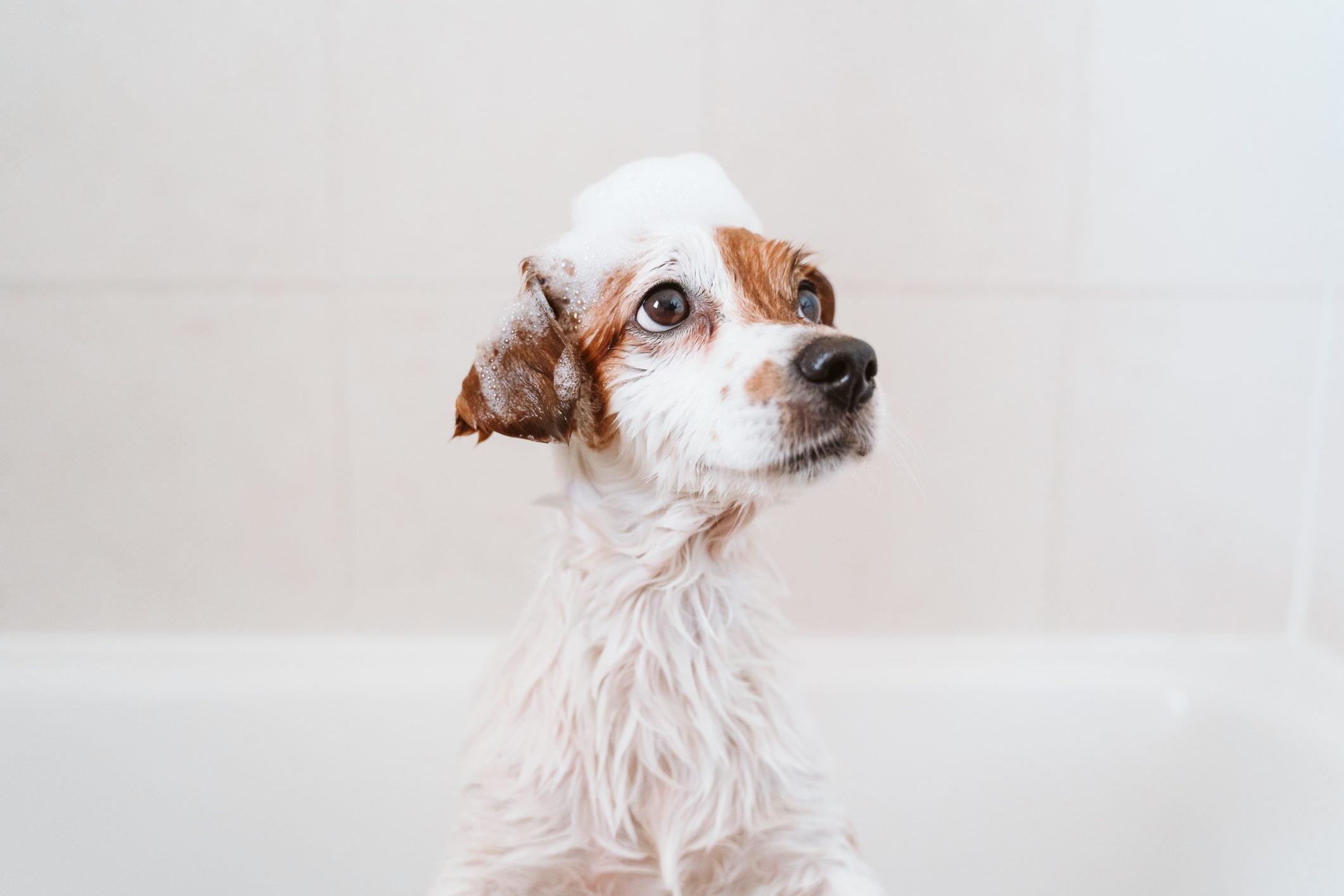
Bathing can sometimes cause skin sensitivity in dogs. Their skin is different from human skin. It is thinner and more delicate. After a bath, dogs may feel itchy or uncomfortable. This leads them to lick themselves. Understanding skin sensitivity helps pet owners care better for their dogs.
Reaction To Shampoo
Shampoos contain chemicals that clean dirt and oils. Some ingredients can irritate a dog’s skin. Dogs with sensitive skin feel this more strongly. Even mild shampoos may cause itching. Fragrances and dyes add to the irritation. Licking helps dogs soothe the discomfort they feel.
Dry Or Irritated Skin
Bathing removes natural oils from the skin. These oils keep the skin soft and moist. Without them, skin can become dry and flaky. Dry skin often feels itchy to dogs. The licking is a natural response to this discomfort. It can also cause more irritation if done too much.
Stress And Anxiety Relief
After a bath, dogs often lick themselves as a way to handle stress and anxiety. The unfamiliar sensation of being wet and the disruption of their normal routine can make them feel uneasy. Understanding this behavior helps you support your dog's emotional well-being during grooming.
Comforting Rituals
Licking acts as a comforting ritual for dogs. It releases endorphins, which help soothe their nerves and calm their minds. You might notice your dog licking more intensely after a bath, showing they are trying to regain a sense of safety.
Think about your own habits—do you ever do something repetitive to relax after a stressful event? Dogs do the same with licking. It’s their way of telling themselves, “Everything is okay.”
Post-bath Anxiety
Bath time can trigger anxiety because it interrupts your dog’s usual environment and routine. The sound of running water, strange smells, and being handled more than usual can overwhelm them. Licking helps them manage this anxiety by focusing their energy on a self-soothing action.
If you see your dog licking excessively after a bath, it might indicate they are still feeling stressed. You can help by gently petting them or offering a favorite toy to redirect their attention. Have you noticed if your dog calms down faster when you stay close after bathing?

Credit: justdogpeople.com
Taste And Smell Exploration
Dogs rely heavily on their senses of taste and smell to understand the world around them. After a bath, your dog’s licking behavior often reflects their attempt to process new and unfamiliar scents. This instinctive action helps them regain a sense of normalcy by exploring and adjusting to the changes on their skin and fur.
Curiosity About New Scents
Bath time introduces a variety of new smells to your dog’s coat, from shampoo to conditioner and even the water itself. These scents can feel strange or overwhelming to your pet. Licking allows your dog to investigate these unfamiliar odors closely, helping them make sense of the changes.
Have you noticed how your dog sniffs their fur right after a bath? Licking follows as a way to decode the scent profile they just encountered. This behavior is similar to how you might sniff a new perfume or soap—your dog is simply using their natural tools to understand their environment better.
Removing Residual Bath Products
Even if you rinse thoroughly, small amounts of shampoo or conditioner can remain on your dog’s fur. These residues can taste bitter or unpleasant, prompting your dog to lick the area to remove any leftover product.
Licking is also a self-soothing gesture that helps your dog feel clean and comfortable. It’s their way of finishing the grooming process on their own terms. To reduce excessive licking, try using gentle, pet-safe shampoos and ensure you rinse your dog thoroughly after every bath.
Health Concerns To Watch
After a bath, it's normal for dogs to lick themselves as part of their natural grooming process. However, excessive licking can sometimes signal health issues that need your attention. Watching for certain signs can help you protect your dog from discomfort or more serious problems.
Excessive Licking Signs
Pay close attention if your dog's licking lasts more than 15-20 minutes or if it happens repeatedly after the bath. Look for redness, swelling, or bald patches on their skin, which could indicate irritation or an allergic reaction to the shampoo.
Notice if your dog seems anxious or restless while licking, or if they focus on one particular spot. These behaviors might suggest pain or an infection rather than just normal grooming.
- Persistent licking beyond the drying phase
- Visible skin changes like redness or sores
- Signs of discomfort such as whining or scratching
When To Consult A Vet
If you spot any of the excessive licking signs, it’s wise to consult your vet promptly. They can check for allergies, infections, or even underlying conditions like dermatitis that may need treatment.
Sometimes, the shampoo or bath products you use may not suit your dog’s skin type. Your vet can recommend safer alternatives that won’t cause irritation.
Have you noticed your dog licking more than usual after a bath? Don’t wait for symptoms to worsen before seeking help. Early intervention can make a big difference in your dog’s comfort and health.
Credit: www.familyhandyman.com
Tips To Reduce Licking
After a bath, dogs often lick themselves to dry off or soothe their skin. While this behavior is natural, excessive licking can cause irritation or slow down the drying process. You can help reduce this licking by paying attention to the products you use, the way you dry your dog, and the environment you create after bath time.
Choosing Gentle Shampoos
Using a shampoo that is gentle and made specifically for dogs can make a big difference. Harsh chemicals or strong scents may irritate your dog’s skin and make them want to lick more. Look for shampoos labeled as hypoallergenic or formulated for sensitive skin to keep your dog comfortable.
Have you noticed your dog licking more after a certain shampoo? Switching to a milder option might reduce that urge quickly.
Proper Drying Techniques
Drying your dog thoroughly after a bath helps prevent the need for excessive licking. Use a soft towel to pat your dog dry instead of rubbing harshly, which can irritate the skin. For dogs that tolerate it, a pet-safe blow dryer on a low setting can speed up drying and reduce licking.
Try to avoid leaving damp areas, especially in thick fur, where your dog might focus their licking. How much time do you usually spend drying your dog? A little extra effort here can save you from more licking later.
Calming Post-bath Environment
Creating a calm atmosphere after the bath can help your dog relax and lick less. Soft music, gentle petting, or even a favorite chew toy can distract your dog from licking. Keep the room warm and quiet to reduce any stress your dog might feel after bath time.
Does your dog seem restless or anxious after baths? Offering comfort and distractions can lower their need to lick and help them settle down faster.
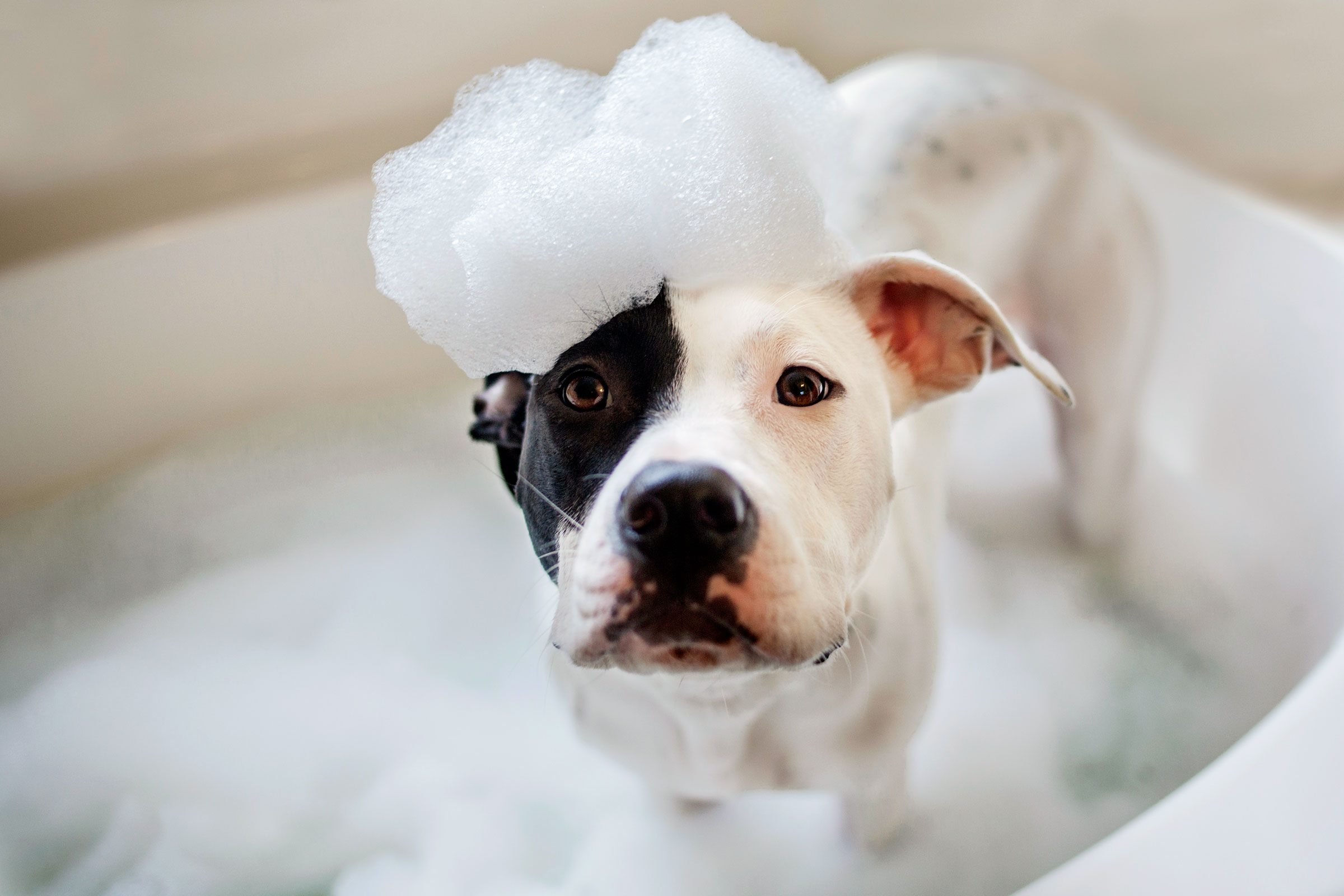
Credit: www.rd.com
Frequently Asked Questions
Why Do Dogs Lick Themselves After A Bath?
Dogs lick themselves after a bath to dry their fur and skin. Licking helps remove excess water and shampoo residue. It also comforts them and reduces stress from the bath experience. This behavior is natural and helps maintain their cleanliness.
Is Licking After A Bath Normal For Dogs?
Yes, licking after a bath is normal. It’s a natural grooming habit that helps dogs stay clean. Licking also soothes their skin and removes any leftover soap. If licking becomes excessive, it may indicate skin irritation or allergies.
Can Licking After A Bath Cause Skin Problems?
Excessive licking after a bath can cause skin irritation. It may lead to redness, rashes, or hot spots. Use gentle, dog-friendly shampoos and dry your dog thoroughly to reduce licking. Consult a vet if you notice persistent licking or skin issues.
How Can I Reduce My Dog’s Licking After A Bath?
To reduce licking, dry your dog well with a towel or blow dryer. Use calming techniques and gentle shampoos to minimize stress. Distract your dog with toys or treats after the bath. Regular grooming also helps keep their skin healthy.
Conclusion
Dogs lick themselves after a bath for several reasons. It helps them dry faster. Licking also comforts them, reducing stress. They might also lick to remove unfamiliar scents. Each dog has unique habits and preferences. Observing your dog's behavior is key.
This ensures their comfort and well-being. Regular baths and grooming help maintain their health. Always use dog-friendly products. Remember, licking is normal dog behavior. Understanding this can strengthen your bond. Keep an eye on excessive licking, though. It could signal irritation or allergies.
Consult a vet if you notice unusual behavior. Your dog's health matters most.