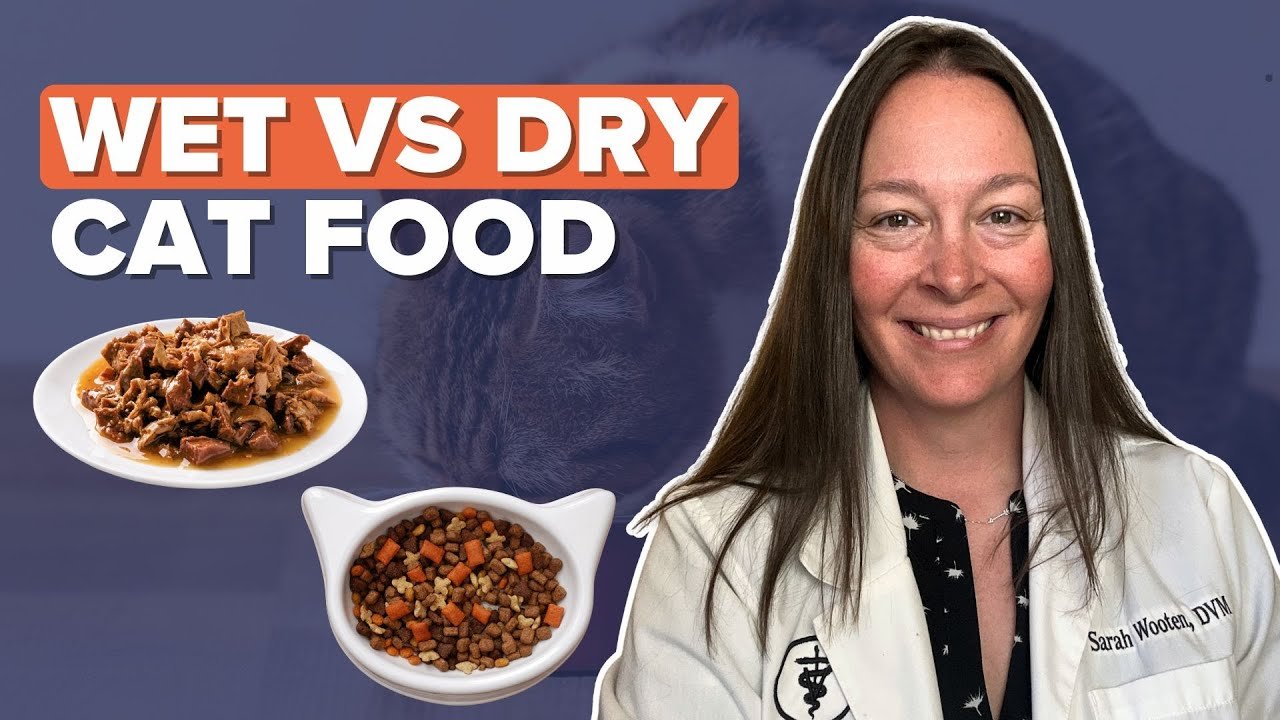
When it comes to feeding your cat, you might find yourself wondering: which is better—wet food or dry food? You want what’s best for your furry friend, but the choices can feel overwhelming.
Should you pick the convenience of dry kibble or the juicy appeal of wet meals? The answer isn’t one-size-fits-all, and what you decide can impact your cat’s health, happiness, and energy. Keep reading, and you’ll discover the key differences, benefits, and potential downsides of each option—so you can make the smartest choice for your beloved pet.

Credit: petbarnkw.com
Benefits Of Wet Food
Wet food offers several benefits for cats that can improve their health and happiness. It contains more moisture, which is essential for cats who do not drink enough water. Wet food also tends to have higher protein levels, supporting muscle maintenance and energy. Many cats find wet food tastier, making mealtime more enjoyable. This type of food can also help control weight by providing a satisfying portion without too many calories.
Hydration Support
Wet food contains up to 80% water. This helps keep cats hydrated naturally. Proper hydration supports kidney health and overall body function. Cats often do not drink enough water alone. Wet food adds moisture to their diet easily.
Higher Protein Content
Wet food usually has more protein than dry food. Protein is crucial for strong muscles and healthy skin. Cats are obligate carnivores, needing animal protein daily. Wet food meets their protein needs better for active, healthy cats.
Palatability And Taste
Cats prefer the taste of wet food. It has a softer texture and stronger aroma. This makes eating more appealing, especially for picky eaters or older cats. Wet food encourages cats to eat regularly and enjoy their meals.
Weight Management
Wet food is lower in calories but more filling. It helps cats feel full with smaller portions. This can prevent overeating and obesity. Feeding wet food supports healthy weight and reduces risks of health problems.
Advantages Of Dry Food
Dry cat food offers many benefits that suit both cats and their owners. It is easy to handle and store. Cats often enjoy the crunchy texture. This type of food supports some health aspects too. Many cat owners find dry food practical and budget-friendly.
Convenience And Storage
Dry food is simple to serve. It does not spoil quickly once opened. You can leave it out for cats to eat anytime. Storing dry food takes less space. It does not need refrigeration. This makes it ideal for busy households.
Dental Health Benefits
Crunchy dry food helps clean cats’ teeth. The texture can reduce plaque buildup. It supports healthy gums. Regular chewing may lower the risk of dental problems. This can lead to fewer vet visits.
Cost-effectiveness
Dry food usually costs less than wet food. You get more servings for the price. It fits well within many budgets. This allows owners to feed their cats without overspending. Good quality dry food offers balanced nutrition.
Longer Shelf Life
Dry food stays fresh longer than wet food. It keeps its quality after opening. This reduces waste and saves money. You can buy in bulk and store it easily. It stays safe for cats over time.
Nutritional Differences
Understanding the nutritional differences between wet and dry cat food can help you make smarter choices for your feline friend. Each type offers unique benefits and drawbacks that affect your cat's health and well-being. Let's break down these differences to see which might suit your pet best.
Moisture Levels
Wet food contains about 75-80% moisture, which helps keep your cat hydrated, especially if they don’t drink much water. Dry food, on the other hand, has only around 10% moisture, which means your cat needs to drink more water alongside it to stay properly hydrated.
I once switched my cat to wet food during a hot summer, and I noticed she drank less water but stayed well-hydrated. Could your cat benefit from extra moisture in their diet, especially if they are less active or prone to urinary issues?
Caloric Density
Dry food is more calorie-dense because it has less moisture, so your cat gets more energy in smaller portions. Wet food tends to be less calorie-dense, which can help if your cat needs to lose weight but may require larger servings to meet their energy needs.
Think about your cat’s activity level and weight goals. Are you looking to manage their calories closely, or do you want to ensure they eat enough without overeating?
Ingredient Quality
Wet food often contains higher-quality protein sources and fewer fillers compared to many dry foods. Dry foods frequently include grains and carbohydrates as fillers, which might not be as beneficial for obligate carnivores like cats.
Reading labels carefully can reveal surprising differences. Have you checked if your cat’s food lists real meat as the first ingredient, or does it rely heavily on plant-based fillers? Choosing foods with quality ingredients supports your cat’s muscle health and overall vitality.

Credit: jalbiteblog.org
Health Considerations For Cats
Choosing between wet and dry cat food involves more than just taste preferences. Your cat's health plays a crucial role in deciding which type of food is best. Understanding how each affects different health aspects can help you make a well-informed choice.
Urinary Tract Health
Wet food contains more moisture, which helps keep your cat well-hydrated. This can reduce the risk of urinary tract infections and kidney stones by diluting urine and encouraging frequent urination.
Dry food, being low in moisture, may increase the risk of urinary issues unless your cat drinks plenty of water. Have you noticed your cat drinking less water when on dry food? That could be a sign to switch things up.
Kidney Function
Cats with kidney problems often benefit from wet food because of its higher water content. Keeping kidneys hydrated is essential for filtering waste effectively.
If your cat has early signs of kidney disease, wet food might ease the strain on their kidneys. Always consult your vet before making changes based on kidney health, but hydration is a key factor to watch.
Weight Issues
Dry food is typically more calorie-dense, which can contribute to weight gain if your cat overeats. If your cat struggles with obesity, wet food portions can be easier to control because of their bulk and lower calorie density.
Have you found it harder to keep your cat at a healthy weight with dry food? Monitoring calorie intake and encouraging activity are essential no matter what food you choose.
Allergies And Sensitivities
Some cats react to ingredients commonly found in dry food, like grains or certain proteins. Wet food often has simpler ingredient lists, which can be better for cats with allergies.
If your cat shows signs of itching, digestive upset, or other sensitivities, trying a limited-ingredient wet food might reveal improvements. Have you tracked your cat’s reactions to different foods carefully?
Feeding Tips And Best Practices
Feeding your cat the right way supports their health and happiness. Good feeding habits help prevent obesity and digestive problems. Understanding portion sizes, food combinations, and how to change foods can make feeding easier. Watch your cat’s reactions closely to adjust feeding plans as needed.
Portion Control
Measure your cat’s food carefully every day. Overfeeding leads to weight gain and health risks. Use a kitchen scale or measuring cup to serve the right amount. Follow feeding guidelines on food packages but adjust based on your cat’s age and activity. Feed smaller, frequent meals instead of one large meal. This keeps your cat’s energy steady and digestion smooth.
Combining Wet And Dry Food
Mixing wet and dry food offers variety and balanced nutrition. Wet food adds moisture, helping cats who drink little water. Dry food supports dental health by reducing plaque. Start with small portions of each type. Keep the total daily food amount consistent to avoid overeating. Monitor how your cat enjoys both types and adjust as needed.
Transitioning Between Foods
Change your cat’s food slowly to avoid stomach upset. Mix new food with the old over 7 to 10 days. Increase the new food amount gradually every day. Watch for signs of digestive trouble like vomiting or diarrhea. If problems occur, slow down the transition or consult a vet. Patience helps your cat accept new tastes and textures.
Monitoring Your Cat’s Response
Observe your cat’s energy, weight, and coat condition regularly. Healthy cats are active with shiny fur and good appetite. Note any changes in bathroom habits or behavior. Sudden weight loss or gain needs a vet check. Adjust food type or amount based on your cat’s health and preferences. Regular check-ins ensure your cat stays happy and well-fed.
Special Diets And Veterinary Advice
Special diets play a crucial role in a cat's health. Cats with specific health issues need tailored nutrition. Choosing between wet or dry food depends on these dietary needs. Veterinary advice ensures the best feeding choice for your cat's condition.
Prescription Diets
Prescription diets support cats with health problems. These diets help manage kidney disease, diabetes, or allergies. Vets recommend special formulas with precise nutrients. Wet food versions often help with hydration. Dry prescription foods may focus on dental health. Always follow your vet’s feeding instructions closely.
Age-specific Nutrition
Kittens, adults, and senior cats require different nutrients. Kittens need more protein and fat for growth. Adult cats require balanced nutrition to maintain weight. Senior cats benefit from diets supporting joint and kidney health. Wet food can be easier for older cats to eat. Dry food provides good dental benefits for younger cats.
Consulting A Veterinarian
Veterinarians assess your cat’s overall health and diet. They consider medical history and current health issues. A vet can suggest the best food type for your cat. Regular check-ups help adjust the diet as your cat ages. Always ask your vet before changing your cat’s food. This keeps your cat healthy and happy.

Credit: petico.sg
Frequently Asked Questions
Is Wet Or Dry Food Better For Cat Hydration?
Wet food contains more moisture, helping cats stay hydrated naturally. Dry food has less water, so cats need extra drinking water. Wet food supports urinary health by reducing dehydration risks, making it better for hydration overall.
Does Dry Food Improve Cats’ Dental Health?
Dry food can help reduce plaque buildup due to its crunchy texture. However, it doesn't replace proper dental care like brushing or vet cleanings. Both wet and dry foods require regular dental hygiene for optimal cat health.
Which Food Type Is Easier To Store And Serve?
Dry food is easier to store because it lasts longer and doesn't require refrigeration. Wet food needs proper sealing and refrigeration after opening. Dry food offers convenience for busy cat owners with minimal storage concerns.
Can Wet Food Cause Weight Gain In Cats?
Wet food is usually lower in calories and higher in protein. It can help with weight management if portioned correctly. Overfeeding either wet or dry food may lead to weight gain, so moderation is key.
Conclusion
Choosing between wet and dry cat food can be tough. Each has benefits. Wet food offers hydration and is often tasty. Dry food is convenient and keeps teeth clean. Consider your cat's needs and preferences. Some cats thrive on mixed feeding.
Watch your cat's health and behavior. Adjust their diet if needed. Consult your vet for personalized advice. Balance is key for your cat's happiness. Ultimately, both options can be healthy. Your decision should fit your cat's lifestyle. Your furry friend deserves the best nutrition.