Finding the perfect spot for your cat's litter box in a small house can feel like a puzzle. You want a place that's convenient for you and comfortable for your feline friend, but space is tight.
The good news? You're not alone in this challenge, and there are clever solutions waiting for you. Imagine a home where the litter box is cleverly tucked away, out of sight, yet easily accessible. You can create a harmonious living space for both you and your cat.
Curious about the best spots in your compact home? Read on to discover how a few strategic choices can make all the difference. Your cat will thank you, and your home will feel more organized and fresh.
Choosing The Right Location
Choosing the right location for your cat's litter box matters a lot in a small house. It affects your cat’s comfort and your home's cleanliness. The right spot helps reduce odors and keeps your cat happy. Think about privacy, noise, and convenience. Pick a place that fits your cat’s habits and your living space.
Quiet And Low-traffic Areas
Choose a spot where your cat feels safe and calm. Avoid busy hallways or noisy rooms. Cats prefer quiet places to do their business. A corner in a calm room works well. This reduces stress and encourages regular use.
Avoiding Damp Or Humid Spots
Keep the litter box away from damp areas like bathrooms or basements. Moisture can cause bad smells and litter clumps to stick. A dry place keeps the litter fresh longer. It also prevents mold and mildew around the box.
Easy Access For Your Cat
Place the litter box where your cat can reach it easily anytime. Avoid spots that require your cat to jump or squeeze through tight spaces. Make sure the path is clear and safe. Easy access helps prevent accidents outside the box.
Creative Space-saving Solutions
Finding space for a cat litter box in a small house can be tricky. Creative space-saving solutions help keep your home tidy and your cat happy. These ideas use hidden or less obvious spots, making the best use of every inch. They also keep the litter box out of sight, reducing odors and mess.
Under Furniture Options
Using the space under furniture is smart and practical. A low-profile litter box fits well under beds or sofas. You can add a curtain or screen to hide it. This spot keeps the box out of the way but still easy to reach for your cat. Choose furniture with enough clearance for your cat to enter and exit comfortably.
Closet Conversions
Closets can become perfect litter box stations. Clear out a small closet or part of it. Add ventilation to keep air fresh. Use a mat to catch litter spills. A sliding door or curtain helps hide the box completely. This keeps the litter box smell contained and the area clean.
Corner Nooks
Corners often go unused in small homes. A corner nook offers a cozy spot for the litter box. Place a small shelf or cabinet above to store cat supplies. This keeps everything organized and out of sight. Use a decorative screen if the corner is visible to guests.
Balancing Privacy And Ventilation
Finding the right spot for your cat's litter box in a small house means striking a balance between giving your pet privacy and keeping the area well-ventilated. Cats value quiet, hidden places for their business, but poor airflow can cause odors to linger and make the space uncomfortable for everyone. How can you create a setup that respects your cat's need for seclusion while maintaining fresh air circulation? Let’s look at some practical ideas.
Using Screens Or Partitions
Screens or partitions can create a cozy nook for your cat without completely closing off the area. You might use a folding screen, a low bookshelf, or even a decorative room divider to shield the litter box from view.
These barriers help your cat feel secure and reduce the chance of guests accidentally stumbling upon the litter box. Just make sure the partition doesn’t block airflow, or you could end up with trapped odors and stuffy air.
Ensuring Airflow
Good airflow is key to keeping the litter box area fresh. Position the box near a window, vent, or a fan that gently circulates air without blowing directly on your cat.
If space is tight, consider a small air purifier or a vent fan with a timer to refresh the air regularly. Can you imagine how much more pleasant your small living space would be with a subtle breeze helping to carry away odors?
Controlling Odors
Even with screens and airflow, odors can be a challenge in a confined space. Use a litter with strong odor control and scoop frequently—ideally twice a day—to keep smells in check.
Adding a small, covered trash bin nearby for used litter helps contain smells further. Have you tried natural odor absorbers like activated charcoal or baking soda? They can quietly boost freshness without overwhelming your senses.
Credit: www.litter-robot.com
Multi-purpose Furniture Ideas
Small houses need smart solutions for cat litter boxes. Multi-purpose furniture helps save space and keeps your home tidy. These ideas blend style and function, hiding the litter box while adding value to your living area.
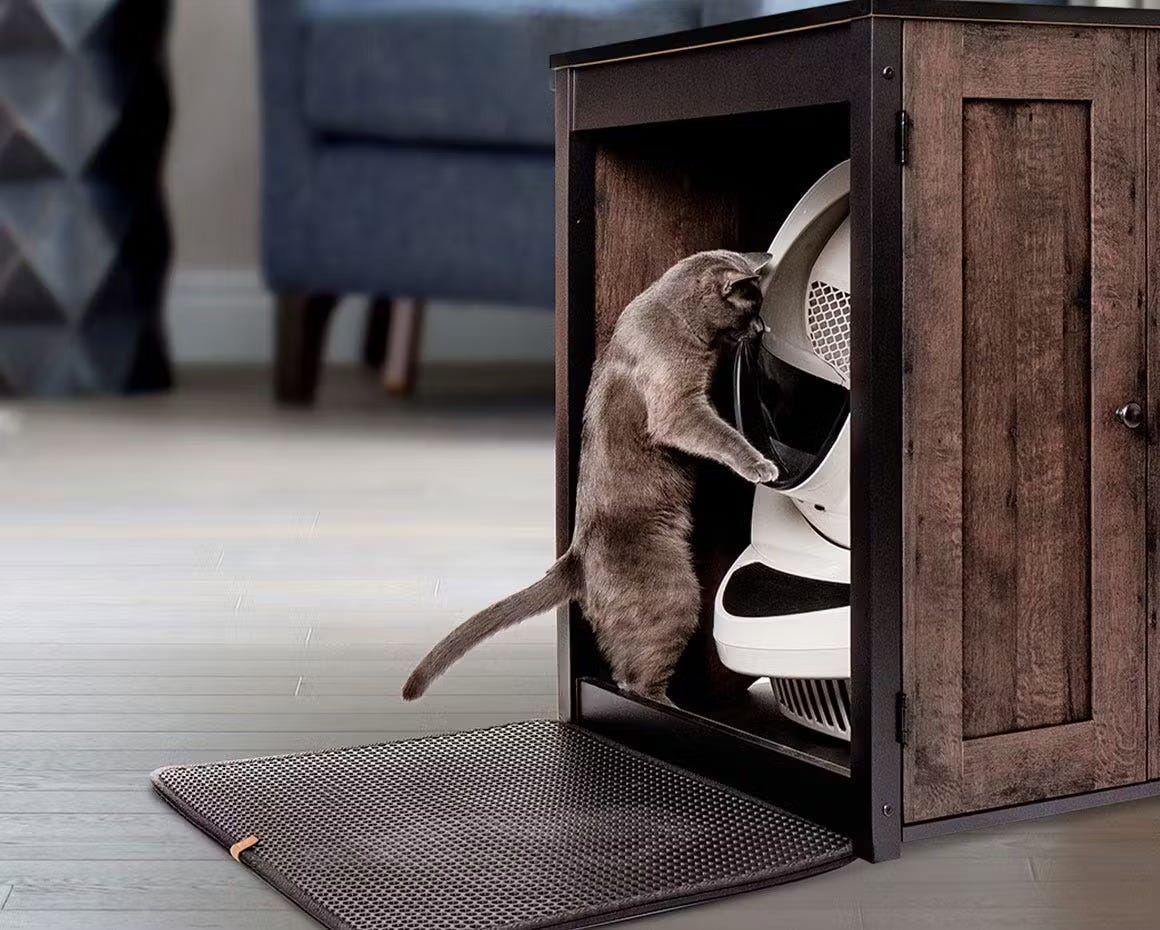
Litter Box Cabinets
Litter box cabinets look like regular furniture. They have a hidden space inside for the litter box. These cabinets control odor and mess. Many come with ventilation and easy access for cleaning. They fit well in living rooms or hallways without drawing attention.
Benches With Hidden Litter Areas
Benches with hidden litter areas provide seating and storage. The litter box stays inside the bench, out of sight. This option works well near entryways or in mudrooms. You get extra seating plus a private spot for your cat's needs. It keeps your space neat and comfortable.
Diy Enclosures
DIY enclosures let you customize the litter box area. Use wood, fabric, or repurpose furniture pieces. Add doors or curtains for privacy. Customize size and style to match your home decor. This creative approach blends function and personal touch, perfect for tight spaces.
Maintaining Cleanliness In Tight Spaces
Keeping your cat's litter box area clean can feel challenging in a small house. Limited space means every bit of cleanliness effort counts more than ever. You want to prevent odors, mess, and scattered litter without sacrificing your living area’s comfort.
Choosing Easy-to-clean Surfaces
Selecting the right surface under and around the litter box makes cleanup faster and less frustrating. Hard surfaces like tile, vinyl, or linoleum wipe down easily and don’t trap odors. Avoid carpet or fabric nearby, as these materials soak up moisture and smell quickly.
I once placed a litter box on a hardwood floor and found cleaning up spills was a breeze compared to a ruged corner. That small change saved me time and kept the room smelling fresher longer. Could switching your litter box spot to a hard surface improve your cleaning routine?
Regular Cleaning Tips
Cleaning the litter box regularly prevents buildup and keeps your home smelling clean. Scoop waste at least once a day, and change all the litter weekly. Rinse the box with mild soap and water during litter changes to remove any residue.
Setting a reminder on your phone helped me stay consistent, even on busy days. Small daily habits make a big difference. What’s your current cleaning routine, and how might you tweak it for better results?
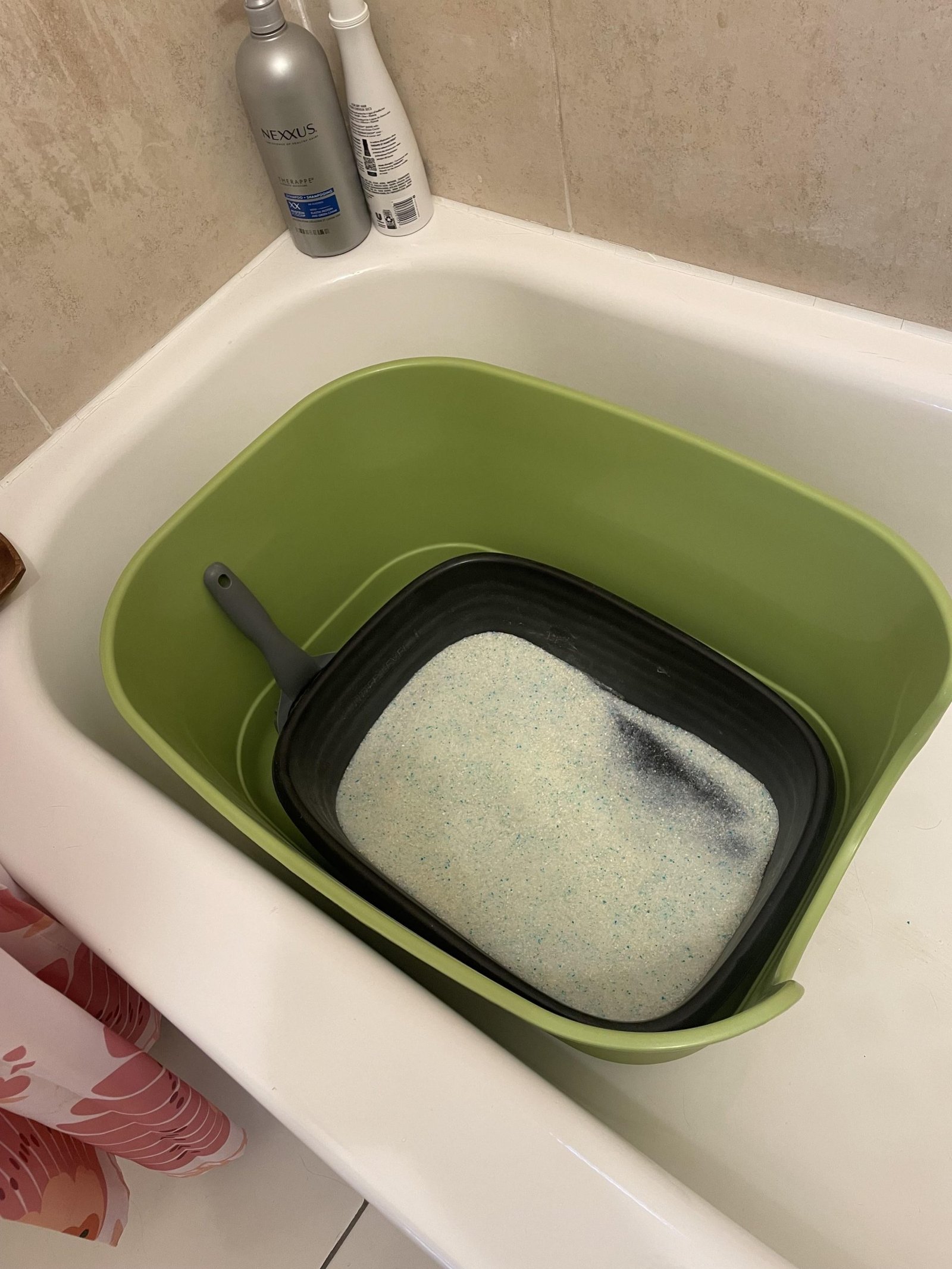
Litter Mats And Traps
Litter mats catch stray litter stuck to your cat’s paws before it spreads around your home. Look for mats with deep grooves or a textured surface designed to trap litter effectively. Place one right outside the litter box to reduce tracking.
- Choose mats that are easy to shake out or vacuum.
- Consider a small litter trap or enclosure to contain mess.
- Regularly clean the mat to prevent odor buildup.
I noticed a huge drop in litter tracking after adding a mat, making my small space feel tidier instantly. Could a simple mat be the solution to litter scatter in your home?

Credit: www.reddit.com
Considering Your Cat’s Preferences
Finding the right spot for your cat’s litter box in a small house means paying close attention to what your cat actually prefers. Cats are particular about privacy and quiet, but each one has unique habits and dislikes. Understanding these preferences can save you from constant cleaning and your cat from stress.
Observing Your Cat’s Behavior
Watch where your cat naturally goes when it needs to use the litter box. Do they prefer a quiet corner or a more open area? Notice if they avoid certain spots or seem hesitant around the current box location.
Pay attention to how your cat reacts to noise, foot traffic, and lighting near the litter box. Does your cat get startled by loud sounds or busy areas? These observations give clues about where to place the box so your cat feels safe and comfortable.
Adjusting Location If Needed
If your cat avoids the box or starts eliminating outside it, the location might be the issue. Try moving the box to a quieter or more private spot within your small space. Even a few feet difference can make a big impact on your cat’s comfort.
Keep the new spot consistent for a few days to see if your cat adjusts. Remember, sudden changes can confuse your cat, so avoid frequent moves unless absolutely necessary.
Introducing New Spots Gradually
When adding a new litter box or changing its location, introduce your cat slowly. Place the new box close to the old one before moving it gradually to the final spot. This helps your cat associate the new location with a safe place to do their business.
Use positive reinforcement like treats or gentle praise when your cat uses the new spot. This encourages them to accept the change without stress or confusion.
Credit: www.litter-robot.com
Frequently Asked Questions
Where Is The Best Spot For A Litter Box In A Small House?
The best spot is a quiet, low-traffic area with good ventilation. Avoid kitchens and dining rooms. Bathrooms or laundry rooms often work well.
How To Hide A Litter Box In A Small Space?
Use furniture with hidden compartments or place the box inside a cabinet. Decorative screens and plants can also camouflage it effectively.
Can I Put A Litter Box In My Bedroom?
Yes, but ensure it’s away from your sleeping area. Keep it clean and odor-free to maintain comfort and hygiene.
How Often Should I Clean The Litter Box In A Small House?
Scoop waste daily and change litter weekly. Regular cleaning prevents odors and keeps your small space fresh.
Conclusion
Choosing the right spot for a cat litter box keeps your small home clean. Find a quiet, low-traffic area your cat can access easily. Avoid placing it near food or noisy appliances. Good airflow helps control odors and keeps the space fresh.
Regular cleaning makes the box more inviting for your cat. Small homes need smart use of space. A well-placed litter box supports your cat’s comfort and your home’s tidiness. Simple steps bring peace for both you and your pet.