
If you love watching hummingbirds dart and dance in your garden, you know how exciting it is to attract these tiny wonders. But have you ever wondered where the best place to hang a hummingbird feeder really is?
Choosing the right spot can make all the difference in bringing more hummingbirds to your yard. You’ll discover simple tips that help you pick the perfect location for your feeder—so you can enjoy more visits from these amazing little birds every day.
Keep reading to find out how to create a hummingbird hotspot right outside your window!

Credit: www.yahoo.com
Choosing The Right Location
Choosing the right location for your hummingbird feeder makes a big difference in attracting these tiny visitors. The spot you pick can affect how often hummingbirds come by and how safe they feel while feeding. Paying attention to a few key factors will help you find the perfect place that suits both the birds and your enjoyment.
Consider Sunlight Exposure
Hummingbirds are drawn to bright areas, so placing your feeder where it gets plenty of sunlight helps. Morning sun is especially good because it warms the feeder and makes the nectar more appealing. Avoid spots that stay in deep shade all day; dull locations can make the feeder less noticeable to hummingbirds.
Think about how the sunlight moves during the day. Does the spot get direct sun in the early hours? If yes, your feeder will likely be a popular stop. I once hung a feeder in a shaded corner, and it took weeks before hummingbirds found it. Moving it to a sunlit spot changed everything within days.
Avoid Windy Spots
Strong winds can make your feeder swing and spill nectar, which frustrates both you and the birds. Try to choose a location sheltered from gusts, such as near a wall or behind shrubs. Even a gentle breeze can discourage hummingbirds from feeding if the feeder swings too much.
Notice how the wind flows around your yard or balcony. Is there a quiet nook where the air feels calmer? That’s often the best place. A stable feeder not only keeps the nectar safe but also provides a peaceful feeding experience for hummingbirds.
Find A Visible Area
Hummingbirds need to see your feeder easily to find it. Place it where it’s visible from windows or seating areas so you can enjoy watching these tiny acrobats. Visibility also helps hummingbirds spot the feeder quickly when they arrive in your area.
Have you tried hanging feeders behind thick bushes or in hard-to-see corners? Those spots rarely attract many visitors. Instead, pick a location with clear sightlines, like near flowering plants or open garden spaces, where hummingbirds are already active.
Placement Height Tips
Choosing the right height to hang your hummingbird feeder plays a big role in attracting these tiny visitors and keeping your feeder clean. The height affects both the hummingbirds’ comfort and your ease of maintenance. Let’s look at some practical tips to find the best spot for your feeder.
Optimal Hanging Height
Hummingbird feeders work best when hung between 4 to 6 feet above the ground. This height is low enough to allow birds to spot the feeder easily but high enough to keep them safe from common ground predators like cats.
Think about your local environment. In windy areas, a slightly lower height can reduce swinging, making it easier for hummingbirds to feed. If you have tall bushes or trees nearby, hanging the feeder just below their canopy provides shelter without blocking visibility.
Have you noticed how hummingbirds prefer certain heights in your garden? Try adjusting the feeder up or down by a foot or two to find their favorite spot. Observing their behavior can guide you to the perfect height.
Accessibility For Cleaning
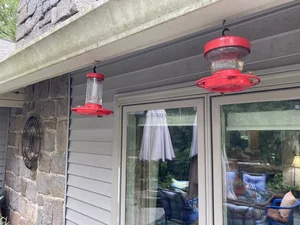
Keeping your feeder clean is crucial to prevent mold and harmful bacteria. Hang it at a height that allows you to reach it easily without using ladders or uncomfortable stretching.
A good rule is to place the feeder where you can grab it with one hand or use a small step stool safely. If you have multiple feeders, consider grouping them at similar heights to simplify cleaning routines.
Ask yourself: How often will you clean the feeder? If frequent cleaning is needed, prioritize accessibility over aesthetics. Your hummingbird guests will thank you with more visits when the feeder is fresh and safe.
Safety From Predators
Protecting your hummingbird feeder from predators is essential to keep these tiny birds safe and comfortable. Predators like cats and squirrels are naturally attracted to the feeder, putting hummingbirds at risk. Choosing the right spot and adding safety measures can make a big difference in how often you see these beautiful visitors.
Keep Away From Cats And Squirrels
Place your feeder at least 10 feet away from any places where cats can hide, such as bushes, fences, or trees. Cats are excellent hunters and can patiently wait near feeders to catch unsuspecting birds. Squirrels, on the other hand, are notorious for raiding feeders and can scare hummingbirds away.
Try hanging feeders on thin, smooth poles or wires that squirrels find hard to climb. Remember, the closer the feeder is to a safe open area, the less chance predators have to ambush. Have you noticed how squirrels jump from nearby trees to your feeder? Moving it further away from those launch points helps a lot.
Use Protective Barriers
Adding protective barriers around your feeder can block predators without disturbing the birds. You can install baffles above or below the feeder to prevent squirrels from climbing down or up. These barriers act like shields, creating a safe feeding zone for hummingbirds.
Another option is to place feeders inside cages made of bird-safe wire mesh. This keeps out larger animals but still allows hummingbirds easy access. If you have a problem with curious pets, these cages can be a simple, effective solution.

Credit: www.waysidegardens.com
Attracting Hummingbirds
Attracting hummingbirds to your feeder creates a lively and colorful garden space. These tiny birds are drawn to bright colors and sweet nectar. Choosing the right spot for your feeder helps invite more visits. Placement affects how easily hummingbirds find and enjoy your feeder.
Near Flowering Plants
Placing the feeder close to flowers helps hummingbirds spot it faster. Flowers attract hummingbirds naturally. The feeder acts as a backup food source when flowers are scarce. Position feeders near native blooms with red, orange, or pink colors. This creates a natural feeding area that hummingbirds trust.
Avoiding Competing Feeders
Keep enough distance between multiple feeders to reduce competition. Crowding feeders can scare hummingbirds away. Space feeders at least 10 feet apart. This gives each feeder its own territory. Hummingbirds prefer clear, open spaces without too many rivals nearby.
Seasonal Adjustments
Seasonal changes can greatly affect where hummingbirds prefer to visit your feeder. Adjusting the location of your feeder throughout the year helps you keep attracting these tiny visitors consistently. Paying attention to how hummingbird behavior shifts with the seasons ensures your efforts don’t go unnoticed.
Changing Feeder Location By Season
During spring, hummingbirds follow blooming flowers and warmer sunlit spots. Placing your feeder near early-blooming plants can increase visits. As summer heats up, move the feeder to a shaded area to keep the nectar cool and inviting.
In the fall, hummingbirds prepare for migration and often seek out sheltered spots. Try relocating your feeder closer to trees or bushes to provide protection from wind. Winter feeding might require placing the feeder in a sunny spot that stays frost-free, especially if you live in a colder climate.
Monitoring Hummingbird Activity
Watch how hummingbirds interact with your feeder throughout the year. Are they visiting more in the morning or afternoon? Adjust your feeder’s position based on these patterns to maximize attraction.
Keep a journal or take notes on the number of visits and feeding times. This simple tracking can reveal surprising trends, like a preference for feeders near certain plants or away from busy walkways. Have you noticed your feeder’s location affecting how often hummingbirds come by? Your observations can guide smarter seasonal adjustments.
Maintenance And Care
Keeping your hummingbird feeder clean and well-maintained is key to attracting these tiny birds consistently. The spot you choose for your feeder should not only be good for the birds but also convenient for you to care for it regularly. Let’s look at how to make maintenance a simple part of your routine.
Easy Access For Refilling
Choose a location that you can reach comfortably without needing a ladder or special tools. If your feeder is too high or tucked away, you might skip refilling it as often as needed, which can discourage hummingbirds from visiting.
Think about how often you check on your feeder. A spot near your kitchen door or patio can make refilling quick and easy. This way, you’re more likely to keep the nectar fresh and ready for your visitors.
Preventing Mold And Spoilage
Direct sunlight can heat the nectar quickly, causing it to spoil and grow mold. Position your feeder where it gets some shade during the hottest parts of the day to keep the nectar fresher for longer.
Have you noticed a strange smell or cloudy nectar? This usually means it’s time to clean the feeder. Regular cleaning—at least once a week—is crucial to protect hummingbirds from harmful bacteria and keep your feeder inviting.
Credit: www.homesweetbees.com
Frequently Asked Questions
Where Should I Place My Hummingbird Feeder?
Hang your hummingbird feeder in a quiet spot with partial shade. This helps keep the nectar fresh longer. Position it near flowers or plants that attract hummingbirds. Ensure it’s easily visible from windows for observation. Avoid areas with strong winds or too much direct sunlight.
How High Should A Hummingbird Feeder Be Hung?
Hang your feeder about 5 feet above the ground for optimal visibility and safety. This height deters most predators and allows easy refilling and cleaning. Ensure it’s within reach but away from potential dangers like cats or squirrels.
Can I Hang A Feeder Near A Window?
Yes, hanging a feeder near a window is beneficial for birdwatching. Keep it within 3 feet of the window to prevent birds from flying into the glass. Using decals or stickers on the window can further reduce collision risks.
Is It Okay To Hang A Feeder Under A Tree?
Yes, placing a feeder under a tree provides shade and shelter. However, ensure it’s not too close to branches where predators can hide. Regularly check for ants or other pests that may use the tree to reach the feeder.
Conclusion
Placing your hummingbird feeder near flowers and shade helps attract more birds. Keep it away from busy spots to make birds feel safe. Clean the feeder often to keep hummingbirds healthy. Watch and enjoy their bright colors and quick movements.
Small changes in location can bring big results. Try different spots until you find the best one. Happy bird watching!