If you’re thinking about using a shock collar to train your dog, you probably have one important question: where exactly do you put it? Placing the collar in the right spot can make all the difference between effective training and discomfort for your furry friend.
Getting this wrong might lead to frustration for both you and your dog. You’ll discover the best way to position a shock collar to keep your dog safe, comfortable, and responsive. Keep reading to learn how a simple adjustment can transform your training experience.

Credit: ezydog.co.nz
Choosing The Right Collar
Choosing the right shock collar for your dog is crucial to ensure both effectiveness and comfort. A collar that fits well and matches your dog's needs can make training smoother and safer. Let’s break down what you should consider before making a choice.
Types Of Shock Collars
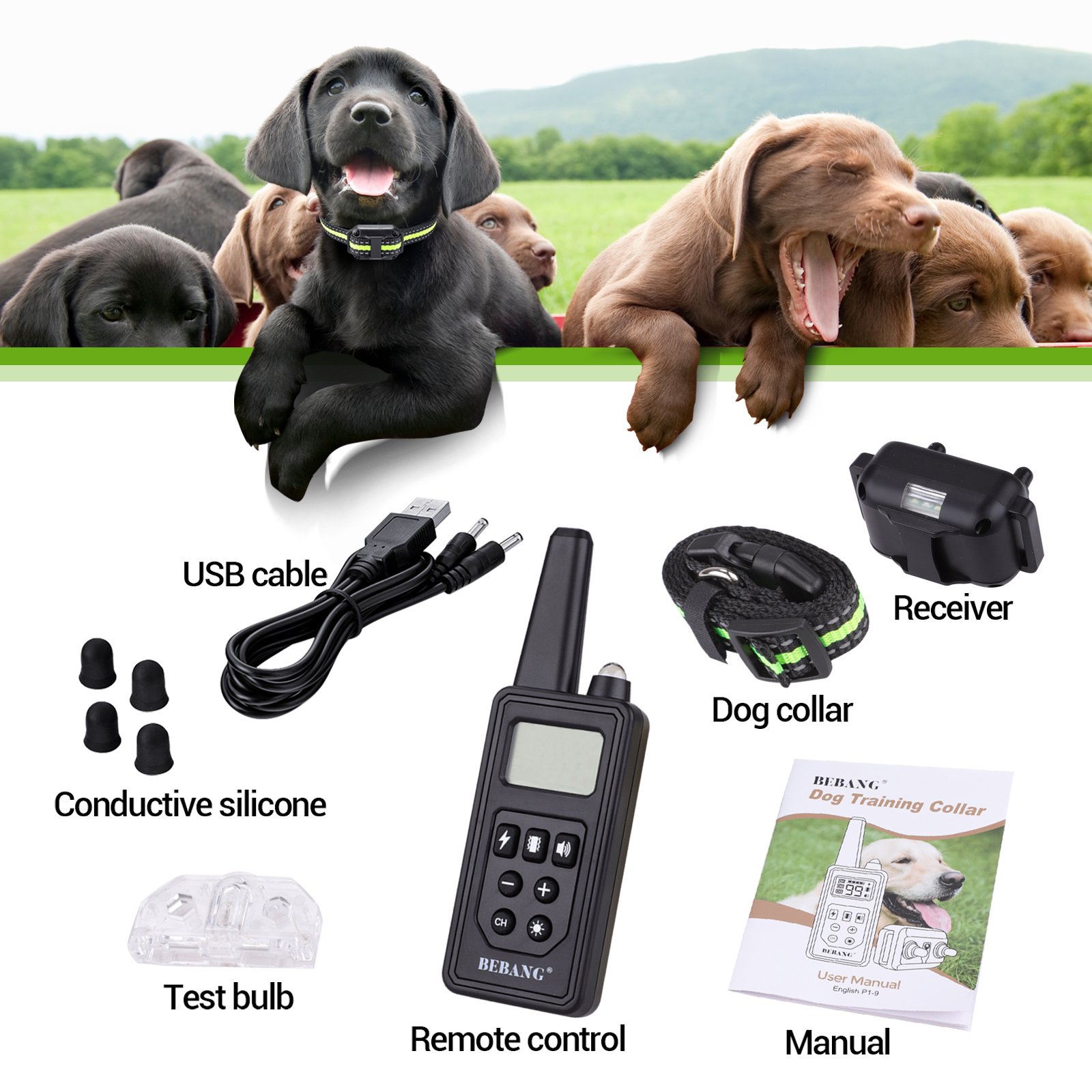
Shock collars come in various styles, each designed for different training goals and dog temperaments. Some offer adjustable static stimulation, while others include vibration or sound as alternative signals.
- Basic Static Shock Collars:Deliver mild electric pulses to get your dog's attention.
- Multi-Function Collars:Combine shock with vibration and beep sounds for less intense corrections.
- Remote Training Collars:Allow you to control stimulation from a distance, useful for outdoor training.
- Automatic Shock Collars:Trigger based on specific behaviors like barking.
Think about what your dog responds to best. Have you noticed if your dog is more sensitive to sound or touch? Choosing the right type can prevent unnecessary stress and improve training results.
Collar Size And Fit
The collar must fit snugly but comfortably around your dog’s neck. If it’s too loose, the contact points won’t touch the skin properly, making the collar ineffective.
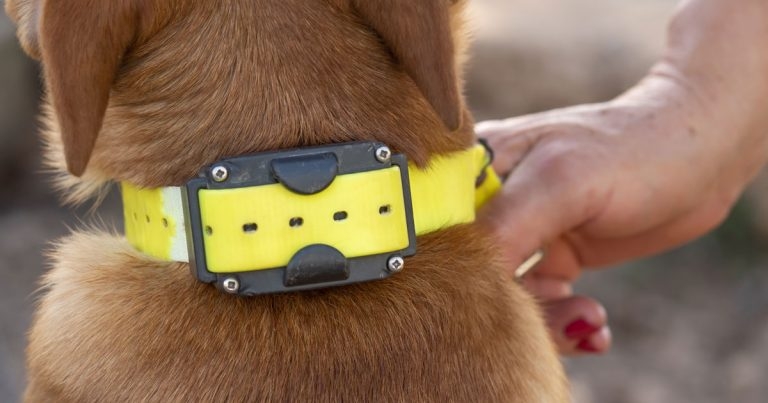
Measure your dog’s neck before buying and adjust the collar so it sits high on the neck, right below the jawline. Avoid placing it too low where it could slip off or cause discomfort.
- Check that the collar’s contact points reach the skin through the fur.
- Ensure the collar isn’t too tight to avoid irritation or injury.
- Regularly inspect the fit as your dog grows or gains/loses weight.
Have you ever seen a collar that looked uncomfortable on a dog? That’s a clear sign to adjust or find a better fit. Your dog’s comfort impacts how well they accept training tools.

Credit: www.calmshops.co.uk
Ideal Placement On The Neck
Choosing the right spot for a shock collar is key for your dog’s comfort and safety. The ideal placement on the neck ensures the collar works well without causing pain or irritation. It must sit firmly but gently against the skin. Proper placement helps the collar deliver signals clearly and prevents slipping during movement.
Positioning Behind The Ears
Place the collar just behind your dog’s ears. This area has less fur, allowing better contact with the skin. The collar should fit snugly but not too tight. You must be able to slide two fingers between the collar and neck. This spot helps the collar work effectively without causing discomfort.
Avoiding Sensitive Areas
Do not put the collar too low on the neck or near the throat. These areas are sensitive and can cause choking or pain. Avoid placing the collar where the skin folds or where fur is very thick. Check for any redness or irritation after use. Always adjust the collar to keep your dog safe and comfortable.
Adjusting The Collar Properly
Adjusting a shock collar properly is crucial for your dog’s safety and comfort. A collar that’s too tight can cause pain or injury, while one that’s too loose won’t work effectively. Let’s look at how to get the fit just right so your dog stays safe and comfortable during training.
Ensuring A Snug Fit
The collar should sit high on your dog’s neck, just below the ears. This spot allows for better contact with the skin and more precise signals.
Make sure the collar is snug but not tight. You should be able to fit two fingers between the collar and your dog’s neck comfortably.
Too loose, and the collar can slip or fail to deliver the correct stimulation. Too tight, and it can cause chafing or restrict breathing.
Checking For Comfort
After adjusting, watch your dog’s behavior carefully. If your dog scratches, rubs its neck, or seems distressed, the collar may be uncomfortable.
Try removing the collar for a short break, then check the skin under the collar for redness or irritation.
Remember, your dog’s comfort affects how well they respond to training. A well-adjusted collar should feel secure but gentle on the neck.
Credit: www.vettimes.com
Safety Precautions
Using a shock collar requires careful attention to safety. Proper precautions protect your dog from harm. The collar must fit correctly and be used responsibly. Watch for signs of stress or discomfort in your pet. Follow guidelines to keep training positive and safe.
Time Limits For Use
Do not leave the shock collar on your dog for long periods. Use the collar only during training sessions. Sessions should last no longer than 10 to 15 minutes. Give your dog breaks between sessions to rest. Prolonged use can cause skin irritation or stress.
Monitoring Dog's Reaction
Always observe your dog's behavior while using the collar. Look for signs like whining, shaking, or scratching at the collar. Stop training if your dog shows fear or pain. Adjust the collar settings to the lowest effective level. Ensure your dog remains calm and responsive during use.
Training Tips With Shock Collars
Using a shock collar for dog training requires careful attention and respect for your pet's comfort and well-being. Proper techniques can make a significant difference in how your dog responds and learns. Here are some practical tips to help you use the collar effectively and humanely.
Starting With Low Intensity
Always begin training with the shock collar set at the lowest intensity. This helps you observe your dog's reaction without causing unnecessary stress or discomfort. If your dog doesn’t respond, increase the level gradually, but avoid jumping to high settings quickly.
Pay close attention to subtle signs like ear movement or body language to gauge if the intensity is too strong. Remember, the goal is to get your dog’s attention, not to punish. Have you noticed how your dog reacts to small changes in stimuli? This can guide you in adjusting the collar properly.
Combining With Positive Reinforcement
Shock collars work best when paired with positive reinforcement techniques. Reward your dog with treats, praise, or playtime immediately after they display the desired behavior. This balance helps your dog understand what you expect without fear.
Use the collar as a cue, not a punishment. For example, if your dog stops barking on command after feeling the gentle correction, reward them right away. Have you tried celebrating small wins during training sessions? It builds trust and makes learning enjoyable for your dog.
Common Mistakes To Avoid
Using a shock collar correctly is very important for your dog's safety and comfort. Many owners make mistakes that reduce the collar's effectiveness. Avoiding these common errors helps your dog learn faster and stay safe.
Placing Collar Too Low Or High
The collar should sit high on the dog's neck, right below the ears. Placing it too low can cause discomfort and reduce contact with the skin. If the collar is too high, it might slip off or irritate sensitive areas. Adjust the collar so it fits snugly but not too tight.
Overusing The Shock Feature
Using the shock feature too often can stress your dog and make training less effective. The shock should be a last resort, not a first response. Start with gentle vibrations or sounds to get your dog's attention. Use shocks only when necessary and keep the level as low as possible.
Frequently Asked Questions
Where Exactly Should A Shock Collar Be Placed On A Dog?
Place the shock collar high on your dog’s neck, right below the ears. Ensure it fits snugly but not too tight to avoid discomfort or irritation.
Can I Put A Shock Collar On A Dog's Throat?
Avoid placing the shock collar directly on the throat. Position it on the side of the neck to prevent choking or injury during use.
How Tight Should A Shock Collar Be On A Dog?
The collar should be snug but allow two fingers to fit between the collar and the dog’s neck. This ensures comfort and proper contact with the skin.
Is It Safe To Use A Shock Collar On Small Dogs?
Yes, but use a collar designed specifically for small breeds. Adjust the settings to the lowest level to prevent harm or distress.
Conclusion
Placing a shock collar properly ensures your dog's safety and comfort. Position it high on the neck. Adjust snugly but not too tight. Check for proper fit regularly. Always start with the lowest setting. Observe your dog's reactions closely. Training should be consistent and gentle.
Remember, patience is key. Never use a shock collar as punishment. It should aid positive behavior. Consider professional guidance if unsure. Your dog's well-being should always come first. With careful use, a shock collar can be a helpful training tool.
Always prioritize kindness and understanding in training.