If you have a growing kitten at home, you might be wondering when the right time is to switch from kitten food to regular cat food. Making this change at the right moment is important for your furry friend’s health and happiness.
Too early or too late could affect their growth and energy levels. You’ll discover clear signs and simple tips to help you know exactly when to make the switch. Keep reading to make sure your cat gets the best nutrition every step of the way.
Kitten Food Basics
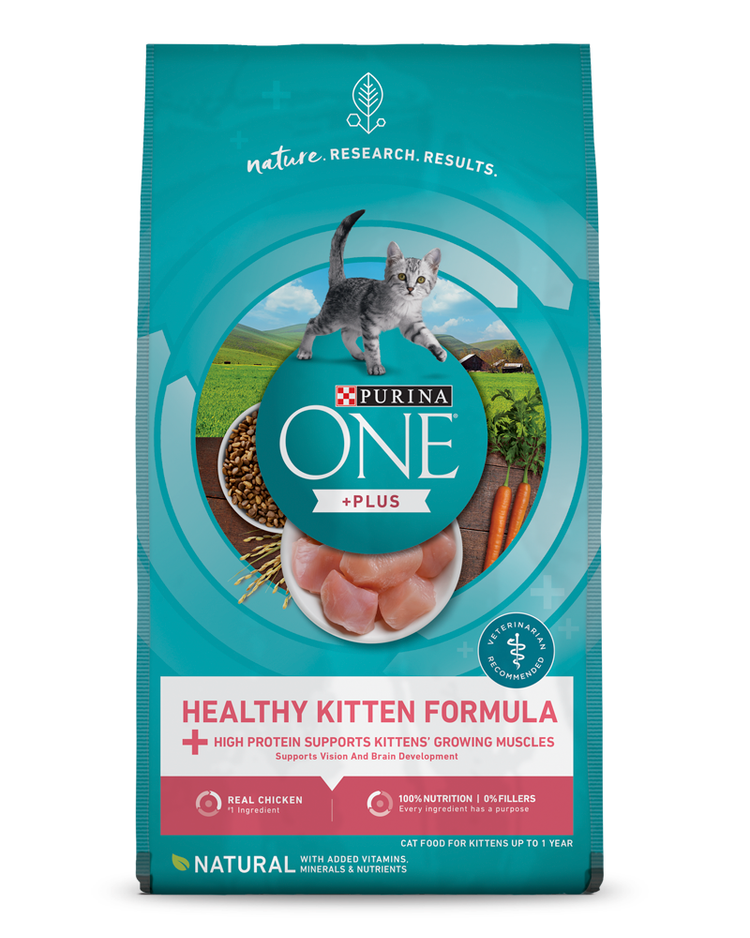
Choosing the right food for your kitten is crucial for healthy growth. Kitten food supports their rapid development with special nutrients. Understanding the basics of kitten food helps you make the best choice. It prepares your kitten’s body for a strong, active life. Knowing what makes kitten food different aids in deciding when to switch to adult cat food.
Nutritional Needs Of Kittens
Kittens need more calories than adult cats. Their bodies grow fast and need extra energy. Protein is vital for building muscles and organs. Fats provide important energy and help brain development. Vitamins and minerals support bone growth and immune health. Taurine is an essential amino acid for kittens. Water content is also important to keep them hydrated. Kitten food has the right balance of these nutrients. It meets their high energy and growth demands.
Benefits Of Kitten Food
Kitten food is specially made for young cats’ needs. It supports healthy weight gain and strong bones. The taste is often more appealing to kittens. Smaller kibble size makes it easier to chew. It contains antioxidants to boost immunity. Kitten food helps develop a healthy digestive system. Feeding kitten food reduces the risk of nutrient gaps. It ensures kittens get everything they need to thrive.
Credit: www.purina.com
Signs To Switch
Recognizing the right time to change from kitten food to cat food is essential for your pet's health. Different stages of growth and development signal when this switch should happen. Knowing these signs helps provide proper nutrition that matches your cat's needs.
Age Milestones
Kittens usually start eating solid food at about 4 weeks old. By 12 months, most cats are ready to switch to adult cat food. This change supports their slower growth rate and different nutritional needs. Some cats may need the switch slightly earlier or later, depending on their breed and health.
Weight And Growth Indicators
Steady weight gain is a good sign your kitten is growing well. When their weight growth slows down, it may be time to change food. Adult cat food has fewer calories and different nutrients to maintain healthy weight. Watch for your cat reaching about 80-90% of its adult size before switching.
Behavioral Changes
Kittens often have high energy and playful behavior. As they mature, their activity levels may decrease. If your cat seems less active or less hungry, it might be a sign to switch. Adult cat food supports calmer energy and longer digestion times. Observe your cat’s eating habits and energy to decide.
Choosing The Right Cat Food
Choosing the right cat food is essential for your cat's health and happiness. Cats need food that suits their age, lifestyle, and health needs. Switching from kitten food to adult cat food should be done carefully. Adult cats have different nutritional needs compared to kittens. The right food supports their energy, weight, and overall well-being.
Nutrient Requirements For Adult Cats
Adult cats need balanced nutrients for maintenance and good health. Protein remains a key part of their diet. It helps keep muscles strong and supports body functions.
Fat provides energy and supports skin and coat health. Adult cats require fewer calories than kittens because they are less active.
Vitamins and minerals support immune health and bone strength. Taurine is vital for heart and eye health. Fiber helps digestion and prevents hairballs.
Types Of Cat Food Options
Cat food comes in several forms. Each has pros and cons for adult cats.
- Dry Food:Convenient and helps keep teeth clean. It has a longer shelf life but less moisture.
- Wet Food:High moisture content helps with hydration. It is softer and often more palatable.
- Semi-Moist Food:Easy to eat and tasty but may contain more sugar and preservatives.
- Raw or Homemade Diets:Some owners choose these for freshness. They require careful balance to meet all nutrient needs.
Choosing the right type depends on your cat’s preferences and health needs. Mixing wet and dry food can offer a good balance.
Transitioning Tips
Switching your kitten to adult cat food is an important step that needs careful attention. How you manage this transition can affect your cat’s health and eating habits for life. Here are some practical tips to help you make this change smoothly and keep your furry friend happy and healthy.
Gradual Food Mixing
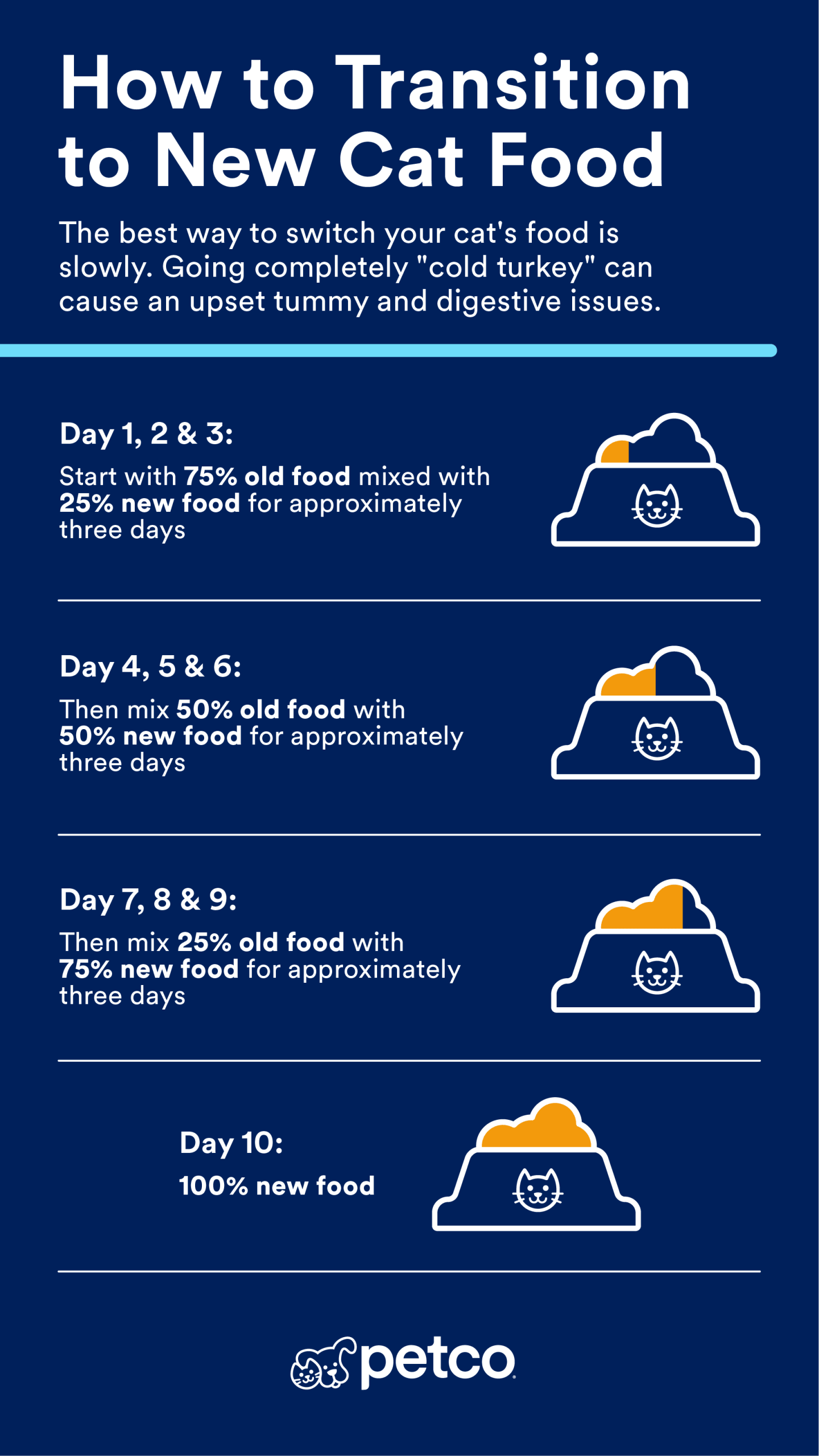
Start by mixing a small amount of adult cat food into your kitten’s current meal. Increase the adult food portion slowly over 7 to 10 days until the kitten food is completely replaced.
This gentle shift helps your cat adjust to new flavors and textures without upsetting their stomach. Have you noticed how sudden changes can make your cat refuse food? Taking it slow avoids that problem.
Monitoring Digestive Health
Watch closely for any signs of digestive upset like diarrhea, vomiting, or constipation during the transition. These symptoms can mean the new food isn’t agreeing with your cat yet.
If you spot these issues, pause the transition or consult your vet. Keeping your cat’s digestion stable is key to a successful switch.
Adjusting Feeding Schedules
Your kitten may have been eating multiple small meals a day. Adult cats often do well with fewer, more substantial meals.
Try reducing the number of feedings gradually and see how your cat responds. Does your cat seem hungry or too full? Adjust the portions and timing to fit their new needs.
Common Mistakes To Avoid
Knowing when to switch your kitten to adult cat food is essential, but many pet owners make common mistakes that can affect their cat’s health. These errors often come from misunderstanding timing or ignoring important signs your cat gives you. Avoiding these pitfalls helps ensure your cat grows strong and stays healthy.
Switching Too Early Or Late
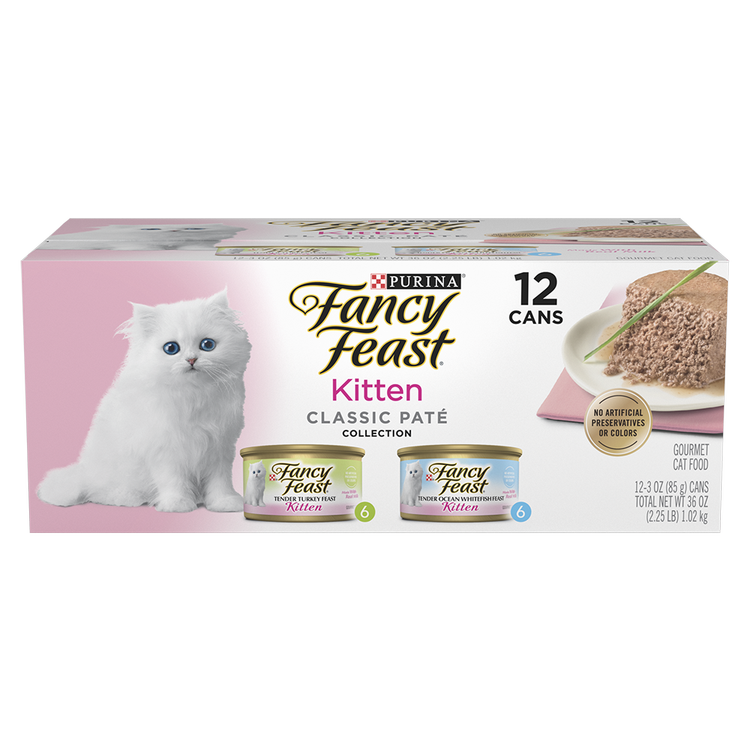
Switching your kitten to adult food too early can leave them without enough nutrients to support their rapid growth. Kitten food is specially made with higher protein and fat to meet their developmental needs.
On the other hand, waiting too long to switch can cause your cat to gain unnecessary weight or develop digestive issues. Adult cat food has a different nutrient balance suited for maintenance, not growth.
Ask yourself: Is my cat still growing rapidly, or have they reached full size? If you’re unsure, consult your vet to find the best time for the change.
Ignoring Health Signals
Your cat’s behavior and health give clues about whether their diet is right. If you notice digestive upset, dull coat, or low energy, it might mean the food isn’t meeting their needs anymore.
Ignoring these signs could delay switching or cause health problems. Pay attention to subtle changes like decreased appetite or changes in weight.
Trust your observations. If your cat seems off, don’t hesitate to adjust their diet or seek professional advice. Your cat’s wellbeing depends on recognizing these signals early.
Credit: www.purina.com
Consulting A Vet
Deciding when to switch your kitten from kitten food to adult cat food can feel tricky. Consulting a vet is a smart way to ensure you make the right choice for your furry friend’s health and growth. Vets provide tailored advice based on your kitten’s unique needs and development.
When To Seek Professional Advice
If your kitten shows signs of unusual growth patterns or health issues, it’s time to talk to a vet. Also, if you notice changes in eating habits, energy levels, or weight, don’t hesitate to ask for help.
Even if your kitten seems healthy, a vet check-up around 9 to 12 months old can clarify the best time to switch foods. They can assess if your kitten’s body is ready for adult nutrition or if continuing kitten food is better for longer.
Questions To Ask Your Veterinarian
- Is my kitten’s weight and growth on track for their age?
- How can I tell if my kitten is ready to switch to adult cat food?
- Are there specific brands or types of adult cat food you recommend?
- Should I gradually mix adult food with kitten food or switch suddenly?
- What signs should I watch for during the transition?
- Does my kitten have any special dietary needs or allergies?
These questions help you understand your kitten’s individual requirements. Remember, vets can give advice that fits your pet’s lifestyle and health, so don’t be shy to ask for detailed guidance.

Credit: www.youtube.com
Frequently Asked Questions
When Should I Switch My Kitten To Adult Cat Food?
Switch your kitten to adult cat food at about one year old. This timing supports their slower growth and changing nutritional needs. Consult your vet for personalized advice based on your cat’s breed and health.
Why Is Kitten Food Different From Cat Food?
Kitten food contains higher protein, fat, and calories to support rapid growth. Adult cat food has balanced nutrients for maintenance. Feeding the right type ensures proper development and overall health.
Can I Mix Kitten And Cat Food During Transition?
Yes, gradually mix kitten and cat food over 7 to 10 days. This helps your cat adjust without digestive upset. Slowly increase adult food proportion until fully switched.
What Signs Show My Kitten Is Ready For Adult Food?
Look for slowed growth and increased independence. Also, watch for changes in appetite or energy. These signs indicate your kitten’s nutritional needs are shifting towards adult maintenance.
Conclusion
Switching to cat food from kitten food is a vital step. It supports your cat's growth and overall health. Monitor your cat's development closely. Notice any changes in behavior or appetite? Transition gradually to prevent digestive issues. Your cat will benefit from the right nutrients as an adult.
Consult your vet if unsure about the right time. A balanced diet ensures a healthy, happy cat. Always prioritize your cat's needs for long-term wellness. Make the switch when your cat reaches the appropriate age. It's a simple way to show love and care.