Are you eager to welcome hummingbirds to your Wisconsin garden? Knowing exactly when to put out your hummingbird feeders can make all the difference.
If you start too early, your feeders might sit unused or attract unwanted visitors. Wait too long, and you could miss the best chance to see these tiny, colorful birds up close. You’ll discover the perfect timing to hang your feeders, helping you enjoy more hummingbird visits and create a vibrant, lively backyard.
Keep reading to learn the simple yet crucial steps to make your garden a hummingbird hotspot!
Hummingbird Species In Wisconsin
Wisconsin hosts a fascinating variety of hummingbird species that brighten up the state with their vibrant colors and swift movements. Knowing which species visit your area helps you decide when to put out feeders and what to expect. This knowledge can enhance your hummingbird-watching experience and ensure you provide the best care for these tiny visitors.
Common Types Seen
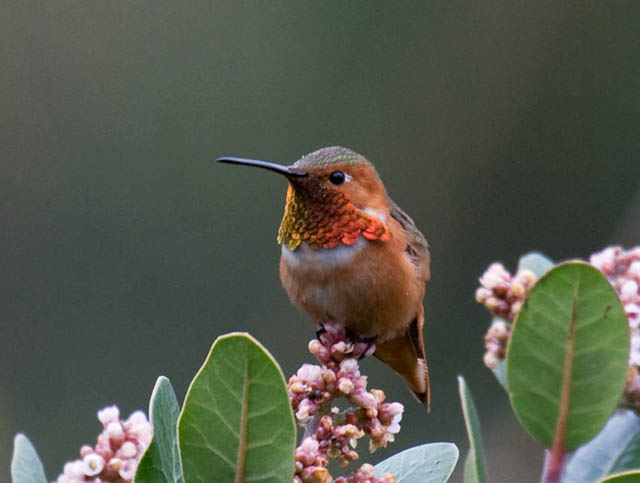
The Ruby-throated Hummingbird is the most common species you’ll spot in Wisconsin. Its shimmering red throat and quick flight make it a favorite among birdwatchers. Occasionally, you might also see the rare Black-chinned Hummingbird, though it is far less common.
Ruby-throated Hummingbirds are often the only species that breed and nest in Wisconsin. Their presence is a reliable sign that warmer weather is here. Have you noticed how their iridescent feathers catch the sunlight? It’s a small joy that can brighten any garden day.
Migration Patterns
Ruby-throated Hummingbirds typically arrive in Wisconsin from mid-April to early May. They head south again by late September or early October. These birds travel long distances, crossing the Gulf of Mexico in a single flight during migration.
Your feeders should be ready a week or two before their arrival to offer a vital energy source. Removing feeders too early in the fall can leave late migrants without food. Have you timed your feeder setup to match these migration windows? Observing this can increase your chances of attracting hummingbirds.

Credit: www.aol.com
Ideal Timing For Feeders
Knowing the ideal time to put out hummingbird feeders in Wisconsin can make all the difference in attracting these tiny visitors. If you put out feeders too early, they might go unnoticed or attract unwanted insects. Waiting too long, however, means you could miss their arrival altogether.
Arrival Dates To Watch
Hummingbirds usually start to appear in Wisconsin between late April and early May. Keep an eye on local birdwatching reports or community groups for the first sightings in your area. Some years, these dates shift slightly, so staying alert can help you time your feeder setup perfectly.
Personal experience taught me that putting out feeders around the first week of May worked best. One year, I tried mid-April, but the feeders remained untouched for days. By adjusting to May, I noticed consistent visits and less wasted nectar.
Weather Influences
Weather plays a big role in hummingbird migration. Cold snaps or late frosts can delay their arrival by a week or more. On the other hand, warmer springs might bring them earlier than usual.
Check your local weather forecast in late April and early May. If temperatures stay above 50°F consistently, it’s a good sign to set out feeders. Sudden drops below this can cause hummingbirds to hold off their journey.
Have you noticed how a warm spell can suddenly bring a surge of hummingbirds? That’s your cue to keep feeders full and fresh. Adjusting to these weather patterns will ensure your feeders are ready exactly when your hummingbird guests arrive.
Preparing Feeders
Preparing hummingbird feeders is key to attracting these tiny visitors early. Clean, well-made feeders keep birds safe and healthy. Starting with the right feeder and fresh nectar helps hummingbirds find your garden quickly.
Choosing The Right Feeder
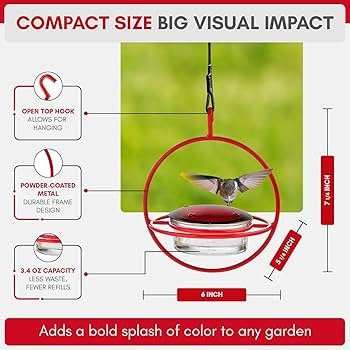
Select feeders made from durable, non-toxic materials like glass or BPA-free plastic. Look for bright red parts to catch hummingbirds’ attention. Avoid feeders with yellow parts, as they attract bees and wasps.
Choose feeders that are easy to clean. Small parts or intricate designs can trap mold and bacteria. Feeders with wide openings allow thorough washing and drying.
Making Nectar At Home
Mix four parts water with one part white granulated sugar. Stir until sugar dissolves completely. Use only plain white sugar—no honey, artificial sweeteners, or dyes.
Boil the water first, then add sugar. Let the solution cool before filling feeders. This kills bacteria and helps nectar last longer.
Replace nectar every 3 to 5 days, more often in hot weather. Clean feeders with hot water and a brush before refilling. Avoid soaps or chemicals that might harm hummingbirds.
Maintaining Feeders
Maintaining hummingbird feeders is key to keeping these tiny visitors healthy and happy. Clean feeders attract more birds and prevent harmful germs. Regular care stops mold and bacteria from growing inside the feeder. Follow simple steps to keep feeders fresh and safe all season.
Cleaning Schedule
Clean feeders every three to four days during warm weather. Hot temperatures cause nectar to spoil quickly. Use hot water and a mild soap to wash all parts. Rinse well to remove any soap residue. Let feeders dry completely before refilling with fresh nectar.
Preventing Mold And Bacteria
Mold and bacteria can harm hummingbirds and spread disease. Avoid using honey or artificial sweeteners in nectar. Use only white granulated sugar mixed with water. Change nectar frequently, especially in warm or humid weather. Store feeders in a shaded area to slow mold growth. Check feeders daily for signs of mold or cloudiness.
Signs Hummingbirds Are Nearby
Knowing when hummingbirds are near helps you decide the right time to put out feeders. These tiny birds usually return to Wisconsin in late spring. Spotting signs of their arrival means you can prepare your yard to welcome them.
Behavioral Clues
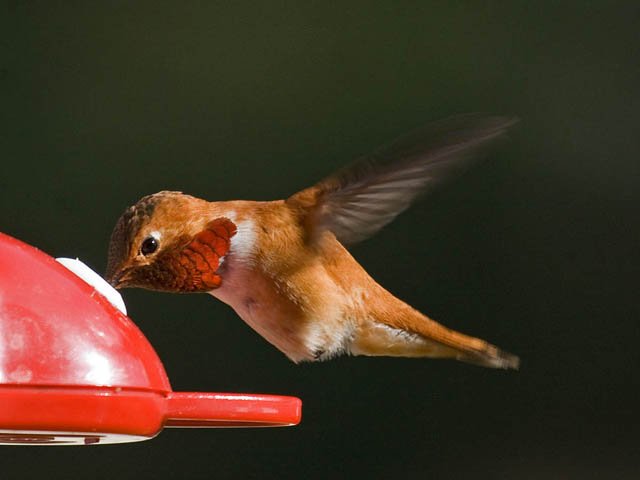
Watch for quick, darting movements in your garden. Hummingbirds hover and feed on flowers or feeders. Listen for their sharp, high-pitched chirps. Males may show off by flying in loops or chasing rivals. These actions suggest hummingbirds are close by and ready to visit feeders.
Local Sightings And Reports
Check local birdwatching groups or community forums for recent hummingbird sightings. Neighbors may share updates about hummingbird arrivals. Local nature centers sometimes post migration news online. These reports provide clues about the best time to hang feeders in your area.

Credit: www.birdwatchingdaily.com
Adjusting Feeders For Seasons
Adjusting your hummingbird feeders to match the changing seasons in Wisconsin can make a big difference in attracting and supporting these tiny travelers. Each phase of the year brings different challenges and opportunities for feeding hummingbirds. Paying attention to these seasonal shifts helps you provide the right care at the right time.
During Peak Migration
Peak migration in Wisconsin usually occurs from mid-May to early June. During this time, hummingbirds are on the move and need plenty of energy to continue their journey.
Keep your feeders clean and filled with fresh nectar at least twice a week. This prevents fermentation and mold, which can harm the birds.
Place feeders in shaded, quiet spots to reduce nectar spoilage and make the hummingbirds feel safe. You might notice more activity during early morning and late afternoon—these are the best times to watch them.
Late Season Tips
As summer fades into late August and September, hummingbird visits start to slow down. However, some late migrants and local birds still rely on feeders.
Reduce nectar amounts gradually to avoid waste but keep refilling as long as you see hummingbird activity. Cooler weather slows down nectar spoilage, so you can refill less often.
Consider moving feeders to sunnier spots to keep nectar warm and appealing. Keep watching your feeders daily—if visits stop completely for more than a week, it’s time to take them down.
Credit: www.birdwatchingdaily.com
Frequently Asked Questions
When Is The Best Time To Put Out Hummingbird Feeders In Wisconsin?
The ideal time to put out feeders is late April to early May. This matches the arrival of Ruby-throated Hummingbirds migrating through Wisconsin.
How Long Should Hummingbird Feeders Stay Out In Wisconsin?
Keep feeders out until mid-October. Hummingbirds may stay late or pass through during fall migration before heading south.
What Temperature Signals It’s Safe To Set Hummingbird Feeders?
When daytime temperatures consistently reach above 50°F, hummingbirds start arriving. This is a good indicator to hang feeders.
Should I Clean Hummingbird Feeders Regularly In Wisconsin?
Yes, clean feeders every 3-5 days in warm weather. This prevents mold and bacteria growth, keeping birds healthy.
Conclusion
Hummingbird feeders in Wisconsin should be out by mid-April. This attracts early arrivals. Keep them clean and full for best results. Change the nectar every few days. Fresh nectar keeps hummingbirds healthy. Consider weather patterns too. Warm temperatures bring more birds.
Remove feeders in early October. This ensures safe migration. Enjoy watching these tiny wonders. They bring joy and life to your garden. Be patient and observant. The right timing rewards you with delightful sightings.