Are you eager to welcome hummingbirds to your Utah garden but unsure when to put out your feeders? Timing is everything if you want to see these tiny, colorful birds flitting around your yard.
Put your feeders out too early or too late, and you might miss their brief visit altogether. You’ll discover the best time to hang your hummingbird feeders in Utah, so you can enjoy their beauty and activity at just the right moment.
Keep reading to make sure your garden becomes a hummingbird hotspot this season!
Hummingbird Species In Utah
Utah hosts a fascinating variety of hummingbird species that bring vibrant colors and lively energy to gardens and natural spaces. Knowing which species you might see helps you decide when to put out your feeders. Each species has unique habits that influence their arrival and departure times in the state.
Common Types
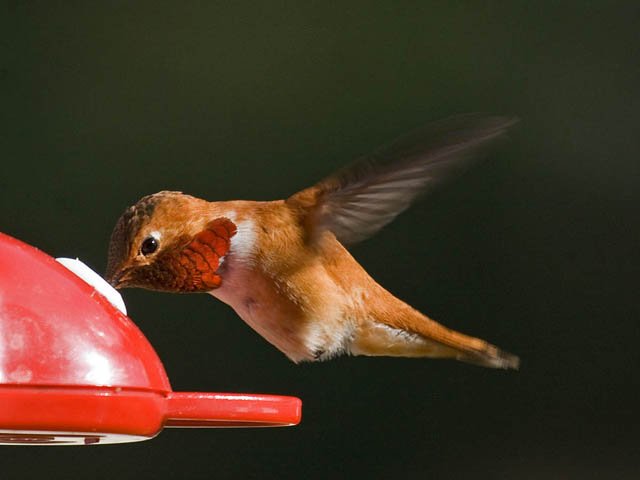
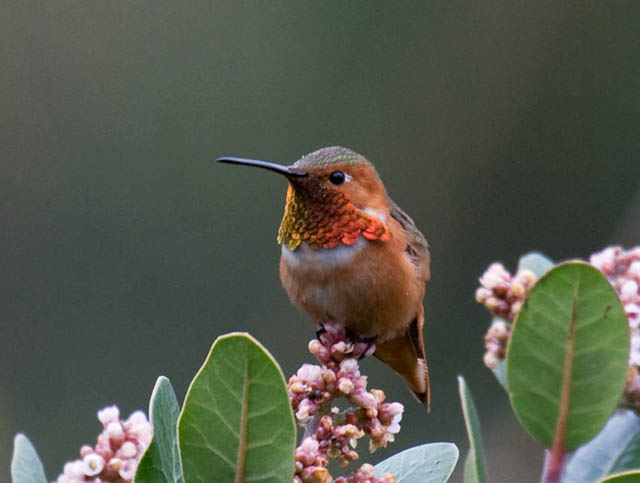
Several hummingbird species are commonly spotted across Utah. The Rufous Hummingbirdis the most frequent visitor, known for its fiery orange color and aggressive feeding style. You might also see the Black-chinned Hummingbird, which has a subtle green body with a distinct black throat.
Other species like the Calliope Hummingbirdand Broad-tailed Hummingbirdappear less often but add to the state's hummingbird diversity. Each type prefers slightly different habitats, from mountain meadows to desert canyons. Do you know which hummingbirds are common in your local area?
Migration Patterns
Understanding migration patterns is crucial for timing your feeder setup. Rufous Hummingbirds usually arrive in Utah by late March or early April. They stay through the summer before heading south around September.
Black-chinned Hummingbirds follow a similar timeline but can linger a bit longer in some areas. Calliope and Broad-tailed Hummingbirds often appear a little later in spring and leave earlier in the fall. By observing these patterns, you can ensure your feeders are ready when hummingbirds need them most.
Have you ever noticed a sudden drop in hummingbird visits and wondered why? It’s likely linked to their migration schedule. Setting up feeders too early or too late might miss the peak feeding window. Timing your feeder placement with migration schedules makes your garden a hummingbird hotspot.

Credit: www.birdwatchingdaily.com
Ideal Timing For Feeders
Timing is key to attract hummingbirds to your feeders in Utah. Placing feeders too early or too late can leave them empty or cause harm. Knowing the right time helps hummingbirds find food during their long migrations. It also supports their energy needs in new environments.
Spring Arrival
Hummingbirds usually arrive in Utah between late March and early April. Starting feeders just before this time gives birds a reliable food source. Watch for early signs like increased bird activity or mild weather. Clean feeders and fresh nectar attract more visitors. Keep feeders filled and ready through the spring months.
Fall Departure
Hummingbirds begin leaving Utah in late August through September. Continue feeding until you see fewer birds around. Some may stay later if the weather stays warm. Remove feeders by early October to avoid attracting insects. Cleaning feeders after removal prevents mold and bacteria buildup for next season.
Climate Factors Influencing Timing
Understanding the climate factors in Utah is key to knowing when to put out your hummingbird feeders. The timing depends largely on weather patterns and natural cues from the environment. Paying attention to these details can help you attract hummingbirds at just the right moment.
Temperature Trends
Hummingbirds are sensitive to temperature changes. In Utah, late March to early April often marks the time when daytime temperatures start consistently staying above 50°F. This warming signals the arrival of hummingbirds coming back from their migration.
Keep an eye on local weather forecasts. If nights are still dipping below freezing, it’s usually best to wait before setting out feeders. Sudden cold snaps can delay hummingbird arrivals, so patience can save you from leaving feeders out too early.
Flower Bloom Periods
Natural flower blooms offer an important clue about hummingbird activity. In Utah, native flowers like columbine and penstemon begin blooming in mid to late April. These blooms provide natural nectar sources that hummingbirds rely on, so feeders become a helpful supplement around this time.
If you notice flowers blooming earlier than usual, it might be a good sign to put out your feeders sooner. Conversely, late blooms could mean delaying feeder placement. Observing local garden and park blooms can give you a practical timeline to follow.
Feeder Placement Tips
Placing hummingbird feeders correctly helps attract more birds and keeps them safe. Thoughtful feeder placement creates a welcoming space for hummingbirds to visit often. Location and safety matter for the birds and your enjoyment.
Optimal Locations
- Place feeders near flowers or shrubs to mimic natural feeding spots.
- Choose a spot with some shade to protect nectar from spoiling quickly.
- Hang feeders where you can easily see and enjoy the hummingbirds.
- Keep feeders about 3 to 5 feet above the ground for easy access.
- Avoid windy areas to prevent feeders from swinging too much.
Safety Considerations
- Keep feeders away from windows to prevent bird collisions.
- Place feeders out of reach of cats and other predators.
- Clean feeders regularly to stop mold and bacteria growth.
- Use feeders with bee guards to reduce unwanted visitors.
- Check that hanging hooks are secure to avoid falling feeders.
Feeding Best Practices
Feeding hummingbirds in Utah is rewarding, but it requires careful attention to their needs. Proper feeding practices ensure the birds stay healthy and keep coming back to your garden. You might be surprised how small changes in your feeder care can make a big difference for these delicate creatures.
Sugar Water Recipe
Creating the right sugar water mix is essential for hummingbird health. Use four parts water to one part white granulated sugar—no honey, artificial sweeteners, or red dye. These can harm the birds or promote mold growth.
Boil the water first to dissolve the sugar completely and kill any bacteria. After it cools, fill your feeder and place it outside. This simple recipe mimics natural nectar closely, giving hummingbirds the energy they need.
Cleaning Schedule
How often do you clean your hummingbird feeder? Keeping it spotless prevents mold and bacteria that can be deadly. Clean your feeder at least twice a week in cooler weather, and every two to three days when it’s warm.
Use hot water and a bottle brush to scrub all parts thoroughly. Avoid soap or strong chemicals—they leave harmful residues. Rinse well, and dry before refilling. You’ll notice your hummingbirds returning more frequently when their food source is fresh and clean.

Credit: www.birdsandblooms.com
Signs To Start And Stop Feeding
Knowing the right time to put out your hummingbird feeders in Utah can make all the difference in attracting these tiny visitors. Watching for specific signs helps you decide when to start and stop feeding, ensuring you support the birds without causing dependency. Let’s look at two key indicators: bird activity levels and weather changes.
Bird Activity Levels
Have you noticed an increase in hummingbird sightings around your garden? This is often the clearest signal that it’s time to put out feeders.
Early spring is when hummingbirds begin returning from their wintering grounds. You might spot a few solitary birds scouting for nectar sources. When you see a steady rise in their numbers and more frequent visits, that’s your cue to start feeding.
Later in the season, if visits become rare or the birds seem less interested, it might be time to take feeders down. Hummingbirds naturally reduce feeding as flowers bloom abundantly or as migration time approaches.
Weather Changes
Utah’s weather can be unpredictable, but it plays a major role in hummingbird behavior. Sudden cold snaps or storms can delay migration, keeping hummingbirds around longer.
Pay attention to temperature shifts and persistent frosts. If chilly weather lingers, feeders can provide vital energy for the birds’ survival. Conversely, warm and stable conditions signal that natural nectar sources are plentiful.
When late spring or early fall brings consistent cold nights, it’s often best to keep feeders out a bit longer. However, once the weather warms steadily and hummingbird activity drops, you should remove feeders to avoid attracting pests or non-migratory species.
Credit: www.birdwatchingdaily.com
Frequently Asked Questions
When Should I Put Out Hummingbird Feeders In Utah?
Put out feeders in Utah by late April to early May. This timing matches hummingbird migration and ensures fresh nectar availability. Remove feeders by late September when hummingbirds begin migrating south.
How Do I Know Hummingbirds Arrived In Utah?
Look for hummingbirds visiting flowers or feeders in spring. They usually arrive between late April and early May. Watching for their aerial displays and rapid wingbeats helps confirm their presence.
What Nectar Recipe Is Best For Utah Hummingbird Feeders?
Use a simple nectar recipe: 1 part white sugar to 4 parts water. Boil water, dissolve sugar, cool before filling feeders. Avoid honey or artificial sweeteners to keep birds safe.
Should I Clean Hummingbird Feeders Regularly In Utah?
Yes, clean feeders every 3-5 days during Utah’s warm months. Use hot water and a mild brush to prevent mold and bacteria. Clean feeders keep hummingbirds healthy and attract more visitors.
Conclusion
Setting up hummingbird feeders in Utah is simple. Aim for early spring. This helps attract early migrators. Keep feeders clean and filled. Use fresh nectar. Regularly check for mold. Hummingbirds depend on reliable food sources. Your backyard can become a favorite spot.
By following these tips, you create a welcoming environment. Soon, you’ll enjoy watching these tiny birds. Their vibrant colors and swift movements are mesmerizing. Enjoy the beauty of nature. Happy bird watching in Utah!