Are you wondering when the right time is to switch your furry friend from kitten food to cat food? It’s a question every cat owner faces, and getting it right can make a big difference in your pet’s health and happiness.
Feeding your cat the right food at the right time helps support their growth, energy, and overall well-being. Keep reading to discover clear signs and simple tips that will help you make the best choice for your beloved cat’s diet.
Your cat deserves the best—let’s make sure you’re giving it to them at just the right moment.
Kitten Growth Stages
Understanding kitten growth stages helps determine the right time to switch from kitten to cat food. Kittens grow fast and need different nutrients at each stage. Their diet must match their growth for healthy development. Feeding the right food supports strong bones, muscles, and a healthy immune system.
Newborn To 8 Weeks
At this stage, kittens rely on their mother’s milk. It provides all essential nutrients and antibodies. If orphaned, use special kitten milk replacer. Solid food introduction begins around 4 weeks. Offer soft, wet kitten food to help transition.
8 To 12 Weeks
Kittens start eating more solid food now. Choose high-quality kitten food rich in protein and fat. Their energy needs are high for growth and play. Feed small, frequent meals throughout the day. Hydration remains important alongside solid food.
3 To 6 Months
Growth slows but remains steady during this period. Kittens develop stronger muscles and bones. Continue feeding kitten food to support these changes. Monitor weight and adjust portions as needed. Provide fresh water at all times.
6 To 12 Months
This stage bridges kittenhood to adulthood. Energy needs start to decrease slowly. Begin mixing cat food with kitten food gradually. Watch for signs of readiness to fully switch. Maintain balanced nutrition to avoid weight issues.
Credit: www.petco.com
Nutritional Needs Of Kittens
Kittens grow fast and need special food to stay healthy. Their bodies use nutrients differently than adult cats. Proper nutrition helps them build strong bones, muscles, and a good immune system. Kitten food has the right balance of energy and nutrients for growth. Feeding adult cat food too early may not support their development well. Understanding the nutritional needs of kittens is key to knowing when to switch their diet.
Calorie Requirements
Kittens burn more energy than adult cats. They need more calories to fuel their rapid growth. Their small bodies have a high metabolism. Kitten food contains extra calories to meet this demand. Feeding enough calories helps kittens stay active and gain weight properly.
Protein And Fat Levels
Protein is vital for building muscles and tissues. Kittens require higher protein levels than adult cats. Fat provides energy and supports brain development. Kitten food includes more fat to support these needs. Balanced protein and fat levels ensure healthy growth.
Essential Vitamins And Minerals
Kittens need vitamins and minerals for strong bones and a good immune system. Important nutrients include calcium, phosphorus, and vitamin D. These help develop bones and teeth. Other vitamins like A, E, and B-complex support vision and metabolism. Kitten food is enriched to provide these essential nutrients in the right amounts.
Differences Between Kitten And Cat Food
Kitten food and cat food differ in several key ways. These differences meet the unique needs of growing kittens and adult cats. Understanding these distinctions helps you choose the right food at the right time.
Kittens need more nutrients and energy to support their rapid growth. Adult cats require balanced nutrition to maintain health and activity. The formulas reflect these needs in ingredient makeup, calories, and texture.
Ingredient Composition
Kitten food contains higher protein levels to support muscle growth. It also has more fat for energy and brain development. Vitamins and minerals like calcium and phosphorus are added in extra amounts. Cat food has balanced protein and fat to maintain body weight. It includes nutrients to support long-term health and prevent diseases.
Caloric Density
Kitten food is richer in calories to fuel fast growth and play. It helps kittens build strength and stay active. Cat food has fewer calories to avoid weight gain. Adult cats have slower metabolisms and need less energy each day. Feeding the right calories helps keep your cat healthy.
Texture And Size
Kitten food pieces are smaller and softer for tiny teeth and jaws. This texture makes eating easier and safer for kittens. Adult cat food has larger, firmer pieces that help clean teeth. The size suits stronger jaws and adult chewing habits. Texture changes also encourage proper eating behavior as cats grow.
Signs It's Time To Switch
Knowing when to switch your kitten to cat food is crucial for their health and development. The transition isn't just about age; it’s about recognizing clear signs in your pet’s growth, behavior, and health. Paying attention to these signals helps you provide the right nutrition at the right time, avoiding potential issues like digestive upset or nutritional gaps.
Physical Growth Indicators
Your kitten's body is changing fast. Look for signs like reaching their adult size or weight, which usually happens around 9 to 12 months. Their baby teeth will also fall out, replaced by adult teeth, signaling that their dietary needs are evolving.
If your kitten seems less active or starts eating less of their current food, it might mean their metabolism is slowing down as they mature. Their energy needs shift, and cat food is formulated to meet these new demands better.
Behavioral Changes
Have you noticed your kitten showing less playful energy or changing their eating habits? These behavioral shifts can hint that their kitten food is no longer the best fit. Adult cats often prefer different textures and flavors, so a switch might make mealtime more enjoyable for them.
Also, watch how your kitten handles mealtime. If they finish their food quickly or seem hungry soon after eating, they might need a food with different nutrient levels. Switching to cat food can help stabilize their appetite and support steady energy.
Veterinary Recommendations
Your vet is your best guide in this transition. They can assess your kitten’s growth, health, and nutritional needs during regular check-ups. Don’t hesitate to ask when and how to switch—it’s a common question they’re ready to answer.
Sometimes, underlying health issues can affect your kitten’s dietary needs. A vet’s advice ensures you choose food that supports any special conditions and promotes lifelong wellness.
How To Transition Foods
Changing your kitten’s food to adult cat food needs care and patience. Sudden changes can upset their tummy. A smooth switch helps them enjoy new food and stay healthy. Follow these tips to make the transition easy and safe.
Gradual Mixing Method
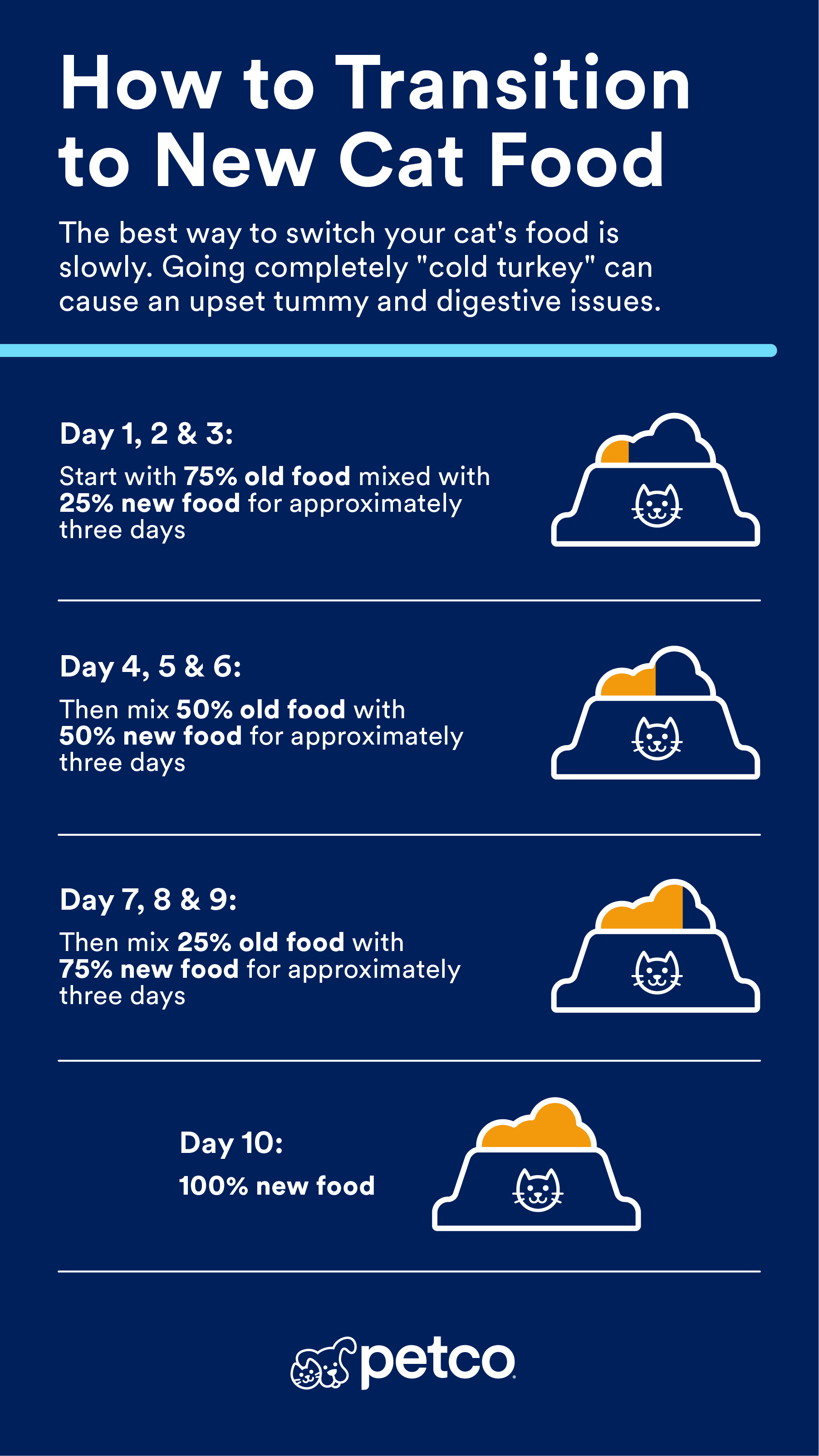
Start by mixing a small amount of cat food with kitten food. Use about 25% new food and 75% old food. Do this for three days. Then, increase the new food to 50%. After three more days, move to 75% new food. Finally, serve only adult cat food. This slow change helps your cat adjust to taste and texture.
Monitoring Digestive Health
Watch for signs like diarrhea, vomiting, or constipation. These might mean the food change is too fast. Also, check if your cat is eating well and staying active. If problems appear, slow down the transition. Keep fresh water available to help digestion.
Adjusting Portion Sizes
Kittens need more calories than adult cats. When switching, reduce portion sizes gradually. Follow feeding guidelines on the food package. Observe your cat’s weight and energy. If your cat gains or loses too much weight, adjust the amount. Feeding the right portions keeps your cat fit and happy.
Common Mistakes To Avoid
Switching your kitten to cat food needs care. Avoid common mistakes to keep your cat healthy and happy. These errors can cause digestion problems or nutrient gaps. Knowing what to avoid helps your cat grow strong.
Switching Too Early
Kittens need special food for growth. Changing to adult food too soon can cause nutrient shortage. Their bodies require extra protein and fat. Wait until your kitten is about 12 months old. This timing supports proper development and energy.
Abrupt Food Changes
Sudden food changes upset your cat’s stomach. It can cause vomiting or diarrhea. Mix new food with old gradually over 7-10 days. Slowly increase the new food amount. This helps your cat’s digestion adjust smoothly.
Ignoring Nutritional Balance
Adult cat food differs from kitten food in nutrients. Make sure new food meets your cat’s needs. Check labels for protein, vitamins, and minerals. Balanced nutrition keeps your cat’s coat shiny and bones strong. Avoid low-quality food that lacks essential nutrients.
Special Considerations
Switching from kitten to cat food requires more than just age. Some cats need special care during this change. Factors like breed, health, and lifestyle impact their diet needs. Paying attention to these details ensures your cat stays healthy and happy.
Breed-specific Needs
Different breeds grow at different rates. Large breeds may need kitten food longer for proper growth. Small breeds might switch sooner. Some breeds have unique nutritional needs. For example, Siamese cats may need more protein. Research your cat’s breed to give the best food.
Health Conditions
Cats with health problems need special diets. Kidney or digestive issues affect food choice. A vet can recommend the right time to switch. Some cats need prescription diets even as kittens. Always check with a vet before changing food if your cat has health concerns.
Indoor Vs Outdoor Cats
Indoor cats often need fewer calories than outdoor cats. Outdoor cats burn more energy and may need richer food longer. Indoor cats may gain weight if given too many calories. Adjust food based on your cat’s activity level. This helps keep their weight and health balanced.
Credit: www.purina.com
Maintaining Adult Cat Health
Maintaining adult cat health is essential for a long and happy life. After switching from kitten to cat food, your cat's needs change. Adult cats require balanced nutrition to support their activity and body functions. Proper care helps prevent diseases and keeps them energetic.
Balanced Diet Tips
Choose cat food with the right mix of protein, fats, and vitamins. Protein supports muscle health and energy. Fats provide essential fatty acids and energy. Vitamins and minerals keep the immune system strong. Avoid foods with too many fillers or artificial additives.
Feed your cat according to its age, weight, and activity level. Fresh water should always be available. Small, frequent meals can help digestion and prevent overeating.
Regular Vet Checkups
Visit the vet at least once a year for a health checkup. The vet can detect early signs of illness. Vaccinations and parasite control protect your cat from common diseases. Discuss your cat’s diet and weight during visits to adjust as needed.
Weight Management
Keep your cat’s weight in a healthy range to avoid problems. Overweight cats risk diabetes, joint pain, and heart issues. Underweight cats may lack nutrients and energy. Monitor your cat’s body condition and adjust food portions if needed.
Encourage play and exercise to keep your cat active. Use toys, climbing trees, or simple games to boost movement.
Credit: www.purina.com
Frequently Asked Questions
When Is The Right Age To Switch Kitten Food?
Switch from kitten to cat food at about 12 months. This timing supports your cat’s growth and nutritional needs as it matures.
Can I Feed Adult Cat Food To A Kitten?
No, adult cat food lacks essential nutrients kittens need. Kittens require higher protein and calorie content for proper development.
How To Transition From Kitten To Cat Food?
Gradually mix cat food with kitten food over 7–10 days. This helps avoid digestive upset and allows your cat to adjust smoothly.
Why Is Switching To Cat Food Important?
Adult cat food supports maintenance, not growth. Switching ensures balanced nutrition, preventing obesity and health issues related to improper diet.
Conclusion
Switching from kitten to cat food is crucial for their health. Understand your cat's growth and needs. Transition slowly to prevent digestive issues. Observe your cat's behavior and energy levels. This change ensures they get the right nutrients. Consult a vet if unsure about the timing.
They can guide you best. A gradual switch will help avoid stress. Cats need proper nutrition as they grow. Choosing the right time benefits their overall well-being. Keep an eye on their weight and activity. Proper feeding means a happy, healthy cat.
Always prioritize your cat's needs.