If you’ve ever put your dog in a crate, you know how hard it can be when they won’t stop barking. It’s frustrating, stressful, and sometimes even embarrassing.
You wonder, “When will my dog finally settle down and stop barking in the crate? ” The good news is, you’re not alone—and there are ways to help your furry friend feel calm and safe. You’ll discover why your dog barks in the crate and, most importantly, when and how that barking usually stops.
Keep reading to find simple, effective tips that can bring peace to both you and your dog.
Reasons Dogs Bark In Crates
Understanding why your dog barks in their crate is key to helping them feel calm and secure. Barking often signals a need or an emotion your pet is trying to express. Identifying the root cause allows you to address the behavior effectively and make crate time a positive experience.
Separation Anxiety
Many dogs bark in their crates because they feel anxious when left alone. This anxiety can stem from fear of being isolated or missing you. You might notice your dog pacing, whining, or trying to escape, which shows their distress.
Have you ever wondered if your dog’s barking is a call for comfort? Offering familiar scents or toys in the crate can sometimes soothe this anxiety.
Boredom And Lack Of Exercise
Dogs that don’t get enough physical or mental activity tend to bark out of boredom. A crate can feel like a lonely, unstimulating space if your dog’s energy isn’t spent during the day. This often leads to restless barking as they seek attention or something to do.
Think about your dog’s daily routine—are they getting enough walks or playtime? Increasing exercise before crate time can reduce this barking significantly.
Discomfort Or Need To Eliminate
Your dog might bark simply because they need to go outside or are uncomfortable. Crates should be cozy but not cramped, and dogs usually don’t want to soil their sleeping area. If barking happens shortly after being crated, it might mean a bathroom break is overdue.
Check if the crate size is appropriate and your dog’s bathroom schedule is consistent. Addressing these basics often quiets the barking quickly.
Fear And Stress
Strange noises, unfamiliar environments, or sudden changes can make your dog fearful inside their crate. Barking in these situations is a natural response to stress. You might notice your dog’s ears pinned back or tail tucked, signaling discomfort.
Have you tried creating a calming crate environment? Using a cover or playing soft music can help reduce fear-based barking.
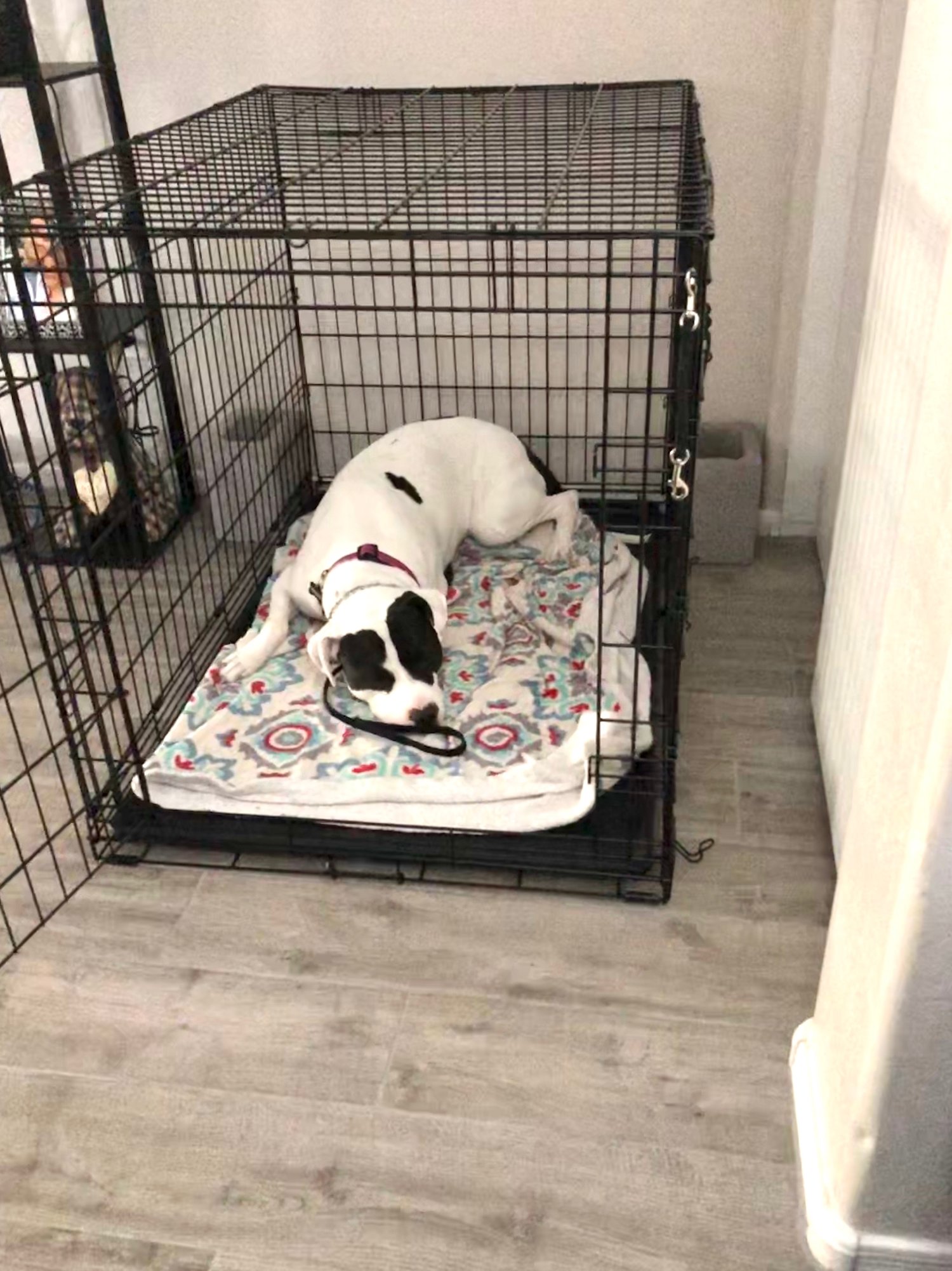
Credit: www.sadiesrulesk9training.com
Signs Your Dog Is Ready To Stop Barking
Recognizing when your dog is ready to stop barking in the crate can save you a lot of frustration and help maintain peace in your home. Dogs communicate through barking, but when the behavior fades, it signals they're more comfortable and confident in their crate. Noticing these signs early can guide you to adjust your training and support your dog’s progress.
Calm Behavior In The Crate
One clear sign your dog is ready to stop barking is when they display calm behavior inside the crate. Instead of pacing or whining, your dog might lie down quietly or rest with relaxed muscles. You might catch them even falling asleep, which shows they feel safe and secure.
Have you noticed your dog settling down quickly when you close the crate door? That calmness is a strong hint they’re starting to accept the crate as their personal space.
Reduced Vocalization Over Time
Pay attention to the frequency and intensity of your dog's barking. If the loud and constant barking decreases day by day, it means your dog is learning to tolerate being alone. The occasional bark for attention might still happen, but it becomes less persistent.
Try recording your dog's behavior for a few days. Are you hearing fewer barks? That’s a practical way to track progress and understand when your dog is calming down.
Positive Association With The Crate
Your dog starts linking the crate with good things when they willingly enter without hesitation. This shift often comes with tail wags or playful behavior around the crate. You might even catch your dog bringing toys or treats inside, signaling comfort and trust.
Ask yourself: Does your dog look forward to crate time, or is it still a struggle? A positive association means your dog is ready to stop barking because they no longer see the crate as a place of confinement but as a cozy retreat.
Effective Crate Training Techniques
Effective crate training helps your dog feel safe and calm inside the crate. It reduces barking by making the space a positive place. Patience and consistency are key during training. Use gentle steps to help your dog adjust without stress.
This section covers simple ways to teach your dog to enjoy the crate. These tips improve comfort and trust, which lowers barking and anxiety.
Gradual Introduction To The Crate
Start by placing the crate in a quiet room. Leave the door open so your dog can explore freely. Put soft bedding and a favorite toy inside. Let your dog enter and exit at will. Avoid forcing your dog inside. Spend short times near the crate to build comfort.
Using Treats And Positive Reinforcement
Offer treats near and inside the crate to create good feelings. Praise your dog calmly when it enters the crate. Use a happy tone to encourage crate time. Reward your dog for quiet behavior while inside. This helps connect the crate with positive rewards.
Establishing A Consistent Routine
Set regular times for crate use daily. Feed your dog near or inside the crate to build habit. Use the crate before naps and bedtime. Consistency helps your dog expect crate time calmly. A set routine lowers stress and barking.
Shortening Crate Time Gradually
Begin with short crate sessions, just a few minutes. Slowly increase crate time as your dog grows more comfortable. Watch for signs of stress or barking. Stop and try again later if needed. Gradual increase builds trust and reduces barking.

Credit: www.dogsavvylosangeles.com
Managing Barking During Crate Time
Managing your dog’s barking during crate time can feel challenging, but understanding why they bark and how to respond makes a big difference. Barking often signals discomfort, boredom, or a desire for attention. By addressing these causes thoughtfully, you can help your dog feel calm and secure inside their crate.
Ignoring Attention-seeking Barking
When your dog barks just to get your attention, responding can unintentionally encourage more noise. Try waiting until your dog is quiet before you approach or open the crate. This teaches them that calm behavior earns rewards, not barking.
It can be tough to ignore persistent barking, especially when you worry your dog might be upset. But staying consistent helps your dog learn that barking doesn’t lead to immediate attention. Have you noticed how your dog reacts when you stay calm during their noisy moments?
Providing Mental And Physical Stimulation
A restless dog is a noisy dog. Before crate time, give your dog enough exercise to burn off excess energy. A tired dog is more likely to settle down quietly.
Mental stimulation also plays a big role. Puzzle toys, chew items, or simple training sessions can keep your dog’s mind busy and reduce barking caused by boredom. What activities does your dog enjoy that you can add before crating?
Creating A Comfortable Crate Environment
Dogs bark when they feel uncomfortable or unsafe. Make the crate a welcoming space by adding soft bedding and familiar scents. Covering the crate partially can help reduce visual distractions that trigger barking.
Keep the crate in a quiet area of your home where your dog feels secure but not isolated. Small touches, like a favorite blanket or a calming pheromone spray, can make a big difference in how your dog experiences crate time.
When To Seek Professional Help
Knowing when to seek professional help for your dog’s barking in the crate is crucial. Sometimes, despite your best efforts, the barking doesn’t stop. Understanding the signs that indicate a deeper issue can save your dog from stress and improve your peace of mind.
Persistent Barking Despite Training
If your dog continues to bark loudly even after consistent training, it’s a clear sign to reconsider your approach. Have you tried different techniques like gradual crate introduction or positive reinforcement without success? Persistent barking may mean the problem is beyond simple training and requires expert intervention.
Signs Of Severe Anxiety
Watch closely for signs like trembling, excessive drooling, or destructive behavior inside or outside the crate. These behaviors often point to severe anxiety rather than mere disobedience. Your dog’s distress signals are a call for help, not just a nuisance to ignore.
Consulting A Veterinarian Or Trainer
When barking turns into a persistent, anxious reaction, consulting a professional can make all the difference. A veterinarian can check for underlying medical issues, while a certified trainer or behaviorist can tailor a plan specific to your dog’s needs. Don’t hesitate to reach out—your dog’s comfort and your sanity are worth it.

Credit: www.dogsavvylosangeles.com
Frequently Asked Questions
When Does A Dog Usually Stop Barking In A Crate?
Dogs often stop barking in a crate after 1 to 2 weeks of consistent training. Patience and positive reinforcement help them feel secure and calm.
How Long Should A Dog Stay In A Crate Without Barking?
A dog should stay in a crate for 1 to 3 hours initially. This limits stress and encourages quiet behavior in short intervals.
Why Does My Dog Bark Nonstop In The Crate?
Nonstop barking often indicates anxiety, boredom, or a need for bathroom breaks. Addressing these causes reduces barking effectively.
Can Crate Training Reduce Excessive Barking?
Yes, crate training provides structure and security. This helps most dogs feel relaxed and bark less when inside the crate.
Conclusion
A calm dog in a crate is possible with patience. Consistency is key. Ensure your dog feels safe and comfortable. Gradual training helps them adjust. Positive reinforcement works wonders. Reward silence with treats or affection. Sometimes, professional help might be needed.
Listen to your dog's needs and cues. Always prioritize their comfort and well-being. Remember, every dog is different. What works for one might not work for another. Be patient. In time, your dog will learn to relax in their crate.
A peaceful environment benefits both you and your furry friend.