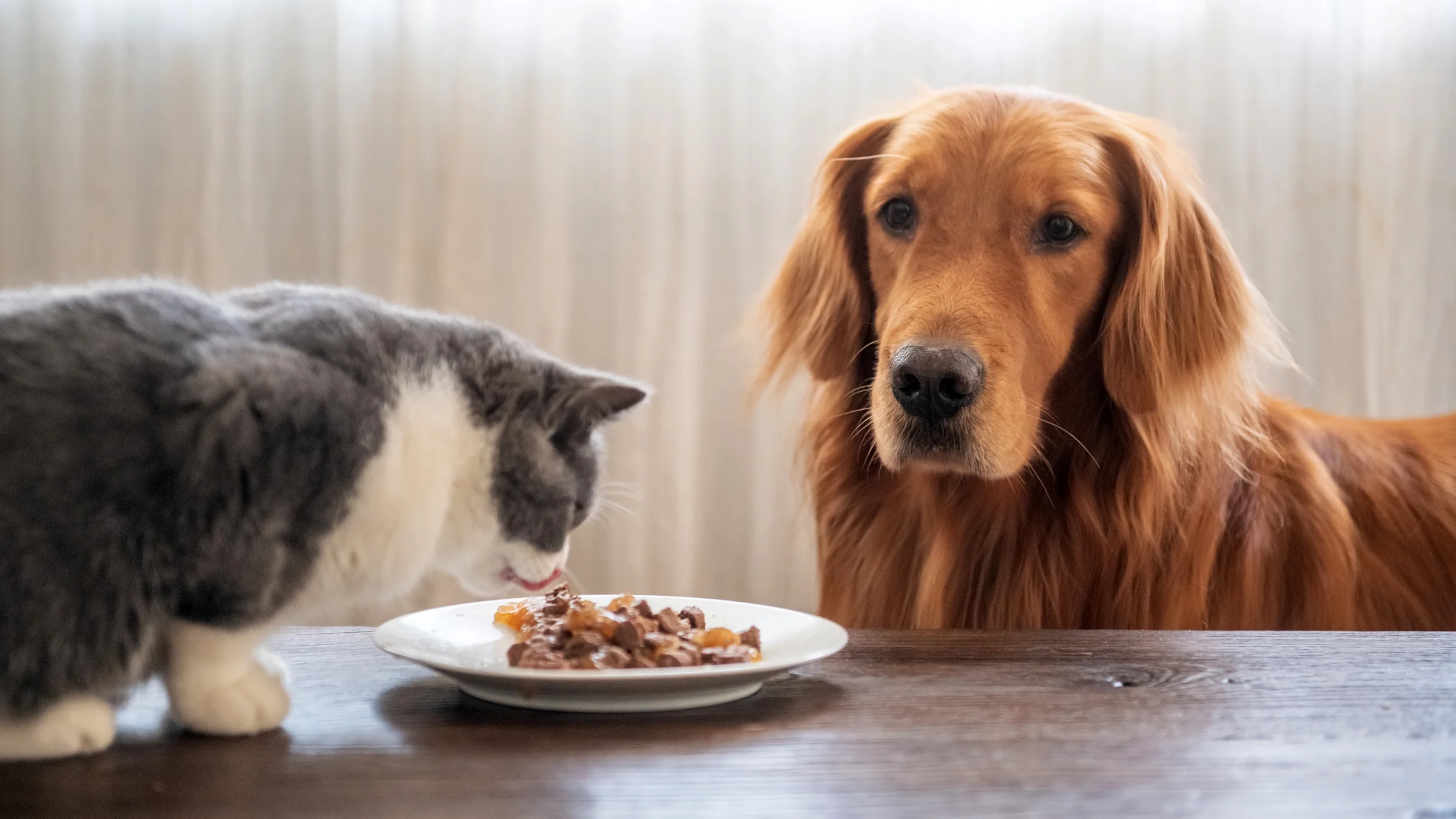
Have you ever wondered what happens if your dog sneaks a bite of cat food? It might seem harmless, but feeding your dog cat food can lead to some unexpected problems.
You care about your pet’s health, and understanding the effects of cat food on dogs is important. Keep reading to discover why cat food isn’t a safe choice for your dog and what you should do if it happens. Your furry friend’s well-being depends on the right diet, so don’t miss this crucial information!
Credit: www.houndsy.com
Nutritional Differences
Understanding the nutritional differences between cat food and dog food is crucial before offering your dog a meal meant for cats. These differences can affect your dog's health in ways you might not expect. Let’s break down the key nutritional areas where cat food and dog food diverge.
Protein And Fat Content
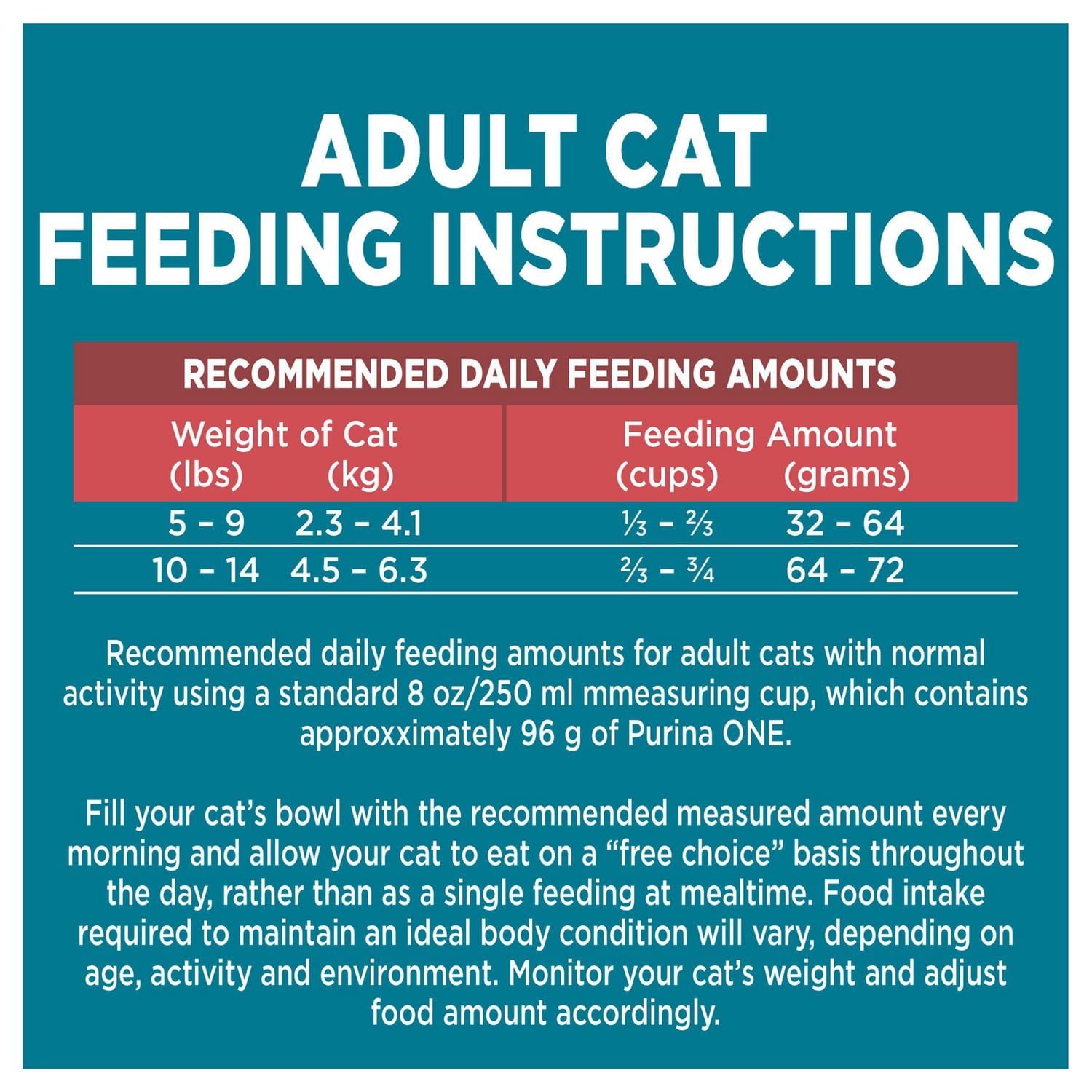
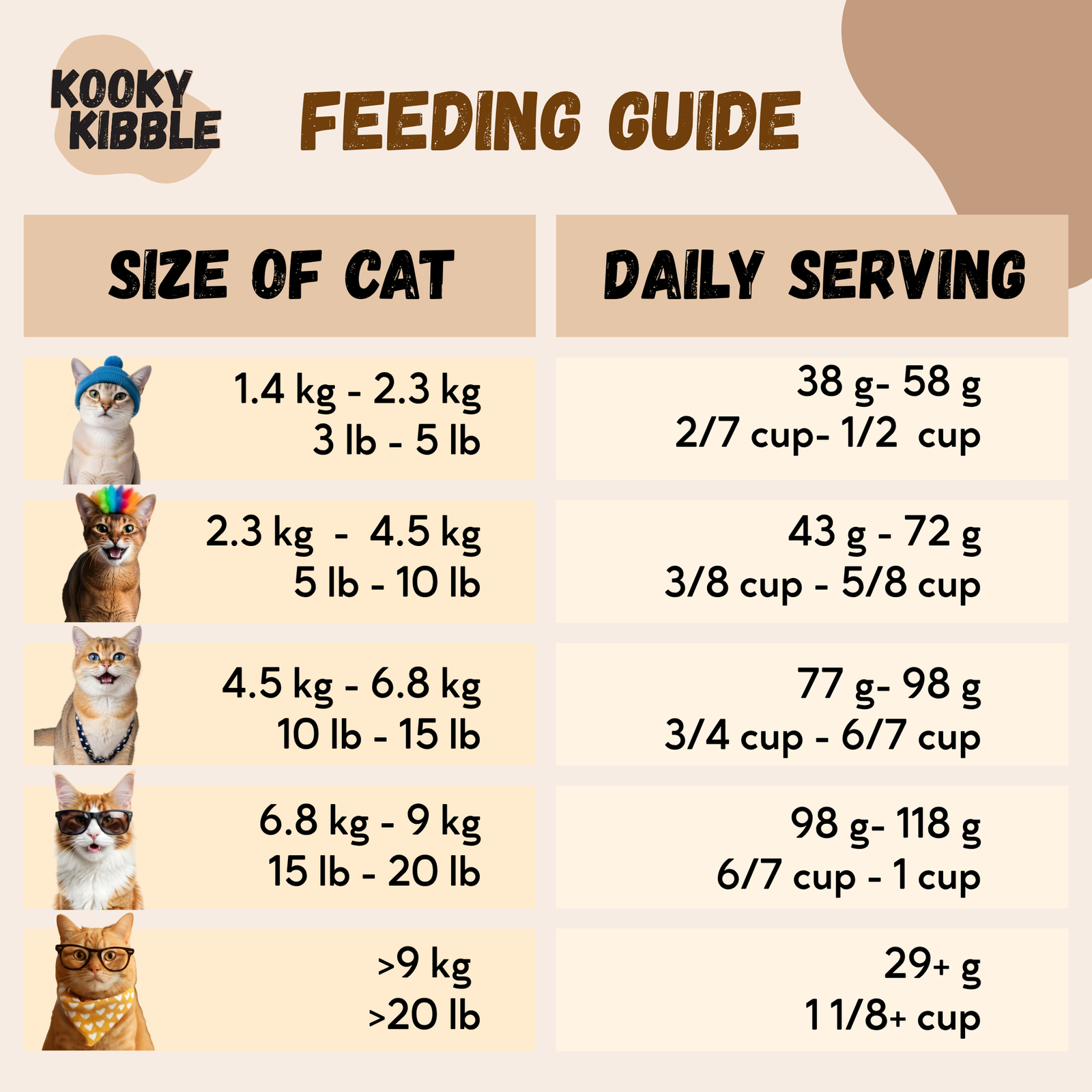
Cat food typically contains higher levels of protein and fat than dog food. Cats are obligate carnivores, meaning their diet requires more protein to meet their energy and health needs. Dogs, being more omnivorous, do not require as much protein or fat.
Feeding your dog cat food regularly can lead to an imbalance in calorie intake. Too much fat and protein might cause weight gain or digestive upset in dogs. Have you noticed your dog feeling overly energetic or even uncomfortable after eating cat food?
Essential Vitamins And Minerals
Cat food includes certain vitamins and minerals dogs need less of, like taurine, which is essential for cats but not for dogs. Dog food often has more fiber and different vitamin mixes tailored to canine metabolism.
Your dog might miss out on important nutrients if only fed cat food, or they might get an excess of others, which could cause health problems over time. What vitamins and minerals does your dog's current food provide, and how does it compare to cat food?
Ingredient Variations
Ingredients in cat food often include more animal-based proteins and fats, while dog food can contain grains, vegetables, and other plant sources. Dogs can digest a wider range of ingredients, which supports their varied nutritional needs.
Feeding your dog cat food may lead to nutrient imbalances due to these ingredient differences. Have you checked the ingredient list on your pet's food lately? It can reveal a lot about what they're really eating.
Immediate Reactions In Dogs
Dogs eating cat food can show quick reactions. Their bodies react to the different ingredients found in cat food. These immediate effects vary from mild to serious. Knowing these signs helps pet owners act fast and keep dogs safe.
Digestive Upset
Cat food has more fat and protein than dog food. Dogs may struggle to digest these rich ingredients. This can cause vomiting, diarrhea, or stomach pain. Some dogs may have gas or bloating too. These symptoms usually appear within a few hours.
Allergic Responses
Some dogs are allergic to ingredients in cat food. Symptoms include itching, redness, or swelling of the skin. Hives or rashes may also appear. Allergic reactions can cause sneezing or watery eyes. If symptoms get worse, a vet visit is needed quickly.
Behavioral Changes
Eating cat food might cause unusual behavior in dogs. They may become restless or irritable. Some dogs show signs of discomfort like whining or pacing. Loss of appetite or lethargy can also occur. These changes suggest the dog’s body is not happy.
Long-term Health Risks
Feeding your dog cat food over a long period can lead to serious health problems. Cat food is designed to meet the needs of cats, not dogs. This mismatch can cause various risks that affect your dog's overall well-being.
Nutrient Deficiencies
Cat food contains different nutrient levels that don’t match what dogs require. For example, it has more protein and fat but lacks some essential vitamins and minerals dogs need daily.
If your dog eats cat food regularly, it may miss out on vital nutrients like vitamin A and certain B vitamins. These deficiencies can weaken their immune system and cause poor skin or coat health.
Weight And Obesity Issues
Because cat food is richer and higher in calories, dogs can gain weight quickly if they eat it often. Extra calories mean extra pounds, which can stress joints and lower your dog’s energy.
Have you noticed your dog becoming sluggish or struggling with stairs? These could be early signs of weight-related problems caused by cat food.
Potential Organ Damage
Long-term consumption of cat food may harm vital organs like the liver and kidneys. These organs work harder to process the extra protein and fat, which can lead to damage over time.
Dogs with pre-existing conditions are even more at risk. Regular vet check-ups become crucial if your dog has eaten cat food for a while.
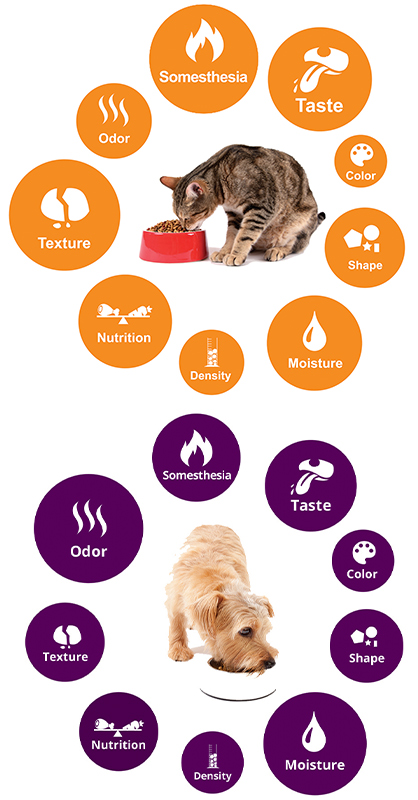
Credit: www.petfoodprocessing.net
Why Dogs Need Specific Diets
Dogs thrive on diets tailored to their unique biological needs. Feeding them cat food might seem harmless, but it can disrupt their health in subtle and serious ways. Understanding why dogs require specific diets helps you make smarter choices for your furry friend’s well-being.
Evolutionary Dietary Needs
Dogs evolved as omnivores with a diet that balances meat, vegetables, and grains. Their digestive systems are designed to process a variety of nutrients, unlike cats, who are obligate carnivores needing mostly meat. Feeding a dog cat food ignores this balance and may overload them with protein and fat they can’t handle well.
Have you noticed your dog’s energy or digestion change after eating cat food? That’s often a sign their system is struggling with the wrong nutrients.
Role Of Taurine And Other Nutrients
Taurine is an amino acid crucial for heart and eye health in cats, which is why cat food contains it in high amounts. Dogs produce taurine naturally, so they don’t need it added to their diet. Excess taurine and other nutrients, like vitamin A and fat levels found in cat food, can stress a dog’s organs over time.
Think about it like this: giving your dog cat food is like giving a human baby adult supplements—they don’t need the same things, and it might cause harm.
Impact On Immune System
Feeding dogs cat food regularly can weaken their immune system. The imbalance of nutrients creates stress in the body, making it harder for your dog to fight infections or heal from injuries. A diet not suited to dogs may also trigger allergies or digestive issues.
Would you risk your dog’s immune strength for a treat? Choosing the right food supports their natural defenses and keeps them healthier in the long run.
Safe Feeding Practices
Feeding your dog safely means understanding what foods are best and which ones to avoid. Cat food might seem like a convenient option, but it’s not designed for a dog’s nutritional needs. Knowing how to keep your dog’s diet balanced protects their health and keeps them happy.
Avoiding Cat Food
Cat food is higher in protein and fat because cats have different dietary requirements. Feeding it to your dog regularly can cause digestive upset, such as vomiting or diarrhea.
Even if your dog seems to enjoy cat food, ask yourself if a quick snack is worth potential health issues. Keep cat food out of your dog’s reach and resist sharing it during mealtime.
Choosing The Right Dog Food
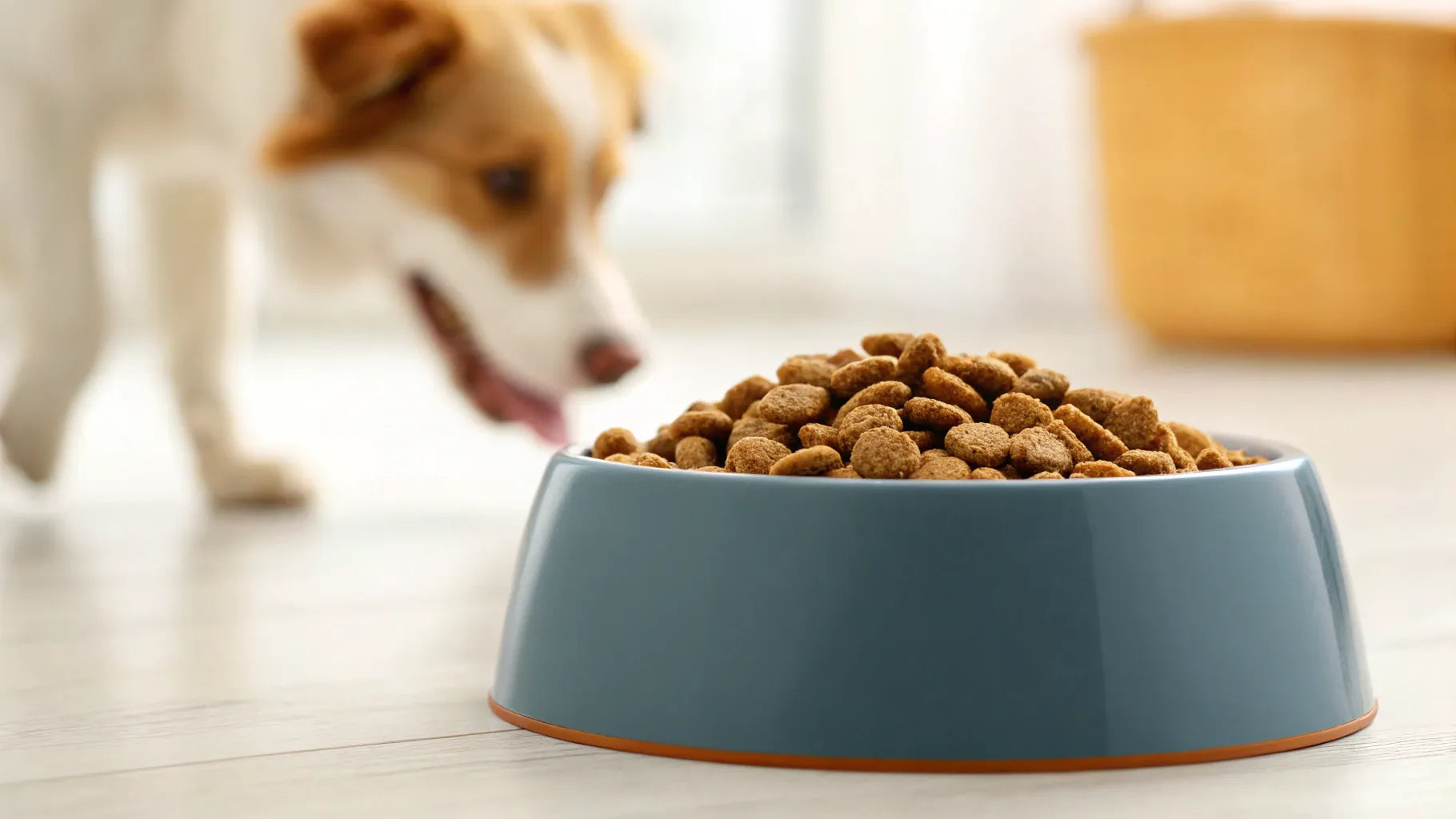
Look for dog food that lists meat as the first ingredient and meets AAFCO standards. Different dogs have different needs based on age, size, and activity level, so pick a formula that fits your dog specifically.
Don’t hesitate to try small amounts of new food and observe your dog’s reaction. Have you noticed your dog’s energy or coat improve after switching foods?
Consulting A Veterinarian
Your vet knows your dog’s health history and can recommend the best diet. If your dog has allergies, weight issues, or other health problems, professional guidance is essential.
Ask your vet about appropriate treats and snacks too. They can help you create a feeding plan that satisfies your dog’s cravings without risking their well-being.
What To Do If Your Dog Eats Cat Food
Finding your dog munching on cat food can be worrying. Cat food has different ingredients designed for cats, not dogs, which might upset your dog's stomach or cause other issues. Knowing what to do immediately can make a big difference in how your dog reacts and recovers.
Signs To Watch For
Keep a close eye on your dog after it eats cat food. Some common signs that something might be wrong include:
- Vomiting or diarrhea
- Excessive thirst or urination
- Loss of appetite or lethargy
- Signs of abdominal pain, like whining or restlessness
These symptoms can show up quickly or take a few hours. Have you noticed any unusual behavior in your dog after a similar incident?
When To Seek Medical Help
Not every case needs a vet visit, but some signs demand immediate attention. If your dog:
- Vomits repeatedly or has severe diarrhea
- Shows weakness, collapse, or difficulty breathing
- Has swollen or painful abdomen
- Is unable to keep water down
Call your vet right away. Early intervention can prevent complications, especially if the cat food contains ingredients toxic to dogs, like onions or garlic.
Home Remedies And Care
If your dog shows mild symptoms, you can help at home. Start by removing access to cat food and offer plenty of fresh water. Small amounts of bland food, like boiled chicken and rice, can soothe the stomach.
Monitor your dog closely for 24 hours. If symptoms improve, you can gradually return to their regular diet. Have you tried simple home care before with your pet? It often works well but always be ready to seek professional advice if things worsen.

Credit: www.lilyskitchen.co.uk
Frequently Asked Questions
Can Dogs Eat Cat Food Safely?
Dogs can eat cat food occasionally, but it lacks balanced nutrients for dogs. Regular feeding may cause health issues over time.
What Happens If A Dog Eats Cat Food Daily?
Daily cat food consumption can lead to obesity, digestive problems, and nutrient imbalances in dogs. It’s not recommended.
Why Is Cat Food Unhealthy For Dogs?
Cat food is high in protein and fat, which can strain a dog’s kidneys and digestive system.
How To Prevent Dogs From Eating Cat Food?
Keep cat food in a separate area and feed pets at different times to avoid cross-eating.
Conclusion
Feeding dogs cat food occasionally might not harm them. But it's not ideal. Dogs need different nutrients than cats do. Cat food is higher in protein and fat. It lacks crucial nutrients dogs need. Long-term feeding can cause health issues.
Obesity, digestive problems, and nutrient deficiencies are possible. Always choose dog-specific food for your furry friend. It keeps them healthy and happy. Consult your vet for any concerns. They can provide guidance tailored to your dog's needs. A balanced diet ensures your dog's well-being.
So, opt for the right food. Keep their tail wagging!