
Imagine booking a grooming appointment for your furry friend and being turned away because of missing vaccinations. Frustrating, right?
You care about your dog's health, and ensuring they get the right vaccines is crucial not just for grooming, but for their overall well-being. But with so many vaccines out there, it can be overwhelming to figure out exactly what your dog needs.
What if you could navigate this with ease and confidence? You'll discover the essential vaccines your dog must have before that grooming session, ensuring a safe and stress-free experience for both you and your beloved pet. Stick around to get the insights you need to keep your dog healthy and happy.
Core Vaccines For Dogs
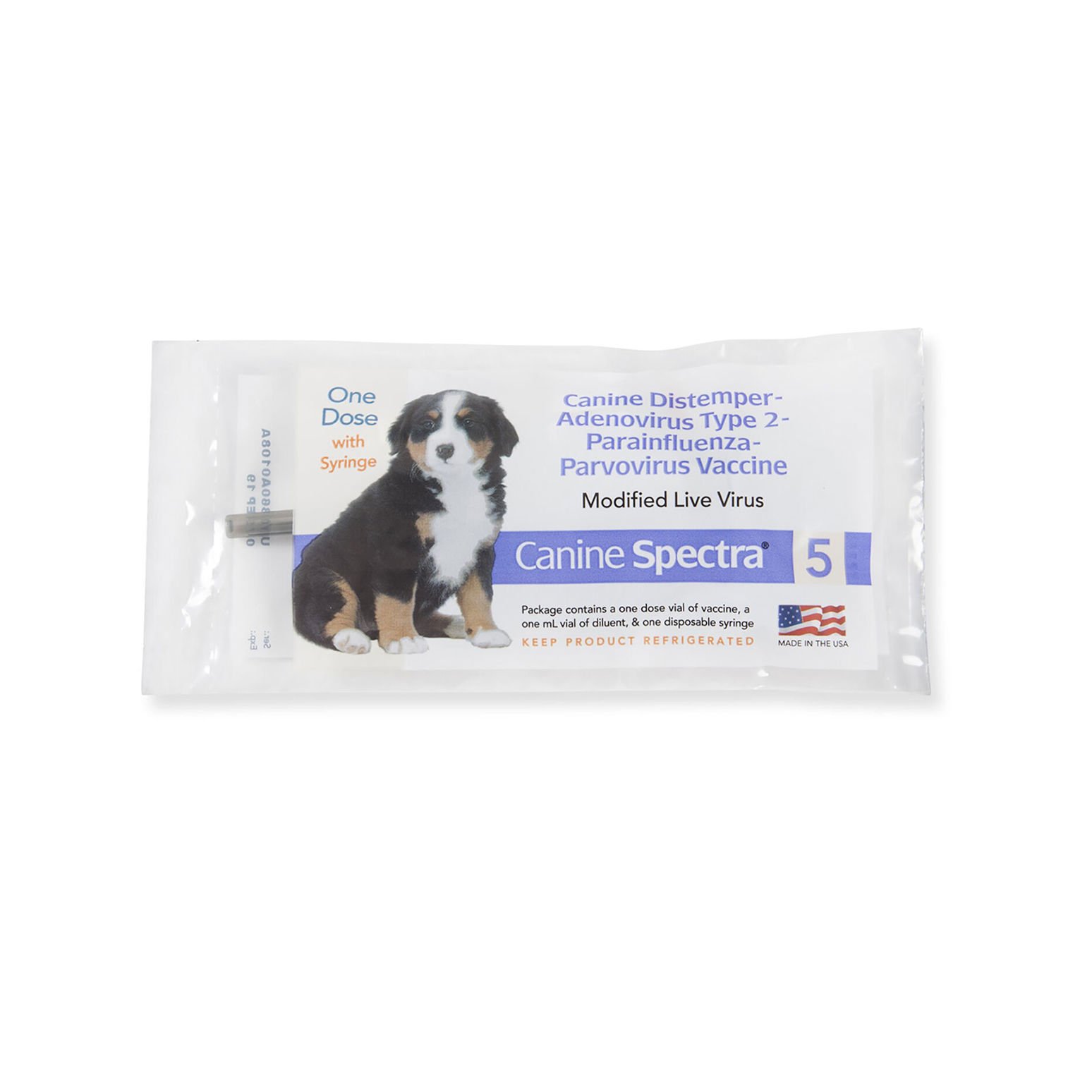
Core vaccines protect dogs from serious, common diseases. These vaccines are essential for every dog’s health. They help prevent illness and keep your dog safe during grooming visits.
Groomers require proof of these vaccines to protect all pets in their care. Without core vaccines, dogs risk catching harmful infections. Here are the main core vaccines your dog needs.
Rabies Vaccine
Rabies is a deadly virus that spreads through animal bites. This vaccine is often required by law. It protects your dog and people from this fatal disease. The rabies vaccine usually starts around 12 weeks of age.
Distemper Vaccine
Distemper affects a dog’s respiratory, digestive, and nervous systems. It spreads through air and contact with infected animals. The distemper vaccine stops this dangerous virus. Puppies get this vaccine in a series of shots.
Parvovirus Vaccine
Parvovirus causes severe vomiting and diarrhea, often leading to death. It spreads easily in places with many dogs. The parvovirus vaccine is vital to keep your dog healthy. This vaccine is part of the puppy series and boosters.
Adenovirus Vaccine
Adenovirus causes two diseases: hepatitis and respiratory infections. It spreads through saliva, urine, and feces. The adenovirus vaccine protects your dog’s liver and lungs. It is given with other core vaccines in puppy shots.
Credit: www.calranch.com
Non-core Vaccines To Consider
Not all vaccines are mandatory for every dog, but some non-core vaccines might be important depending on your dog’s lifestyle and grooming habits. These vaccines protect against diseases that are less common but can spread easily in places like grooming salons. Understanding these options helps you make informed choices to keep your dog safe and healthy during grooming visits.
Bordetella Vaccine
Bordetella, often called kennel cough, spreads quickly in places where dogs gather, such as grooming centers. This vaccine is highly recommended if your dog frequently visits groomers or doggy daycares. Have you noticed your dog coughing after a grooming visit? This vaccine can help prevent that irritating cough.
Leptospirosis Vaccine
Leptospirosis is a bacterial infection dogs can catch from contaminated water or soil. If your grooming salon has outdoor areas or your dog spends time outside, this vaccine is worth considering. It protects not just your dog but your family too, as this disease can spread to humans.
Lyme Disease Vaccine
If ticks are common in your area, the Lyme disease vaccine might be necessary. Grooming salons located near wooded or grassy areas increase your dog’s risk of tick exposure. Have you checked your dog for ticks after grooming sessions? This vaccine helps guard against potentially serious complications from Lyme disease.
Canine Influenza Vaccine
Canine influenza spreads rapidly in places where dogs are close together, like grooming salons. If your dog is social or visits multiple facilities, this vaccine offers extra protection. Think about how often your dog interacts with other dogs during grooming—this vaccine can reduce the risk of catching the flu.
Vaccines Required By Groomers
Vaccines play a key role in ensuring a safe and healthy grooming experience for dogs. Grooming facilities often require dogs to have specific vaccinations. These vaccines protect dogs from contagious diseases that can spread in close-contact environments. Understanding the vaccines required by groomers helps pet owners prepare their dogs properly before visiting a grooming salon.
Common Grooming Facility Policies
Most grooming salons ask for proof of certain vaccinations. These policies help prevent outbreaks of illness among dogs. Common vaccine requirements include:
- Rabies vaccine
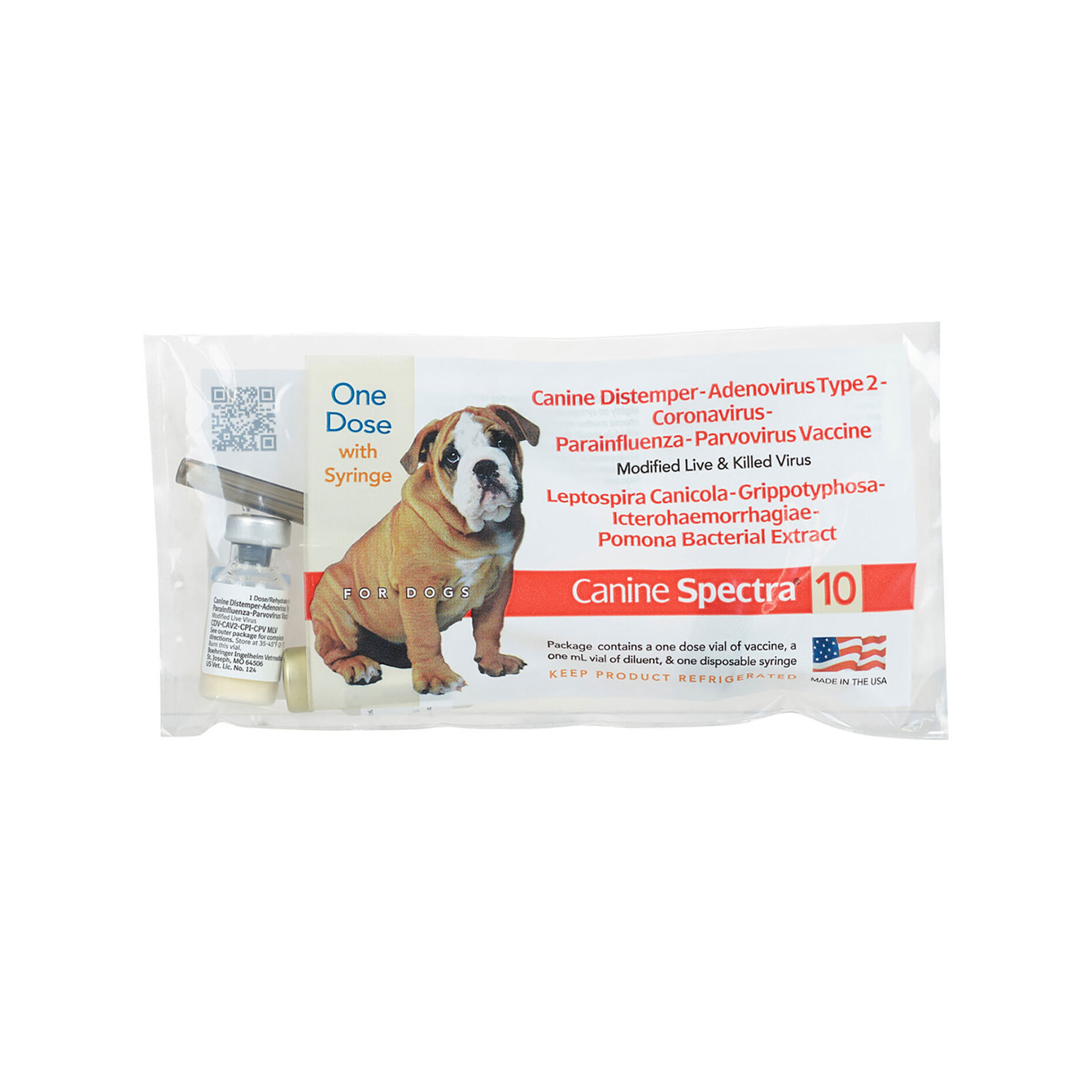
- Distemper, Adenovirus, Parvovirus (often given as a combination shot called DHPP)
- Bordetella (kennel cough)
Some groomers may also require a current flea and tick treatment. Vaccination records must be up-to-date and shown before grooming services begin. These policies vary by facility but usually cover the most common infectious diseases.
Why Vaccination Matters In Grooming
Vaccines protect dogs from serious diseases that spread easily in grooming centers. Dogs share close spaces and tools, which can carry germs. Vaccination lowers the risk of outbreaks and keeps all pets safe.
Vaccines also protect groomers and other staff by reducing the chance of disease transmission. Healthy dogs make grooming easier and less stressful. Owners can trust that their pets stay safe during care.

Credit: www.petco.com
Timing And Booster Shots
Timing and booster shots play a vital role in keeping your dog safe and healthy before grooming. Vaccines protect dogs from harmful diseases that can spread easily in grooming salons. Missing a shot or delaying the schedule can put your dog at risk. Groomers often require proof of current vaccinations to prevent outbreaks. Knowing the right timing and when to get booster shots helps maintain your dog's immunity strong and effective.
Puppy Vaccination Schedule
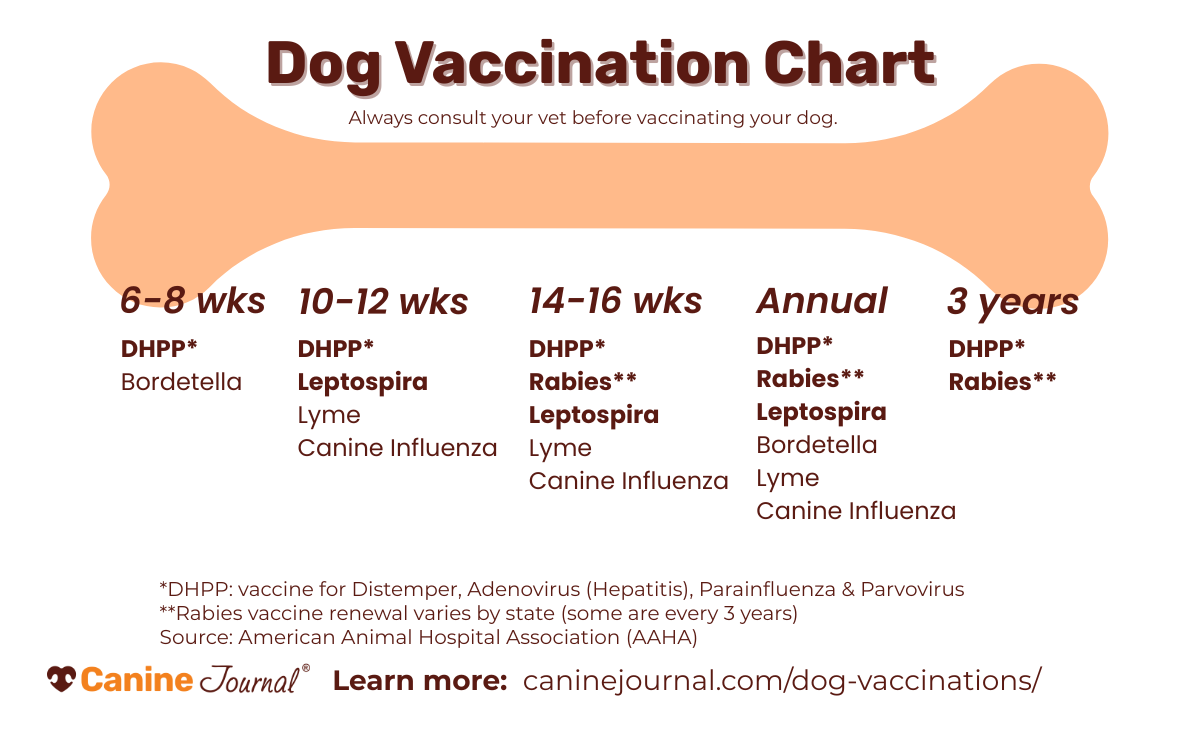
Puppies need a series of vaccines starting at six to eight weeks old. These vaccines protect against parvovirus, distemper, and adenovirus. Puppies usually get shots every three to four weeks until they reach 16 weeks old.
- 6-8 weeks: First vaccine dose
- 10-12 weeks: Second dose
- 14-16 weeks: Final puppy vaccine
This schedule ensures puppies develop strong immunity before their first grooming session. Puppies should not be groomed until they have received at least two vaccine doses.
Adult Dog Booster Recommendations
Adult dogs need booster shots to maintain their immunity. Most vaccines require a booster one year after the puppy series. After that, boosters happen every one to three years depending on the vaccine type.
- Annual boosters for rabies vaccine
- Every 1-3 years for distemper and parvovirus
- Booster for kennel cough before grooming visits
Booster shots keep your dog protected against common infections. Groomers request updated vaccine records to ensure all shots are current before grooming.
Vaccination And Dog Health
Vaccination plays a key role in keeping dogs healthy and safe during grooming sessions. Vaccines protect dogs from contagious diseases that can spread easily in grooming salons. A healthy dog is less likely to catch infections from other pets or the environment. Groomers often require proof of vaccinations to prevent outbreaks and ensure safety.
Vaccines help build strong immunity. This keeps dogs free from illnesses like rabies, distemper, and parvovirus. Regular vaccinations also reduce the risk of costly vet visits. Staying updated with vaccines means your dog is ready for grooming visits without worry.
Possible Side Effects
- Mild fever or tiredness for a day or two
- Swelling or soreness at the injection site
- Loss of appetite temporarily
- Rare allergic reactions like itching or difficulty breathing
Most side effects are short-lived and mild. Watch your dog closely after vaccination. Contact a vet if symptoms worsen or last more than two days.
When To Avoid Vaccination
- Dog is sick or has a fever
- Pregnant or nursing female dogs
- Dogs with known allergies to vaccines
- Dogs with weakened immune systems
A vet should decide if your dog needs to delay vaccination. Avoid vaccinating during illness to prevent stress on the immune system. Proper timing helps vaccines work best and keeps your dog safe.
Tips For Keeping Vaccination Records
Keeping accurate vaccination records for your dog is essential not only for health reasons but also when you bring your pet to a groomer. These records prove your dog is protected against contagious diseases, ensuring a safe grooming environment. Organizing and sharing these documents effectively can save you time and prevent last-minute hassles.
Digital Vs Paper Records
Deciding between digital and paper vaccination records depends on your lifestyle and comfort with technology. Digital records are easy to store, search, and share from your phone or computer. Apps and online portals allow you to upload vaccination certificates and set reminders for upcoming shots.
Paper records can be simple to manage if you prefer physical copies, but they can get lost or damaged. Keep your paper documents in a dedicated folder or binder for quick access. Some pet owners find it helpful to scan paper records and save them digitally as a backup.
Which format fits your daily routine better? Consider your habits before choosing the best way to keep your dog’s vaccination history safe and accessible.
Sharing Records With Groomers
Groomers usually require proof of vaccination before providing services to protect all pets in their care. Sharing your dog’s vaccination records beforehand can smooth the check-in process and avoid delays. Ask if your groomer accepts digital copies via email or requires physical copies at the appointment.
If you use digital records, sending them in advance helps groomers prepare and verify your dog’s status. For paper records, bring the originals or certified copies to avoid confusion. Some grooming salons keep a copy on file, which means you won't have to bring them every time.
Have you ever faced last-minute rejections due to missing vaccine proof? Sharing records proactively can prevent that stressful situation and keep your dog’s grooming visits hassle-free.
Credit: www.calranch.com
Frequently Asked Questions
What Vaccines Are Required Before Dog Grooming?
Dogs typically need rabies, distemper, and bordetella vaccines. These protect against common infections. Groomers require proof to ensure safety.
Why Is The Bordetella Vaccine Important For Grooming?
Bordetella prevents kennel cough, a contagious respiratory illness. Grooming facilities often have close contact. Vaccination helps reduce spread among dogs.
How Often Should Dogs Be Vaccinated For Grooming?
Vaccines like bordetella are usually given annually or every six months. Rabies follows local laws, often every one to three years.
Can Unvaccinated Dogs Get Groomed Safely?
Most groomers refuse unvaccinated dogs to protect others. Vaccination prevents disease spread in close-contact environments like salons.
Conclusion
Keeping your dog’s vaccines up to date is very important. Vaccines protect your dog from serious illnesses. Grooming centers often require proof of certain shots. This keeps all pets safe and healthy. Talk to your vet about which vaccines your dog needs.
Regular vaccinations help avoid health problems and grooming delays. A healthy dog enjoys grooming more and stays happy. Taking these simple steps benefits both you and your pet. Stay informed and keep your dog’s vaccinations current.