
Are your dog’s dry paw pads causing you worry? Cracked, rough paws can be uncomfortable for your furry friend and may even lead to infections.
You want to help, but what exactly should you put on those dry paw pads to soothe and protect them? You’ll discover simple, effective solutions that keep your dog’s paws soft and healthy. Keep reading to find out how you can give your pet the care they deserve, starting with their paws.

Credit: theblissfulpets.com
Causes Of Dry Paw Pads
Dry paw pads can make walking painful for dogs. Understanding the causes helps in proper care and treatment. Several factors can lead to dryness, cracking, and discomfort in your dog's paw pads.
Environmental Factors
Harsh weather often causes dry paw pads. Hot pavement can burn and dry out pads quickly. Cold, icy surfaces can also crack the skin. Rough terrain, like gravel or sand, wears down paw pads. Chemicals such as salt and lawn treatments irritate and dry the skin.
Allergies And Irritants
Allergic reactions can cause inflammation and dryness. Pollen, dust, and mold are common triggers. Certain cleaning products or shampoos irritate sensitive paw skin. Constant licking or chewing worsens dryness and leads to sores. Contact with toxic plants can also cause irritation.
Nutritional Deficiencies
Poor diet affects skin and paw health. Lack of essential fatty acids causes dryness and cracking. Vitamins A, E, and zinc support skin repair and hydration. Dogs missing these nutrients often develop flaky, brittle paw pads. Balanced nutrition promotes healthy, soft paw pads.
Underlying Health Issues
Some health problems show first on paw pads. Infections, such as yeast or bacteria, cause dryness and redness. Autoimmune diseases may attack the skin, causing damage. Hormonal imbalances like hypothyroidism lead to dry, cracked pads. Regular vet checks help catch these issues early.

Credit: theblissfulpets.com
Signs Of Dry And Cracked Paw Pads
Recognizing the signs of dry and cracked paw pads is essential for keeping your dog's feet healthy and comfortable. Paw pads are tough but sensitive, and when they become damaged, it can affect your dog’s mobility and overall well-being. Knowing what to look for helps you take quick action and prevent more serious problems.
Visual Symptoms
Look closely at your dog’s paw pads for any roughness or flakiness. Cracks, splits, or peeling skin are clear indicators of dryness.
Discoloration, such as redness or darkening, can signal irritation or infection. Sometimes the pads may appear shiny or inflamed, which shows they are struggling to stay healthy.
Small cuts or bleeding spots are serious signs that your dog’s paws need immediate care. Have you noticed your dog limping or avoiding certain surfaces? That might be due to these visible issues.
Behavioral Changes
Dogs often communicate discomfort through behavior. If your dog is licking or chewing their paws excessively, it usually means something is wrong.
Reluctance to walk or play can be a subtle sign of pain caused by dry or cracked pads. Pay attention if your usually active dog suddenly becomes less energetic or hesitant to go outside.
Sometimes, restlessness or irritability can also indicate paw pain. Have you caught your dog shaking their paw or favoring one leg? These are clues worth noting.
When To See A Vet
If you observe deep cracks, bleeding, or persistent limping, it’s time to consult a vet. These symptoms suggest the problem might be more than just dry skin.
Signs of infection include swelling, pus, or a foul odor around the paw pads. Ignoring these can lead to serious complications.
Also, if your dog’s behavior changes drastically and home remedies don’t help within a few days, professional advice is crucial. Are you unsure about the severity of your dog’s condition? A vet visit can provide clarity and effective treatment options.
Home Remedies For Dry Paw Pads
Dry paw pads can cause discomfort and pain for dogs. Treating them at home helps soothe and heal quickly. Natural ingredients often work well and are safe for pets. Use gentle remedies that hydrate and protect the paws. Regular care prevents cracks and roughness. Here are some easy home remedies for dry paw pads.
Natural Oils And Butters
Natural oils and butters nourish and soften dry paws. Coconut oil has moisturizing and antibacterial properties. Apply a thin layer on the paw pads to keep them smooth. Shea butter works well to heal and protect skin. Olive oil adds moisture and is gentle on sensitive paws. Always use pure, food-grade oils to avoid harmful chemicals.
Homemade Balms
Homemade balms combine oils and waxes for lasting protection. Mix beeswax with coconut oil and shea butter. Heat gently until melted, then cool in a small container. Apply the balm on dry paws to lock in moisture. This creates a barrier against rough surfaces and cold weather. Store the balm in a cool place for best results.
Soothing Baths
Soothing baths calm irritated and dry paw pads. Use warm water with a small amount of oatmeal. Oatmeal reduces itching and soothes skin. Soak your dog’s paws for 5 to 10 minutes. Pat dry gently with a soft towel. Follow with oil or balm application to seal moisture. Avoid harsh soaps that strip natural oils.
Commercial Products For Paw Care
Taking care of your dog's dry paw pads is crucial, especially during harsh weather or after long walks on rough terrain. Commercial products designed specifically for paw care can provide targeted relief and protection. These products are formulated to soothe, heal, and shield your dog’s paws, making your pet’s daily adventures more comfortable.
Pet-safe Moisturizers
Pet-safe moisturizers are gentle creams or lotions made to hydrate your dog’s dry paw pads without causing irritation. Unlike human moisturizers, these contain ingredients that are safe if your dog licks their paws.
Look for products with natural oils like coconut or shea butter. They restore moisture while allowing the skin to breathe. Have you noticed if your dog prefers a balm or a lotion texture? Testing a small amount can help you find what your pet likes best.
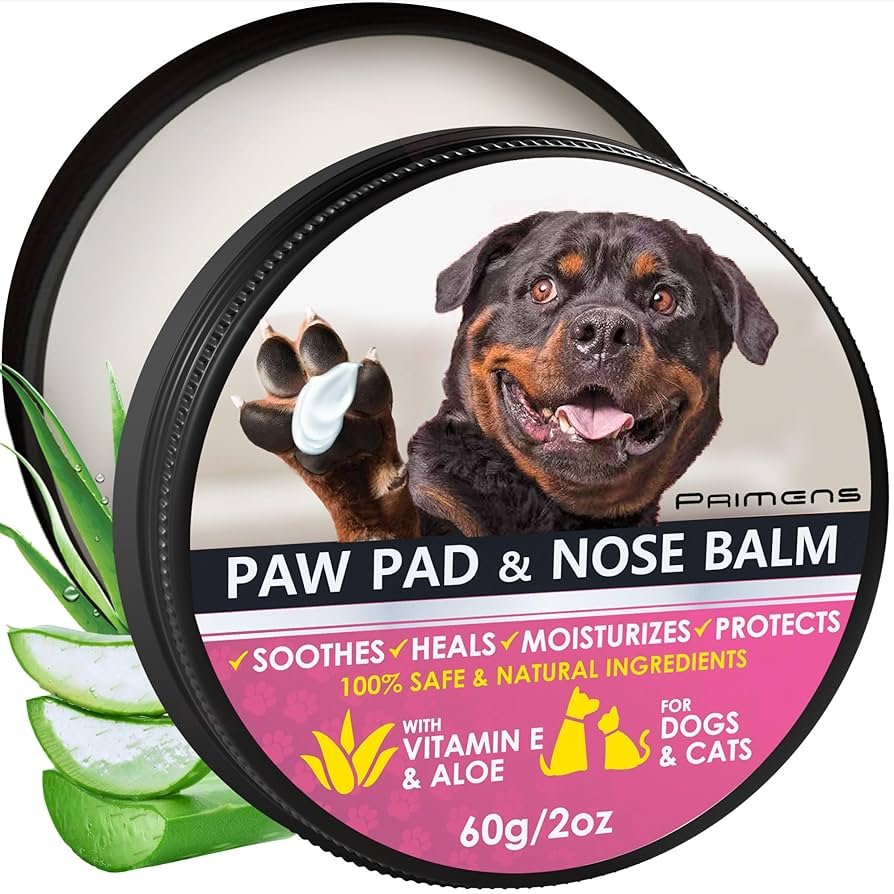
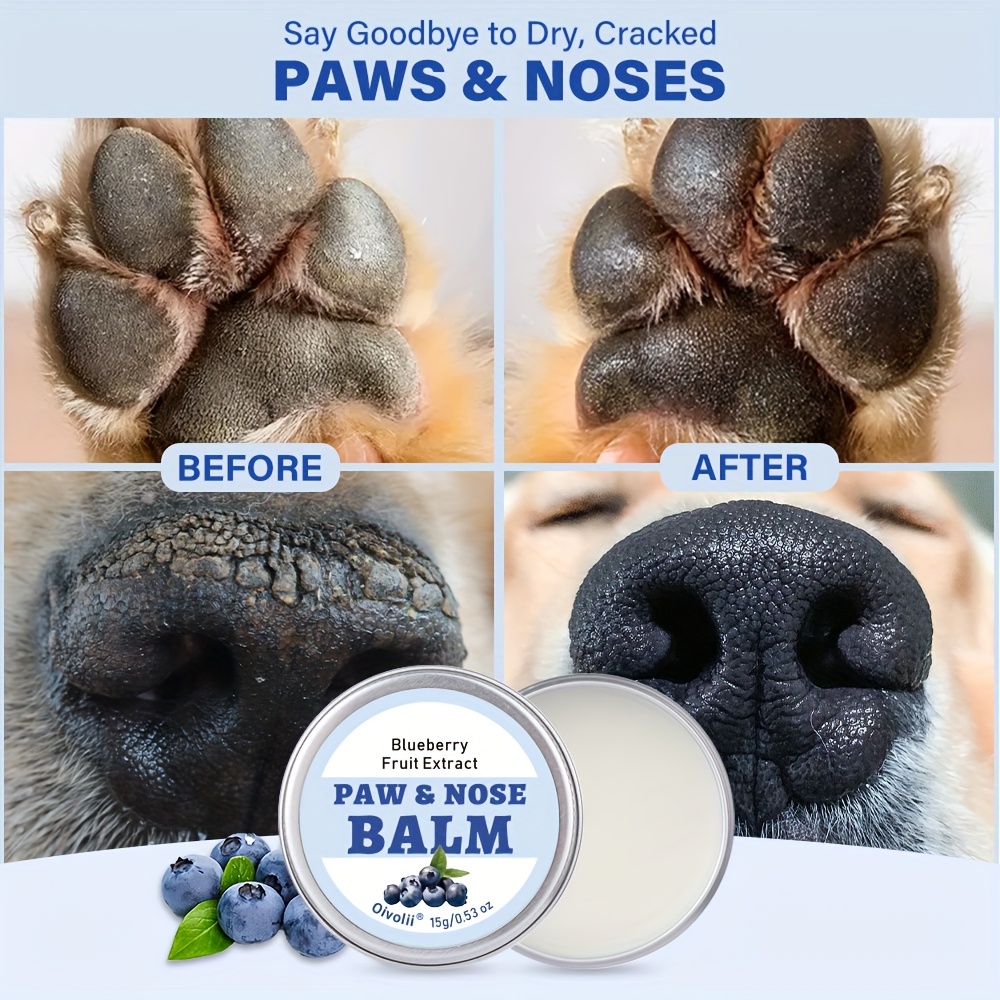
Protective Paw Balms
Protective paw balms create a barrier against harsh surfaces and extreme weather. These balms often include beeswax or lanolin to shield pads from salt, ice, and hot pavement.
Applying a balm before walks can prevent further cracking and dryness. Many pet owners swear by balms during winter months to protect against salt and de-icers. Do you think your dog’s paws need a shield before heading outdoors?
Medicated Ointments
Medicated ointments are designed to treat specific issues like infections, cuts, or severe dryness. These products usually contain ingredients such as antibiotics or antifungals prescribed or recommended by veterinarians.
If your dog has cracked or bleeding paw pads, a medicated ointment can speed up healing and prevent complications. Always consult your vet before using these to ensure the right treatment. Have you ever had to use an ointment for your dog’s paws, and what was your experience?
Preventing Paw Pad Dryness
Dry paw pads can be uncomfortable for your dog and might even lead to cracks or infections. Preventing this dryness is easier than you think, especially if you make a habit of regular care. Small changes in your routine can protect your dog's paws and keep them healthy and soft.
Regular Cleaning And Inspection
Check your dog’s paws every day, especially after walks. Dirt, small stones, or even salt can stick to their pads and cause irritation. Cleaning with a damp cloth or mild pet-safe wipes removes harmful debris.
Look closely for cracks, redness, or swelling. Early detection helps you act quickly before the dryness worsens. Have you noticed your dog licking its paws more often? This might be a sign to inspect them carefully.
Avoiding Harsh Surfaces
Walking your dog on rough, hot, or cold surfaces can make paw pads dry and cracked. Asphalt in summer and icy sidewalks in winter are common culprits. Try to choose grassy or softer paths whenever possible.
If your dog must walk on harsh surfaces, consider using protective booties. They shield the pads and reduce direct contact with damaging elements. Have you tried booties before? Some dogs take time to get used to them, but the protection is worth it.
Seasonal Care Tips
Different seasons demand different paw care strategies. In winter, salt and ice melt chemicals can be very harsh on paws. Wiping paws after walks and applying a pet-safe balm prevents dryness and irritation.
During summer, hot pavement can burn pads quickly. Walking early in the morning or late in the evening avoids the hottest times. Moisturizing balms made specifically for dogs help maintain softness without causing harm.
Credit: www.temu.com
When To Seek Professional Help
Knowing when to seek professional help for your dog's dry paw pads can make all the difference in their comfort and health. Sometimes, simple home remedies are enough, but other times, a vet's expertise is crucial to prevent complications. Paying attention to your dog's symptoms and behavior can guide you toward the right decision.
Persistent Symptoms
If your dog's paw pads remain dry and cracked despite regular moisturizing and care, it’s a clear sign to consult a vet. Watch for symptoms that don’t improve after a week or worsen over time. Persistent discomfort, excessive licking, or limping may indicate underlying issues that need professional attention.
Signs Of Infection
Infections can develop quickly on damaged paw pads. Look for redness, swelling, pus, or a foul smell around the affected area. If your dog shows signs of pain or fever, these are red flags that require immediate veterinary care to avoid serious complications.
Treatment Options From Vets
Veterinarians can offer treatments beyond what you can do at home. They might prescribe medicated creams, antibiotics, or recommend special paw balms designed for healing. In some cases, they may suggest protective booties or changes in your dog’s environment to prevent further damage.
Frequently Asked Questions
What Is Safe To Put On Dogs' Dry Paw Pads?
Use dog-safe balms or natural oils like coconut or olive oil. Avoid human lotions as they may contain harmful chemicals.
How Often Should I Moisturize My Dog's Paw Pads?
Moisturize your dog's paw pads 2-3 times a week. Adjust frequency based on weather and dryness severity.
Can I Use Human Moisturizer On Dogs' Paws?
No, human moisturizers can irritate dogs' skin. Always choose products specifically formulated for pets.
What Ingredients Should I Avoid In Paw Pad Treatments?
Avoid artificial fragrances, parabens, and alcohol. These can cause dryness, irritation, or allergic reactions in dogs.
Conclusion
Healthy paws mean a happy dog. Dry paw pads need care and attention. Regular moisturizing helps keep them soft. Use products safe for dogs, like coconut oil or shea butter. Avoid harsh chemicals. Check paws for injuries often. A balanced diet also supports skin health.
Remember, happy paws mean happy adventures. Pay attention to your dog's cues. They tell you when something's wrong. Keep their paws in top condition. This ensures they stay comfortable and active. Your dog will thank you with wagging tails and joyful barks.
Keep those paws pampered and ready for play.