Is your dog gobbling down food too fast? You’re not alone.
When dogs eat too quickly, it can lead to choking, stomach pain, or even serious health problems. But don’t worry—there are simple ways to help your furry friend slow down and enjoy mealtime safely. You’ll discover easy and effective things to put in your dog’s bowl that naturally slow their eating.
Keep reading to learn how small changes can make a big difference for your dog’s health and happiness.
Why Slow Eating Matters
Watching your dog gobble down their meal in seconds might seem harmless, but it can lead to serious health problems. Slow eating isn't just a behavior fix—it’s a key to better digestion and overall wellbeing. Understanding why slow eating matters can motivate you to make simple changes to your dog's bowl and feeding routine.
Health Risks Of Fast Eating
Eating too quickly can cause your dog to swallow a lot of air, leading to uncomfortable bloating and gas. This can sometimes escalate into gastric dilatation-volvulus (GDV), a life-threatening condition that requires immediate veterinary care.
Rapid eating often results in choking hazards or vomiting. Dogs who eat fast may not chew their food properly, increasing the risk of digestive issues and nutrient absorption problems.
Benefits Of Slower Eating Habits
Slowing down mealtime helps your dog digest food more effectively and reduces the risk of choking and vomiting. It gives their stomach time to signal fullness, which can prevent overeating and support a healthy weight.
When your dog eats slower, mealtime becomes less stressful for both of you. You’ll notice calmer behavior and better focus during feeding, which can strengthen your bond.
Have you noticed how some dogs lick their bowls clean in seconds, while others take their time? What if you could help your dog enjoy their food safely and healthily by simply changing their bowl or feeding method?

Credit: www.amazon.com
Choosing The Right Dog Bowl
Choosing the right dog bowl can make a big difference in how your pet eats. If your dog tends to gulp down food quickly, selecting a bowl designed to slow eating helps prevent choking and digestion issues. The right bowl encourages your dog to take their time, making mealtime healthier and more enjoyable.
Slow Feeder Bowls
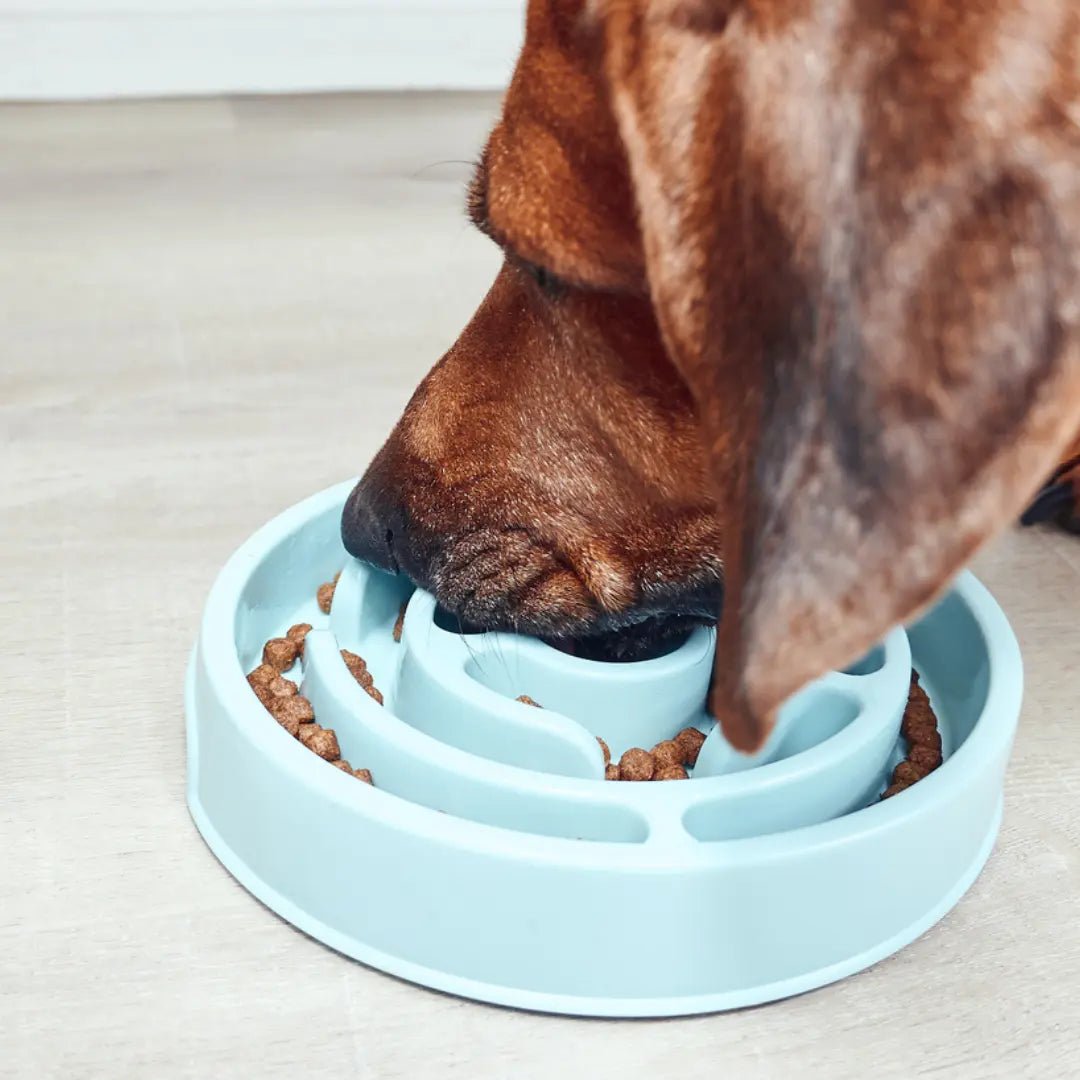
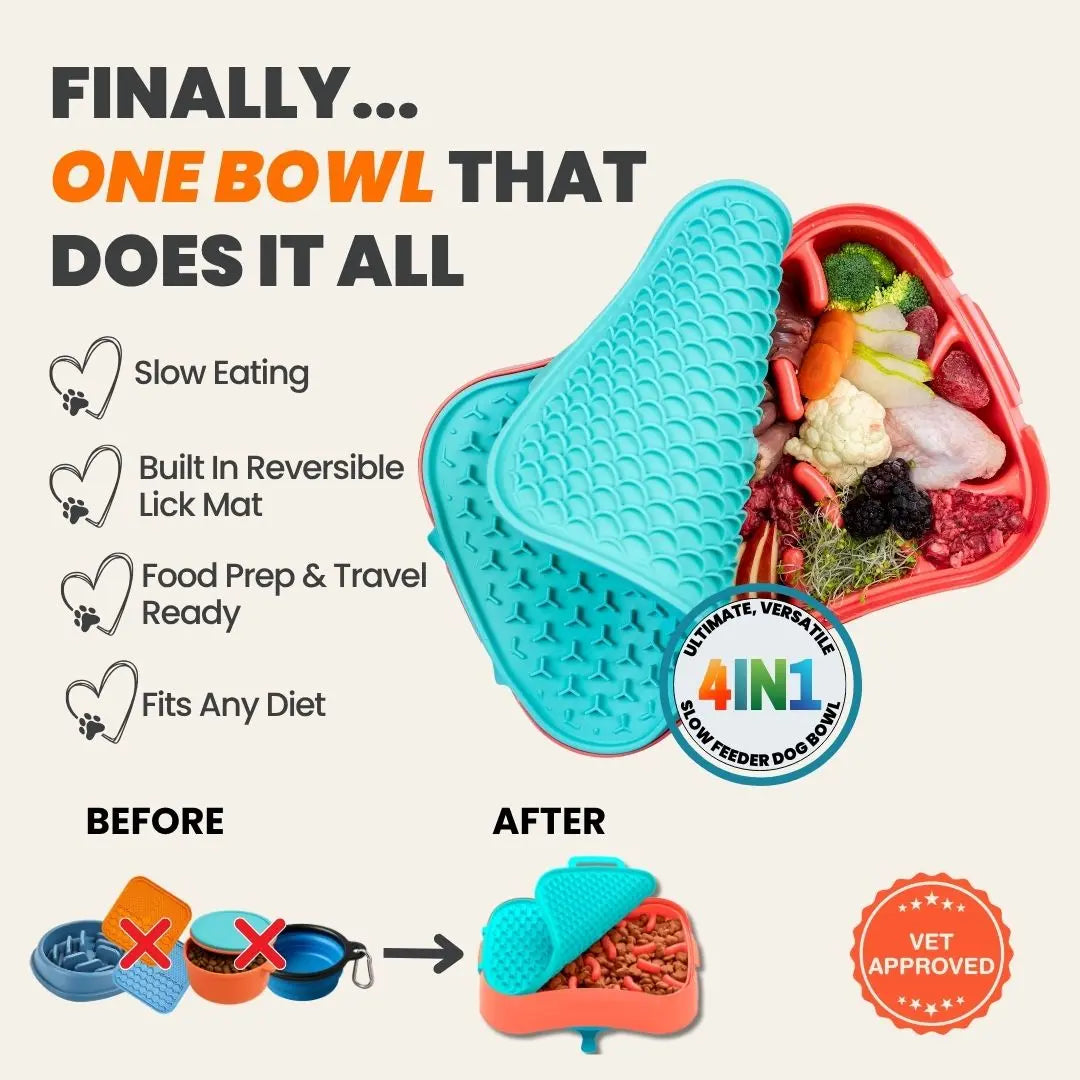
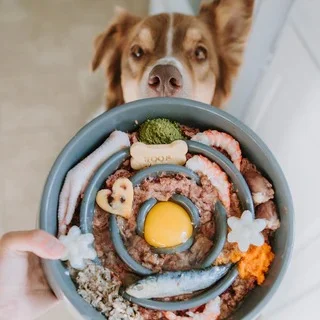
Slow feeder bowls come with built-in ridges, bumps, or maze-like patterns that make it harder for your dog to grab large mouthfuls. This simple design forces your dog to eat more slowly and thoughtfully.
These bowls work well for dogs who eat too fast out of excitement or nervousness. You’ll notice your dog chewing more and swallowing less air, which can reduce bloating and discomfort.
Different shapes and materials are available, so you can find one that fits your dog’s size and eating habits. Have you tried a slow feeder bowl yet? Your dog might surprise you with how quickly they adjust.
Interactive Feeding Toys
Interactive feeding toys add a playful challenge to your dog’s mealtime. These toys require your dog to work for their food by pawing, nudging, or rolling the toy to release kibble.
They help slow down eating while stimulating your dog’s brain, which is great for mental health. Plus, these toys can keep your dog occupied longer, reducing boredom and destructive behavior.
If your dog loves puzzles or games, interactive feeders might become their favorite part of the day. Could turning feeding time into playtime improve your dog’s eating habits and happiness?
Food Options To Encourage Slower Eating
Choosing the right food can help slow down your dog's eating. Slow eating improves digestion and prevents choking. Food texture and moisture level affect how fast dogs eat. Certain food types encourage dogs to chew more and take breaks between bites.
Chunky Vs. Small Kibble
Chunky kibble makes dogs work harder to chew each piece. This slows down eating naturally. Small kibble is easier to gulp down quickly. Chunky pieces also keep dogs busy longer at mealtime. Some dogs prefer mixed sizes to keep things interesting. Try different kibble shapes to find what slows your dog the most.
Adding Wet Food Or Broth
Wet food adds moisture and texture that slows eating. It makes kibble softer and less easy to swallow fast. Broth poured over dry food creates a thick mix. This mix requires more chewing and licking. Avoid salty broth. Use low-sodium or homemade broth for health. Wet food or broth can make meals tastier and slower.
Diy Additions For Dog Bowls
DIY additions for dog bowls help slow down fast eaters naturally. These simple tricks make mealtime more enjoyable and safer. They also prevent choking and reduce bloating risks. Using everyday items, you can create a feeding experience that encourages your dog to eat slowly and calmly.
Using Ice Cubes
Ice cubes are a fun way to slow your dog’s eating. They take longer to lick and chew, stretching out mealtime. Drop a few cubes into the food bowl or freeze small amounts of broth or water inside cubes. This adds texture and interest. It also cools the food, which many dogs enjoy on warm days.
Ice cubes help distract dogs from gulping their food quickly. The coolness and crunch make them focus on the treat instead of just swallowing. This simple addition is safe and easy to try for dogs of all sizes.
Incorporating Vegetables
Adding vegetables to your dog’s bowl is healthy and slows eating. Crunchy veggies like carrots, green beans, or cucumbers add bulk and texture. Dogs chew more on these, which reduces gulping. Vegetables also bring vitamins and fiber to your dog’s diet.
Chop veggies into small, bite-sized pieces for easy chewing. Mix them with regular kibble or wet food. This method keeps meals interesting and helps your dog feel fuller longer. Avoid toxic vegetables like onions or garlic to keep meals safe.
Feeding Techniques To Slow Down Eating
Slowing down a dog's eating helps prevent choking and digestion problems. Feeding techniques play a key role in managing how fast your dog eats. Adjusting the way food is served can make a big difference in eating speed. These simple changes improve your dog's health and comfort during mealtime.
Portion Control
Serving the right portion size helps slow down eating naturally. Smaller portions reduce the chance of gulping food quickly. Measure your dog's food carefully to avoid overfeeding. Use a standard measuring cup for consistency. Smaller portions encourage your dog to chew more and eat slower.
Multiple Small Meals
Splitting food into several small meals throughout the day helps control eating speed. This method keeps your dog from feeling too hungry at once. Feeding more often reduces the urgency to eat quickly. Aim for three to four small meals daily instead of one big meal. This technique supports better digestion and energy levels.
Training Tips To Promote Slower Eating
Training your dog to eat more slowly can make mealtimes calmer and healthier. It takes patience and consistent effort to change a fast eater’s habits. You’ll find that combining practical training tips with smart bowl choices creates the best results.
Positive Reinforcement
Reward your dog when they eat calmly and at a slower pace. Use treats or gentle praise right after they pause or chew properly. This helps your dog understand that slow eating brings good things.
Try breaking their meal into smaller portions and rewarding them between each one. This encourages patience and reduces gulping. Have you noticed how your dog responds to calm, encouraging words during meals?
Feeding Schedule Consistency
Stick to a regular feeding schedule to build a routine your dog can trust. Predictable meal times reduce anxiety and rushing. Feeding your dog at the same times every day helps them relax and eat more mindfully.
Don’t leave food out all day; instead, offer meals for a limited time. This creates a natural rhythm and discourages wolfing down food out of stress. What changes could you make to your dog's current feeding routine to help slow their eating?
Monitoring And Adjusting Your Approach
Monitoring and adjusting your approach is key to helping your dog eat slower. Each dog is different, so watch how your pet responds. Small changes can make a big difference in their eating habits. Stay patient and observe closely to find the best solution.
Tracking Eating Speed
Keep a daily record of how fast your dog finishes their food. Note the time it takes and any signs of gulping or choking. Use a simple timer or stopwatch for accuracy. Track changes after trying new bowls or adding obstacles. This helps identify what works best for your dog’s pace.
- Record start and end time of meals
- Observe behavior like gulping or rushing
- Note any coughing or discomfort
- Compare results after changes
Consulting Your Veterinarian
Your veterinarian can offer advice tailored to your dog’s needs. They can check for health issues that cause fast eating. Discuss your observations and share your tracking notes. A vet may suggest special bowls or dietary changes. Regular check-ups ensure your dog stays safe and healthy.
Credit: superfeedy.com
Credit: wefeedraw.com
Frequently Asked Questions
What Can I Add To My Dog's Bowl To Slow Eating?
You can add slow feeder mats, large ice cubes, or puzzle feeders. These create obstacles, forcing your dog to eat slower and chew more thoroughly.
Are Slow Feeder Bowls Effective For Fast Eaters?
Yes, slow feeder bowls have ridges and patterns that make dogs work harder to access food. This reduces gulping and improves digestion.
Can I Use Toys To Slow My Dog's Eating?
Yes, placing food inside treat-dispensing toys encourages dogs to play and eat slowly. It also provides mental stimulation alongside slower eating.
Is It Safe To Put Vegetables In My Dog's Bowl?
Absolutely, adding chopped carrots or green beans adds bulk and fiber. This slows eating and promotes healthy digestion without extra calories.
Conclusion
Slowing your dog's eating can greatly benefit their health. Use slow-feeder bowls or add large objects to their dish. These methods make mealtime fun and safe. Your furry friend will enjoy every bite, reducing risks of choking or bloating. Always observe your pet during meals for safety.
Experiment with different techniques to find what works best. A happy, healthy dog is the goal. Small changes in feeding can make a big difference. Remember, patience is key. Enjoy the bonding time during mealtime with your beloved pet.