Is your dog looking a little too slim lately? You want your furry friend to be healthy and full of energy, but gaining weight can be tricky.
What exactly should you feed your dog to help them put on those extra pounds safely? You’ll discover simple, effective ways to boost your dog’s weight without risking their health. Keep reading to find out how to make your dog’s meals more nutritious and satisfying—your pet will thank you for it!

Credit: www.houndsy.com
Why Some Dogs Need To Gain Weight
Understanding why some dogs need to gain weight is crucial for their overall health and happiness. Dogs that are underweight can face challenges that affect their energy, immune system, and quality of life. If your dog looks too thin or has lost weight unexpectedly, it’s important to recognize the underlying reasons and address them with proper nutrition and care.
Common Causes Of Weight Loss
Weight loss in dogs can happen for many reasons. Sometimes, it’s because of a poor diet or not eating enough. Other times, health problems like parasites, infections, or dental issues make it hard for your dog to maintain a healthy weight.
Stress and changes in environment can also cause your dog to lose weight. Aging dogs may lose muscle mass, while active dogs might burn more calories than they consume. Identifying the cause helps you decide how to adjust your dog’s food and care.
Health Risks Of Underweight Dogs
Being underweight puts your dog at risk for several health problems. Without enough body fat, dogs may struggle to regulate their body temperature and recover from illnesses.
Underweight dogs often have weaker immune systems, which means they get sick more easily. They may also suffer from muscle loss, making movement and play more difficult.
Have you noticed your dog lacking energy or getting sick more often? These could be signs that your dog needs to gain weight to stay strong and healthy.
Calorie-dense Foods For Weight Gain
Choosing calorie-dense foods helps your dog gain weight safely and steadily. These foods provide more energy in smaller amounts. This is important for dogs with low appetite or fast metabolism. Feeding the right balance of nutrients supports healthy muscle growth and fat gain.
High-quality Proteins
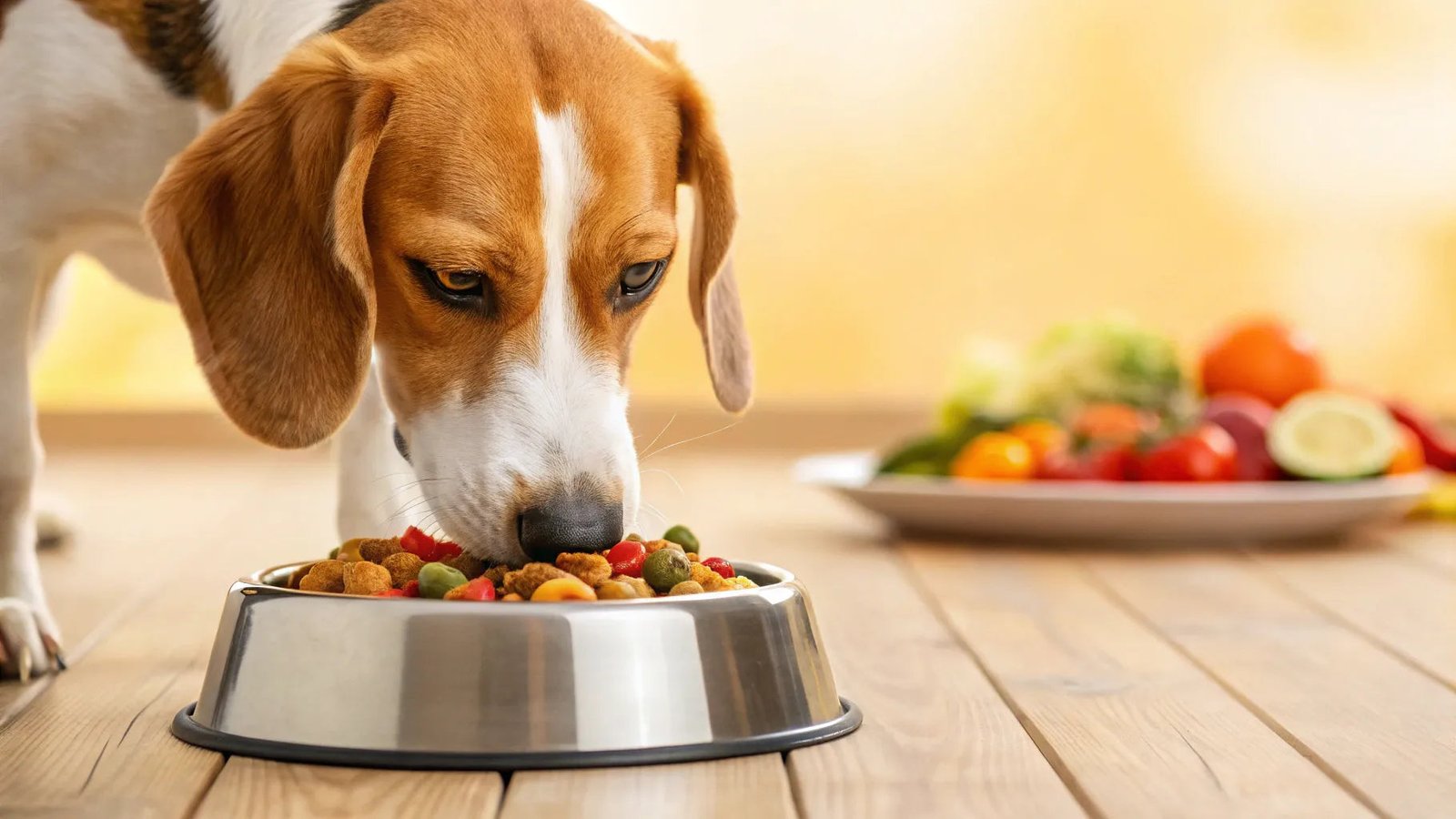
Proteins build and repair muscles. Good sources include chicken, turkey, and lean beef. Fish like salmon offers protein and omega-3 fatty acids. Eggs are also rich in protein and easy to digest. Include protein in every meal to support weight gain and overall health.
Healthy Fats
Fats provide more calories per gram than proteins or carbs. Sources like fish oil, flaxseed oil, and coconut oil boost calorie intake. Peanut butter is a tasty treat that adds healthy fats. Use fats carefully to avoid digestive upset. They improve coat condition and energy levels too.
Complex Carbohydrates
Complex carbs give long-lasting energy. Brown rice, sweet potatoes, and oats digest slowly. These foods keep blood sugar stable and prevent energy crashes. Vegetables like pumpkin and carrots add fiber and nutrients. Balanced carbs support steady weight gain and gut health.
Best Homemade Meals For Weight Gain
Feeding your dog homemade meals for weight gain can be healthy and effective. It allows control over ingredients and ensures balanced nutrition. Creating meals at home helps avoid fillers and low-quality additives found in some commercial foods.
Focus on nutrient-rich foods that promote healthy weight gain. These meals should provide protein, fats, and essential vitamins. Proper balance supports muscle growth and overall well-being.
Balanced Recipes
Start with a protein source like cooked chicken, turkey, or lean beef. Add complex carbohydrates such as brown rice or sweet potatoes. Include healthy fats from sources like olive oil or fish oil. Mix in vegetables like carrots, peas, or green beans for fiber and vitamins.
- Cook protein thoroughly without seasoning
- Use 40% protein, 50% carbs, and 10% vegetables
- Add fats carefully to increase calories
Safe Ingredients To Include
Choose ingredients that are safe and easy to digest for dogs. Avoid spices, onions, garlic, and anything toxic. Good options include:
- Lean meats (chicken, turkey, beef)
- Cooked eggs
- Rice and oats
- Carrots, pumpkin, green beans
- Fish oil or flaxseed oil
Foods To Avoid
Certain foods can harm your dog or cause digestive issues. Never feed:
- Chocolate and caffeine
- Grapes and raisins
- Onions and garlic
- Raw dough or yeast
- High-fat or fried human foods
Top Commercial Dog Foods For Weight Gain
If your dog needs to gain weight, choosing the right commercial dog food is key. Some foods are specially made to help dogs build healthy weight without upsetting their digestion. Knowing which products to pick can save you time and frustration while giving your dog the nutrition they need.
Formulated High-calorie Kibble
High-calorie kibble packs extra energy into every bite, perfect for dogs that burn calories quickly or have low appetites. Look for brands that highlight increased fat and protein levels. These ingredients help add muscle and fat in a balanced way.
Some popular choices include:
- Blue Buffalo Wilderness High Protein– Boosts calories with real meat and nutrient-rich grains.
- Hill’s Science Diet Adult Healthy Weight– Designed to support gradual weight gain with balanced nutrition.
- Nutro Ultra Weight Gain– Combines high-quality ingredients and calorie density for active dogs.
Have you checked the calorie content on your dog’s current kibble? Sometimes simply switching to a high-calorie formula makes a big difference.
Wet Food Options
Wet food can be easier to eat and more appetizing for dogs that are picky or recovering from illness. It often contains more fat and moisture, helping dogs feel fuller and more satisfied.
Consider these options:
- Royal Canin Veterinary Diet Recovery RS– Supports weight gain with added nutrients for dogs needing extra care.
- Wellness CORE Grain-Free Turkey & Chicken Pâté– Rich in protein and fats for steady weight increase.
- Nutro Ultra Grain-Free Wet Food– Combines taste and nutrition to encourage eating.
Does your dog prefer wet or dry food? Mixing both can stimulate their appetite and keep meals interesting.
Supplements And Treats
Adding supplements and treats can boost calories without overwhelming your dog’s regular meals. Look for those with healthy fats and proteins.
Good options include:
- Fish oil supplements– Add omega-3 fatty acids that promote healthy skin and coat while increasing calories.
- Peanut butter treats– Many dogs love peanut butter, which is calorie-dense and nutritious (ensure it contains no xylitol).
- High-calorie gels or pastes– Veterinary-prescribed products like Nutri-Cal provide concentrated calories.
Have you tried using supplements to support your dog’s weight gain? Small additions can make a big impact when chosen wisely.
Tips To Encourage Eating And Weight Gain
Encouraging your dog to eat more and gain weight can be challenging, but small changes can make a big difference. Understanding how to adjust feeding habits, make meals more attractive, and track progress will help you support your dog’s health effectively. Let’s dive into practical tips that you can start using today.
Feeding Frequency And Portions
Instead of sticking to two large meals a day, try offering smaller meals more frequently. Feeding your dog three to four times daily can stimulate their appetite without overwhelming their stomach.
Adjust portion sizes gradually. Start with slightly larger portions and see how your dog responds. Avoid overfeeding at once, as this might cause discomfort or refusal to eat.
Have you noticed your dog’s energy levels dipping before meals? Short, frequent meals can keep their energy steady and hunger consistent.
Making Meals More Appealing
Enhance the flavor and smell of your dog’s food by adding warm water or low-sodium broth. This simple trick can awaken their senses and encourage eating.
Mix in healthy, calorie-dense toppings like cooked eggs, plain yogurt, or small amounts of peanut butter. These extras not only add taste but also boost calorie intake naturally.
Try different textures—some dogs prefer wet food over dry kibble. Experiment to find what excites your dog’s palate the most.
Monitoring Progress
Keep a daily log of your dog’s weight, appetite, and overall behavior. This helps you spot trends and adjust feeding strategies promptly.
Use a consistent scale and weigh your dog weekly. Small gains are progress, so celebrate each positive change.
If your dog’s eating habits or weight don’t improve after a few weeks, it’s important to consult your vet. Sometimes underlying health issues need addressing to support weight gain.

Credit: www.spotandtango.com
When To Consult A Veterinarian
Knowing when to consult a veterinarian is crucial if your dog is struggling to gain weight. Ignoring signs of trouble can lead to serious health problems. Your vet can help identify the root cause and guide you toward the right solution.
Persistent Weight Loss
If your dog keeps losing weight despite your best efforts to feed more, it’s a red flag. Weight loss that lasts more than a couple of weeks should prompt a vet visit. Sometimes, dogs burn calories faster due to stress or hidden illness, which only a professional can diagnose.
Underlying Health Conditions
Conditions like parasites, diabetes, or thyroid problems can prevent your dog from gaining weight. These issues often come with other signs like lethargy, vomiting, or changes in appetite. Your vet can run tests to uncover these hidden problems and recommend proper treatment.
Professional Dietary Advice
Feeding your dog to gain weight isn’t just about adding more food. Your pet might need a special diet or supplements tailored to their needs. A vet can design a balanced meal plan that supports healthy weight gain without causing other issues like digestive upset.

Credit: www.houndsy.com
Frequently Asked Questions
What Are The Best High-calorie Foods For Dogs To Gain Weight?
High-calorie foods like peanut butter, chicken, eggs, and rice help dogs gain weight. These foods provide essential nutrients and energy. Adding healthy fats like fish oil can also boost calorie intake safely.
How Often Should I Feed My Dog To Increase Weight?
Feed your dog smaller meals 3 to 4 times daily. Frequent feeding helps improve digestion and nutrient absorption. Consistent meal times encourage steady weight gain without overwhelming the dog’s stomach.
Can Supplements Help My Dog Gain Weight Safely?
Yes, supplements like omega-3 fatty acids and probiotics support weight gain. They improve digestion, increase appetite, and promote healthy fat accumulation. Always consult your vet before adding supplements to your dog’s diet.
Should I Avoid Certain Foods While Trying To Increase My Dog’s Weight?
Avoid sugary, processed, and fatty junk foods. These can cause digestive issues and poor health. Focus on balanced, nutrient-rich foods to ensure healthy and sustainable weight gain.
Conclusion
Feeding your dog to gain weight requires thoughtful planning. Choose high-quality protein sources. Include healthy fats for extra calories. Don't forget to add nutrient-rich vegetables. Monitor your dog's progress regularly. Adjust the diet as needed. Consult your vet for personalized advice.
Understand your dog's specific needs. Patience is key. Results take time. Stay consistent with the feeding routine. A balanced diet ensures healthy weight gain. Happy and healthy dogs are the goal. Your furry friend deserves the best care.